
Table of Contents (7)
Throne and Liberty is consolidating North and South America – and that tells you the game’s real problem
On March 12 Throne and Liberty will stop pretending three separate American regions make sense. Amazon Games is merging NA‑West, NA‑East and SA‑East into a single “Americas” region (US Central time), splitting PlayStation into a PlayStation‑only server and resetting a raft of competitive systems – from auction houses to siege schedules. That’s an operational clean‑up, not a fresh start: it’s how you maintain an MMO that’s running out of bodies and wants to keep the experience playable without the cost of more servers.
- Server shifts on March 12: NA‑West, NA‑East and SA‑East will become one Americas region; PS players in the Americas go to a PS‑only server.
- Gameplay and economy changes: Character cap per region rises to six, auction houses are consolidated and fully reset, and leaderboards/guild rep/siege dates are wiped and recalculated.
- Why it matters: Consolidation can fix dead timers and empty battlegrounds – but US Central timing and full resets risk punishing South American players and reshaping PvP and market power overnight.
What the merge actually does — and what Amazon isn’t pretending it won’t
The mechanics are blunt. After maintenance on March 12 the three American clusters become one region (Amazon says timestamps use US Central local time). Players get server transfer tickets; character slot limits increase to six per region so folks can keep alts; auction houses are consolidated (Americas will have two AHs — one for PS‑only and one for general) and market data and favorites are reset. The game will also wipe rankings, guild reputation, Boonstone/Riftstone ownership, Castle Legion control and total castle taxes — basically a reset of the competitive map. Final server names, exact siege dates and event timers are due to be published roughly one week prior, around March 5.
Don’t mistake this for growth — it’s a maintenance play
Server merges are normal in MMORPG life cycles. But context matters: Amazon recently consolidated New World’s servers and Throne and Liberty’s population has been fragile — third‑party trackers and community discussion point to low concurrent counts and thin activity windows. Combining NA and SA into a single US Central timezone is an efficiency move that reduces empty servers and synchronizes events, but it’s also a tacit admission the player base can’t sustain separate regions.

The uncomfortable observation the PR won’t highlight: moving everything to US Central advantages US players. South American players will face higher ping and worse timing for sieges and events. The PlayStation‑only server in the Americas is a concession to console matchmaking and latency issues, but the PS split is also a band‑aid — it keeps the experience tolerable for consoles while not addressing the root issue of low cross‑region population.
What this will actually change for your gameplay
Expect immediate turbulence. Auction prices will reroll when AHs reset; favorites vanish; economies rebalance as previously isolated markets collide. Guilds that prepared for transfers can game the reset and snap up castles and Legion slots before less organized groups. PvP will be affected too: leaderboards and rep wipe levels the field — briefly. But “leveling the field” often benefits already organised, highly active guilds who can move first.
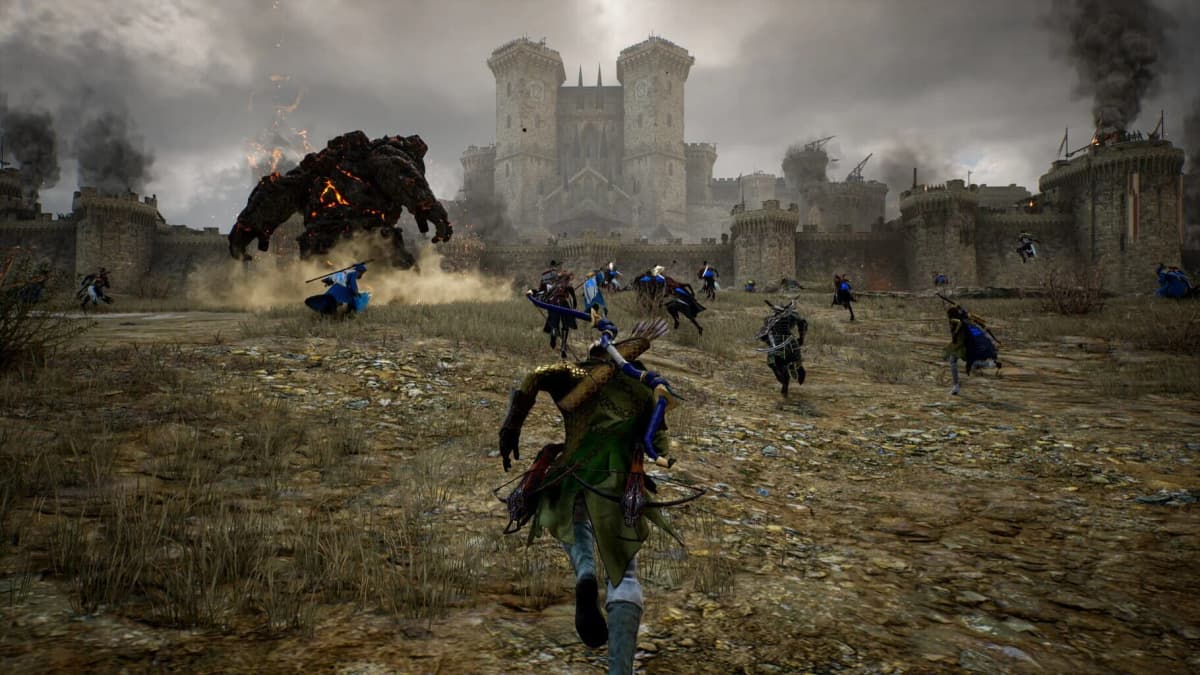
Amazon is also touting mechanical fixes in developer talks — party size caps in Battlegrounds, MMR changes and a promised rework for Tower of Greed — but those are separate from the server merge. They can help the game’s competitive health, but they don’t solve the core issue the merge reflects: not enough players, uneven latency and brittle regional economies.
The question I’d ask Amazon’s PR rep
“Why pick US Central as the Americas anchor when South American latency and event timing will suffer — and what concrete mitigation (regional node routing, dedicated SA windows, or compensated siege timers) will you offer to ensure SA players aren’t steamrolled out of contested content?”
What to watch next (and when)
- March 5: Final server names, exact siege dates, and revised event timers — this tells you whether Amazon actually adjusted schedules for SA players or just changed labels.
- March 12: Merge day — watch auction prices, transfer queue sizes, and the first post‑merge siege rosters for signs of power shifts.
- April 2 patch notes: The next content/bugfix update will be an early test: does population stabilize when new content lands, or does consolidation only delay decline?
- Community metrics: Ping tests from SA players and Steam concurrent numbers — both will show whether the merge preserves playable regions or simply hides the decline.
If you play on PS in the Americas, transfer tickets will be offered and you’ll land on a PS‑only server — fewer cross‑platform headaches, but also fewer players to trade with if Sony’s user base is thin. For PC players, the merged AHs and ranking resets are the immediate thing: prices will swing; plan exports, transfers and guild moves accordingly.
TL;DR
Amazon is merging NA‑West, NA‑East and SA‑East into a single Americas region on March 12 and carving PlayStation players into their own server. It’s a practical consolidation to fix empty timers and brittle economies — but it also signals the game isn’t growing fast enough to justify separate regions and will disadvantage South American players by centralizing events on US Central time. Watch March 5 for exact siege dates, March 12 for the actual merge chaos, and April 2 to see if population trends respond to new content or keep sliding.
FinalBoss // Gear
Level up your setup
01Top-rated gaming headsetson Amazon→02High-refresh gaming monitorson Amazon→03Gaming chairson Amazon→04Discounted game keyson Kinguin→Affiliate links · As an Amazon Associate, FinalBoss earns from qualifying purchases.
Want to Level Up Your Gaming?
Get access to exclusive strategies, hidden tips, and pro-level insights that we don't share publicly.
Ultimate Gaming Strategy Guide + Weekly Pro Tips