
Tides of Tomorrow is out now, but the launch headline isn’t really “new narrative game released.” The part that matters is that DigixArt actually shipped the risky bit intact: an asynchronous Story-Link system that lets another player’s run bleed into yours. In an industry that loves talking about player-driven stories and usually delivers a dialogue wheel with better lighting, that’s the interesting part. The game launched April 22 on PC, PS5, and Xbox Series X|S at $29.99, with a free demo on PlayStation, Twitch Drops running through May 11, and soundtrack promos tagging along. Nice extras. But the real sell is whether this system creates stories you remember, or just clever marketing copy for a fundamentally linear adventure.
Table of Contents (7)
Key takeaways
- Tides of Tomorrow launched globally on April 22 for PC, PlayStation 5, and Xbox Series X|S at $29.99.
- Its Online Story-Link system is the whole game’s identity: you can inherit a “seed” from another player’s completed run and deal with the consequences they left behind.
- This is still a single-player narrative adventure, not some always-online live-service trap wearing an indie mask.
- The real question is whether Story-Link changes enough from run to run to be meaningful after the launch-week novelty fades.
This is DigixArt trying to solve a real narrative-game problem
DigixArt made its name with Road 96, a game that understood something a lot of “choice-driven” adventures still don’t: players want stories that feel personal, but they also want stories worth talking about afterward. That’s harder than it sounds. If every player gets roughly the same beats with minor cosmetic differences, the illusion breaks fast. If everything branches too hard, the content burden gets ugly and most players never see half of what you built.
Story-Link is DigixArt’s answer to that problem. Instead of pretending your choices exist in a vacuum, Tides of Tomorrow lets you step into a version of the world already altered by someone else. According to the launch materials and developer breakdowns, that data can include routes taken, resources left behind or consumed, narrative state changes, and the knock-on effects of decisions made in earlier runs. Level by level, your playthrough gets shaped by a previous Tidewalker’s mess. Then you hand your own mess forward.
That’s a much more interesting pitch than the usual “your choices matter” boilerplate, because it gives consequence a social dimension without forcing co-op or matchmaking headaches. It is asynchronous multiplayer used for narrative texture, not for ticking the “engagement” box in a pitch deck. Credit where it’s due: that’s a smarter use of online connectivity than most bigger-budget games manage.
The uncomfortable question: how much does the system actually change?
Here’s what the promo cycle would rather you not dwell on. Story-Link sounds fantastic on paper, but mechanics like this live or die on range. If another player’s influence mostly means a missing item here, a different conversation flag there, and a few altered route details, then the concept is clever but limited. If it meaningfully reshapes pressure, scarcity, alliances, and late-game outcomes, then DigixArt may have found a genuinely fresh lane for narrative design.
The early descriptions point in the promising direction. The system reportedly updates after level completion and tracks resources, travel paths, choices, and changing story states. Xbox Wire’s director interview also suggests relationships and personality traits can influence later outcomes. That implies more than surface-level remixing. Good. It needs to be more than surface-level remixing.
If I were in the room with PR, the question would be simple: how many hours into the game does Story-Link keep producing genuinely different situations instead of recognizable variations? That answer matters more than any launch trailer line about hope, survival, or whatever else the plasticpunk apocalypse is saying this week.
The single-player label matters more than the buzzword
There’s another reason this launch stands out. For all the “online” branding, Tides of Tomorrow is still being positioned as a single-player adventure. That’s important, because players have been trained to flinch whenever a narrative game starts talking about connected systems. Usually that’s where somebody tries to smuggle in service design, mandatory accounts, or progression friction that exists to keep monthly active users looking pretty.
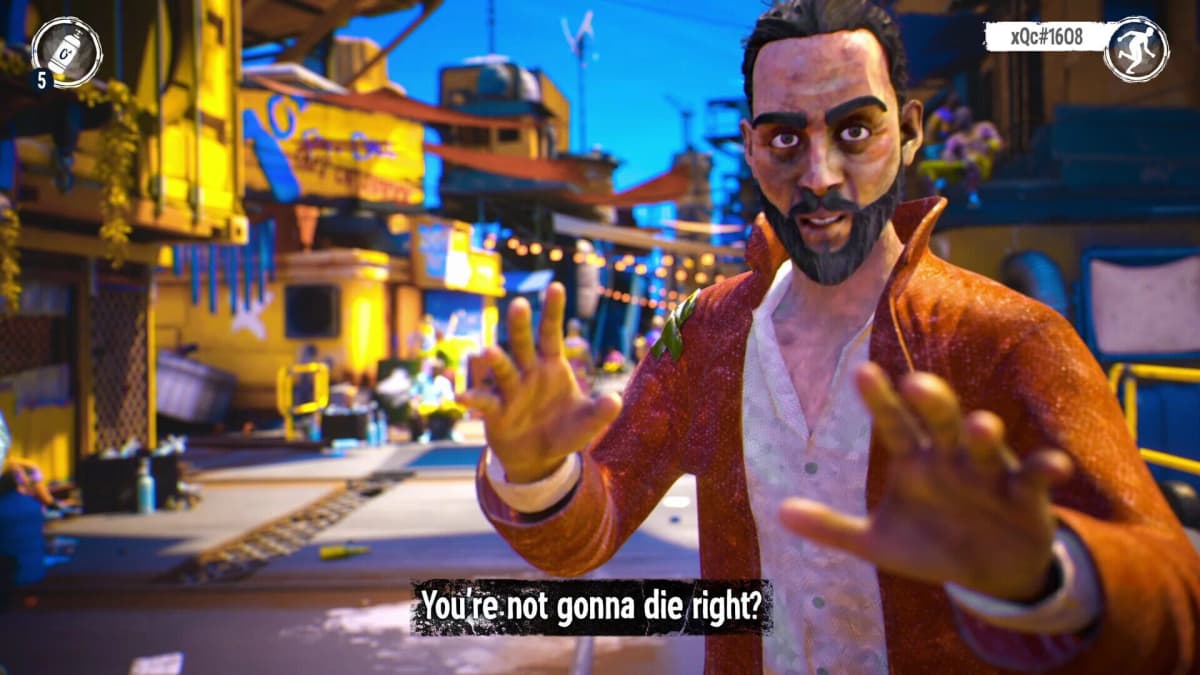
That does not appear to be the play here. Story-Link is being framed as a storytelling layer, not a monetization loop. At $29.99, with launch promos focused on Twitch Drops and soundtrack releases rather than deluxe-everything chaos, the package looks refreshingly straightforward. In 2026, “straightforward” counts as a feature.
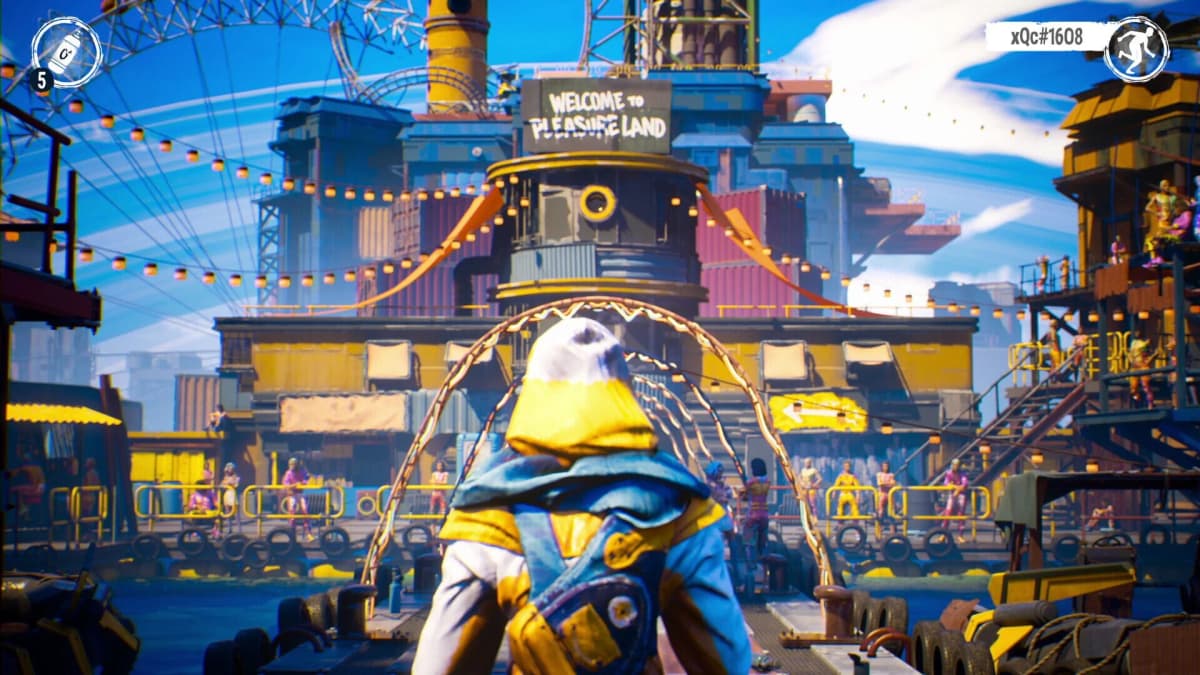
The setting helps too. The half-submerged, plasticpunk world of Elynd and the Plastemia disease threatening its inhabitants are at least visually distinct from the usual gray post-collapse soup. Distinct art direction won’t save a weak narrative system, but it does make the game easier to remember in a crowded release calendar. And for a mid-priced narrative title, memorability is half the battle.
Why this launch could matter beyond one indie release
If Tides of Tomorrow works, it gives other narrative-focused studios a blueprint they’re definitely going to study. Not copy wholesale, because asynchronous story inheritance is harder to fake than a morality meter, but study. There’s a reason so many studios keep circling “shared experience” design without fully committing. Gamers like swapping stories, but making those stories mechanically interdependent without turning the whole thing into co-op is tricky.
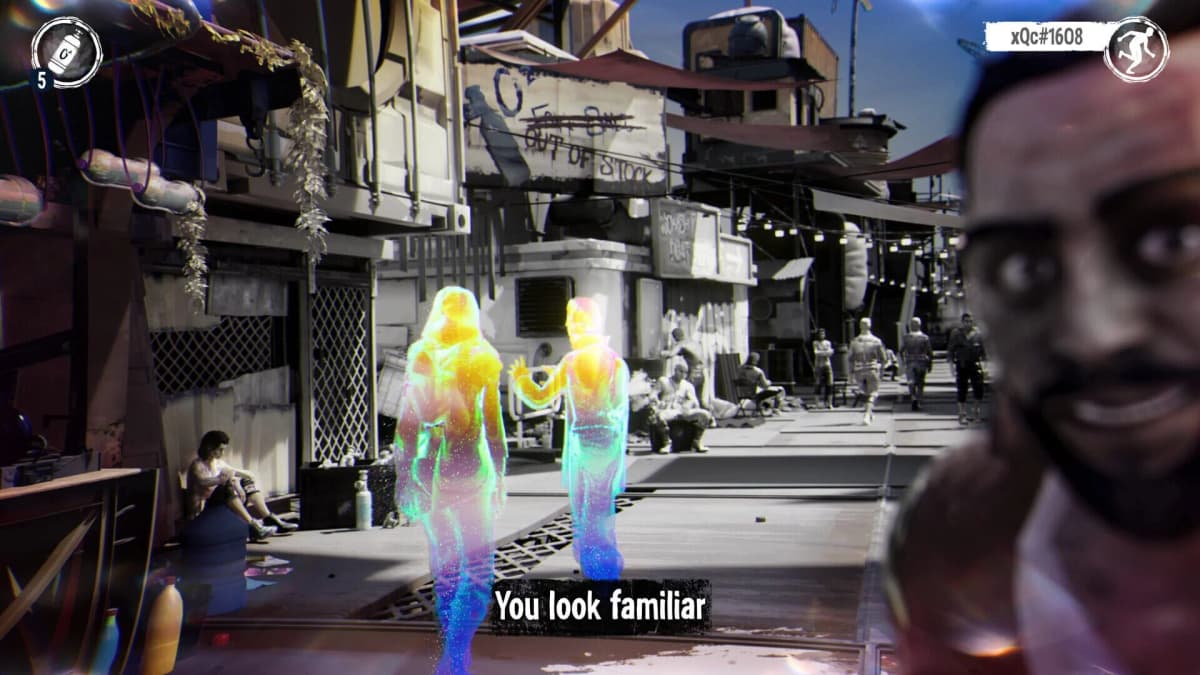
That’s why this launch is more than another indie release hitting storefronts. It’s a live test of whether narrative games can borrow the persistence and player-to-player influence of multiplayer design without losing authored pacing. If it lands, expect imitators. If it doesn’t, expect the industry to retreat right back to safer, faker forms of choice.
What to watch next
- Whether players start sharing substantially different Story-Link outcomes over the next one to two weeks, not just different screenshots of the same scenes.
- How strong the word of mouth is after the launch window, once the novelty of “your story connects to others” stops carrying the conversation by itself.
- Whether the Twitch Drops campaign through May 11 actually helps discoverability or just adds launch-week noise.
- Whether DigixArt clarifies the depth of replay variation and how much one linked run can alter another in practice.
The practical read is simple: if you like narrative adventures and want something that is at least trying to move the formula forward, this is one to keep on your radar immediately, not six months later in a forgotten sale bin. If you’re more skeptical, the smart move is to watch a few post-launch impressions specifically focused on Story-Link variation. That system is the product here. Everything else is packaging.
TL;DR
Tides of Tomorrow launched April 22 on PC, PS5, and Xbox Series X|S for $29.99, built around an asynchronous Online Story-Link system that carries another player’s decisions into your run. That matters because DigixArt is trying to do something most narrative games only pretend to do: make player choice feel socially persistent instead of privately cosmetic. The next thing worth watching is whether players report truly divergent mid- and late-game consequences, because that decides whether Story-Link is a breakthrough or just a very good pitch.
FinalBoss // Gear
Level up your setup
01Top-rated gaming headsetson Amazon→02High-refresh gaming monitorson Amazon→03Gaming chairson Amazon→04Discounted game keyson Kinguin→Affiliate links · As an Amazon Associate, FinalBoss earns from qualifying purchases.
Want to Level Up Your Gaming?
Get access to exclusive strategies, hidden tips, and pro-level insights that we don't share publicly.
Ultimate Editor's Pick Strategy Guide + Weekly Pro Tips