
Time Snatcher Handy puts time-stop bullet‑hell in a $9 indie package
Game intel
Time Snatcher Handy
The universe's greatest cat burglar? The ultimate phantom thief across dimensions? Nah... Time Snatcher Handy, that's me! A time-stop bullet-hell action roguel…
Why this announcement actually matters
This caught my attention because Time Snatcher Handy isn’t just another pixel roguelike – it grafts a literal time-stop mechanic onto fast, pattern-heavy bullet‑hell gameplay and then makes “time” the scarce resource you need to steal from enemies. For $9 at launch (with a short discount) you get a tight, risky loop that could click with speedrunners, roguelike fans and anyone who enjoys clever mechanical twists rather than purely visual nostalgia.
- Unique hook: freeze time to reposition and ambush in a bullet‑hell roguelike.
- Demo updated and available; launch sale for two weeks makes this a low-risk buy.
- Developer buzz: Steam Next Fest presence, BIC nomination, and a Grand Prize at a national content awards.
- Watchpoints: resource balance (Time), platform exposure beyond Korea, and a couple of oddities in the specs/pricing copy.
Breaking down the announcement
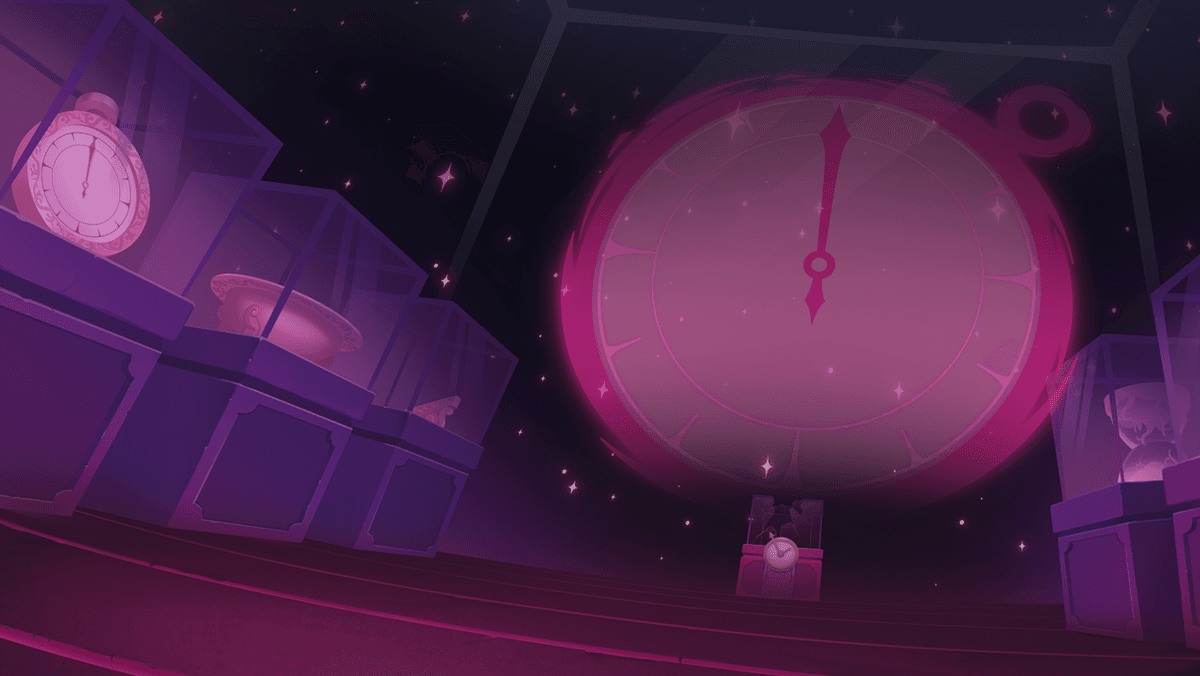
CometSoft and Korean indie developer Clockwork Cat announced Time Snatcher Handy launching on Windows via Steam and STOVE on November 27, 2025. The game stars Handy, a catlike phantom thief who stole the Clock Hand from a Time Museum and uses it to stop time – letting you slip through deadly bullet patterns, ambush guards and steal “Time,” which doubles as currency and fuel for your abilities.
There’s already momentum: the game was part of Steam Next Fest, picked up a Rising Star nod at Busan Indie Connect Festival, and won a Grand Prize at the Unicorn Awards. Those festival stops matter because they’re where small, mechanically interesting projects get noticed by press and creators who care about design over spectacle.
Why this matters now
The indie scene is saturated with retro pixel art, but not all of them try to twist core mechanics in a way that forces new playstyles. Time Snatcher’s core risk/reward – spending limited Time to freeze bullets, buying items with Time, and regaining it through combat — promises tactical decisions rather than just twitch reflex. That’s the sort of design that rewards experimentation and build variety, which is what keeps roguelikes playable beyond the first run.
And the timing is smart: small, quick-hit indies are getting another cycle of attention from streamers looking for something that looks good on camera and rewards improvisation. A time-stop mechanic creates those cinematic moments where you freeze a screen full of bullets, reposition and unleash a surprise attack — very shareable clips.
The gamer’s perspective — what to like, what to watch
What I like: clear design identity, modest price point (launch sale), and a demo that’s already been updated with extra story, stages and items. Localization in five languages suggests the developer wants this to be global, not just a regional curiosity.

What I’m skeptical about: the press materials have small inconsistencies — the main copy lists an $8.99 launch price while a product sheet shows $9.99, and the minimum specs mix modern and oddly old hardware names (a Core Ultra 5 alongside GeForce 900 Series). Those aren’t deal breakers but they indicate sloppy messaging; ideally a polished indie should at least get the basics right on store pages.
Mechanically, the biggest risk is balance. If Time is too easy to stockpile, the core tension collapses; if it’s too stingy, the game will feel punitive rather than strategic. My hope is that Clockwork Cat’s demo iteration (updated in September) tightened those loops — demos matter for this kind of game because the feel is everything.

Want to Level Up Your Gaming?
Get access to exclusive strategies, hidden tips, and pro-level insights that we don't share publicly.
Ultimate Gaming Strategy Guide + Weekly Pro Tips
Industry context and CometSoft’s role
CometSoft positioning this on both Steam and STOVE is telling. STOVE gives Korean indies a stronger local platform, while Steam is where global discoverability lives. The INDIE Live Expo showcase (Nov 29) is another visibility boost; these coordinated showcase appearances are probably why the game picked up award buzz. For indie devs, festival momentum plus a playable demo and a cheap launch price is a reliable path to finding an audience.
TL;DR
Time Snatcher Handy looks like a clever little roguelike with a genuine mechanical twist and low financial risk to try — demo available, two‑week launch sale, and festival buzz. If you like bullet‑hell that rewards thinking as much as twitching, add the demo to your playlist and watch how the game balances its “Time” economy before you commit.