
Table of Contents (6)
Why this shutdown actually matters (and why the headline needs fixing)
This caught my attention because a studio led by a high-profile dev – former Assassin’s Creed creative director Ashraf Ismail – collapsing without a shipped game is the sort of industry outcome that signals more than one bad quarter. Reports on 20 February said TiMi Montréal closed after five years; staff LinkedIn posts and reporting from Game File confirm the team was shuttered. But one important correction: TiMi Montréal was part of Tencent’s TiMi Studio Group, not NetEase. That factual mix-up matters because the closure is part of a larger pattern of Chinese publishers retrenching from Western studios, not a single isolated failure.
- Staff LinkedIn posts and reporting confirmed TiMi Montréal’s shutdown around 20 Feb 2026.
- TiMi Montréal was a TiMi/Tencent studio; multiple outlets misattributed the closure to NetEase.
- The closure fits a recent run of Western studio cutbacks by large Chinese publishers, including NetEase’s own layoffs and studio exits.
Breaking down what happened
TiMi Montréal launched publicly in July 2021 with ambitions to build AAA open-world, multi-platform games and mobile spin-offs. Over five years the studio never released a title that bore its name; sources and employee posts indicate the team was wound down and staff moved on, with at least one programmer posting about being “heartbroken” at projects that never saw the light of day. Game File and other outlets reported the closure after weeks of rumors; TiMi/Tencent declined to comment when asked.
Where coverage went off the rails was ownership. Multiple summaries folded TiMi Montréal into the broader story about NetEase’s Western retrenchment, which is easy to do given how intertwined Chinese investment in Western games has been over the last half-decade. But TiMi is Tencent’s unit – the mistake is more than nitpicking because it collapses two distinct corporate stories into one.
Why this is part of a pattern, not a one-off
The broader trend is clear: after a pandemic-era expansion push from 2020-2022, major Chinese publishers poured money into Western studios hoping to incubate console-style and AAA experiences. Over the last 18 months that appetite has cooled. NetEase has its own slate of Western retrenchments — QA layoffs at NetEase Montréal were reported in January 2026, the Montréal-based Bad Brain Game Studios was closed in late 2025, and small internal teams like Spliced Inc have seen job cuts or cancellations. Tencent meanwhile has also been reshaping how it supports Western partners. The result is less capital for long-term AAA bets and more emphasis on proven mobile franchises, live service returns, or simply selling studios off.
What this means for players and developers
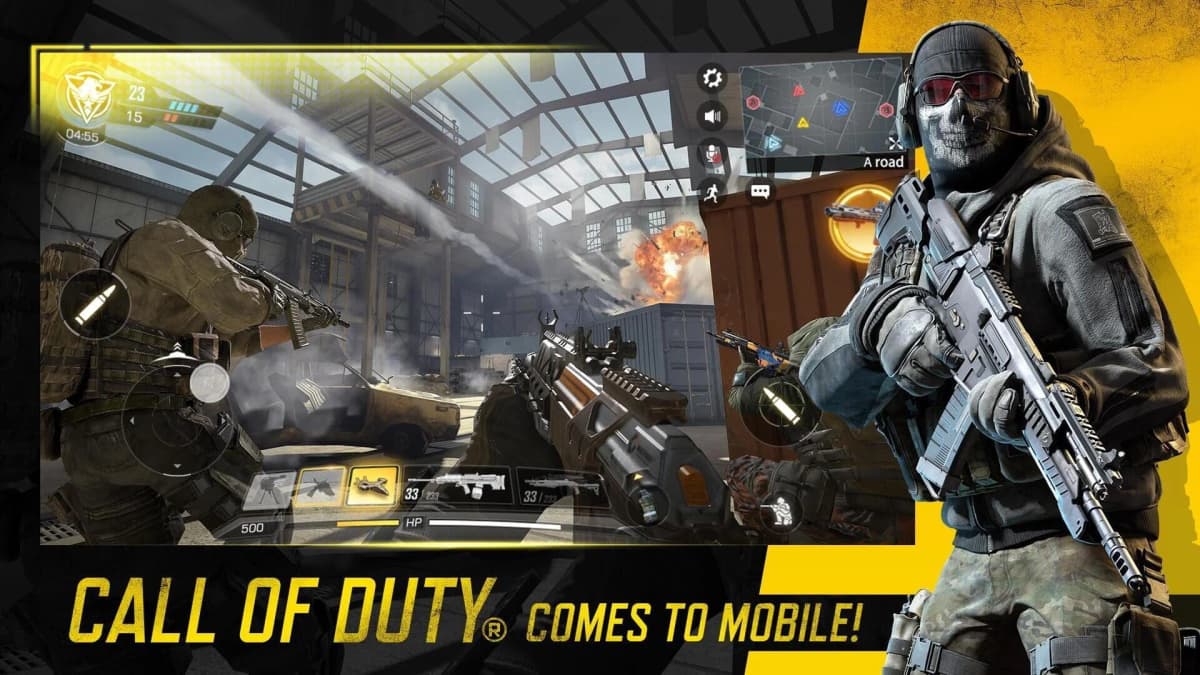
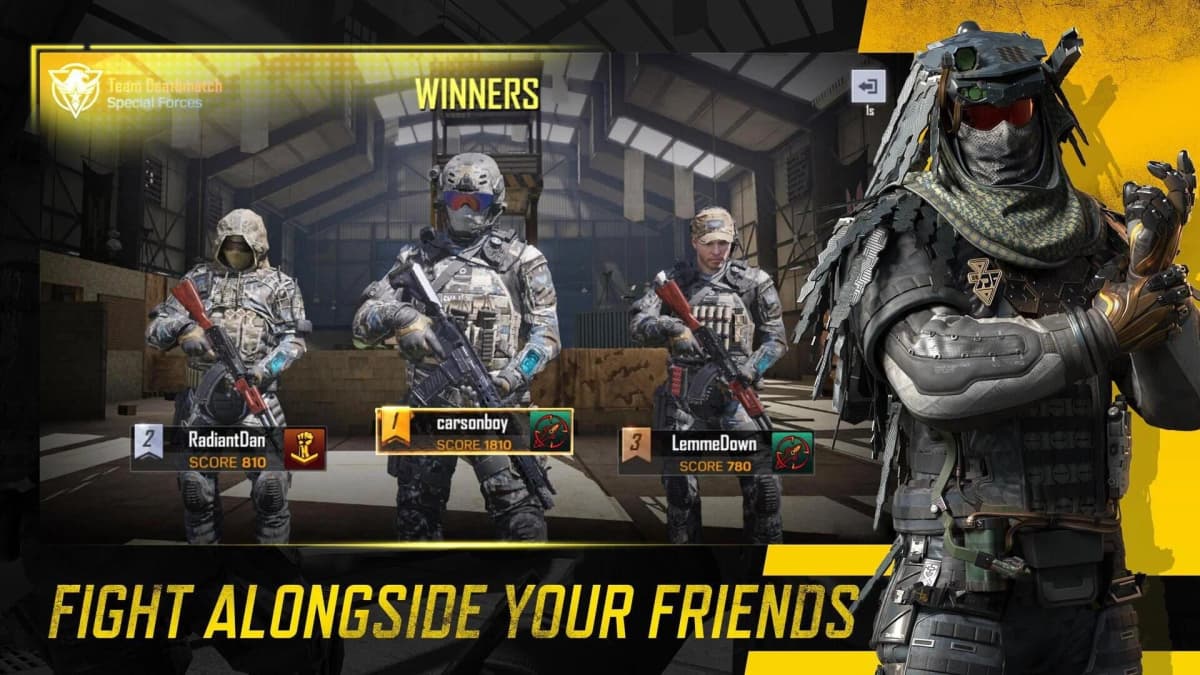
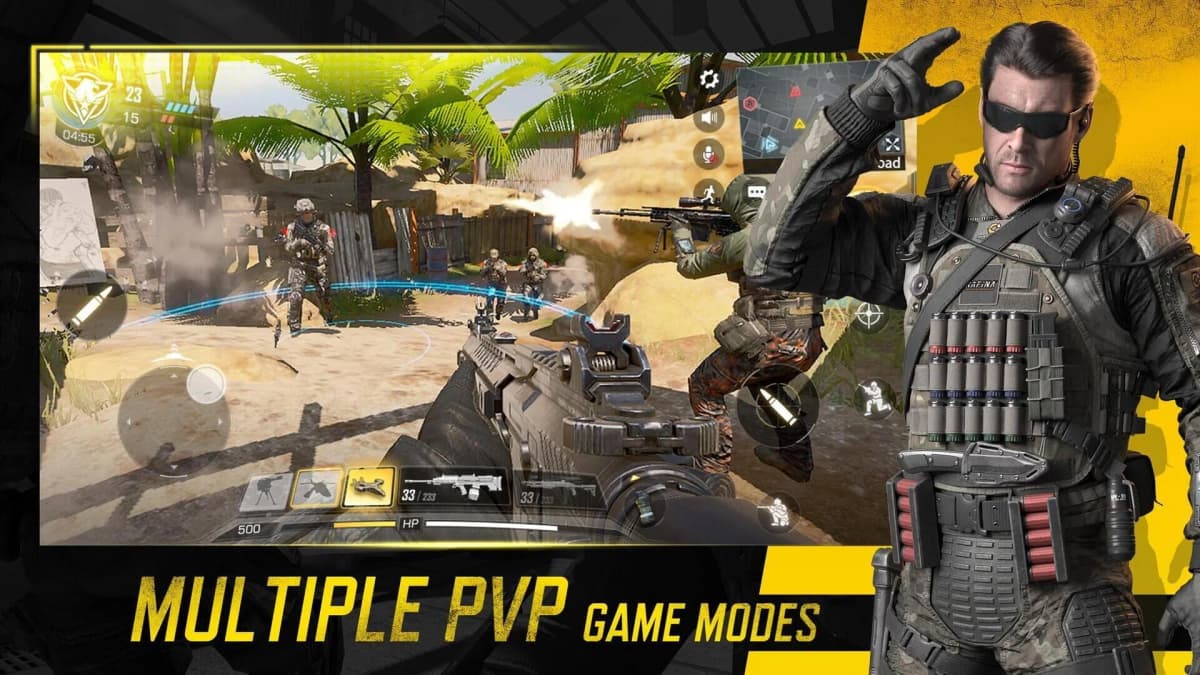
For gamers, the obvious worry is that ambitious new AAA experiments launched by Western arms of Chinese publishers may never materialize. TiMi Montréal’s stated focus on open-world, multi-platform titles is the kind of risky, expensive project that gets cut first when corporate priorities shift. Mobile players should know that TiMi’s reputation is tied to massive successes like Call of Duty: Mobile under TiMi Studio Group — but there’s no evidence this specific closure will affect live mobile titles right now. Forums and community channels around CoD: Mobile and Pokémon Unite have so far focused on game updates, not studio news.
For developers, the trend means more uncertainty when taking roles at studios funded by overseas publishers. LinkedIn posts suggest employees at affected teams often see shutdown signs weeks before public announcements. Severance, rehiring support, and whether teams spin out as indie groups will be the practical follow-ups to watch.
What to watch next
- Any official statement from Tencent/TiMi clarifying why TiMi Montréal closed and what will happen to staff.
- LinkedIn or public posts from Ashraf Ismail and former TiMi Montréal staff for context on projects and next steps.
- NetEase’s Q1 2026 earnings and commentary for details on Western restructures and potential sales of assets.
- Community reaction in CoD: Mobile and Pokémon Unite spaces if corporate reshuffles start affecting live services.
TL;DR
TiMi Montréal has closed after five years, confirmed via staff posts and reporting, but it was a Tencent/TiMi studio — not NetEase. The shutdown fits a wider pullback by big Chinese publishers from risky Western AAA projects, a trend that will matter for ambitious new games and developers seeking stability at funded Western studios.
FinalBoss // Gear
Level up your setup
01Top-rated gaming headsetson Amazon→02High-refresh gaming monitorson Amazon→03Gaming chairson Amazon→04Discounted game keyson Kinguin→Affiliate links · As an Amazon Associate, FinalBoss earns from qualifying purchases.
Want to Level Up Your Gaming?
Get access to exclusive strategies, hidden tips, and pro-level insights that we don't share publicly.
Ultimate Gaming Strategy Guide + Weekly Pro Tips