
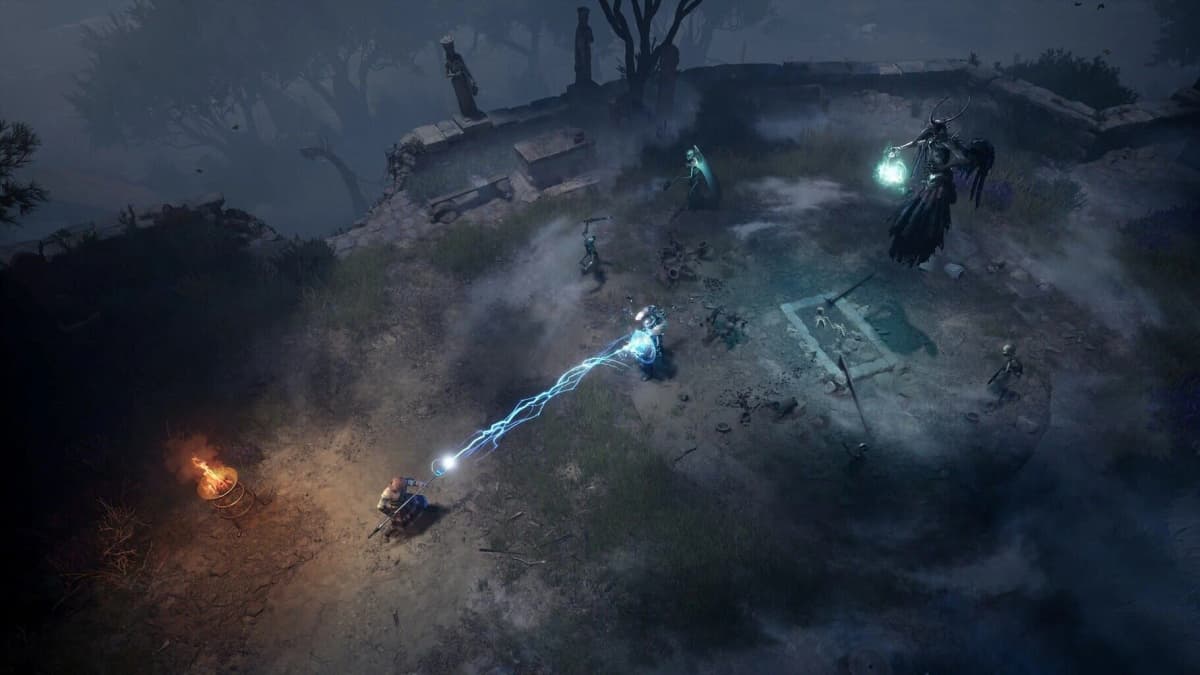
Titan Quest II Early Access Roadmap: Mythic Hype or Epic Letdown?
Game intel
Titan Quest II
Nemesis, Goddess of Retribution, is out of control. She is corrupting the Threads of Fate and punishing all those who oppose her. Take up your weapon, fight al…
Introduction
As a longtime ARPG devotee, I was thrilled when Grimlore Games dropped its two-year Early Access roadmap for Titan Quest II on Steam. Dazzling trailers and grand promises can sometimes fade into silence, though. With the original Titan Quest still one of my favorite mythic adventures, I’m torn: will this sequel live up to its heritage and ship on time, or end up another half-finished promise?
What’s on the Roadmap
Grimlore’s plan stretches from mid-2025 to late-2026, broken into six key pillars. Here’s what they’ve got lined up:
- Quarterly Campaign Updates: Every three months sees a new chapter, fresh enemies like Gorgons and fire-breathing drakes, expanded zones such as the Gates of Hades, and seasonal Olympian trials or hellish invasions.
- Mastery Path Expansions: Beyond the initial classes, unlock hybrid specializations—think archer-mystics unleashing elemental arrows or necromancer-berserkers leading bone-crushing hordes. Each path promises 15–20 hours of extra replayability.
- Character Editor & Mod Support: Early on, an in-depth appearance and stat editor launches, followed by official Steam Workshop tools. Expect community quests, monster packs, and custom gear sets to flood in.
- Full Launch & Console Ports: Version 1.0 targets late 2026 on PC, with Xbox and PlayStation versions within six months. Cross-save and cross-play are unconfirmed but remain top requests.
- Multiplayer Preview: Co-op is live but rough—queue times spike and rubber-banding shows in big battles. Grimlore plans network optimizations, in-game voice chat, a party finder, and clan systems in upcoming updates.
- Deferred Mount System: Mounts were hinted at launch but aren’t due until 2026. Until then, exploration stays on foot, which may feel slow in sprawling biomes.
Beyond these pillars, keep an eye on how transparent the patch notes are, the cadence of developer blogs, and how quickly bug reports get addressed. In live-service ARPGs, trust often hinges on clear communication as much as smooth gameplay.
Pitfalls of Early Access
Early Access can let players shape development, but it can also highlight rough edges that linger. Compare Path of Exile’s near-daily dev logs and seasonal leagues that turned each update into a festival, versus titles like Wolcen: Lords of Mayhem and Torchlight III, which launched with fanfare only to slip into long silences and half-baked systems.
Watch for warning signs:
- Shifting Timelines: Roadmaps that keep moving without clear explanations.
- Feature Creep: Cosmetic add-ons or minor stat tweaks overshadowing core content delivery.
- Weak Communication: Rare or defensive developer posts that leave questions unanswered.
- Minimal Patch Notes: Vague “bug fix” entries that don’t explain what was resolved.
If Grimlore can avoid these traps, Titan Quest II’s Early Access could stay on track—but consistency is key.
Industry Context & Core Gameplay
The original Titan Quest set the bar in 2006 with handcrafted mythological zones across Greece, Egypt, and the Far East. Titan Quest II honors that legacy while introducing bold new systems:
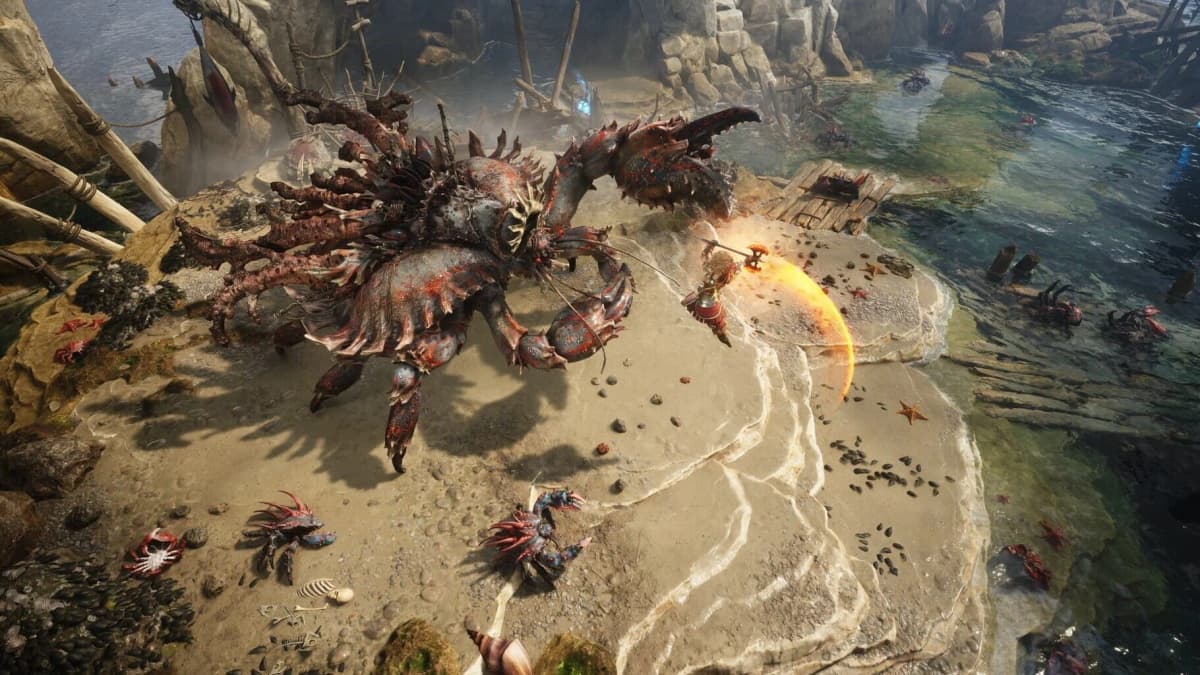
- Meta-Attribute System: Base stats like Might, Knowledge, and Agility now feed into higher-order metrics. For example, combining Might and Knowledge bolsters “Resolve,” boosting fire and pull damage, while Agility influences lightning, poison, and physical offense.
- Skill Modifiers: Gear affixes can reshape your abilities—imagine a sword whose “Piercing Thrust” arcs chain lightning or a shield that reflects poison damage back at foes.
- Wave-Based Combat Challenges: Face escalating waves of mythic beasts in an arena mode designed to test adaptability. Top performers earn exclusive cosmetics and rare crafting materials.
- Community-Driven Tuning: Grimlore promises visible tweaks based on feedback—loot drop polls, AI adjustments for Harpy screech packs, and balance streams on Twitch.
This blend of handcrafted atmosphere, hybrid build freedom, and competitive challenge could redefine ARPG standards—if the systems land polished and balanced.
Want to Level Up Your Gaming?
Get access to exclusive strategies, hidden tips, and pro-level insights that we don't share publicly.
Ultimate Gaming Strategy Guide + Weekly Pro Tips
Key Markers of a Healthy Early Access
Before diving in, look for these signs that Titan Quest II is progressing well:
- Regular Patch Cadence: Ideally weekly minor patches and quarterly major content drops.
- Context-Rich Patch Notes: Detailed explanations like “Increased Gorgon stun to 1.5s to heighten ambush danger.”
- Active Community Engagement: Dev streams, open test servers, and regular AMAs on Discord or Reddit.
- Performance Gains: Noticeable frame rate improvements, faster load times, and reduced memory use each patch.
- Mod Ecosystem Growth: Early Workshop uploads—map tweaks, new skins, balance mods—showcase a vibrant pipeline.
Gamer’s Perspective: Jump In or Wait?
Early Access is priced at $29.99 (full launch jumps to $49.99) and already offers handcrafted Greek-myth levels, the meta-attribute system, and solid ARPG combat loops. But expect:
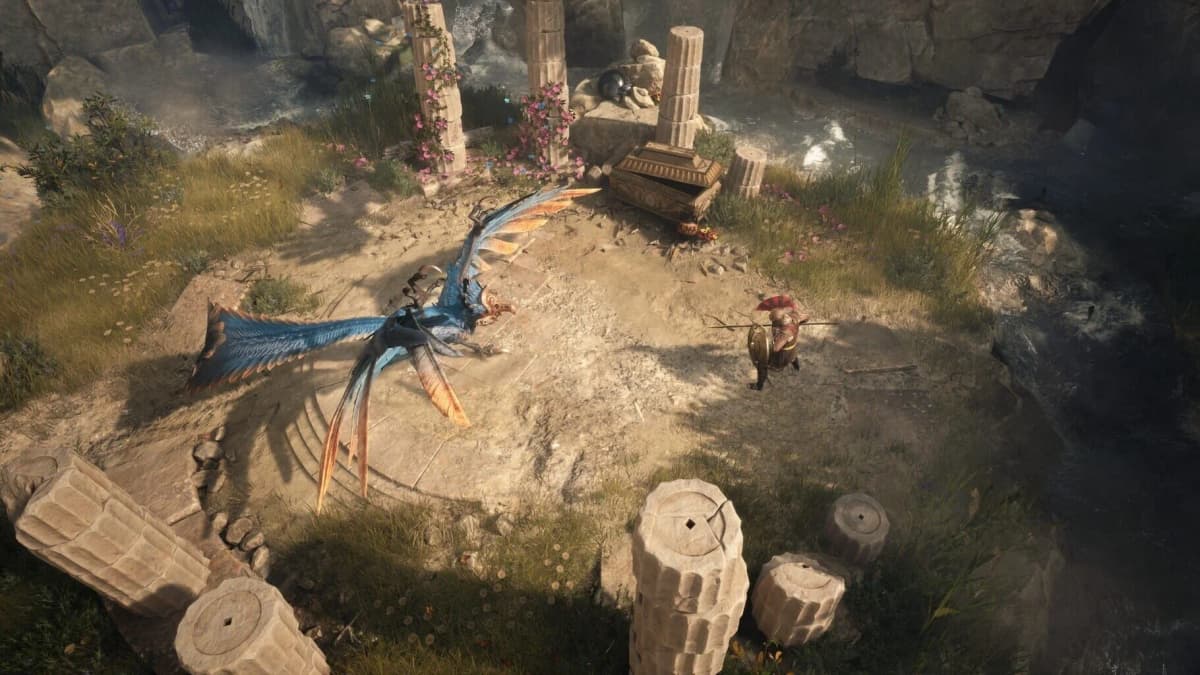
- Placeholder textures and unfinished UI elements
- Recurring bugs—pathfinding glitches or skills that don’t trigger
- Missing roadmap features—like delayed mounts
If you crave a polished, end-to-end experience, waiting for version 1.0 is smart. But if you thrive on shaping an ARPG’s evolution—fine-tuning hybrid builds, voting on balance, and riding each update’s excitement—Early Access could become your next obsession.
Conclusion
Grimlore’s two-year Early Access roadmap for Titan Quest II is a bold gesture of transparency, hitting many high notes from meta-attributes to community-driven patches. Yet, grand plans only matter if execution stays consistent. Enjoy the journey, stay vigilant—track those patch notes, engage in the forums, and watch for red flags. Deliver on the promise, and Titan Quest II might forge an epic myth of its own; fall short, and it risks joining the ranks of unfinished ARPG sagas.