
Titan Quest II: Mythic Mastery or Nostalgic Mirage?
Sneakers squealing across marble ruins, lightning crackling around your blades—my hack’n’slash heart was all in when Titan Quest II launched into Early Access this August on PC. Having razed centaur camps and looted sun-baked temples in the original 2006 release, I dove in eager to see if this sequel recaptures that treasure-hunting magic or falls flat under its own ambition.
First Impressions
- Immersive Setting: From sunlit olive groves to the shadowy depths of the Moirai realm, Titan Quest II’s Greek landscapes finally feel as epic as they promise. The game extends exploration beyond the Aegean coast into mysterious new realms tied to the Fates themselves—an enticing twist for lore buffs.
- Developer & Timeline: Developed by Grimlore Games and published by THQ Nordic, this sequel entered PC Early Access in August 2025. Console editions for PS5 and Xbox Series X/S are slated to launch after the PC build matures.
- Faithful but Fresh: The core of the original—mythical creatures, hack’n’slash combat, and dual mastery—remains intact. Yet you can already spot modern refinements like more dynamic enemy spawns and reworked loot tables designed to keep builds feeling powerful at every level.
World and Story Context
The original Titan Quest from 2006, crafted by Iron Lore Entertainment, won fans over with its seamless Greek mythology setting, smooth progression, and the then-innovative dual mastery system. Grimlore’s mission for this sequel is clear: preserve the nostalgic charm while updating visuals, audio, and gameplay flow for today’s audience. Early Access currently covers Acts I and II, taking you from the sun-drenched Peloponnese to the underworld halls patrolled by Moirai sentinels. As more chapters unlock, expect further mythic set pieces—rumors point to excursions through Nemean caves and Hector’s war-torn fields.
Visual and Audio Overhaul
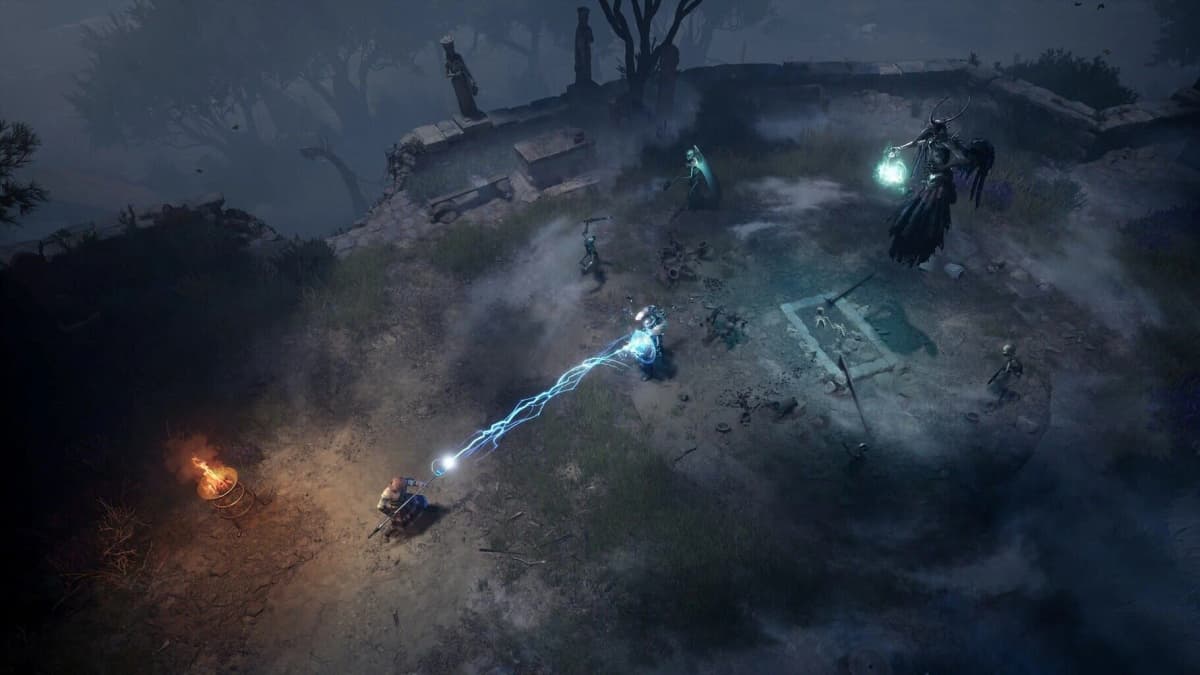
Art direction is where Titan Quest II shines brightest. Ancient ruins gleam with fresh detail, from crumbling Doric columns to moss-laden mosaics. Lighting effects—especially fire and lightning spells—feel weighty and tactile. Ambient tracks blend lyre strings with war drums, immersing you in a world that’s both familiar and grander than its predecessor. Voiceovers are limited so far, but the epic narration that does exist sets the right tone. Expect more ambient chatter, boss quips, and possibly fully recorded dialogue in later builds.
Dual Mastery System Demystified
If you’re unfamiliar with the dual mastery concept, here’s the gist: you choose two out of six distinct skill trees—War, Rogue, Druid, Lightning, Earth, or Nature—and funnel points into each. This layered synergy system lets you engineer builds like a tanky War+Earth gladiator who slams shields and shatters terrain, or a Druid+Rogue archer who blends stealth with nature magic to freeze foes in their tracks. Early Access already offers deep theorycrafting potential: mixing Lightning’s chain bolts with Earth’s seismic bursts delivers jaw-dropping combos without feeling overpowered.
Character Customization and UI
Here’s where Titan Quest II stumbles. The current character creator provides only a handful of presets and basic sliders for face shape, skin tone, and hair. Compared to the sculpting tools in Diablo IV or Baldur’s Gate 3, it feels stark—your hero risks looking generic in cutscenes and co-op sessions. On the interface front, menus and tooltips are English-only in Early Access, limiting accessibility for global players. Grimlore has promised additional language support and quality-of-life UI tweaks before full release, but the wait may feel long for non-English speakers.
FinalBoss // Gear
Level up your setup
01Top-rated gaming headsetson Amazon→02High-refresh gaming monitorson Amazon→03Gaming chairson Amazon→04Discounted game keyson Kinguin→Affiliate links · As an Amazon Associate, FinalBoss earns from qualifying purchases.
Combat and Enemy Variety
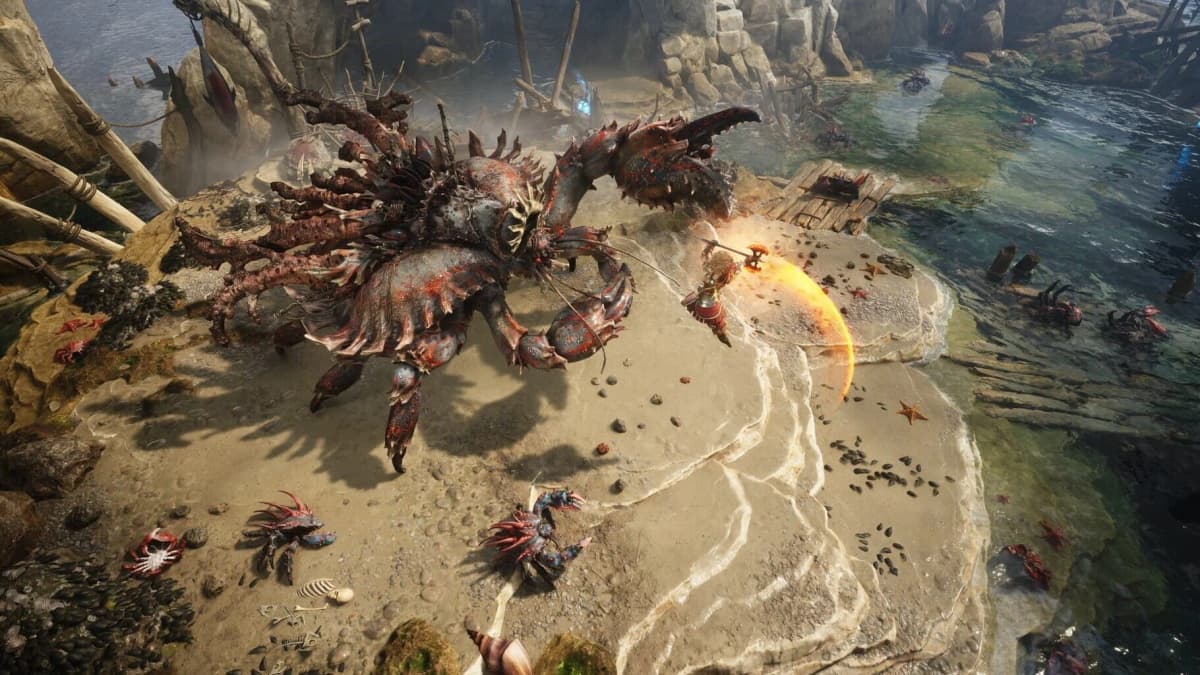
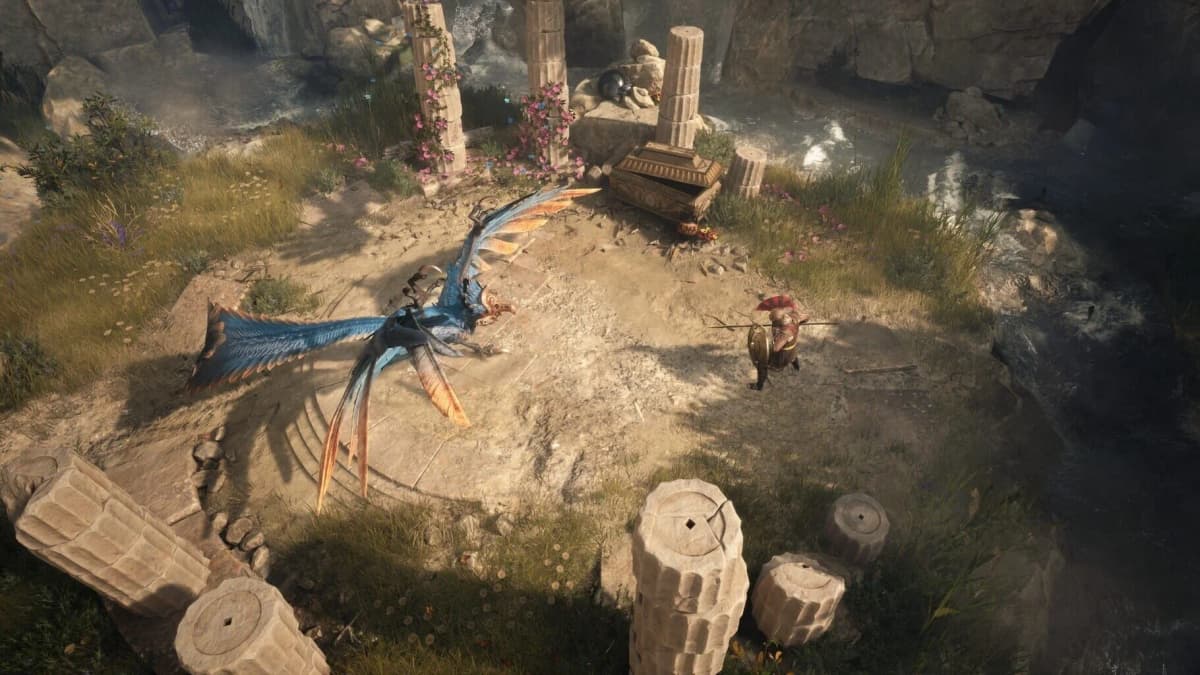
Combat in Titan Quest II retains that satisfyingly weighty hack’n’slash feel. Each sword swing and spell cast lands with meaningful impact, thanks to crisp sound design and shuddering camera feedback. Classic foes—centaurs, harpies, sirens—roam sprawling maps, while new Ichthian warriors (amphibious fighters introduced in the extended Acts) stalk coastal ruins. Boss encounters against Moirai guardians bring mythic flair: one fight pits you against spinning scourges that echo the Fates’ weaving, demanding nimble dodges and well-timed cooldowns.
Loot, Progression, and Endgame
Loot feels richer than in the original. Gear drops feature tiered rarities, socketable runemasters, and random affixes that can dramatically alter playstyles. An early Legendary helmet boosted my Nature spells’ healing by 20%, turning me into a literal walking forest sanctuary. Experience curves are well-balanced up to level 40, but how the game handles post-cap progression—mythic bosses, seasonal challenges, and endgame dungeons—remains to be fully tested. Given Titan Quest’s history of rewarding replayability, I’m optimistic about robust endgame content arriving down the line.
Multiplayer and Co-op Potential
Four-player co-op has always been a Titan Quest staple, and it’s slated to make a return here. Early Access allows you to group up, but stability and loot-sharing rules are still in flux. I encountered minor desync hiccups when teaming with friends, and how experience scales for parties of varying sizes isn’t yet transparent. However, the promise of tackling epic boss fights with a built-in party chat or crossplay support on PC and, later, consoles is a major draw—if it works smoothly, it could rekindle those memorable dungeon raids of the original.
Key Takeaways
- Stunning Mythic Art: Sunlit Greek shores, overgrown temples, and eerie underworld vistas pop with vivid color and intricate detail—every corner feels handcrafted.
- Theorycrafters’ Dream: The dual mastery system remains deep and rewarding. Pairing Lightning+Earth yields epic chain-lightning quakes, while Rogue+Druid builds deliver stealthy, frost-based burst damage.
- Hero Creation Falls Short: Basic presets and sliders limit personalization. Forging a truly unique avatar would deepen emotional investment throughout your journey.
- Multiplayer on the Horizon: Four-player co-op reopens doors to legendary dungeon runs. Current desyncs and unclear scaling need ironing out, but the framework shows promise.