
Titan Quest II is adding the Forge mastery—mid‑fight gear buffs and traps sound great, but can it
Game intel
Titan Quest II
Nemesis, Goddess of Retribution, is out of control. She is corrupting the Threads of Fate and punishing all those who oppose her. Take up your weapon, fight al…
Forge could actually change how you play Titan Quest II
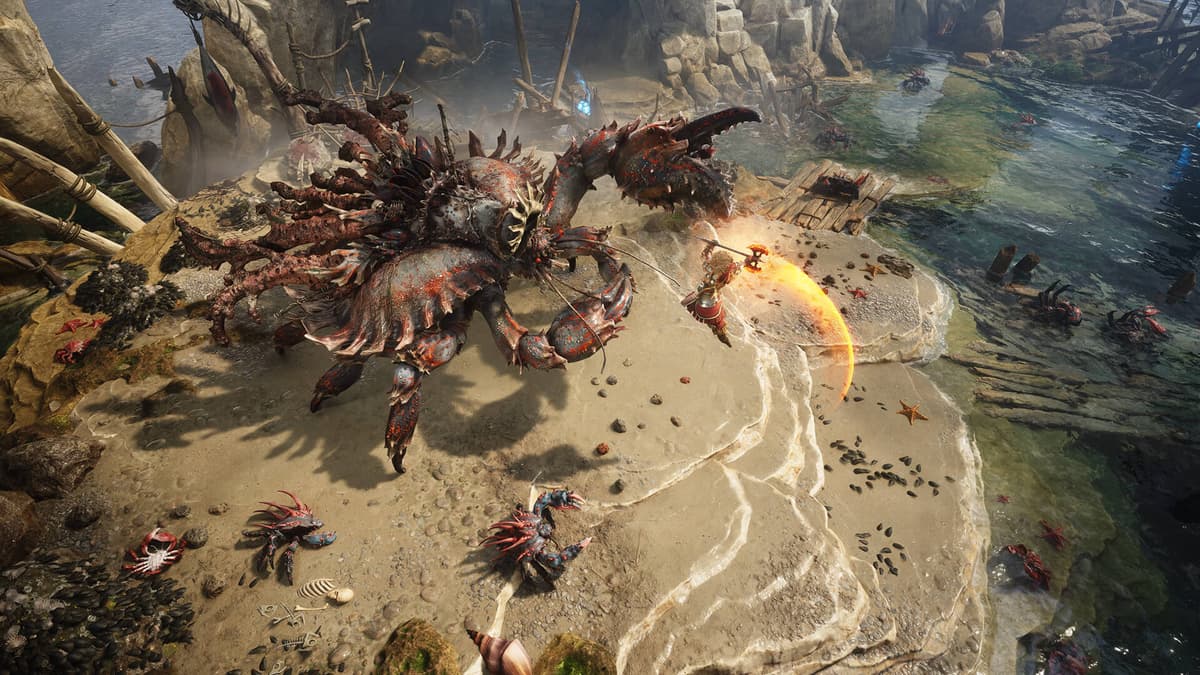
This caught my attention because it’s not just “more skills.” THQ Nordic’s new Forge mastery for Titan Quest II introduces mid-fight equipment upgrades and deployable devices-think blade traps and lures that yank mobs into danger zones. For an ARPG built on dual masteries, that’s a real shift in moment-to-moment combat, not just another damage steroid. It’s coming to the game’s PC Early Access, which is currently available on Steam and Epic for $34.99 / €34.99.
Key Takeaways
- Forge adds on-the-fly gear empowerment and passive procs (like damage reflection) you can apply in combat.
- Deployable devices (blade traps, lures/pulls) bring genuine battlefield control to an ARPG that historically leaned on weapon skills and spell nukes.
- Elemental infusion enables synergy builds-e.g., electrifying traps via Storm-expanding the hybrid space.
- Dual-mastery math jumps from 6 combos to 10 with Forge, meaning new archetypes without needing a full expansion.
- Big question: will these new tools be smooth and impactful—or devolve into micro-managing buff timers and clunky device placement?
Breaking down Forge: the real story behind the gadgets
Titan Quest has always lived or died on its mastery combinations. Fans remember the original game’s Rogue Traps cheese and the joy of discovering janky-but-brilliant hybrids. Forge taps back into that tinkerer fantasy, but with a Hephaistos spin: empowering your gear in the thick of a fight and dropping contraptions that control space.
The headline features sound strong. “Strengthen your armor or weapons during battle” reads like short-duration power windows: reflect procs against elite packs, or emergency armor plating to survive an unexpected crit chain. The deployables—blade traps plus a lure that can draw or bait—hint at Diablo-style crowd manipulation without needing a full summoner kit. And because devices can be infused with elements, theorycrafters instantly get hooks: Storm + Forge to electrify traps for shock-style burst; Earth + Forge for molten blades and burn zones; Rogue + Forge to stack bleeds/poison on a pulled clump; Warfare + Forge for a brutal “set the trap, pull, Whirlwind” moment.
In practice, that’s four fresh dual masteries added overnight: Forge/Warfare, Forge/Rogue, Forge/Earth, Forge/Storm. If you’ve been feeling constrained by the early EA roster, this opens the sandbox considerably without diluting the game’s identity. It’s also a smart nod to Titan Quest’s roots: devices and tinkering, but not a full pet zoo.
Why this matters now
ARPGs are having a systems moment. Last Epoch carved out space with deep crafting; Diablo 4 keeps iterating on imbuements and crowd-control loops; Path of Exile 2 is about to reframe how triggers and animations work. Titan Quest II needs a lane beyond “classic Greek Diablo.” Forge is that play: a mastery that encourages you to engineer the battlefield rather than just stack higher %damage rolls.
The early-access timing is also telling. Rolling a mastery this soon telegraphs that Grimlore (the SpellForce 3 studio behind TQ2) is comfortable iterating on core systems during EA. That’s good—SpellForce 3 got meaningfully better with post-launch patches—but it means the first few weeks of Forge could be a little wild. Expect hotfixes. Expect a trap build to overperform somewhere. Honestly, I’d be disappointed if it didn’t break something.
The gamer’s perspective: hype vs. headaches
I love the idea of mid-combat “smithing” because it adds intention to fights. Pop a reflect buff when a Minotaur winds up? Perfect. Drop a lure and pull a centaur squad into spinning blades, then detonate with Storm? Chef’s kiss. But two concerns loom:
- Micro-management creep: If Forge boils down to juggling three short-duration buffs and fiddly trap placement every pack, it risks feeling like a chore. The UX needs quick-cast device placement, clear indicators, and generous targeting cones.
- Meta warping: Pull mechanics plus reflect can trivialize certain bosses or encourage “park the trap, kite forever” gameplay. Fine in bursts, dull at scale. Balance will need to cap easy cheese without neutering the fantasy.
There’s also the technical side. Deployables multiply entities on screen, and TQ2 already has dense encounters. Performance and readability matter; if traps become visual noise or chug the frame rate during big pulls, most players will opt out regardless of power.
What players should do before Forge lands
- Bank versatile gear: Pieces with generic +% elemental, cooldown reduction, and survivability will flex across Forge hybrids.
- Plan your second mastery: If you’re Earth, you’re a pyro-engineer waiting to happen; Storm wants shock traps; Warfare turns pulls into blender moments; Rogue doubles down on bleeds/poison with positional control.
- Audit your controls: Make space for at least two device skills plus a core loop. Controller players especially should set a reliable quick-cast layout.
- Expect respecs: Whether the game charges gold or not, be ready to shuffle points. Early EA balance is a moving target.
One more plea: give us transparent tooltips. If reflect has caps or traps scale off specific stats (pet damage? flat weapon damage? elemental %?), spell it out. Titan Quest’s best moments come when players understand the math well enough to get weird with it.
Looking ahead
Forge is the right kind of Early Access addition: systemic, flavorful, and ripe for breakage. If Grimlore nails the UX and keeps a quick balance cadence, Titan Quest II gains a distinct identity separate from its mythic vibes—a game where you don’t just swing a sword, you set the stage, spring the trap, and out-engineer the gods.
TL;DR
Forge brings mid-fight gear buffs, traps, and elemental infusions to Titan Quest II, expanding dual-mastery builds from 6 to 10 combos. It could redefine combat if the UI is slick and balance doesn’t turn “engineer” into “errand boy.” Watch for early tweaks—and start hoarding gear for your storm-sparked blade gauntlet dreams.