
Table of Contents (7)
Why Titanium Court’s demo matters right now
This caught my attention because it’s rare to play a demo that rewires how you think about a familiar mechanic within the first hour. Titanium Court arrives ahead of Steam Next Fest with a demo that refuses to be called a “match‑3” game in any lazy sense – it’s a puzzle engine dressed as a tactics roguelike, and the result feels like a fresh genre handshake.
- Match‑3 as battlefield designer: Tiles aren’t just points; they shape movement, resources, and hazards.
- Emergent systems: Shops, hospitals, rivers and incendiary catapults turn simple decisions into dramatic consequences.
- Roguelike bones: Runs, resource management, and a boss at the end of a foray give the demo surprising depth.
- Handcrafted charm: AP Thomson’s art and wry writing lift the whole package beyond a mechanics demo.
Breaking down the puzzle‑tactics loop
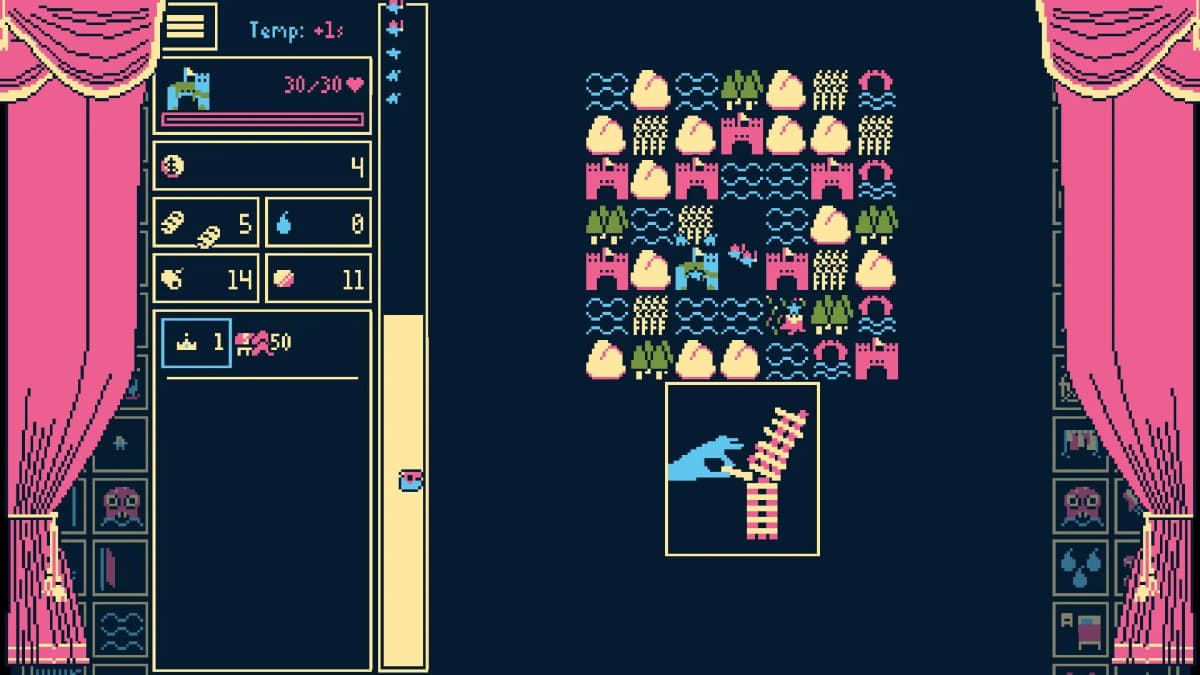
The demo splits play into two compact phases that change how you swipe tiles. High Tide is the creative part: you match to sculpt the battlefield. Matching field tiles generates food to deploy troops, mountains can funnel or slow enemies, and clearing enemy fortresses can erase threats before they act. High Tide rewards comboing and cascading matches because every extra moment of setup reshapes the coming fight.
Low Tide is where the consequences land. You spend the resources you engineered to put out troops that harvest, contest objectives, or batter gates. The delight comes from second‑order thinking: sometimes the “obvious” match is a trap because it removes a river your units need to survive, or it cuts off a shop you wanted to reach. That tension – between instant gratification and strategic patience – is where Titanium Court finds its voice.
Systems that surprise (and occasionally punish)
Within ten minutes the demo layers in gadgets that turn the board into a tiny ecosystem: shops that must be preserved to purchase troops, hospitals that heal your court, treasure chests that require keys, enemies that travel by river, and catapults that can be lit on fire — which, yes, can spread if you’re reckless. The game winks at you with possibilities that are both brilliant and cruel. I appreciated that risk; it made each run feel like a tiny narrative in which my decisions actually carried weight.
Why the writing and art matter
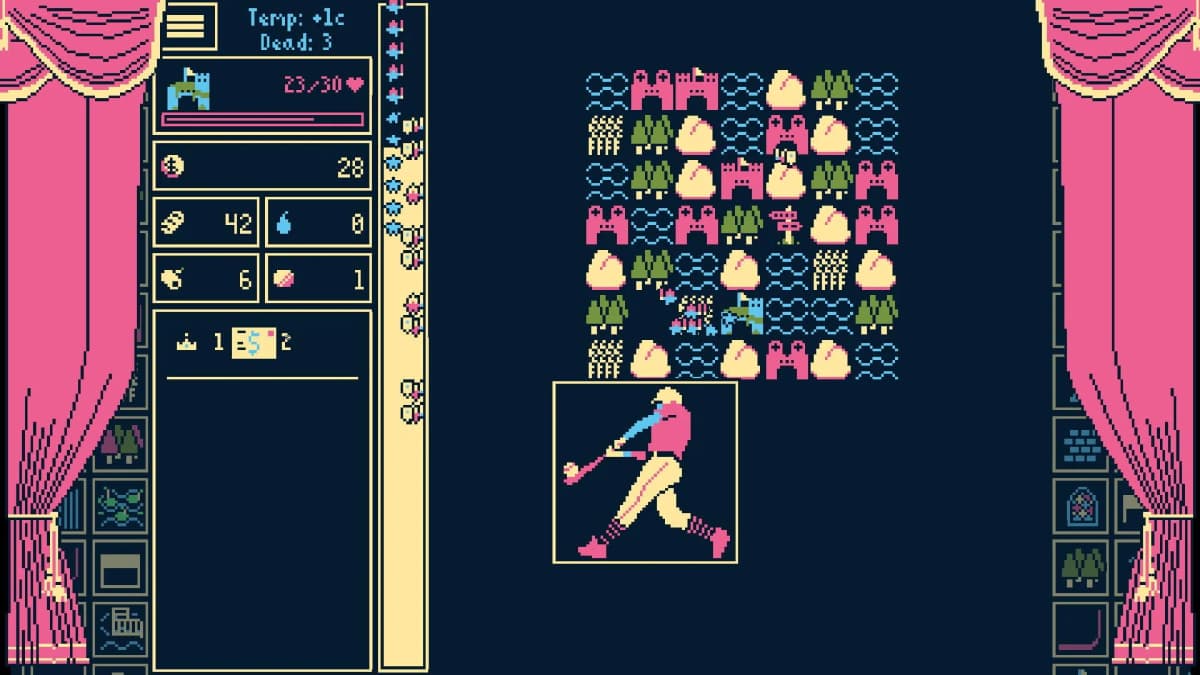
AP Thomson’s art is deceptively simple: the shapes and color choices are economical, but they carry personality. The writing is playfully meta without tipping into twee. Lines like “So okay, first you take a metaphor, and then you stretch it really thin, right?” set a tone that’s smart and slightly absurd — think Terry Pratchett doing a handoff with indie puzzling. That voice makes the roguelike loop feel like it’s happening in an interesting world, not a sterile treadmill.
Why this demo landed now
Dropping before Steam Next Fest is a smart move. Demos that show a novel mechanic — especially when they’re tight, readable, and already polished — tend to create the kind of grassroots enthusiasm that matters for an indie. Titanium Court’s IGF finalist status is visible in the craft: it’s obvious someone has a specific vision and the chops to execute it.
What to watch for in the full game
The demo sells the core idea brilliantly, but longer‑term success will hinge on how many distinct tools, enemy types, and narrative hooks the full game sustains across runs. Match‑3 loops can get repetitive if new toys don’t keep appearing, and balancing emergent combos so they’re consistently interesting but not broken is tough. If Titanium Court can keep surprising players the way the demo did, it won’t just be a clever demo — it’ll be a memorable game.
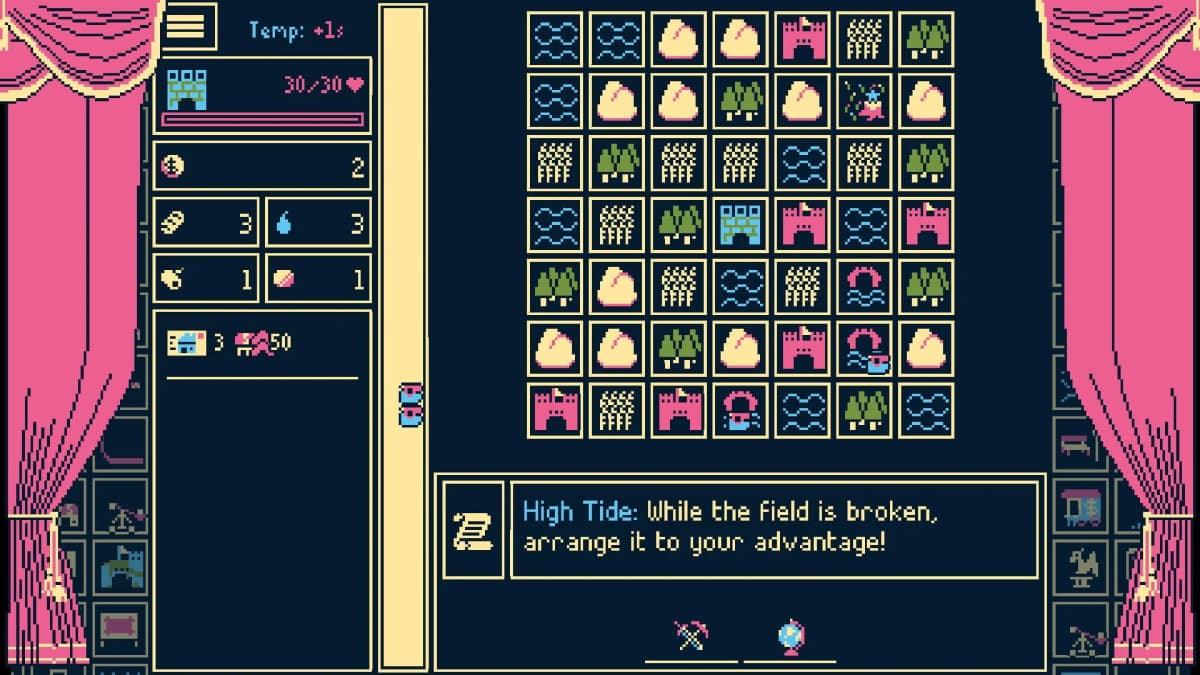
Play it on PC or Steam Deck if you can. The demo runs like a series of readable, snackable episodes that make you want another go — and then another. If the rest of the game follows this opening’s lead, Titanium Court could end up collecting awards or at least a cult of very loud, very insufferable fans. I’m already one of them.
TL;DR
Titanium Court’s pre‑festival demo turns match‑3 into a tactical roguelike with charming writing and emergent systems. It’s inventive, occasionally brutal, and absolutely worth playing during Steam Next Fest — especially if you want to see what happens when puzzle design gets treated like battlefield design.
FinalBoss // Gear
Level up your setup
01Top-rated gaming headsetson Amazon→02High-refresh gaming monitorson Amazon→03Gaming chairson Amazon→04Discounted game keyson Kinguin→Affiliate links · As an Amazon Associate, FinalBoss earns from qualifying purchases.
Want to Level Up Your Gaming?
Get access to exclusive strategies, hidden tips, and pro-level insights that we don't share publicly.
Ultimate Gaming Strategy Guide + Weekly Pro Tips