

TMNT: Empire City VR Hands-On Reveal Cuts Through the Hype
Game intel
Teenage Mutant Ninja Turtles: Empire City
A brotherhood in the shadows. A city on the brink. In the vacuum left by Shredder's demise, the Foot Clan's grip tightens on the streets you once called home.…
TMNT Finally Hits VR-And This Reveal Actually Matters
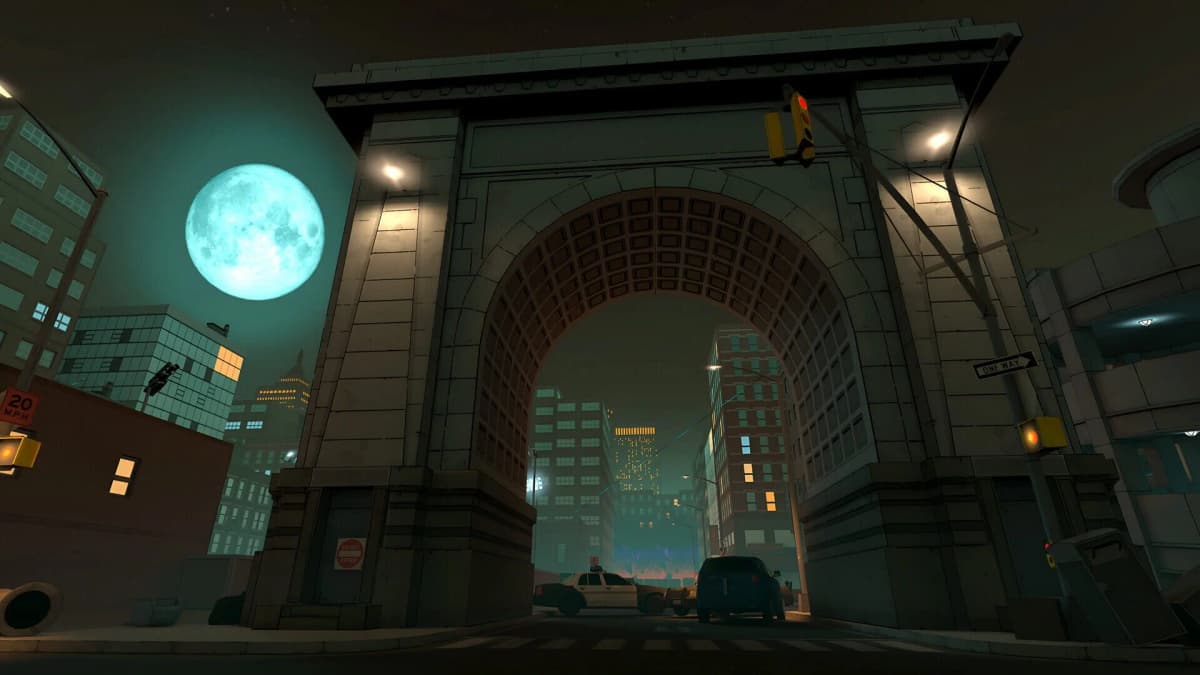
Teenage Mutant Ninja Turtles: Empire City showed gameplay at New York Comic Con, and this one caught my attention for a simple reason: VR melee is hard, but when it hits, it’s magic. We’re talking first-person ninjutsu across iconic New York neighborhoods, mixing action, stealth, and narrative. It’s the first standalone TMNT game built for home VR, set for 2026 on Meta Quest and SteamVR, with wishlists open now. NYCC panel attendees even get exclusive launch content-a very modern carrot for the fans who lined up in person.
Key Takeaways
- VR-first TMNT is a big swing: first-person katana, sai, bo staff, and nunchaku need smart physics and comfort options.
- Action, stealth, and story across NYC sounds right for the brand-execution will make or break it.
- Exclusive NYCC unlocks are fine if cosmetic; gameplay advantages at launch would be a miss.
- 2026 is a long runway—watch for real systems details, not just sizzle reels.
Breaking Down the Announcement
Beyond Frames and Cortopia Studios brought the first gameplay to NYCC, framed around being a Turtle in first person—sneaking through alleys, rooftop parkour, and punchy combat beats that lean on timing rather than mindless flailing. The pitch fits: stealth for the ninja fantasy, action for the Saturday morning spirit, and a narrative that roams through recognizable parts of New York. That’s the right triangle for TMNT in VR.
For context, Cortopia isn’t a newcomer to VR. They built hand-first spell dueling with Wands and the charming, tactile storybook puzzler Down the Rabbit Hole. Different genres, sure, but both showed an understanding of presence and interaction—exactly what you need to make Turtles feel like more than a brawler port thrown into a headset. That track record is promising.
The Real Design Challenge: Melee, Movement, and Comfort
VR melee has learned some hard lessons. Games that nail it, like Blade & Sorcery’s physics sandbox or BONELAB’s weighty interactions, reward intent and technique. Games that don’t can feel like air-drumming with foam bats. For Empire City to work, Leonardo’s katana needs clean parry windows, Raphael’s sai should thrive in close-quarters counters, Donnie’s staff has to carry reach and leverage, and Mikey’s nunchaku must balance flair with control. It’s not just animations—it’s contact, resistance, and readable enemy reactions.
Movement is the second boss fight. Rooftop traversal is VR catnip but a motion sickness minefield. Stride showed parkour can work if momentum and camera comfort tools are tuned. Assassin’s Creed Nexus proved stealth and traversal can be readable in-headset. Empire City needs multiple comfort profiles: smooth locomotion with vignettes, snap/gradual turn, optional teleport for cautious players, and climbs/jumps that communicate inertia without stomach-churning. If the game gives us that choice, the audience widens dramatically.
Stealth in VR also has real potential. Peeking around corners physically, tracking guard cones with head movement, silencing patrols with precise timing—this can sell the ninja fantasy better than any flatscreen Turtles title ever has. The trick is AI that reacts to sound and line of sight in a way players can predict, not cheap “gotcha” detections.
What This Changes for TMNT Games
Most modern TMNT hits—think Shredder’s Revenge—lean into side-scrolling brawler nostalgia, which rules on a couch but only scratches part of the fantasy. VR flips the focus to stance, distance, and improvisation. If Empire City nails first-person ninja flow, it could become the definitive “feel like a Turtle” experience the brand has never quite delivered. New York’s rooftops and backstreets are practically designed for VR peek-and-pounce play.
One big question: co-op. The Turtles are a squad, and the brand almost begs for drop-in co-op. Some coverage has hinted at it, but the NYCC beat was primarily about action, stealth, and story. If co-op is in, cross-play between Quest and Steam would be huge. If it’s not, the game’s AI companions and mission design need to carry that brotherly chaos in different ways. Until the studio spells it out, don’t assume four-player rooftop runs.
Want to Level Up Your Gaming?
Get access to exclusive strategies, hidden tips, and pro-level insights that we don't share publicly.
Ultimate Gaming Strategy Guide + Weekly Pro Tips
Hype vs. Substance: The 2026 Timeline
Launching in 2026 gives Cortopia time to iterate, but it also invites feature creep and shifting hardware targets. Quest 3 is the baseline today; by 2026, we might be talking Quest 4. Building for standalone and PC simultaneously often forces tough trade-offs: physics density, enemy counts, and environment scale. I’d rather see tight, reactive combat and smaller but interactive spaces than big empty levels. Show me consistent 90Hz and smart encounter design over flashy but brittle set pieces.

As for the NYCC-exclusive unlock: if it’s a skin or flair, cool—reward the fans who showed up. If it’s gear with gameplay perks at launch, that’s a bad precedent. VR players already juggle hardware costs; no one wants FOMO advantages baked into a ninja fantasy. Keep it cosmetic, keep it classy.
What Gamers Should Do Now
- Wishlist on Meta Quest and SteamVR to track updates and playtest signups if they appear.
- If you’re motion-sensitive, keep an eye out for comfort settings info; that will decide if this is for you.
- Look for raw gameplay segments, not just cut trailers—pay attention to hit reactions, enemy AI, and traversal transitions.
- If you attended the NYCC panel, note how to claim your exclusive unlock for launch.
TL;DR
TMNT: Empire City finally takes the Turtle fantasy into first-person VR with a focus on action, stealth, and story across NYC, targeting 2026 on Quest and SteamVR. If Cortopia lands convincing melee, flexible comfort options, and—ideally—clean co-op, this could be the definitive TMNT experience. Until we see deeper systems, stay excited but keep expectations calibrated.