
Game intel
Mission Impossible: The Final Reckoning
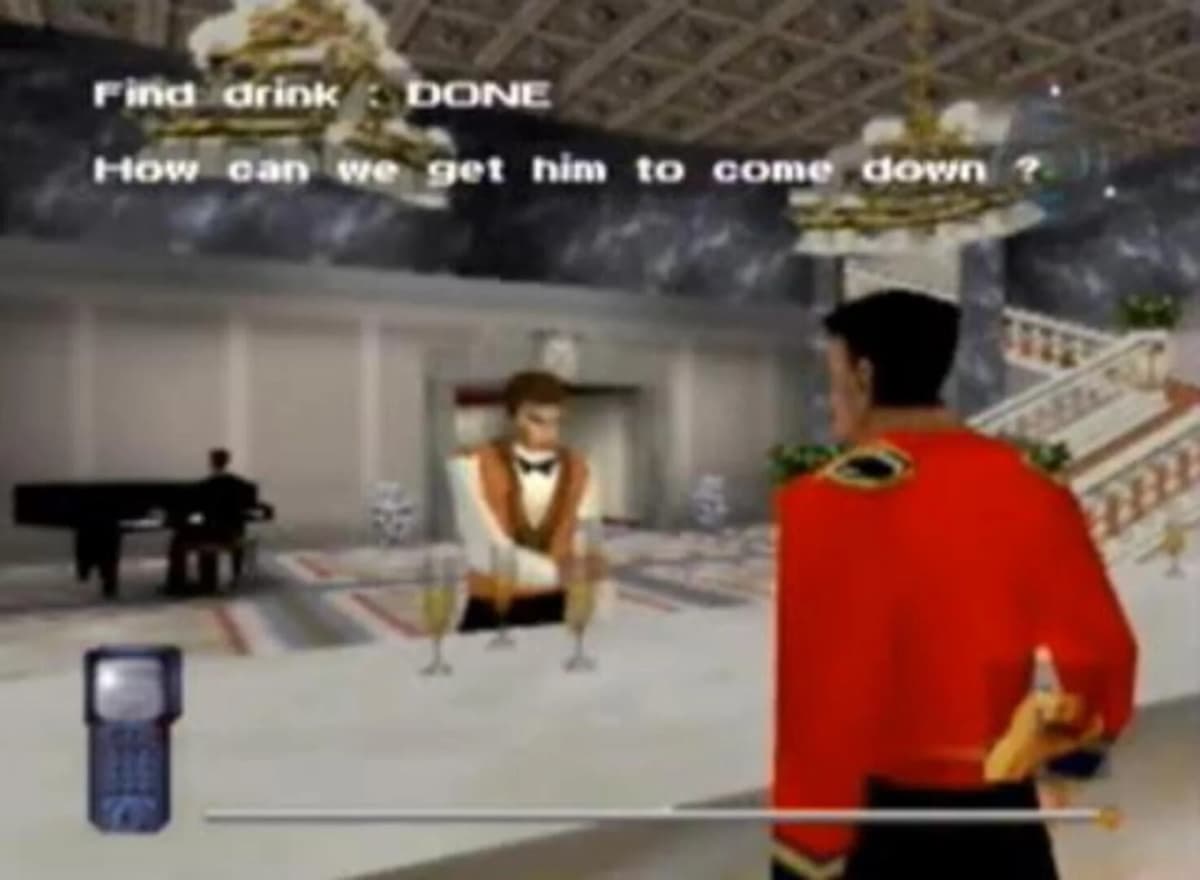
An Action-adventure game based on the 1996 film Mission: Impossible. It was for Nintendo 64. It was later ported to the PlayStation, with minor additions such…
As someone who lives for big set pieces in games, Tom Cruise clinging to a plane at 2,500 meters instantly pinged my radar. We love the Uncharted-style chaos-dangling from aircraft, impossible escapes-but Cruise actually did it. According to the film’s home release bonus features, the stunt in Mission Impossible: The Final Reckoning swelled his hands so badly his “finger joints” were reportedly stressed to the point of tearing. It’s a jaw-dropper, sure, but it also raises a harder question: how far should filmmakers go to chase “real” when the price is flesh and bone?
The sequence is simple in concept and savage in execution: Cruise, 63, grips the wing of a plane in flight at altitude while crosswinds slam him at speeds north of 225 km/h. This wasn’t a green-screen day. The production leans on practical execution—think Top Gun: Maverick’s “we shot it for real” ethos—and the toll shows. In the DVD/Blu-ray bonus, the team says the force on Cruise’s fingers was brutal. McQuarrie reportedly notes that the actor’s finger joints “ruptured under the force,” and adds, translated from French: “By the time we finished this sequence, your hands were completely swollen—oh my God, it was so painful to look at.”
If you’ve followed the saga, this fits Cruise’s pattern: clinging to an Airbus during takeoff in Rogue Nation; a HALO jump from over 7,600 meters in Fallout. Each time, the pitch is the same—no shortcuts, no cheat codes, just raw execution. It’s thrilling, and also a little insane.
Games chase authenticity differently. We simulate danger; Cruise lives it. But the goal overlaps: get the player (or viewer) to feel it. When a set piece is done for real, your brain reads the micro-movements—the tug, the flinch, the slip—in a way CG still struggles to match. It’s the same reason a good animation blend or weighty physics sells a landing better than a particle explosion ever could. Uncharted’s train, Just Cause’s wingsuit chaos, even Microsoft Flight Simulator’s wind sheer—these moments work when the “feel” is right.
That said, authenticity isn’t free. In games, it costs dev time and engine tech. In films, it can cost someone’s hands. I love the craft, but I don’t need a 63-year-old actor flirting with permanent damage to sell realism. There’s a line between immersion and martyrdom. Jackie Chan built a career on that line—and his end-credits injury reels are half PSA, half legend. We respect the commitment, but the bar keeps rising, and that bar is attached to a human body.
Mission Impossible: The Final Reckoning premiered May 21, 2025 after a Cannes splash. It posted a franchise-best first week at around $200 million and sits near $600 million worldwide—huge, but still shy of Fallout and Ghost Protocol’s high-water marks. The reported budget? About $350 million, the priciest Mission ever. That’s the blockbuster paradox: bigger stunts, bigger price tags, and somehow the ceiling doesn’t always rise with it.
Gamers have seen this movie—figuratively. AAA budgets balloon, expectations spike, and suddenly the safest bet is “more of everything.” Sometimes it lands. Sometimes you end up with a technically dazzling set-piece treadmill that doesn’t move the soul. The Final Reckoning’s numbers aren’t a flop; they’re proof that spectacle alone isn’t a guaranteed multiplier. At a certain scale, even record-breaking stunts can feel like table stakes.
I expect studios to double down on the “we did it for real” marketing—because it works. But I hope they rethink where “real” matters most. Give me tactile movement, smartly staged danger, and continuity of physics. In games, that means better traversal feel, reactive environments, and haptics that make my hands tense without risking someone else’s. In films, it means prioritizing sequences where practical effects elevate performance instead of gambling body parts for a sizzle reel.
Credit where it’s due: Cruise’s commitment elevates action cinema. But the near-loss of hand function is a bright red flag. If the message to rivals is “beat this,” we’re heading toward stunts that are less about storytelling and more about one-upmanship. That’s not innovation; that’s escalation.
Tom Cruise’s plane-wing stunt in The Final Reckoning is breathtaking—and reportedly left his hands swollen and joints damaged. It sells authenticity, but the spectacle arms race isn’t sustainable. As with AAA games, the win isn’t “bigger”; it’s smarter, safer, and more meaningful.
Get access to exclusive strategies, hidden tips, and pro-level insights that we don't share publicly.
Ultimate Gaming Strategy Guide + Weekly Pro Tips