
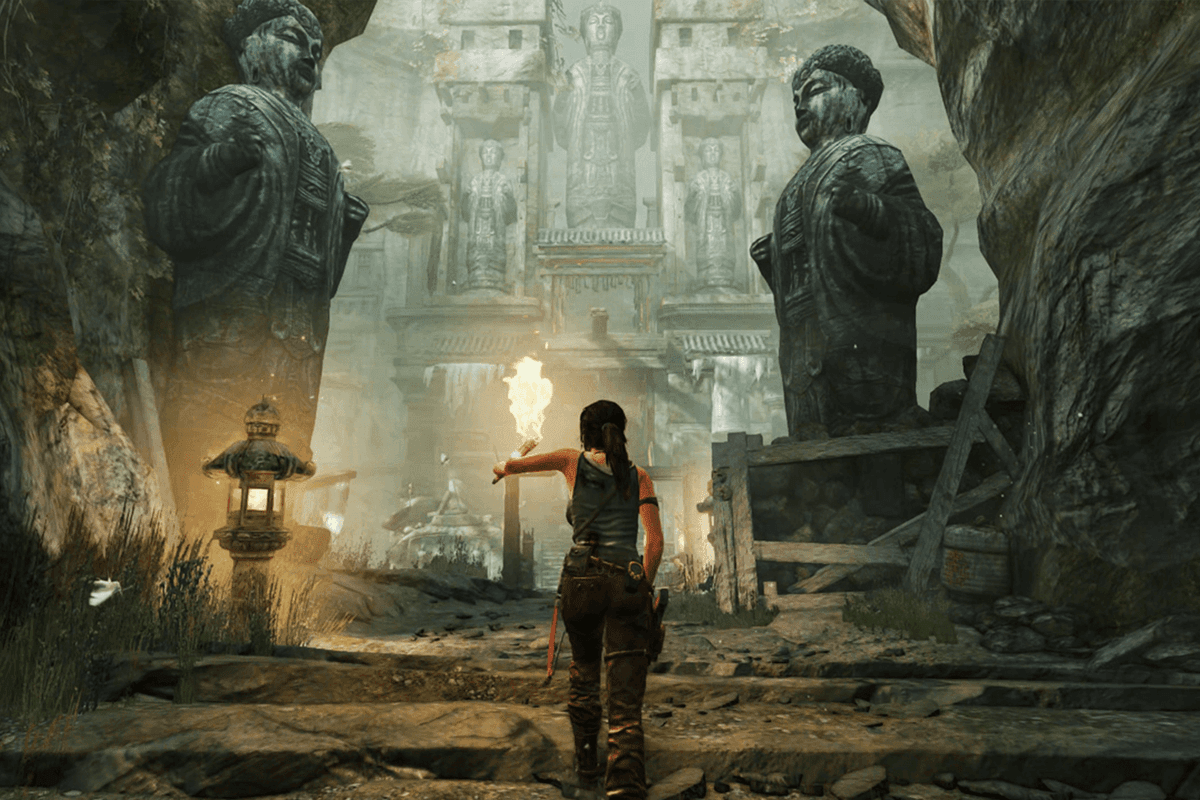
Tomb Raider just hit Switch and Switch 2 — great price, real performance questions
Game intel
Tomb Raider: Definitive Edition
Tomb Raider: Definitive Edition is a re-release of Tomb Raider, developed by Crystal Dynamics and published by Square-Enix for the Playstation 4 and the Xbox O…
Why This Drop Actually Matters
Tomb Raider: Definitive Edition is out now on Nintendo Switch and Nintendo Switch 2 for $19.99, and this caught my attention for two reasons: it’s the first time the 2013 reboot lands on a Nintendo platform, and the price is shockingly sane for a complete edition. For anyone who missed Lara Croft’s origin story-or just wants it on the go-this is a big get. The real question is whether Aspyr can deliver performance and control tweaks that make it worth grabbing on Switch in 2025.
Key Takeaways
- $19.99 with a 10% launch discount through November 24, 2025; owners of Aspyr’s previous Tomb Raider remasters on Switch can stack up to 30% off.
- Includes improved graphics, added control features, all DLC (six outfits, eight multiplayer maps, four MP characters), digital extras, and up to eight-player online multiplayer.
- Available on both Switch and Switch 2 at launch-now we need clarity on performance targets across the two systems.
- Great value, but don’t buy just for multiplayer unless the player base sticks around.
Breaking Down the Announcement
This is the 2013 Crystal Dynamics reboot—the one that reimagined Lara from adrenaline-chasing archeologist into a grittier survivor—wrapped in its Definitive Edition coat and finally brought to Nintendo. Aspyr says it’s the full package: visual upgrades, “added control features,” and every bit of previously released content bundled in. That means six Lara outfits, eight multiplayer maps, and four multiplayer characters, plus digital goodies like the Dark Horse comic Tomb Raider: The Beginning, Brady Games’ mini art book, and the Final Hours developer series.
The price is the pleasant surprise. $19.99 is more than fair, and the launch promo cuts it another 10%. If you own Tomb Raider I-III Remastered Starring Lara Croft or Tomb Raider IV-VI Remastered on Switch, you get another 10% each—stackable to a solid 30% off. If that stacks cleanly on the eShop, you’re looking at around $13.99 before tax for a modern classic with all the trimmings.
Performance Questions That Actually Matter
Here’s where I’m both excited and cautious. Tomb Raider (2013) was a looker in its day and still holds up, but it wasn’t exactly light on hardware. On Switch, the priority is a stable frame rate and sensible resolution scaling. I’d happily take a consistent 30 fps with smart dynamic res in handheld if the image quality doesn’t turn into a blur soup during heavy combat. On Switch 2, I’m hoping for a clean 60 fps option and higher-resolution assets—but Aspyr hasn’t detailed the differences yet.
Controls are another big variable. “Added control features” sounds promising for a shooter-adjacent action game—gyro aiming would be a clutch inclusion here. Aspyr has implemented gyro in other Switch releases, so expectations are fair, but until they confirm, it’s a question mark. Haptics, customizable stick sensitivity, and a snappier dodge/aim response would go a long way toward making this feel right on Joy-Con or a Pro Controller.
And yes, I remember how some heavy ports on Switch turned into cautionary tales (we all lived through Arkham Trilogy’s rocky debut). Aspyr’s track record on Switch is mixed: the Tomb Raider I-III remaster collection was a pleasant surprise overall, but the team has had stumbles on other projects. Bottom line: if performance is your dealbreaker, you might want to wait for hands-on reports before diving in.

About That Multiplayer
The 2013 multiplayer modes were a curiosity more than a killer app: fun in short bursts with traps and traversal, but never the reason most people played Tomb Raider. It’s cool that up to eight-player online is included, and the extra maps/characters sweeten the pot, but I wouldn’t buy this primarily for MP unless the community proves sticky. Also, expect to need a Nintendo Switch Online subscription for matchmaking—nothing unusual there, just plan accordingly. No cross-play is mentioned, so population will live or die on Switch alone.
Want to Level Up Your Gaming?
Get access to exclusive strategies, hidden tips, and pro-level insights that we don't share publicly.
Ultimate Gaming Strategy Guide + Weekly Pro Tips
Value Check: A Rare Win on Pricing
The $20 mark—with a path to $13.99 if you’ve backed Aspyr’s previous remasters—is the kind of sane pricing I wish we saw more often for older AAA ports. You’re getting a full-length campaign (easily 12–15 hours on a first run), a chunk of extras, and online modes for the price of a digital indie. Compared to other “complete editions” that hit Switch at $40–$60 and sometimes ship rough, this looks consumer-friendly out of the gate.
Should You Double Dip?
If you’ve never played the reboot, this is a no-brainer. The island setting still slaps, the bow combat feels great, and the cinematic set pieces—yes, including those early, brutal QTEs—set the tone for the entire Survivor Trilogy. If you’ve already finished it elsewhere, the question is portability and potential Switch 2 perks. Want Lara on the train, couch, or plane? That’s the selling point. If you only care about sharper visuals and high frame rates, your existing PC/PS/Xbox version probably still wins unless the Switch 2 build really shows up with meaningful upgrades.
Why Now, And What It Signals
Crystal Dynamics has an Unreal Engine 5 Tomb Raider in development, and getting the 2013 reboot in front of Nintendo’s audience ahead of a new hardware cycle makes sense. It onboards a fresh chunk of players, keeps Lara visible, and fills a gap in the Switch library that’s always been light on big-budget cinematic action adventures. If this lands well—especially on Switch 2—it sets the table for the next era of Tomb Raider to feel right at home on Nintendo hardware.
TL;DR
Tomb Raider: Definitive Edition on Switch/Switch 2 is a smartly priced bundle with all DLC, extras, and online play. I’m excited to replay it portably, but I’m waiting to see performance and control details—especially gyro aiming and frame rate targets—before calling it definitive on Nintendo. The discount stacking is a nice bonus; the multiplayer is a bonus, not the main event.