
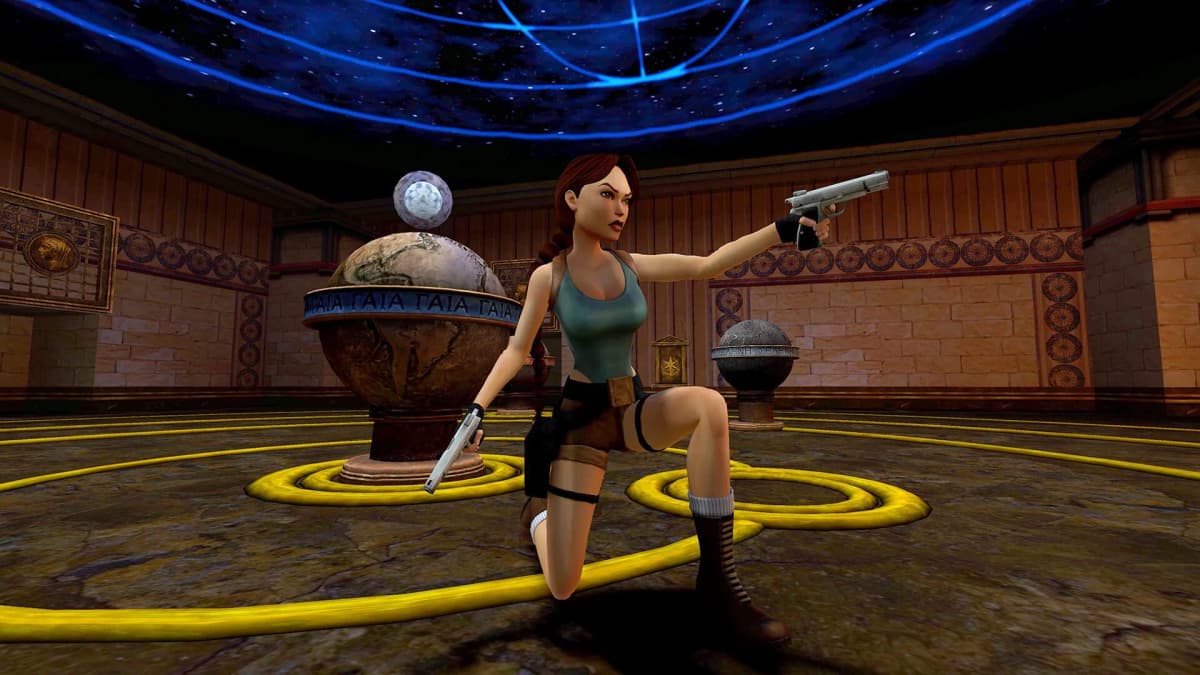
Tomb Raider Remastered accused of AI-cloning Lara Croft’s French voice
Game intel
Tomb Raider IV-VI Remastered
Remastered collection of the Darkness Trilogy includes: Tomb Raider: The Last Revelation – Lara Croft discovers the lost tomb of the Egyptian God Set, unwitti…
The AI clone controversy that hit a voice every Tomb Raider fan knows
This story hit me in the gut because I grew up with Lara Croft sounding a certain way in every language. In France, that voice is Françoise Cadol – the actor who’s defined Lara since the PS1 era and also dubs Angelina Jolie and Sandra Bullock. This summer, fans flagged that the Tomb Raider IV-VI Remastered update included new French tutorial lines that Cadol never recorded, and that they sounded like an AI mimic. Cadol listened, agreed, and is now taking Aspyr Media to court. If you care about remasters, preservation, and the people behind the voices, this isn’t just drama – it’s a potential line in the sand.
Key Takeaways
- Françoise Cadol alleges her voice was AI-cloned for Tomb Raider IV-VI Remastered without consent, despite her prior opt-out from AI training.
- She’s pursuing legal action via Hiro Avocats, seeking damages and a precedent that protects performers from unauthorized AI cloning.
- Under French/EU law, voice is tied to personality rights and biometric data; if proven, this could be a landmark case for game localization and remasters.
- For players, this is about trust in remasters: authenticity, credits, and how far publishers can push AI shortcuts.
Breaking down the allegation: what happened
On August 15, 2025, French fans posted clips from the latest patch of Tomb Raider IV-VI Remastered, claiming some of Lara’s French tutorial lines were newly recorded and “obviously AI.” The community compared waveform quirks and delivery patterns – the telltale flatness, odd sibilants, and uncanny timing you hear in a lot of TTS tools. Cadol says she never stepped into a booth for these lines and had publicly opposed the use of her data for AI training. “I was stunned to hear my voice cloned by AI without anyone contacting me,” she told supporters. She had already exercised a formal opt-out via the French registry lesvoix.fr, and she’s a visible voice in the “Touche pas à ma VF” (“Hands off my French dub”) movement.
Her legal team, led by attorney Jonathan Elkaim at Hiro Avocats, calls this an “assumed commercial exploitation” of a cloned voice — not a tech demo, not a mod, but a shipped, monetized product. The firm documented the evidence with a court officer and sent a formal notice to Aspyr Media. At time of writing, Aspyr hasn’t publicly laid out a detailed explanation for the French lines in this patch. Earlier this year, a similar flap hit a Brazilian dub actor, Lene Bastos; Aspyr blamed an external partner and promised a corrective patch. Lightning is now striking twice, and that pattern is the part I can’t ignore.
Why this matters now: remasters, rights, and AI shortcuts
Remasters live or die on authenticity. You can upscale textures and fix controls, but the “feel” comes from the original performances — those breathy asides in Tomb Raider IV’s training level are as much the game as its obtuse puzzle switches. If a remaster quietly swaps in synthetic lines for a legendary actor, you’re not preserving the game; you’re revising it without telling players. That breaks trust, and it risks snowballing into a new normal where publishers patch in AI to fill gaps instead of paying the people who made the characters iconic.
Legally, France and the EU aren’t a gray zone here. Voice is an attribute of personality protected by civil and criminal law, and under GDPR it’s treated as sensitive biometric data. Add performers’ neighboring rights over their interpretations, and you get a stack of protections that look pretty bad for anyone who shipped an AI clone without explicit consent and a new contract. If Cadol wins — or even forces a settlement with clear terms — localization pipelines across Europe will have to adapt fast.
This isn’t an isolated tension. Embark’s The Finals openly used AI TTS for some barks. Ubisoft has experimented with AI-written NPC lines. SAG-AFTRA’s latest interactive agreements circle AI use, consent, and compensation. The tech is here; the question is whether game companies use it as a tool with performer buy-in — or as a way to cut lines from budgets and gloss over it in the patch notes.
Want to Level Up Your Gaming?
Get access to exclusive strategies, hidden tips, and pro-level insights that we don't share publicly.
Ultimate Gaming Strategy Guide + Weekly Pro Tips
The gamer’s perspective: what this changes for players
For players, the immediate impact is immersion. AI-dubbed lines sound “close enough” until they don’t — a clipped breath, a dead-eyed cadence, a weird echo in a sentence you’ve heard a hundred times. It yanks you out of the moment. More importantly, it muddies preservation. When we say “play the classics,” we assume the classic performances are intact. If publishers can silently alter voicework with synthetic copies, we’ll need better labeling in stores and patches that plainly document when AI is used and why.
There’s also a cultural line here. Lara Croft isn’t just polygons and puzzles; she’s a chorus of human performances across regions. Cadol is the French Lara the same way Keeley Hawes or Camilla Luddington are for English-speaking fans across different eras. If you want to add lines to make a tutorial clearer in 2025, great — then hire the actor or recast transparently. Don’t ghostwrite a legacy performance with a model.
What needs to happen next
Minimum bar: clear disclosures, opt-in consent, and fair pay when AI tools touch a performer’s likeness or voice. If a vendor slipped AI into a pipeline, say so and fix it. If you can’t secure the original actor, credit the replacement — human or AI — and be honest with players. On the platform side, stores should require AI-use flags the same way they enforce content descriptors.
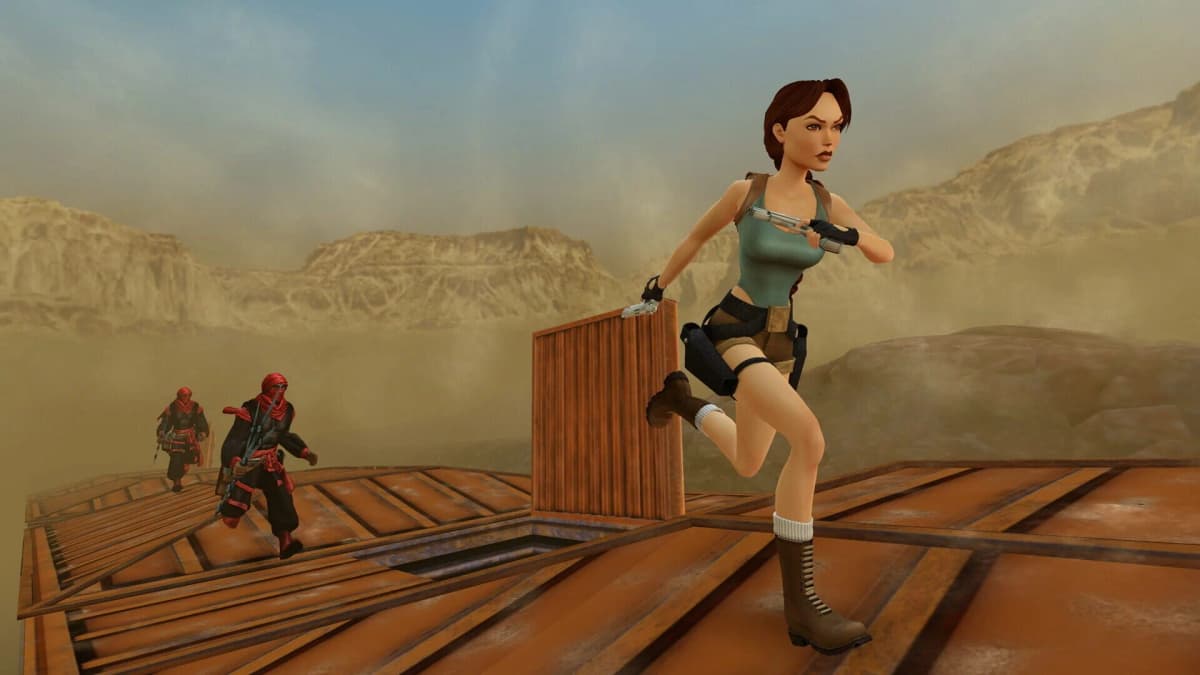
As for Cadol’s case, it could set the first real European precedent on AI voice cloning in commercial game releases. Even a private settlement with published guidelines would put pressure on the industry. Until then, if you boot Tomb Raider Remastered in French and something sounds off, you’re not imagining it — you’re hearing the growing pains of an industry rushing AI into places where consent should come first.
TL;DR
Françoise Cadol, the historic French voice of Lara Croft, says Tomb Raider IV–VI Remastered used an unauthorized AI clone of her voice and is taking Aspyr to court. Beyond one patch, this is a test case for how remasters handle legacy performances — and whether AI will be a tool used with consent or a shortcut that erodes trust.