

Tomb Raider’s 1996 remake will be easier — and that’s exactly why it matters
Game intel
Tomb Raider: Legacy of Atlantis
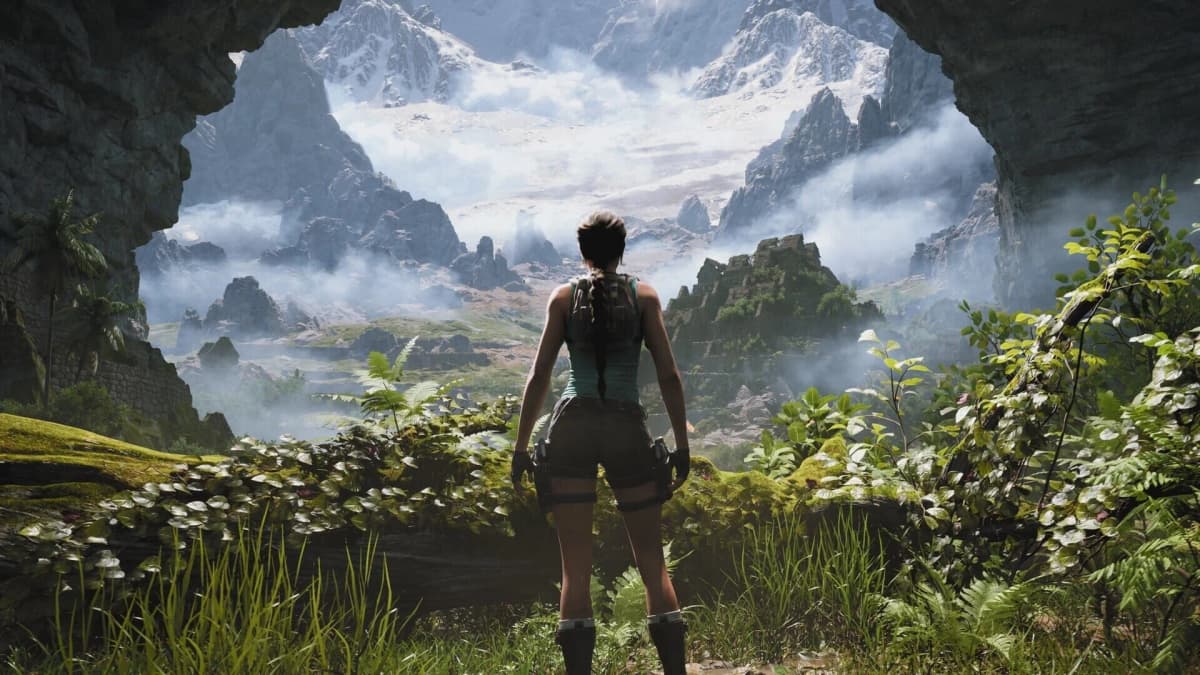
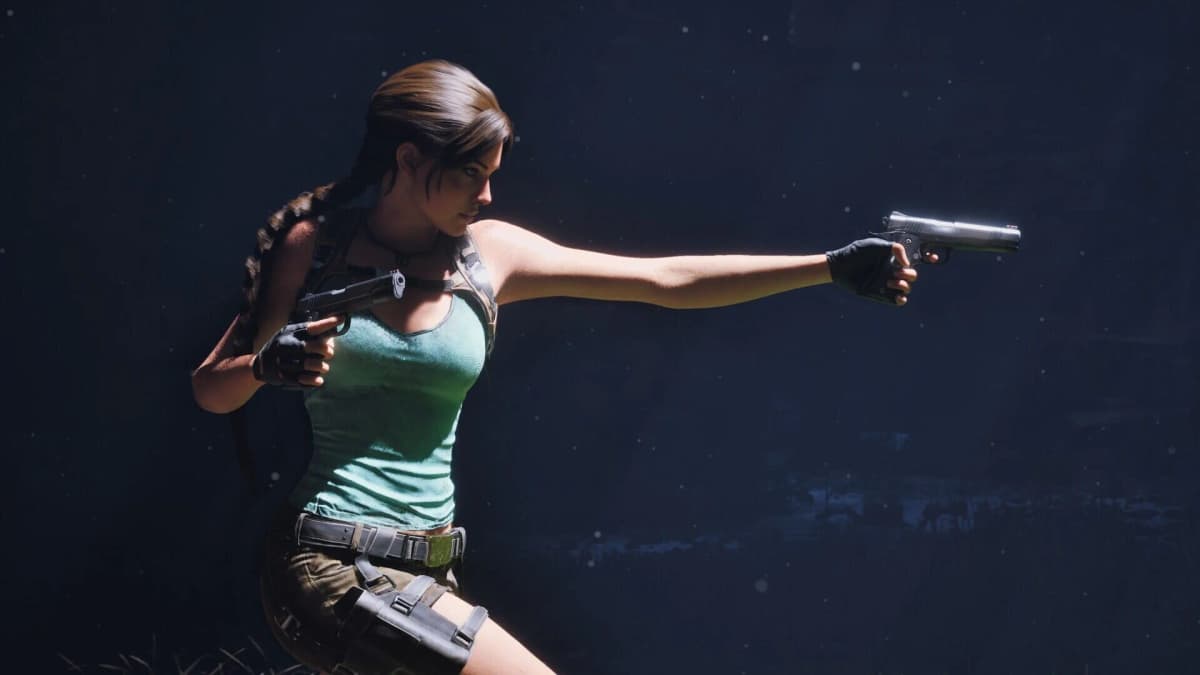
Tomb Raider: Legacy of Atlantis is a reimagining of Lara Croft’s 1996 genre-defining game with visuals powered by Unreal Engine 5, modern gameplay, and new sur…
Why this matters: the old Tomb Raider is back, minus the punishment
This caught my attention because the original Tomb Raider is one of those games people either nostalgically defend or swore off after rage-quitting a spike pit. Crystal Dynamics’ Tomb Raider: Legacy of Atlantis is a full 1996 remake aimed at 2026 players – and the studio is deliberately softening the original’s infamous insta‑kill difficulty. That sounds like compromise to some purists, but for most players it’s a practical update that actually widens the audience without scrapping what made the game memorable: puzzles, traversal and cinematic setpieces.
- Key takeaway: Forced trial-and-error deaths will be reduced so modern players can focus on exploration and story.
- Core gameplay promise: Classic puzzles, rolling boulders and platforming survive – but with modern mercy mechanics.
- Tech and talent: UE5 visuals, Flying Wild Hog collaboration and Alix Wilton Regan as Lara Croft.
- Why it matters: This remake could be the gateway for new players while offering veterans optional ways to recreate the old pain.
Breaking down the announced changes – what actually shifts
Crystal Dynamics says it’s keeping the “puzzles in combat and traversal and death‑defying action” but wants those moments to feel fair, not cruel. Practically that means fewer one‑shot traps, more forgiving checkpointing and likely mechanical substitutes for the old pixel‑perfect jumps: quick‑time windows, short slow‑motion dodge frames or auto‑recovery when you miss a ledge. That’s not inventing a different game — it’s taking a 1996 difficulty philosophy and updating its scaffolding for modern expectations.
Flying Wild Hog’s involvement is telling: they’ve shipped nimble action systems before, so expect tighter combat and animations, while UE5 will let the team sell the spectacle — boulder chases and drowning sequences are going to look and feel weightier. Alix Wilton Regan voicing Lara keeps a level of continuity with more recent entries, which helps the remake feel like a bridge between old school Tomb Raider and the post‑2013 reinventions.
What this means for different kinds of players
- Casual/story players: You can experience the Scion mystery without the original’s marathon trial‑and‑error. The game will likely let you finish sections in one sitting and keep momentum.
- Veterans: Don’t panic — there are likely ways to dial the pain back up. Developers making remakes today usually include optional harder modes or a “nostalgia” toggle; expect something similar or a Nightmare/OG mode.
- Speedrunners and purists: This is the obvious worry: will modern mercy mechanisms undercut the windowed inputs and frame‑perfect tricks the original community exploited? The answer will be in the options menu and how strictly the team preserves old movement quirks as toggles.
Why now: remakes, market realities and accessibility trends
Remakes have matured into a formula: keep the bones, reskin the meat, and add modern UX. Resident Evil 2 proved you can honor structure while removing archaic cruelties. Crystal Dynamics is doing the same: leveraging the Tomb Raider brand’s nostalgia while acknowledging that contemporary players expect checkpoints, clearer visual readouts and control responsiveness. It’s also smart business — broader appeal equals more sales — but I’ll give the studio credit when the difficulty options are visible and respectable rather than a forced “hold my hand” campaign by default.
Want to Level Up Your Gaming?
Get access to exclusive strategies, hidden tips, and pro-level insights that we don't share publicly.
Ultimate Gaming Strategy Guide + Weekly Pro Tips
Questions I’m watching for before I preorder
- Will there be a true “classic” mode that reproduces PS1 quirks and save limitations?
- Are mercy systems optional, or baked into normal play?
- How much of the original level geometry and puzzle design will remain intact vs. reimagined sequences?
- Will there be post‑launch tuning that nerfs or buffs the difficulty after community feedback?
Those answers will determine if Legacy of Atlantis is an accessible reintroduction or a polished compromise. For now, the promise is sensible: keep the fun, lose the frustration. If they ship with robust difficulty toggles and at least one mode that respects the original’s challenge, it’ll be a win for both audiences.
TL;DR
Crystal Dynamics’ Tomb Raider: Legacy of Atlantis looks like a thoughtful update: modern visuals and smoother controls with classic puzzles and setpieces intact, but fewer cheap deaths. That’s good news if you want to play Lara’s first adventure without losing your save every five minutes — and it’s fine as long as the studio preserves a way for purists to chase the original’s brutal thrills.