
This caught my attention because Moth Atlas has already shown it knows how to translate Bloodborne’s tense, tactile combat into 2D – and now it’s doing that with a Wild West coat of paint, eldritch horror, and a surprisingly deep class system. Tombwater looks like the sort of indie that could scratch both soulslike and Metroidvania itches while offering meaningful build choices from the first minute.
Table of Contents (5)
Tombwater: Seven Starting Classes Turn the Western Soulslike into a Systems Playground
- Key Takeaway 1: Seven distinct starting classes (Soldier, Gunslinger, Occultist, Tinkerer, Spellblade, Drifter, Nameless) promise different playstyles and replayability.
- Key Takeaway 2: Combat mixes ranged, melee, throwables and hexes; a Madness meter adds a risk/reward layer to engagements.
- Key Takeaway 3: Metroidvania exploration across a large map means class choice affects access, approach, and long-term progression.
- Key Takeaway 4: Early 2026 target for PC release; a demo is already available on Steam to try the foundations.
{{INFO_TABLE_START}}
Publisher|Moth Atlas
Release Date|Early 2026 (target)
Category|2D top-down soulslike Western
Platform|PC (Steam){{INFO_TABLE_END}}
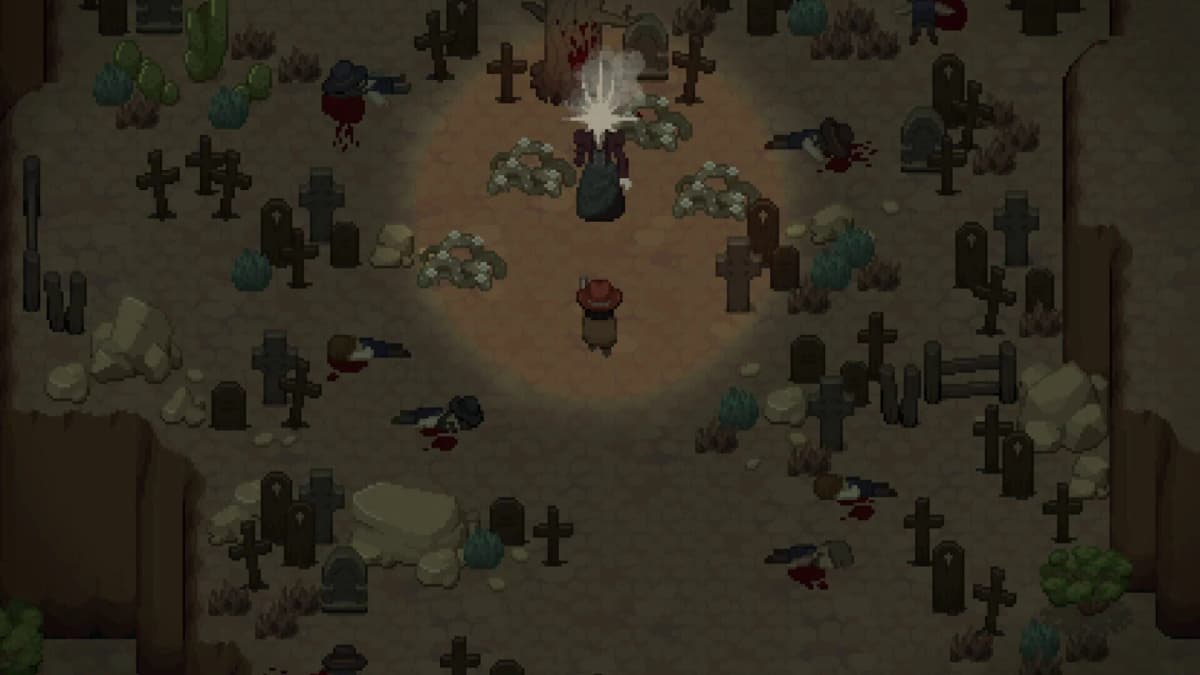
Moth Atlas – the small team behind a well‑received 2D Bloodborne demake – is clearly leaning into what it does best: tight combat loops and atmospheric worldbuilding. The conceit is deliciously specific: take frontier gunplay, lace it with hexes and occult corruption, then push players into a sprawling, interconnected map that rewards backtracking and discovery. That mix alone would be interesting; add a Madness meter and per-class distinctions and you get multiple strategic layers.
The seven starters, and why they matter
Moth Atlas describes seven starting classes, each giving you a head start toward a particular approach rather than locking you into a rigid role. Soldier and Gunslinger cover the expected spectrum of tanky melee-versus-deadeye shooter. Occultist and Spellblade lean into hexcasting and the horrific side of the game, with the Occultist designed to shrug off Madness and the Spellblade offering hybrid melee/hex options. The Tinkerer tilts toward gadgets, traps and crafting, opening a slow-burn, item-focused playstyle. The Drifter is the flexible jack-of-all-trades. And then there’s the Nameless — a deliberately austere, balanced setup pitched as the ‘true test’ for soulslike veterans.
What’s notable is how these classes interact with the game’s core systems. Hexs and Madness are not flavor: Madness builds up during combat and changes risk calculus for players who prefer staying in the fray. The Occultist’s Madness resistance and the Spellblade’s corpse-raising hex are examples of design that ties class fantasy directly into survival mechanics. The Tinkerer’s crafting and time-based item regen suggests a meta where resource control and battlefield engineering are viable alternatives to pure reflex play.
Context and perspective
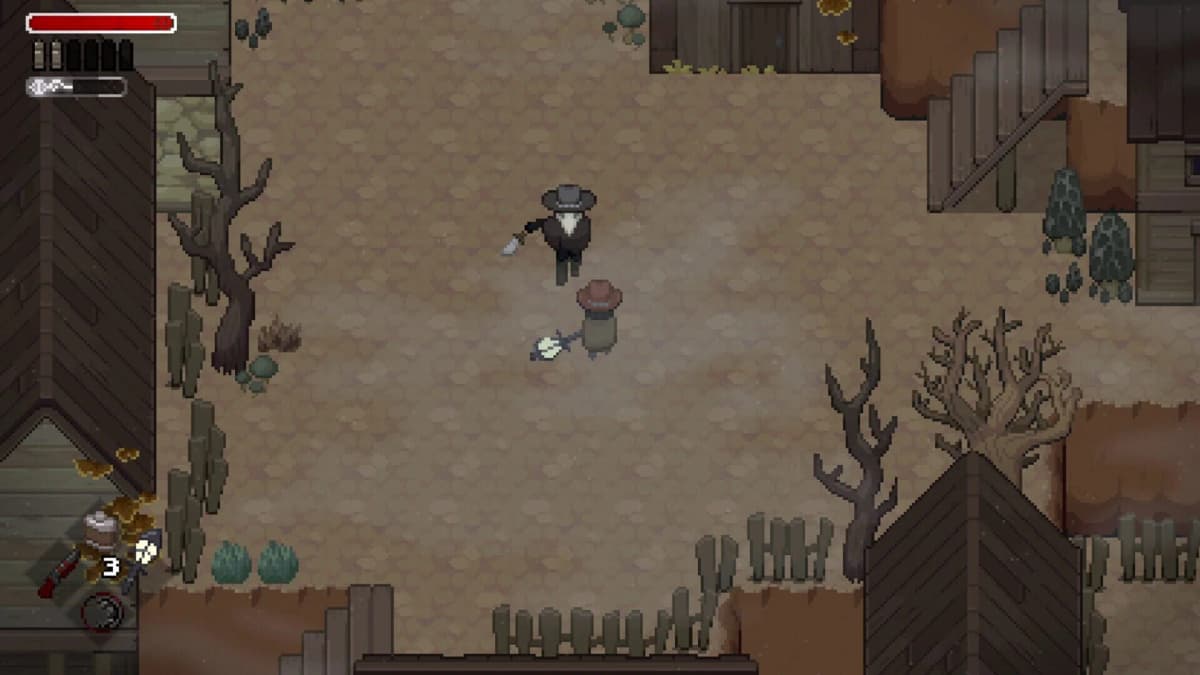
Indie soulslikes are a crowded space, but few try to blend Western atmosphere, Metroidvania map design and occult systems this aggressively. Moth Atlas’s track record suggests combat will be the backbone — the demo already gives a taste of dodge windows, weapon timing, and how hexs can alter encounters. My skepticism: marketing phrases like “true test for veterans” are common; the real barometer will be whether Nameless play actually demands mastery rather than punishing poor balance. Also unclear are progression systems (respecs, skill trees, item growth), which determine how locked-in early class choices feel.
What this means for players
- Replay value looks strong: seven starts plus Metroidvania exploration encourages multiple runs to try builds and access different areas.
- Playstyle variety: whether you want to cheese with traps and gadgets or master parry windows and hex timing, there appears to be a viable path.
- Difficulty management: the Nameless class promises high skill ceiling — players who prefer defensive or forgiving builds should look to Occultist or Soldier.
- Try before you buy: the Steam demo is the best way to validate how those systems feel in practice.
For fans of tactile 2D combat and spooky Western setting blends, Tombwater is shaping up to be one to watch. It’s not just the surface mashup of genres that’s appealing — it’s the way classes seem to be woven into the core loop, offering meaningful decisions from the outset rather than a handful of cosmetic tweaks.
TL;DR
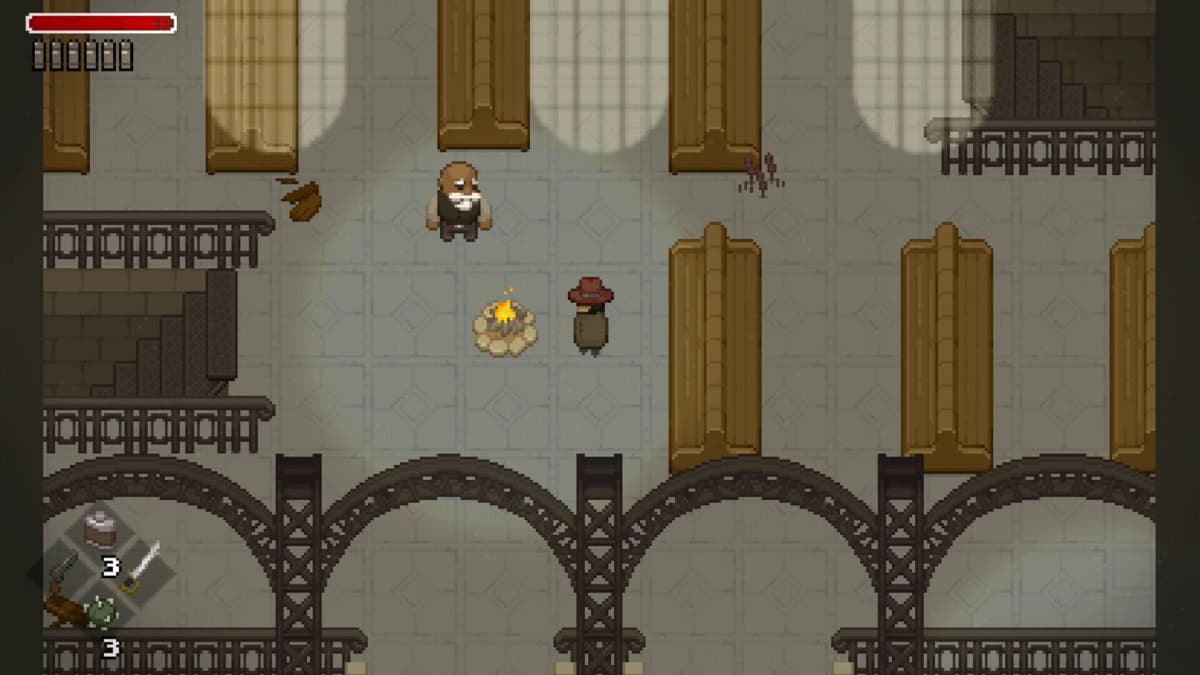
Tombwater pairs tight 2D soulslike combat and Metroidvania exploration with a seven-class system that looks built for replayability and distinct playstyles. Early 2026 is the target for PC, but you can test the foundations in the Steam demo now. My take: if Moth Atlas nails balance and progression, this could be a standout indie for people who like their cowboys with a side of cosmic horror.
FinalBoss // Gear
Level up your setup
01Top-rated gaming headsetson Amazon→02High-refresh gaming monitorson Amazon→03Gaming chairson Amazon→04Discounted game keyson Kinguin→Affiliate links · As an Amazon Associate, FinalBoss earns from qualifying purchases.