
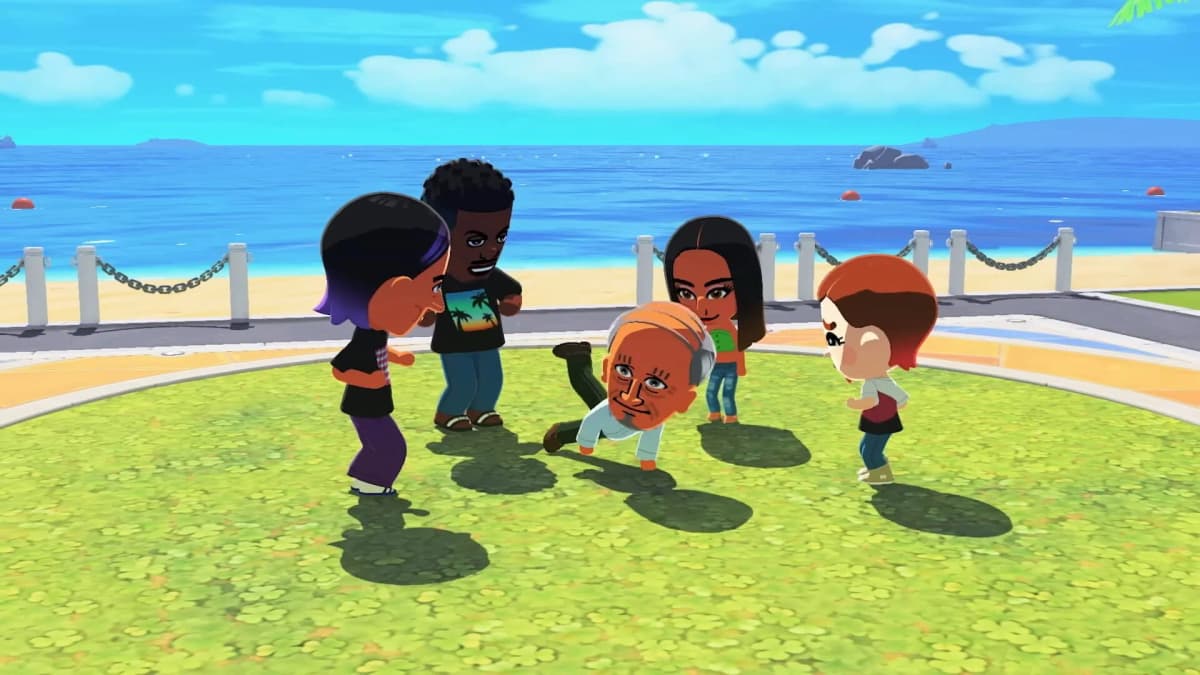
565,405 physical copies in four days is not just a nice launch for Tomodachi Life: Living the Dream. It is the kind of number that forces you to stop treating this series like a weird little side project Nintendo trots out when it feels quirky. The game debuted at No. 1 on Japan’s Famitsu physical charts for April 13 to April 19, and it didn’t just beat the field – it flattened it. Pragmata on PS5 came in second with 36,470. That gap tells you more than a victory lap headline ever will.
Table of Contents (7)
Key takeaways
- Tomodachi Life: Living the Dream opened with 565,405 physical copies sold in Japan from its April 16 release through April 19, according to Famitsu-tracked sales figures cited consistently across multiple reports.
- The game outsold No. 2 title Pragmata by more than 15 times, which is less “healthy lead” and more “total market takeover.”
- This is a major signal that Nintendo still knows how to turn an eccentric domestic favorite into an event, especially on hardware ecosystems where physical retail remains relevant.
- The caveat matters: these are physical sales only. The full audience is almost certainly larger, but the exact digital split remains the question Nintendo hasn’t answered.
This is not nostalgia doing all the work
The lazy read is obvious: Japan likes Tomodachi Life, Nintendo brought it back, everyone clapped, story over. That misses the real point. Plenty of beloved Japanese franchises come back and post respectable numbers without detonating the weekly chart like this. Selling 565,405 physical copies in a partial launch week is not a polite nostalgia bump. It is proof that Nintendo correctly identified an audience that had been underserved for years and then gave that audience a reason to show up immediately.
That matters because Tomodachi Life has always occupied an awkward place in Nintendo’s lineup. It is hugely characterful, deeply shareable, and exactly the sort of game that can look unserious to anyone who only values blockbuster action or prestige RPGs. But Nintendo has made a career out of monetizing “looks unserious” better than almost anyone else in the business. The original game built a massive following because it turned social absurdity into a system. Players weren’t buying a plot. They were buying stories they could generate, screenshot, and pass around. That kind of design ages well.
So no, this isn’t just a reunion tour. It looks more like pent-up demand finally getting a release valve.
The uncomfortable observation: this chart is also a warning to everyone else
The other number in this story is 36,470. That’s where Pragmata landed at No. 2 on PS5. On paper, second place is still second place. In practice, getting buried that badly by a life-sim oddball is brutal. And it says something uncomfortable about the current market: expensive, high-concept console releases are not automatically commanding attention the way publishers keep assuming they will.
Meanwhile, the rest of the top 10 was packed with familiar Nintendo gravity. Pokémon Pokopia sold 19,096 physical copies for the week, Mario Kart World added another 5,130, and long-tail Nintendo software kept hanging around exactly the way Nintendo software always does. This is the part third-party publishers hate admitting. Nintendo doesn’t just sell individual games; it sells an ecosystem where first-party software keeps absorbing oxygen months or years after launch.
That is why Tomodachi Life posting a monster debut matters beyond one franchise. It reinforces a familiar but still painful lesson: on Nintendo platforms, the company’s own catalog is often the main event, and everybody else is fighting for whatever attention is left on the table.
Physical charts still matter in Japan – just not in the simplistic way people pretend
Whenever a physical sales chart blows up, someone immediately rushes in to say physical doesn’t matter anymore. That’s too neat. Physical-only data absolutely has limits, and pretending it represents the complete market would be sloppy. Nintendo sells digitally too. The actual launch audience for Living the Dream is almost certainly higher than 565,405 once digital purchases are included.
But physical charts in Japan still tell you something important, especially for Nintendo software: retail demand, shipment confidence, and how broadly a game is landing outside the most online corner of the player base. If a title can move this many boxed copies that quickly, it is not living on wishlist hype alone. It is breaking through with mainstream buyers, gift buyers, family buyers, and players who still like owning a cartridge. In other words, the exact demographic Nintendo loves most because it turns one hit into a system-level habit.
This is also where I’d want to press Nintendo’s PR team if I had them in front of me: how much of this was front-loaded supply, and how much was unmet demand they underestimated? Some reports have pointed to physical copies selling out in parts of Japan. If that is accurate, the next couple of weeks matter a lot. A giant first week is impressive. A giant first week followed by constrained stock is a different story, because then the ceiling becomes distribution rather than demand.
What this really says about Switch 2’s software mix
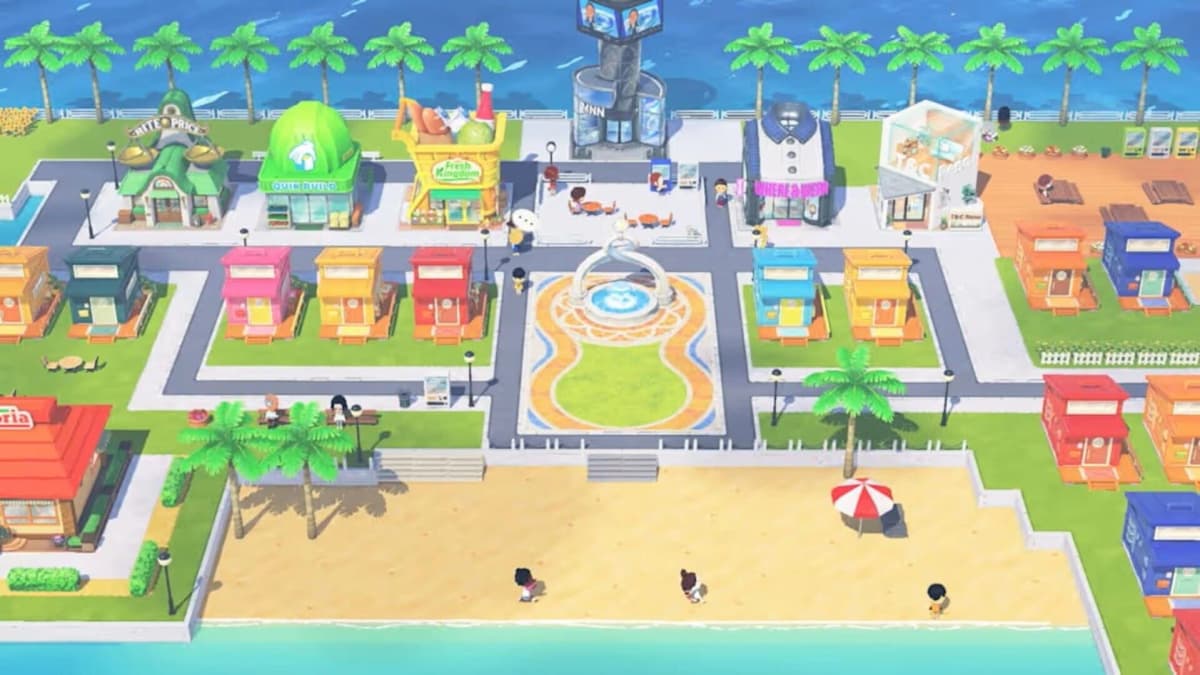
One reason this debut stands out is timing. Switch 2 does not need another generic proof-of-concept hit. It needs software that widens the machine’s identity beyond the usual heavy hitters. Tomodachi Life: Living the Dream does exactly that. It gives the platform a social sim with real domestic pull, and that kind of breadth is what keeps hardware momentum from becoming too dependent on the same two or three evergreen franchises.
Nintendo has always been strongest when its release slate looks slightly strange from the outside but makes perfect sense once you look at the audience spread. A kart racer here, a monster hit there, then something bizarrely specific that turns out to have massive appeal. The industry keeps relearning this because too many publishers still think success has to look cinematically expensive to count. Nintendo keeps making hits by understanding that a game can be toy-like, funny, low-key chaotic, and still be commercially devastating.
If you’re looking for the bigger implication, it’s this: there is still a lot of money in games built around personality, routine, and social storytelling, provided the publisher actually treats them like major releases instead of filler between blockbusters.
What to watch next
- The second-week Famitsu number. That will tell us whether this was a huge but front-loaded launch or the start of a longer retail run.
- Any update on stock and sell-through in Japan. If reports of physical sellouts hold up, supply could be suppressing near-term momentum.
- Nintendo’s first official commentary on digital performance, if it chooses to share any. That would clarify just how much bigger the real launch was beyond boxed sales.
- Whether the game drives a wider push for social-sim support on Switch 2. Publishers notice when a supposedly niche format starts printing numbers like this.
TL;DR
Tomodachi Life: Living the Dream debuted at No. 1 on Japan’s Famitsu physical charts with 565,405 copies sold in its first four days, crushing everything else in the weekly ranking. The real story is not just that Nintendo has another hit, but that a quirky social sim just proved there is still enormous demand for this kind of game – and for Nintendo’s ability to turn “oddball” into mainstream. The next number that matters is week two, because that will show whether this is merely huge or the start of a proper long-tail monster.
FinalBoss // Gear
Level up your setup
01Top-rated gaming headsetson Amazon→02High-refresh gaming monitorson Amazon→03Gaming chairson Amazon→04Discounted game keyson Kinguin→Affiliate links · As an Amazon Associate, FinalBoss earns from qualifying purchases.
Want to Level Up Your Gaming?
Get access to exclusive strategies, hidden tips, and pro-level insights that we don't share publicly.
Ultimate Editor's Pick Strategy Guide + Weekly Pro Tips