
Table of Contents (9)
Tomodachi Life: A Dream Life Preview – The Chillest Chaos Simulator I Didn’t See Coming
The exact moment Tomodachi Life: A Dream Life clicked for me was watching two of my Miis argue passionately about fried eggs. Not philosophy, not career choices-fried eggs. One of them stormed out of the apartment, the other plopped down on the floor, devastated, and the game asked if I wanted to help “fix the mood” with a gift. I was half laughing, half wondering if this was the dumbest thing I’d ever played.
That pretty much sums up my time with this Nintendo Switch return of Tomodachi Life so far: a mix of “this is brilliant” and “is this really all I’m doing?” It’s a relaxed life-sim that barely cares about goals, progression, or optimization, and yet it keeps generating tiny, personal stories that are hard to put down-even when I can clearly see the limits of the toy box.
This isn’t a final review; I’ve been playing a preview build of Tomodachi Life: A Dream Life across several days. But it’s already clear that Nintendo isn’t trying to turn this into an Animal Crossing rival or a full-fat Sims competitor. It’s doubling down on what made the 3DS original sell more than 6.7 million copies: Miis, emergent comedy, and a daily routine that feels more like checking in on a group chat than managing a virtual town.
My Island: Less “Simulation”, More Interactive Sitcom
If you’ve never touched the series, Tomodachi Life is deceptively simple. You don’t directly control your Miis. You give them personalities, likes, dislikes, catchphrases, and outfits, drop them on a little island, and then watch whatever weird social chemistry sparks.
On Switch, A Dream Life sticks to that formula. The core of the game is still a single apartment building full of Miis. Each time you jump in, different rooms light up with little orange or blue icons, signaling that something is going on: someone is hungry, someone had a nightmare, someone wants to confess their love, or someone is just bored and needs “advice” that’s really an excuse for a gag.
The loop isn’t about grinding money or decorating an island to perfection. It’s about short sessions where you:
- Drop in, see who needs attention
- Play a couple of simple minigames
- Give out some food, clothes, or interiors
- Watch a few surreal events or dream sequences
- Log off before you burn out
By the third day with the preview, I’d stopped thinking of it as a “sim” and started treating it like a digital ant farm where the ants occasionally form a band, fall in love, or develop intense rivalries over completely trivial things. It’s low pressure to the point of feeling almost passive-but that’s kind of the point.
What surprised me is how well that slow approach works in 15-20 minute bursts. When I forced longer sessions, the repetition of gags and requests started to show. When I treated it like a check-in game—morning coffee, quick island visit, done—it felt oddly perfect.
Mii Customization: The Real Engine Behind the Comedy
The best part of A Dream Life, by far, is making Miis and seeing how the game weaponizes your choices for comedy. The editor feels deeper and more flexible than the old 3DS version, especially in how you define personality and social quirks.
On my island I’ve got a mix of friends, family, some internet personalities, and one completely made-up “chaos gremlin” Mii I built specifically to see what would happen if I cranked every odd trait up. Within a couple of sessions, this gremlin had already:
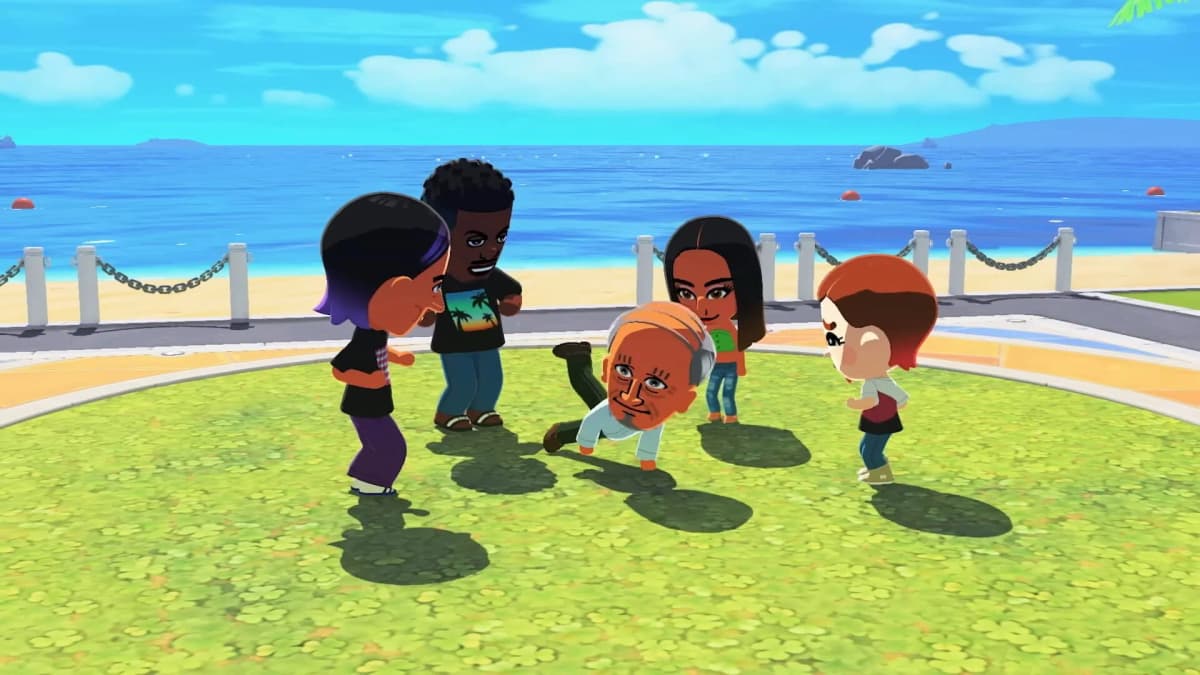
- Stolen the spotlight at an impromptu concert with a ridiculous solo
- Confessed love to the most serious, introverted Mii in the building
- Started a food obsession that turned into a running joke across multiple scenes
The custom catchphrases and voice settings do a lot of heavy lifting. Hearing my best friend’s Mii, with a slightly robotic high-pitched voice, blurt out a dumb in-joke we’ve been using for years while arguing about snacks, was funnier than it had any right to be. That’s where the game shines: it gives you just enough tools to inject your own humor, and then constantly throws those elements back at you in creative combinations.
The game also takes a clear step forward in inclusivity. The preview build already supports more flexible identity options, including non-binary Miis and same-sex relationships, and it treats them with a casual normality that suits the playful tone. I created a non-binary Mii using neutral styling and dropped them into the mix; before long they were right in the middle of friendship triangles and dream sequences, without the game ever making their identity the joke.
It’s not some deep character-creator on the level of a full RPG, but within Nintendo’s Mii framework, this is the most expressive I’ve seen it. If you enjoy the process of turning real people into little caricatures, you will get an absurd amount of mileage from just the editor.
Emergent Stories: Tiny Dwarf Fortress Energy, Minus the Stress
What kept popping into my head while playing wasn’t Animal Crossing or The Sims, but Dwarf Fortress. Obviously, Tomodachi Life isn’t simulating dwarven societies with brutal detail, but it scratches a similar itch: stories appearing out of systems, not scripts.
In one run of days, I watched a bizarre arc unfold:
- One Mii decided fried rice was their “absolute favorite” food and wouldn’t shut up about it.
- Another Mii developed a strong dislike for the same dish after an exaggerated, slapstick reaction.
- Later, those two ended up in a friendship crisis over something completely unrelated, but the game kept echoing the food gag in their dialogue.
- Eventually, a dream sequence mashed this all together into a surreal nightmare involving a giant bowl of fried rice on a stage.
None of that was a quest. I didn’t pick “start fried rice storyline.” It all emerged from some simple preferences, a few random events, and the game’s love of running jokes. By the time it wrapped around, it felt like the island itself had a kind of memory of what had happened before.
This is where Tomodachi Life: A Dream Life feels most confident. It understands that the most replayable thing isn’t a checklist of tasks; it’s your own mental scrapbook of “remember when this happened?” And because every player’s Mii lineup is different, those stories feel genuinely personal.
The flip side is that you start to see the seams. After a handful of days, certain gag types began repeating with slightly different context. The fried rice saga felt unique, but the underlying skeleton—food obsession, rivalry, dream callback—popped up in other combos. For now, it’s still funny. The big open question is how fresh it’ll feel after a month or two of daily play.
The flip side is that you start to see the seams. After a handful of days, certain gag types began repeating with slightly different context. The fried rice saga felt unique, but the underlying skeleton—food obsession, rivalry, dream callback—popped up in other combos. For now, it’s still funny. The big open question is how fresh it’ll feel after a month or two of daily play.
🎮 Get This Game at the Best Price
Compare prices instantly and save up to 80% on Steam keys with Kinguin — trusted by 15+ million gamers worldwide.
*Affiliate link — supports our independent coverage at no extra cost to you
Slow Gaming Done Right… Mostly
A Dream Life sits very comfortably in the “slow gaming” space that’s blown up the last few years. It doesn’t nag you with timers, doesn’t punish you for missing a day, and doesn’t smother you with tasks. The island evolves gently as you unlock new facilities and interactions, but the pace stays measured.
In my preview build, new features unlocked at a steady drip: extra locations to visit, additional types of events, more ways for Miis to interact. The game seems carefully tuned to always have something new to poke at during those early days, without overwhelming you with menus or options.
Where I’m conflicted is in how deliberately shallow some of the actual “game” parts are. The minigames—little reflex tests, simple guessing challenges, and toy-like interactions—are fine in isolation, but they’re mostly there to justify giving you rewards. I rarely felt excited to play them; I did them because I wanted more food, or money, or gifts to keep the social engine humming.
Compared to something like Animal Crossing: New Horizons, where just arranging furniture or hunting for fish can become its own hobby, Tomodachi Life’s activities feel more like connective tissue than destinations. You come here to see the Miis and their nonsense, not to lose yourself in crafting or farming or photo mode.
That trade-off is going to be a deal-breaker or a blessing, depending on your taste. If your favorite part of cozy games is min-maxing layouts, optimizing income, or having clear long-term goals, this might feel insubstantial. If you’d rather have a game that lets you dip in, watch some chaos, and bail without guilt, it nails that role extremely well.
What’s New, What’s Missing, and How It Feels on Switch
On the “what’s new” side, three things stand out from the preview build:
- Deeper Mii expression: More robust personality sliders and animation quirks make it easier to distinguish residents beyond hair and clothes.
- Better inclusivity: Flexible relationship options and identity expression feel baked-in, not bolted-on, which matters for a game about social bonds.
- Dreams and surreal bits amplified: The dream sequences and oddball events lean harder into the weird, giving the island a more distinct comedic flavor.
On the other hand, not every 3DS mechanic or oddity appears to have made the jump, at least in this early version. Some niche features and minigames I half-expected to see again either aren’t there yet or have been replaced by streamlined equivalents. The overall feeling is “tighter” and more curated, which is nice for clarity, but part of me misses the clunky, overstuffed nature of the original.
Technically, it feels very at home on Switch. This isn’t the sort of game that’s going to push the hardware anyway, but it’s crisp in handheld mode, the menu layout is clean, and touchscreen support (where it appears) makes interacting with Miis feel more immediate than on a purely button-driven interface. I bounced between docked and handheld and never noticed any meaningful hitching or slowdown.
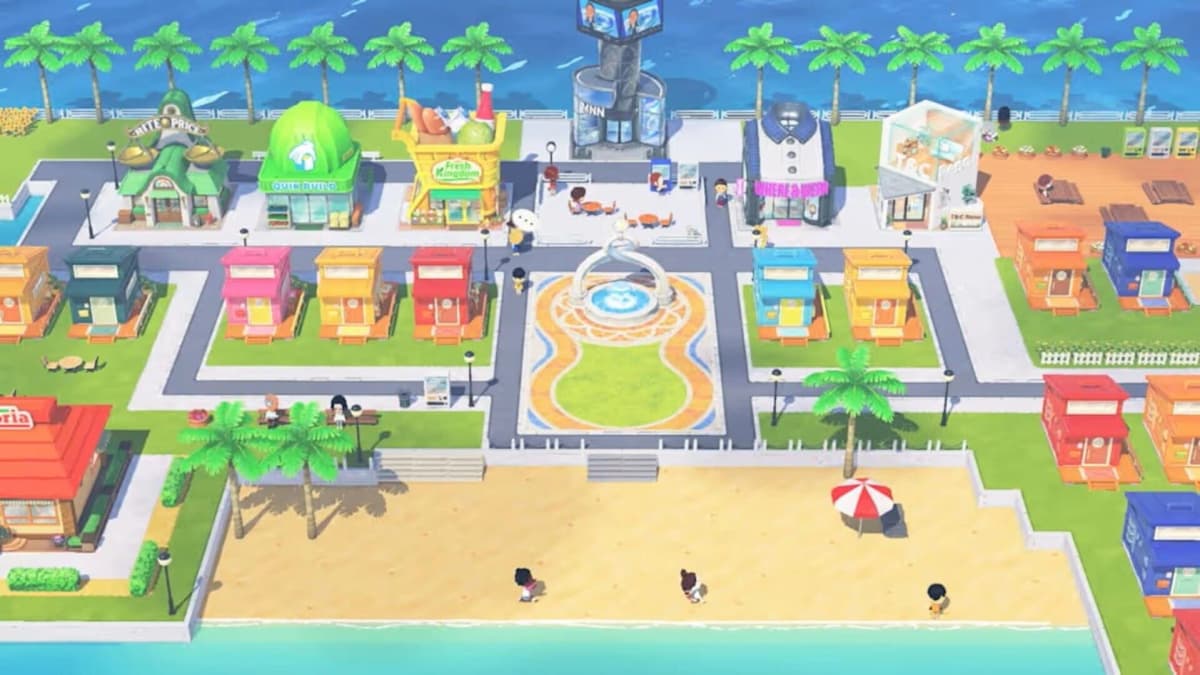
The UI deserves a nod. Tomodachi Life has always risked feeling like a mess of random menus, but A Dream Life’s structure is easy to parse. Big, clear icons guide you to the apartment tower, island locations, and customization tools, and the game is quick to surface ongoing events so you don’t feel like you’re hunting for fun. A newcomer could jump in and “get it” within a few minutes.
The Repetition Question That Won’t Leave My Head
Every time I’ve closed the game so far, I’ve had the same paired thoughts: “That was delightful” and “How long can this really last?” The preview days have been full of great little vignettes: a Mii fighting with a seagull in a dream, an unlikely couple forming out of nowhere, an apartment redecorated into a ridiculous theme park room because I gave a gift at the wrong time.
But already, patterns are emerging. Certain joke formats repeat, only with different foods, different outfits, or different characters slotted in. The magic trick still works for now because my own emotional attachment to the Miis carries a lot of weight. I care that it’s my friend being a drama queen about ramen, not a generic villager.
The big unknown is whether Nintendo has packed enough variety and edge-case interactions into the full game to keep that emergent comedy feeling fresh across months, not just weeks. The 3DS original ultimately hit a ceiling for many players; once you saw enough of the event types, the stories started to blur together. A Dream Life feels like it’s learned from that, but I can’t honestly say yet that it’s fully escaped the same fate.
Who Tomodachi Life: A Dream Life Is (Probably) For
Based on the preview build, this feels aimed squarely at a few specific groups:
- Story enjoyers who don’t need big plots: If you love collecting little anecdotes and character moments, this is a goldmine.
- People who already adore Miis: If you’ve been making cursed Mii creations since the Wii days, this is basically your sandbox.
- Busy players wanting a low-commitment routine: The 15-20 minute daily check-in style fits neatly into real-life schedules.
- Social gamers who think in “what if X met Y?” terms: Dropping friends, celebrities, or fictional characters into the same tower is inherently funny.
If, however, you bounce hard off games that don’t give you clear objectives, or you need robust long-term systems to chew on, this may feel like a toy you poke at for a week and then abandon. It’s deliberately lightweight compared to full management sims, and it doesn’t apologize for that.
FinalBoss // Gear
Level up your setup
01Top-rated gaming headsetson Amazon→02High-refresh gaming monitorson Amazon→03Gaming chairson Amazon→04Discounted game keyson Kinguin→Affiliate links · As an Amazon Associate, FinalBoss earns from qualifying purchases.
Want to Level Up Your Gaming?
Get access to exclusive strategies, hidden tips, and pro-level insights that we don't share publicly.
Ultimate Reviews Strategy Guide + Weekly Pro Tips