
This caught my attention because Tomodachi Life was one of those quirky Nintendo experiments that left a visible hole in its legacy: the 2014 original refused same-sex marriages and kept gender rigid. The sequel, Tomodachi Life: Living The Dream, doesn’t just patch that hole – it rethinks character identity and relationships in ways that actually matter to players.
Table of Contents (5)
Tomodachi Life: Living The Dream – What Nintendo Actually Changed
- Core inclusivity: non-binary gender option, pronoun badges, and configurable dating preferences enabling same-sex relationships and families.
- Relationship systems revamped: dating, weddings, babies and rivalry mechanics now work across any gender pairing.
- Customization and creation: deeper Mii editor, Studio Workshop for art and decor (enhanced on Switch 2), and island themes that can lean into Pride-friendly aesthetics.
- Launch plans: April 16, 2026 release on Switch (backwards compatible with Switch 2); pre-orders live with standard and Launch Edition bundles.
{{INFO_TABLE_START}}
Publisher|Nintendo
Release Date|April 16, 2026
Category|Life sim
Platform|Nintendo Switch (and Switch 2 via backward compatibility)
{{INFO_TABLE_END}}
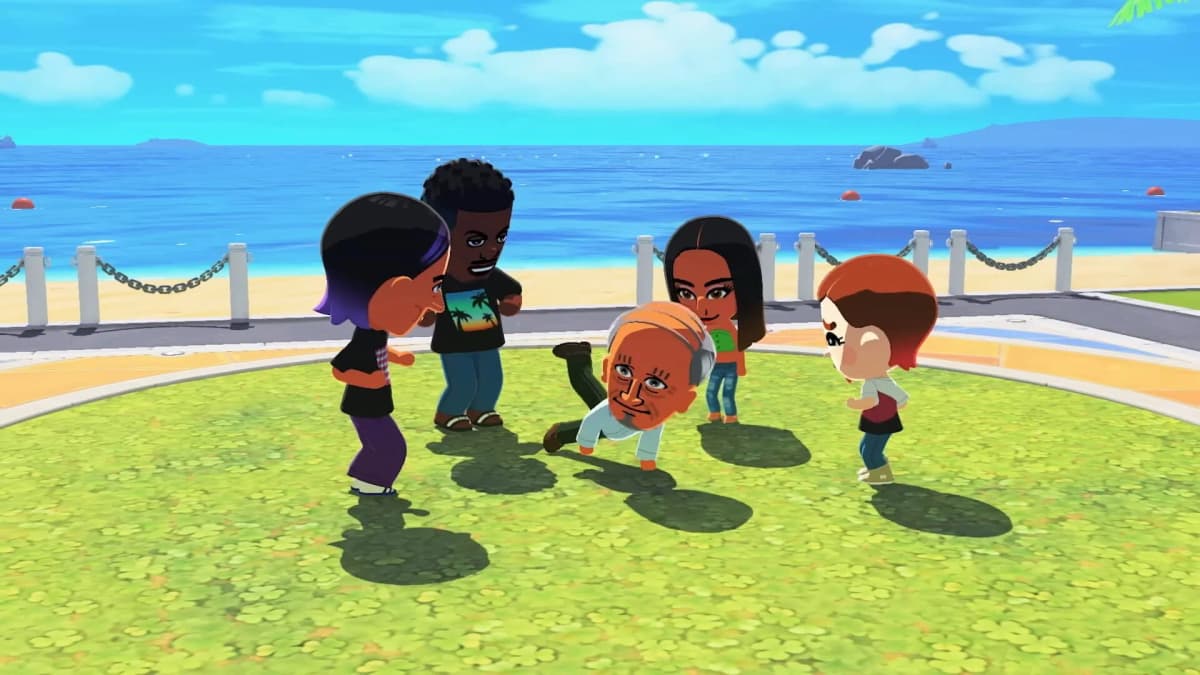
Nintendo’s January Direct condensed the big changes into readable systems rather than a single “inclusivity” checkbox. The headline items – Male / Female / Non‑Binary selection and dating preferences (straight, gay, bi, pan, asexual) — feed directly into in-game behaviour: who confesses to whom, who flirts, and who can marry and raise children together. Those outcomes are visible in trailers and the Direct: kisses, ceremonies, babies, and legacy traits passed between parents. That sequence matters because it makes representation functionally identical to heteronormative play paths instead of an afterthought.
As someone who’s followed Nintendo’s social sims for years, this feels like both overdue and thoughtfully implemented. The Mii editor borrows proven tools from recent Miitopia and expands them — more body types, unisex clothing, asymmetrical styles, and visible pronoun badges. The Studio Workshop and island theming let creators lean into identity visually: you can build a “Pride Paradise” and populate it with ceremonies that look and feel celebratory rather than tokenized.
Gameplay and social design — why the mechanics matter
Mechanically, Nintendo avoided a superficial change by wiring inclusivity into relationship progression. Dating preferences influence AI confessions; gifts and activities raise affinity; weddings and baby mechanics inherit traits. That makes same‑sex couples operationally identical to any other couple — they compete for dates, can spark jealousies, and build families. For players that want diversity in emergent stories, that parity is what counts.
One sensible constraint: Nintendo leans on local wireless Mii sharing rather than opening broad online uploads. That reduces moderation burdens but also slows community exchange. If Nintendo follows through with the teased moderated online sharing, the shift could unlock a thriving global economy of couples and islands — as long as moderation tools are reasonable and transparent.
Switch vs Switch 2 — who should care?
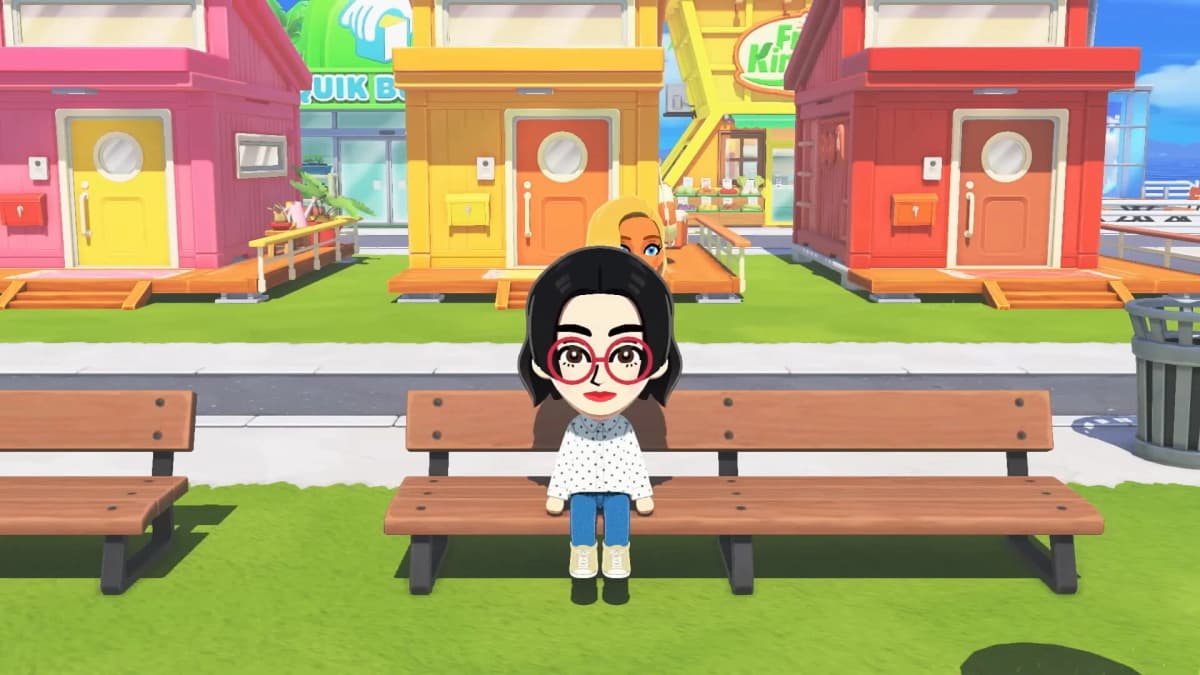
Core gameplay is the same on both systems, but creators get more precise tools on Switch 2: mouse-controlled Workshop features, faster load times and higher fidelity visuals. For most players the standard Switch experience will deliver the new relationship systems and customization fully; creators and power users chasing pixel-perfect custom art will prefer Switch 2.
What this means for players and the community
Practically: you can build islands that reflect modern families, trade diverse Mii couples locally, and stage ceremonies that look like actual weddings rather than coded events. For the community, this is a narrative closure — long-time fans called it a “redemption arc” after 2014. For newcomers, it’s a contemporary life sim that blends Animal Crossing‑style island life with Sims‑like relationship depth.
My skepticism is modest and specific: online sharing timelines and moderation remain the key wildcards. If Nintendo opens uploads without robust moderation tools or community reporting, the experience could be frictioned. But Nintendo’s apparent choice to start local-first suggests they’re trying to get the social architecture right before scaling.
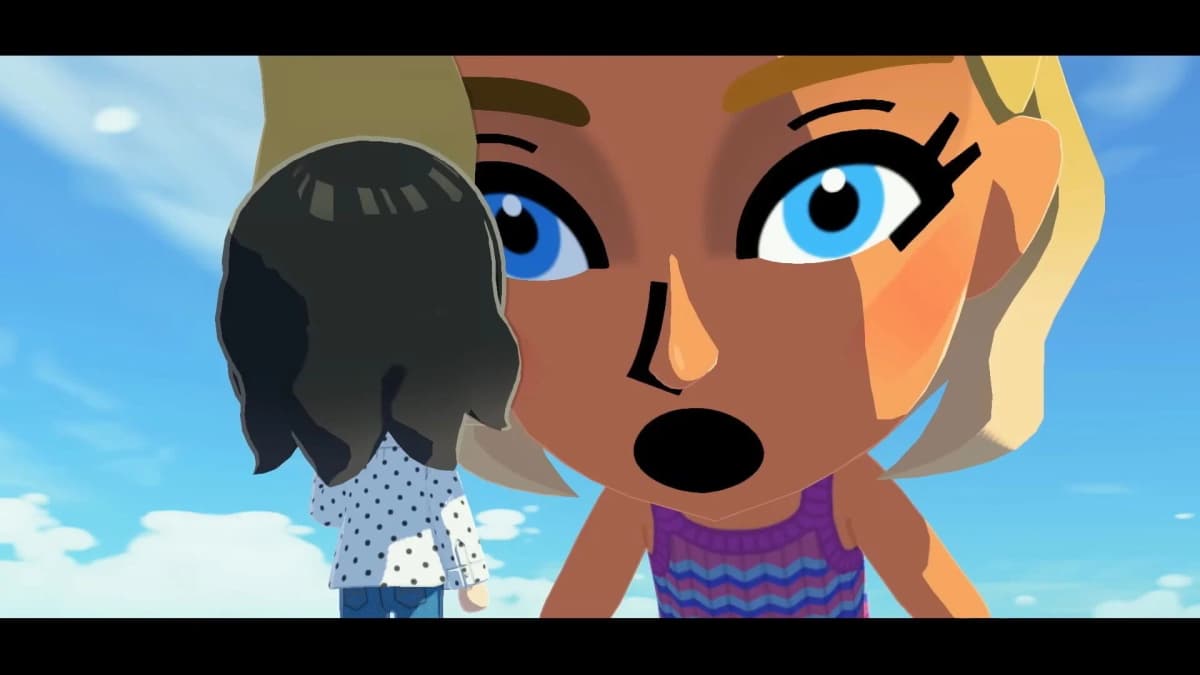
Final practical note: pre-orders and Launch Edition bonuses matter for collectors and creators who want the Dream Wedding theme pack. Functionally, inclusivity is not gated behind premium content — the relationship systems are core to the game.
TL;DR
Tomodachi Life: Living The Dream finally treats gender and romance as first-class systems: non-binary Miis, pronoun support, configurable dating preferences and same-sex weddings make identity part of gameplay rather than a menu item. It’s not just symbolic — these changes are woven into how relationships form and evolve. For players who wanted an inclusive, playful life sim from Nintendo, this is the sequel we should have seen years ago.
FinalBoss // Gear
Level up your setup
01Top-rated gaming headsetson Amazon→02High-refresh gaming monitorson Amazon→03Gaming chairson Amazon→04Discounted game keyson Kinguin→Affiliate links · As an Amazon Associate, FinalBoss earns from qualifying purchases.