
Set the personality before you finish the face. In Tomodachi Life: Living the Dream, a Mii only feels like the real person when its sliders match how they move, talk, and react — and those five sliders quietly sort every Mii into one of 16 hidden personality types that drive its animations, social scenes, and even its house color.
Table of Contents (14)
The short version
- Personality is built from five sliders, each with eight steps: Movement, Speech, Expressiveness, Attitude, and Overall.
- Only the first four shape the result. Overall is cosmetic — it does not change the personality calculation.
- The combination places your Mii into one of 16 hidden personality types, grouped into four families: easy-going, energetic, reserved, and confident.
- The chosen group sets your Mii’s house/apartment exterior color and its starting clothing color — each family has a fixed palette.
- Personality does not directly decide who falls in love or becomes friends. It controls behavior and presentation, not relationship outcomes.
- Build from behavior, not appearance, and leave any slider you can’t justify near the middle.
How the personality system actually works
Tomodachi Life: Living the Dream uses five personality sliders, each with eight steps. They are Movement, Speech, Expressiveness (renamed Energy in the Switch sequel), Attitude (sometimes labeled Thinking), and Overall. The first four feed the calculation; Overall is purely cosmetic and does not affect which personality you get. There is no “vibe” slider — if a chart calls it that, it is using its own wording for one of these four.
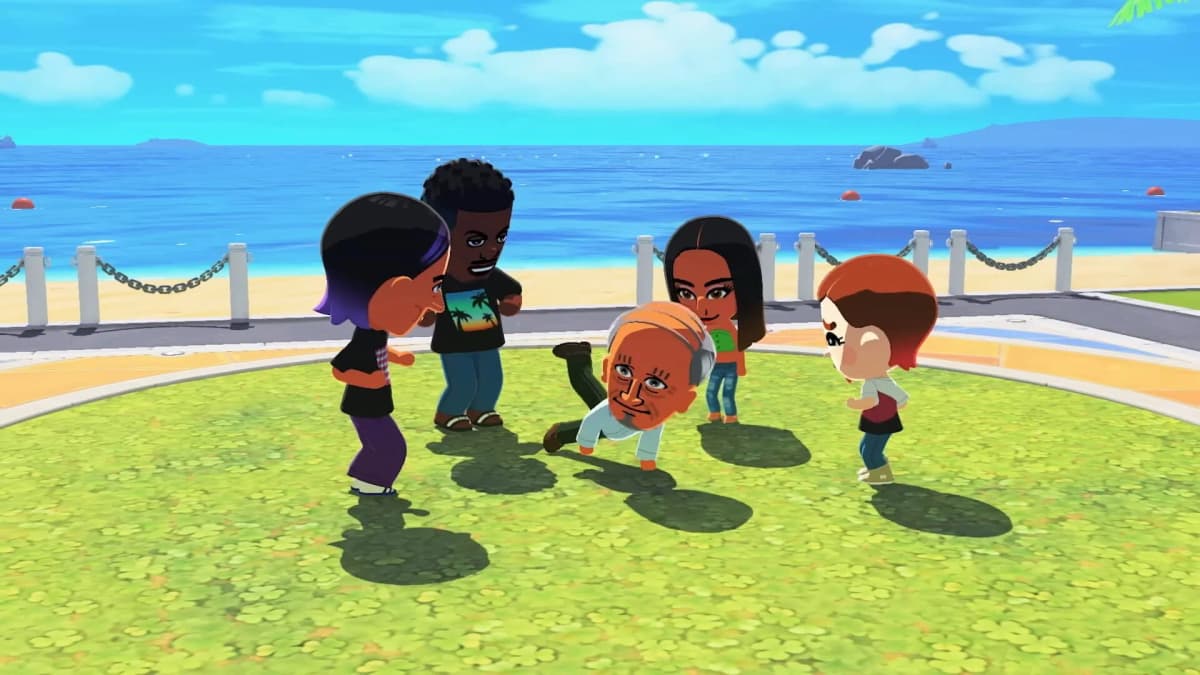
The full combination of those four sliders drops your Mii into one of 16 hidden personality types, and those 16 types are organized into four broader families: easy-going, energetic, reserved, and confident. That hidden type is the thing you are really choosing. It is why two Miis with nearly identical faces can feel completely different once they start talking, arguing, singing, and reacting to nonsense on the island.
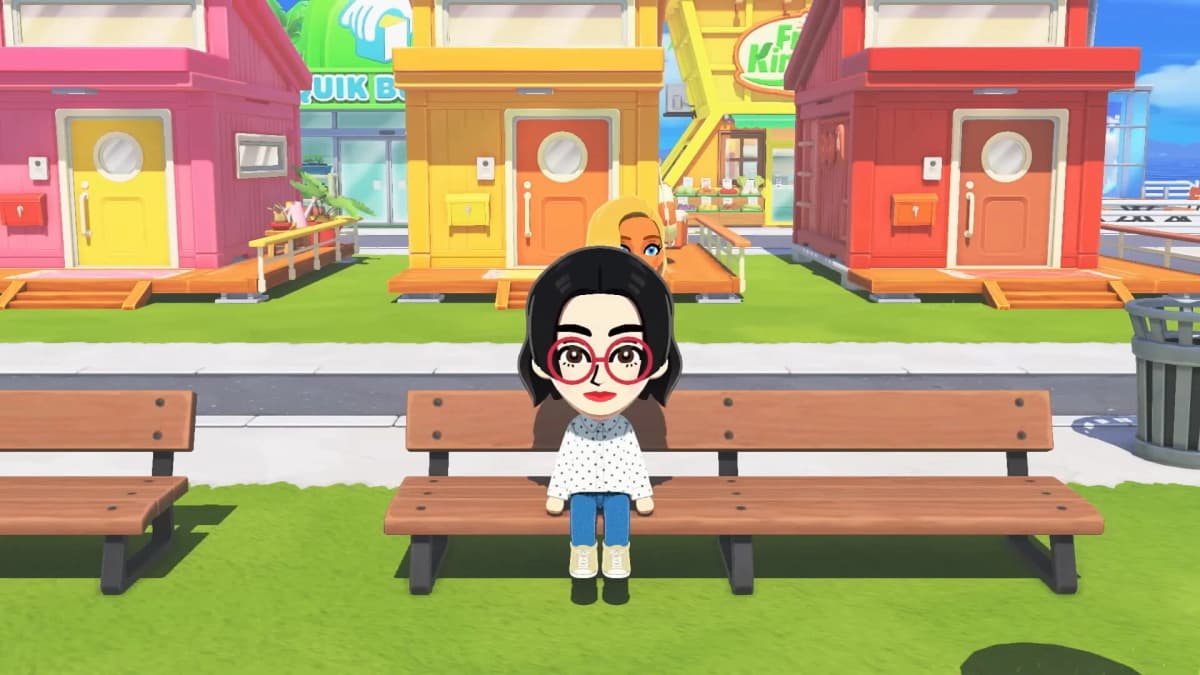
The family also leaves visible fingerprints: it sets the exterior color of the Mii’s house or apartment and the color of its starting outfit, with each group locked to a fixed palette. What it does not do is run your island’s relationships — personality shapes how a Mii behaves, but it does not directly control who they befriend or fall for. Treat it as character flavor and presentation, not a romance cheat code.
Start from behavior, not appearance
Before you touch a single slider, write down three behavioral traits for the person you are recreating. Keep them blunt. Examples: “talks fast, low-key competitive, hides emotions,” or “calm, very polite, suddenly chaotic around friends.” This matters because the editor gives you enough control to overbuild a personality that reads well on paper but stops matching the real person once the game starts generating scenes.
- Pick one trait about social energy.
- Pick one trait about communication style.
- Pick one trait about emotional visibility or stubbornness.
With those three traits in hand, open Personality on the Mii creation screen. Make each slider answer one real question about the person. If you can’t explain why a slider is high or low, leave it near the middle until the rest of the character is clearer.
What each slider should mean in practice
Movement
Use this for physical presence, not fitness. A high Movement setting fits someone who moves quickly, interrupts silence, enters a room loudly, or always seems “on.” A low setting fits someone measured, slow to react, or naturally composed. Players push this too high because lively animations are more fun to watch, but that instantly makes a calm person feel wrong.
Speech
Think about how direct the person sounds. High Speech suits blunt, chatty, or very expressive people. Lower values fit quieter, softer, or more careful speakers. If the real person chooses their words carefully, pushing this slider too far turns them into a caricature.
Expressiveness
This is not the same as being outgoing — someone can be social but unreadable, or shy but emotionally obvious. Set Expressiveness based on whether the person wears their mood openly. If people can tell instantly when they’re annoyed, excited, or embarrassed, raise it. If they keep a straight face through everything, lower it. (In the Switch sequel this slider is labeled Energy.)
Attitude
This is where most Miis go off-model. Confidence is not aggression, and reserve is not insecurity. Ask whether the person tends to lead, push back, and act certain, or whether they prefer to observe, defer, and avoid friction. Attitude (sometimes shown as Thinking) does the heavy lifting in making a Mii feel accurate during social scenes.
Overall
The fifth slider, Overall, is cosmetic. It does not feed the hidden personality calculation, so don’t agonize over it the way you do the other four — set it to taste and move on. If a Mii feels off, the fix is in Movement, Speech, Expressiveness, or Attitude, not here.
A reliable method for landing the right family
If you want a Mii to match without chasing spreadsheets, build in this order. First set Movement (the person’s social energy). Second set Speech (their communication style). Third decide whether they read as reserved or confident with Attitude. Only then fine-tune Expressiveness. That order locks in the broad family first, then nudges the Mii toward a more precise hidden type.
- Easy-going family: relaxed, flexible, patient characters who rarely dominate a room.
- Energetic family: talkative, restless, dramatic, or highly reactive people.
- Reserved family: private, careful, shy, or internally intense personalities.
- Confident family: self-assured, decisive, blunt, or naturally leader-like characters.
There is no fully official public table that lists the exact slider combination for all 16 types, so treat fan charts and community simulators as prediction tools, not gospel. They’re genuinely useful when you want a specific hidden type or are trying to collect all 16 across an island — use them to narrow your choice, then fine-tune in game.
Three sample setups that usually work
Quiet but dependable: low Movement, low Speech, medium Expressiveness, and a middle-to-slightly-firm Attitude. This lands close to a reserved or easy-going type without making the Mii feel lifeless.
Loud class clown: high Movement, high Speech, high Expressiveness, and a medium Attitude. Keep Attitude below the maximum if the person is funny rather than domineering; otherwise the Mii reads as bossy instead of entertaining.
Calm authority figure: medium Movement, controlled Speech, lower Expressiveness, and high Attitude. This is the setup for someone clearly in charge without behaving like a cartoon villain.
Common mistakes that make a Mii feel wrong
- Maxing every slider for fun: this creates noise, not personality. The Mii just becomes generically chaotic.
- Sweating the Overall slider: it’s cosmetic and doesn’t change the personality type, so spending time on it instead of Attitude is wasted effort.
- Copying the face perfectly but guessing the temperament: the look can be spot-on and still feel fake if the reactions are off.
- Building the idealized version of a person: if your “confident” friend is actually awkward in groups, the game exposes the mismatch fast.
- Expecting personality to run relationships: it shapes behavior and presentation, but it does not directly decide who befriends or falls for whom.
Practical takeaway
Match the person’s social rhythm first, their visual style second, and leave the cosmetic Overall slider for last. Set Movement, Speech, Expressiveness, and Attitude from real behavior; let the four families guide you to the right house color and outfit; and remember that the hidden type controls flavor, not friendships. Get those four sliders honest and the right personality usually falls into place on its own.
FinalBoss // Gear
Level up your setup
01Top-rated gaming headsetson Amazon→02High-refresh gaming monitorson Amazon→03Gaming chairson Amazon→04Discounted game keyson Kinguin→Affiliate links · As an Amazon Associate, FinalBoss earns from qualifying purchases.
Want to Level Up Your Gaming?
Get access to exclusive strategies, hidden tips, and pro-level insights that we don't share publicly.
Ultimate Guide Strategy Guide + Weekly Pro Tips