
Tomodachi Life: Living the Dream just got the kind of patch players actually need: not a shiny content drop, not a roadmap tease, but a cleanup pass for the bugs that can poison trust in a life sim fast. Version 1.0.2 focuses on progression blockers, false save-corruption warnings, local-play transfer problems, and a grab bag of behavior glitches that range from funny to genuinely run-killing. If you were waiting to see whether Nintendo would move quickly on the ugly stuff, this is the answer.
That matters because life sims live or die on routine. Players invest dozens of hours building an island, nudging relationships, decorating spaces, and letting systems bounce off each other. The second a game starts throwing up “your save is corrupted” messages, halting island progression, or breaking transfers between local sessions, it stops being quirky and starts being radioactive. Nintendo’s 1.0.2 patch is basically an emergency trust repair job, and to its credit, it targets the right problems first.
Table of Contents (5)
This is a stability patch, not a “look over here” distraction
The public framing for 1.0.2 is simple: “improves the overall gameplay experience.” In plain English, that means bug fixes. No new features. No extra activities. No attempt to bury serious issues under a novelty item and a cheerful trailer. That restraint is worth noting because plenty of studios love to treat post-launch triage like a branding exercise. Nintendo didn’t, at least not here.
The most important fixes are the progression-related ones. Nintendo says it addressed a case where the game could stop progressing after players had significantly developed their island, along with a separate issue where changing a house exterior at the Palette House could halt progress entirely. That’s not minor UI weirdness. That’s the kind of state-management problem that hits the exact people most invested in the game: the players deep enough into the sim to have built something worth preserving.
If you’ve played enough management or life sims, you know why this lands hard. These games are basically towers of interlocking flags, routines, schedules, relationships, and cosmetic states. One bad trigger condition can quietly wreck hours of progress. So when patch notes mention progression stopping after “extensive” island development, the uncomfortable read is obvious: some of the late-game or long-session logic clearly wasn’t as stable as it needed to be at launch.
The save-corruption warnings were the real reputation risk
The scariest line in the patch is also the most revealing. Version 1.0.2 fixes scenarios where players could see a “save data is corrupted” message after a successful Mii confession, preventing saves, and another case where a similar corruption warning could appear after multiple Miis started living together. Reporting around the patch consistently points to these as false positives rather than proof that every affected save was permanently destroyed, which is the good news.
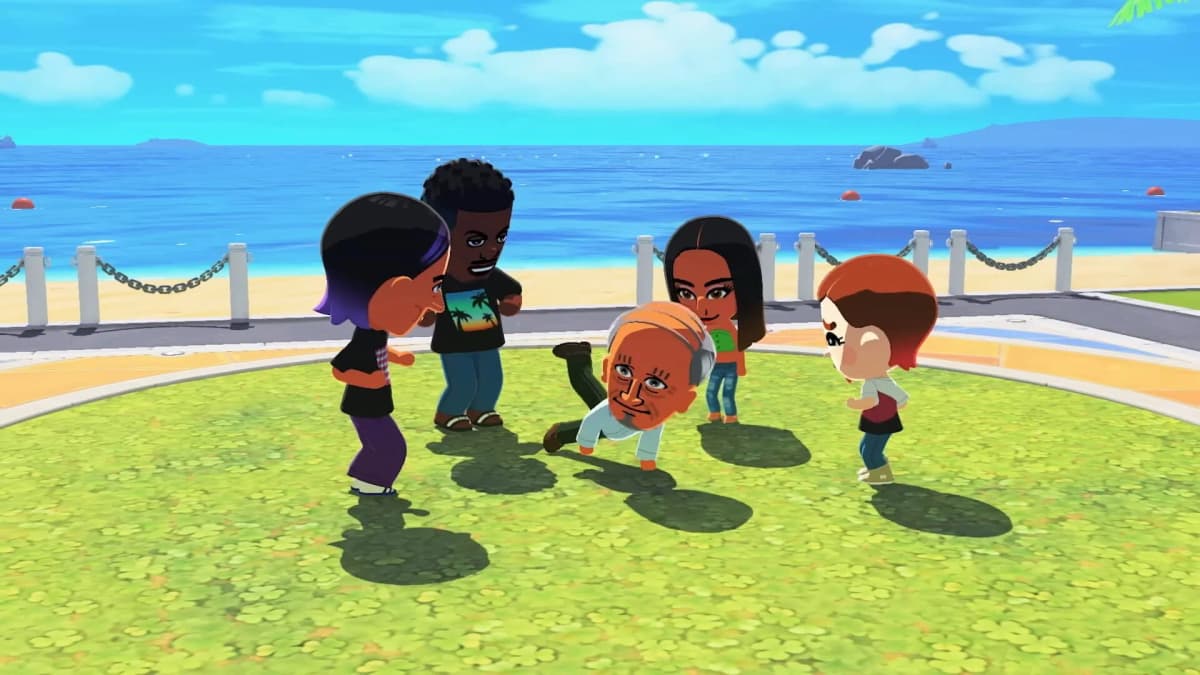
The bad news is that the distinction barely matters in the moment. A false corruption warning is still a trust nuke. Most players do not stop, open a technical thread, and calmly parse whether the failure is a true file-integrity disaster or a busted validation check. They see “corrupted,” assume the worst, and start wondering whether they should keep playing at all.
That’s the real story here. Not that Nintendo fixed a string error or a one-off flag. It fixed the sort of issue that can permanently alter community sentiment around a cozy game. Life sims depend on emotional continuity. Players remember weddings, confessions, breakups, weird little grudges, and the stupidly specific apartment layouts they spent an hour tweaking. If the save system looks unreliable, the whole fantasy collapses.
The obvious PR question Nintendo would rather not dwell on is how widespread these cases actually were before 1.0.2 landed. The patch notes confirm the bugs existed. What they do not spell out is how often they occurred, whether some users are already stuck with damaged progress states, or whether every affected case is fully recoverable after updating. That missing detail is what players should keep in mind.
A lot of the smaller fixes point to one thing: systemic weirdness
Beyond the headline problems, 1.0.2 also cleans up a cluster of smaller issues that tell you a lot about the game’s launch condition. Nintendo addressed rare errors when switching scenes, local-play transfer failures, trouble placing the wishing fountain after using Island Builder, and behavior bugs involving Mii emotions and relationships. Coverage of the patch also notes fixes for cases where residents could stay sad permanently or act in ways that broke expected relationship outcomes, including anger affecting crushes in unintended ways.
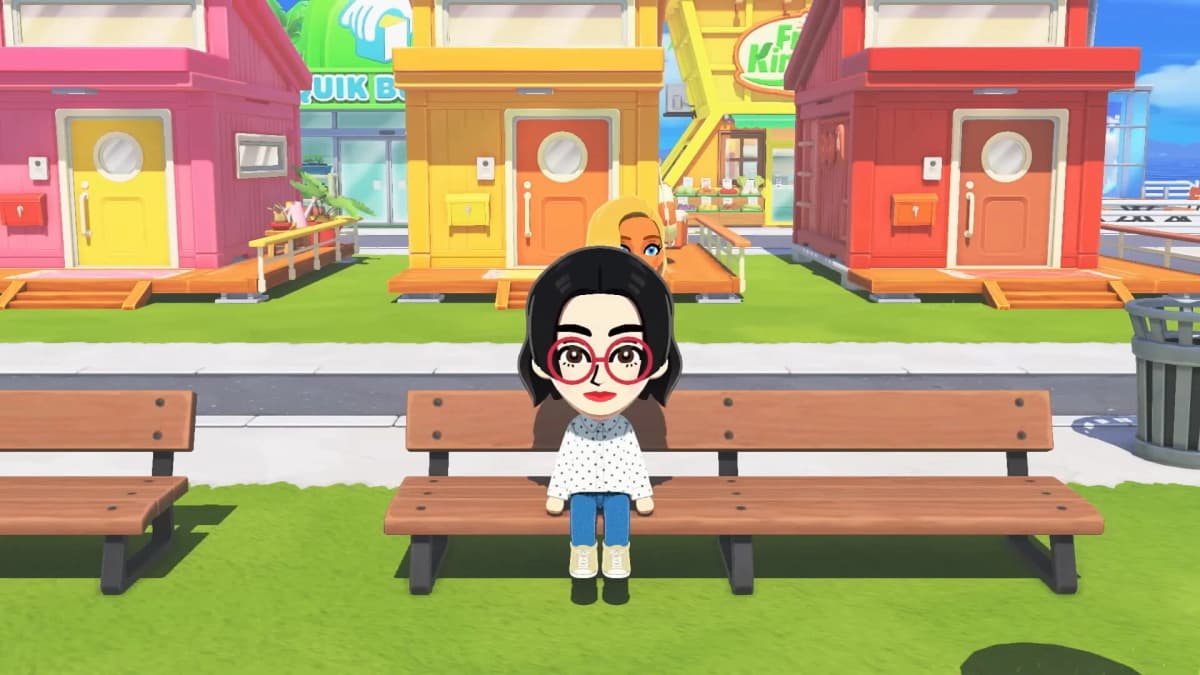
Individually, some of these sound almost charming in that deeply Tomodachi way. A social sim where emotions go off the rails is at least thematically on-brand. But there’s a line between emergent comedy and broken simulation logic, and players can tell the difference. If a Mii acts weird because the systems bounced off each other in a funny way, that’s the game doing its job. If a Mii gets trapped in the wrong emotional state because a flag failed to reset, that’s not comedy. That’s a bug with a silly hat on.
The local-play transfer fix is especially important for a Nintendo game built around social friction and sharing. These features are supposed to be low-drama. When transfer functionality misfires, it undercuts one of the platform’s oldest strengths: frictionless couch-and-handheld social play. It’s not the sexiest line in the notes, but it’s one of the most practical.
There’s also a corrected sugar glider image in the patch. That one is pure patch-note comedy: a tiny visual fix sitting next to progression halts and fake corruption warnings like it wandered into the wrong meeting. But even that detail reinforces the point. This is a broad maintenance pass. Nintendo wasn’t just targeting one broken quest chain. It was sweeping through multiple layers of the experience.
What this patch really says about the launch window
The charitable read is that Nintendo identified serious issues quickly and pushed a focused fix before they metastasized into the game’s defining narrative. That’s true. The less charitable read is that 1.0.2 exists because some of these bugs were severe enough to threaten the basic contract of the game. That’s also true.
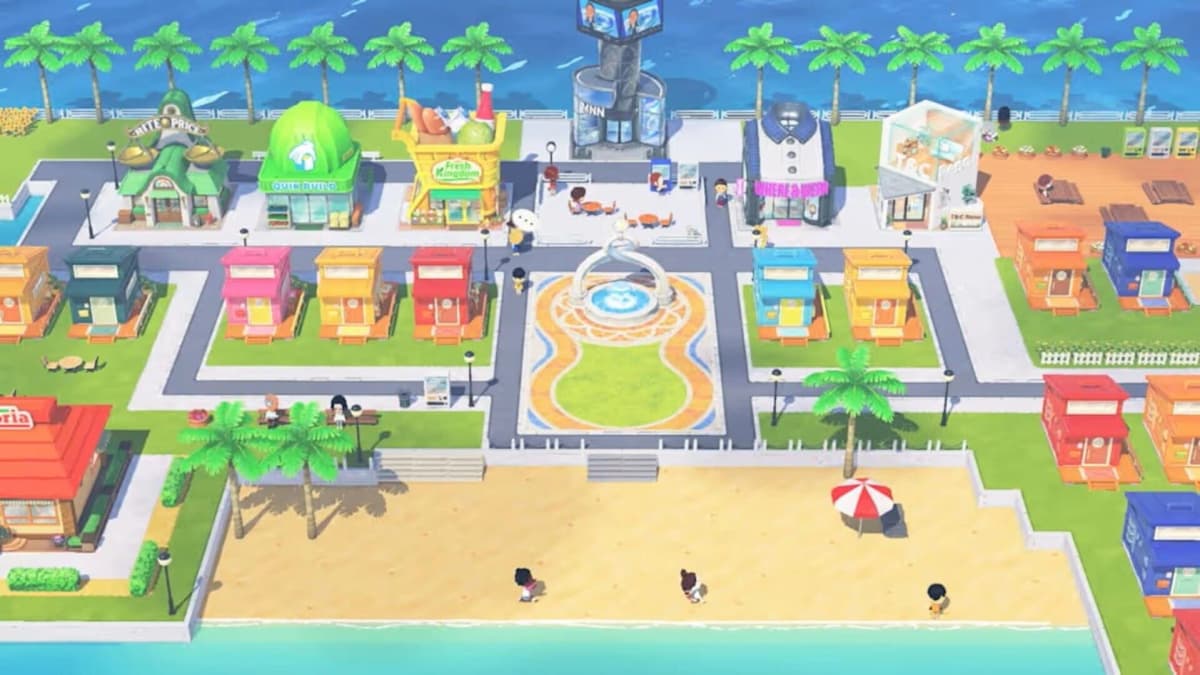
And that distinction matters because Tomodachi Life: Living the Dream is the kind of game that invites long-term attachment. This isn’t a disposable weekend release where a rough quest can be shrugged off and forgotten. It’s closer to the Animal Crossing end of the spectrum in one crucial way: players build habits around it. Once that happens, stability stops being a nice extra and becomes the product. If Nintendo wants this one to have legs, patches like 1.0.2 are the minimum requirement, not bonus goodwill.
It also says something useful about what players should expect next. When a patch spends this much energy on progression, save behavior, transfer systems, and emotional-state cleanup, that usually means the team is still hardening the foundation. So if anyone was hoping 1.0.2 would sneak in feature expansion or meaningful content additions, this was the wrong update to pin that on. First they need the floor to stop wobbling.
What to watch after 1.0.2
The next signal is not another marketing beat. It’s whether reports of island softlocks, save warnings, and transfer failures actually fall off after this patch. That’s the metric that matters. If community chatter shifts from “my file says corrupted” to ordinary life-sim nonsense, 1.0.2 did its job.
- Watch for whether Nintendo issues any follow-up guidance for players who hit corruption warnings before updating.
- Watch for a 1.0.3 patch if scene-switching errors or relationship-state bugs keep surfacing.
- Watch the tone of player reports from heavily developed islands, because that’s where the nastiest progression issue seems to have lived.
- Watch local-play impressions specifically, since transfer fixes tend to reveal themselves only after a wider group tests them in the wild.
Right now, 1.0.2 looks like the patch Tomodachi Life: Living the Dream needed more than the patch it could advertise. For players, that’s fine. A stable life sim is more valuable than a flashy one with a haunted save system.
FinalBoss // Gear
Level up your setup
01Top-rated gaming headsetson Amazon→02High-refresh gaming monitorson Amazon→03Gaming chairson Amazon→04Discounted game keyson Kinguin→
Affiliate links · As an Amazon Associate, FinalBoss earns from qualifying purchases.
Want to Level Up Your Gaming?
Get access to exclusive strategies, hidden tips, and pro-level insights that we don't share publicly.
Ultimate Gaming Strategy Guide + Weekly Pro Tips