
Table of Contents (7)
Why this anniversary matters: Total War wasn’t planned – it happened
What started as a tiny sports-sim team doing work-for-hire quietly reinvented itself through abandoned projects, hacked-together tech and a few big gambles. That’s the throughline of Creative Assembly’s 25th-anniversary oral history in Sixth Axis: Total War didn’t arrive because someone in a boardroom had a master plan. It arrived because a small studio kept experimenting until an accidental camera transform and a risky take on feudal Japan made a new kind of strategy game unavoidable.
- Key fact: Creative Assembly traces Total War’s origins to late‑90s sports sims, a cancelled RPG and an experimental 3D camera that flipped the studio’s direction.
- Big picture: That opportunistic DNA is exactly why CA is developing two very different giant games at once – Total War: Warhammer 40,000 and Total War: Medieval III.
- The uncomfortable bit: the same spirit that created breakthroughs also risks stretching the studio thin – and Sixth Axis’ interview leaves questions about resources, engine reuse and monetisation unanswered.
Total War was born from opportunism, not strategy
Sixth Axis’ interview with Kevin McDowell, Ian Roxburgh, Jack Lusted and Scott Pitkethly makes a blunt point: Creative Assembly didn’t plan to make the franchise you know. The team’s sports-sim tech gave them rolling 3D terrain and voxel models. One programmer repurposed a top-down camera into a “general’s-eye” view. That technical pivot, plus a taste for risky settings (Shogun), spawned the formula: tactical real‑time battles built into a strategic campaign map.
That chain-reaction origin matters because it explains how CA has kept reinventing the template — from Shogun’s Sengoku clash to Rome’s cinematic 3D map to the leap into Warhammer fantasy. Success wasn’t a product roadmap; it was a willingness to try things that looked half-baked until they weren’t.
The uncomfortable observation the PR team hopes you miss
Here’s what the interview doesn’t aggressively sell: opportunism scales poorly. Turning experimental patches into repeatable production pipelines is hard work. Now CA is splitting its attention between a galaxy‑scale Warhammer 40K title — community reporting suggests a campaign spanning planets, orbital fleets and heavily asymmetric factions — and Medieval III, a return to CA’s historical DNA that players expect to be technically and mechanically ambitious. That’s two gigantic engineering problems at once.
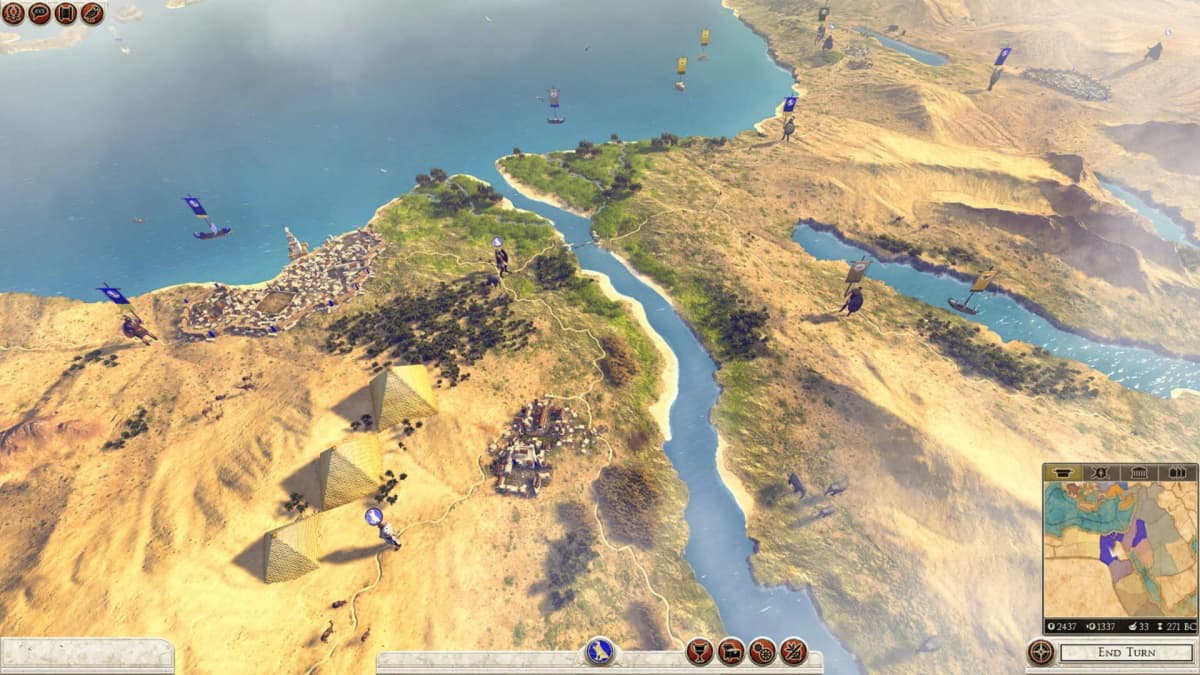
Sixth Axis quotes CA on the studio’s tool-driven growth — the BBC’s Time Commanders collaboration even forced early development of cinematic cameras and scripting systems — which underlines CA’s strength: building tooling while shipping. But the interview stops short of explaining how those teams are resourced, whether one codebase underpins both games, and how the publisher intends to monetize or support these games long-term. Those are the details that decide whether this era feels like another creative high or a slow splintering.
Why the next two releases matter more than a logo or anniversary stream
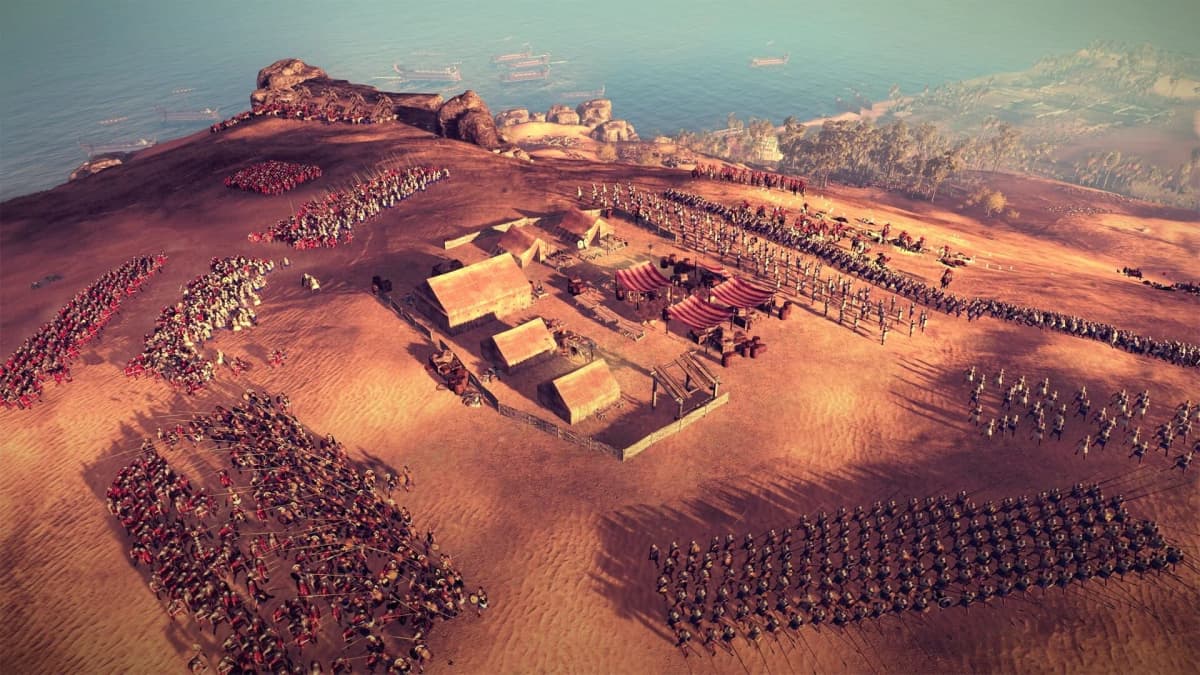
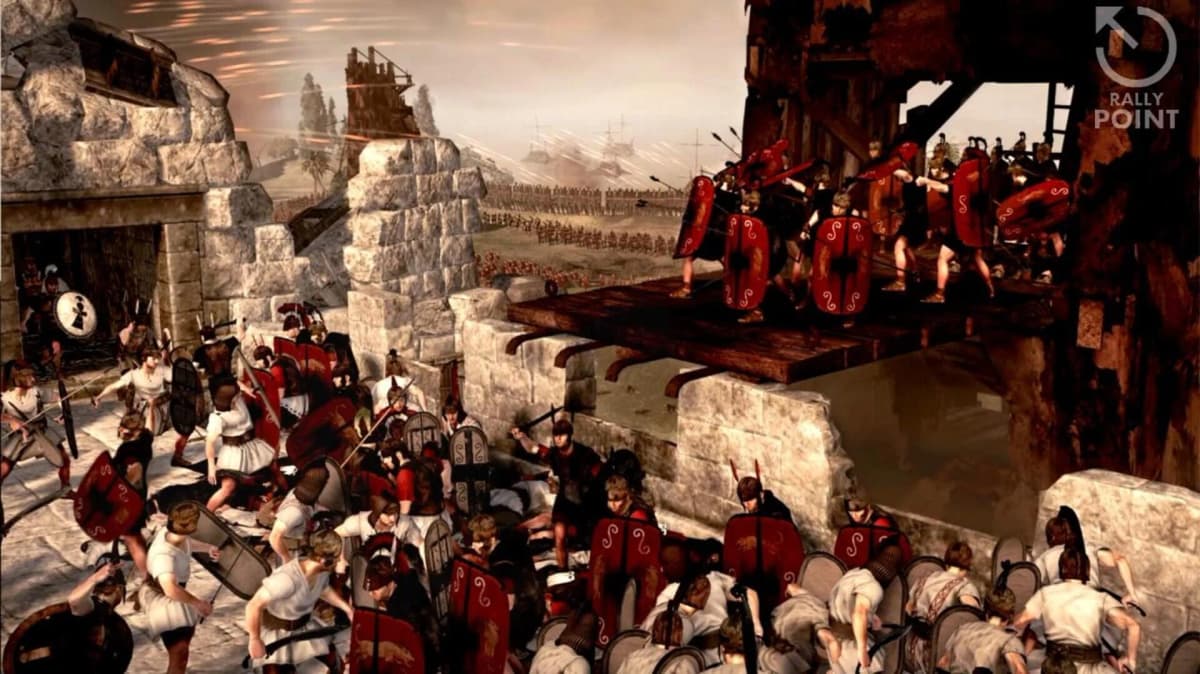
Medieval III is a test of CA going back to its historical roots with modern expectations: bigger maps, smarter AI, deeper campaign systems and siege warfare that doesn’t feel recycled. Warhammer 40K is a more radical bet: moving Total War’s DNA into grimdark sci‑fi where campaign scale, unit asymmetry and momentum operate very differently. If community reporting is right, 40K will push CA to support wildly different playstyles — from elite, small-unit tactics to massed horde assaults — on a single, coherent platform.
The question the interview didn’t answer (and the one I’d put to PR)
How do you split engineering and design capacity between two flagship projects that each demand systemic innovations? Specifically: are both games sharing an upgraded core engine and AI stack, or are they parallel codebases? And what’s the plan for monetisation — seasonal DLC, live services, or the older Total War model of paid expansions?
What to watch next — concrete signals
- First gameplay trailer/reveal date for Total War: Warhammer 40K — look for campaign-map footage and explicit notes on asymmetry and fleet/planet mechanics.
- Medieval III technical deep dive — an engine/AI reveal or dev diary that shows whether siege and campaign rule systems were rebuilt or iterated.
- Staffing and job postings — big hiring pushes for AI, network engineering or live‑services roles hint at where resources are going.
- Monetisation signals — pre-order models, early-access windows, or mentions of season passes in PR materials.
Short version: CA’s history proves it can turn tech accidents into genre-defining games. The question now is whether that opportunistic muscle can be focused on two very different major projects without sacrificing polish or spreading the studio thin. For players, the next six to twelve months — first substantive reveals, tech deep dives and concrete release plans — will tell us which side of that bet pays off.
TL;DR
Total War grew from abandoned projects and hacked tech into a franchise because Creative Assembly treats experimentation as a production strategy. That same improvisational DNA explains why CA is tackling both Warhammer 40K and Medieval III now — bold, but risky. Watch for engine/AI reveals, staffing changes and monetisation plans to see whether this era becomes another creative high or a resource-stretching stumble.
Source: Sixth Axis interview with Creative Assembly (25th anniversary feature). Background reporting from community outlets has highlighted early 40K design talk about planet-scale campaigns and asymmetric factions.
FinalBoss // Gear
Level up your setup
01Graphics cardson Amazon→02Gaming laptopson Amazon→03High-refresh gaming monitorson Amazon→04Discounted game keyson Kinguin→Affiliate links · As an Amazon Associate, FinalBoss earns from qualifying purchases.
Want to Level Up Your Gaming?
Get access to exclusive strategies, hidden tips, and pro-level insights that we don't share publicly.
Ultimate Gaming Strategy Guide + Weekly Pro Tips