
Transport Fever 3 Adds Helicopters, Cargo Trams and Real Depth — Here’s What Actually Matters
Game intel
Transport Fever 3
Transport Fever 3, the ultimate transport tycoon returns, bigger, deeper, and more dynamic than ever. Build the routes that transform the world across land, se…
Transport Fever 3 just leveled up the logistics game – if Urban Games delivers
This caught my attention because Transport Fever is that rare series where tinkering with routes at 2 a.m. feels like meditation – until late-game pathfinding and frame drops shatter the vibe. Urban Games says Transport Fever 3 is a ground-up upgrade: 275+ vehicles (yes, helicopters and cargo trams), rebuilt lighting and weather, richer sound, and new planning tools like station specialization, warehouses, and better highway construction. It’s also slated for PC and consoles in 2026 with full mod friendliness. That’s a lot of promises. Here’s what actually matters for players who’ve wrestled with TF2’s jank and loved it anyway.
Key Takeaways
- Helicopters and cargo trams change last‑mile logistics and remote industry access in a big way.
- Station specialization and warehouses should finally unclog the “everything everywhere” hub chaos.
- Rebuilt tech (lighting, dynamic rain, animations, sound) is great – but we need to see if it fixes late‑game performance.
- Console launch in 2026 raises UI and CPU questions; mod support across platforms is the swing factor.
Breaking down the announcement: What’s actually new
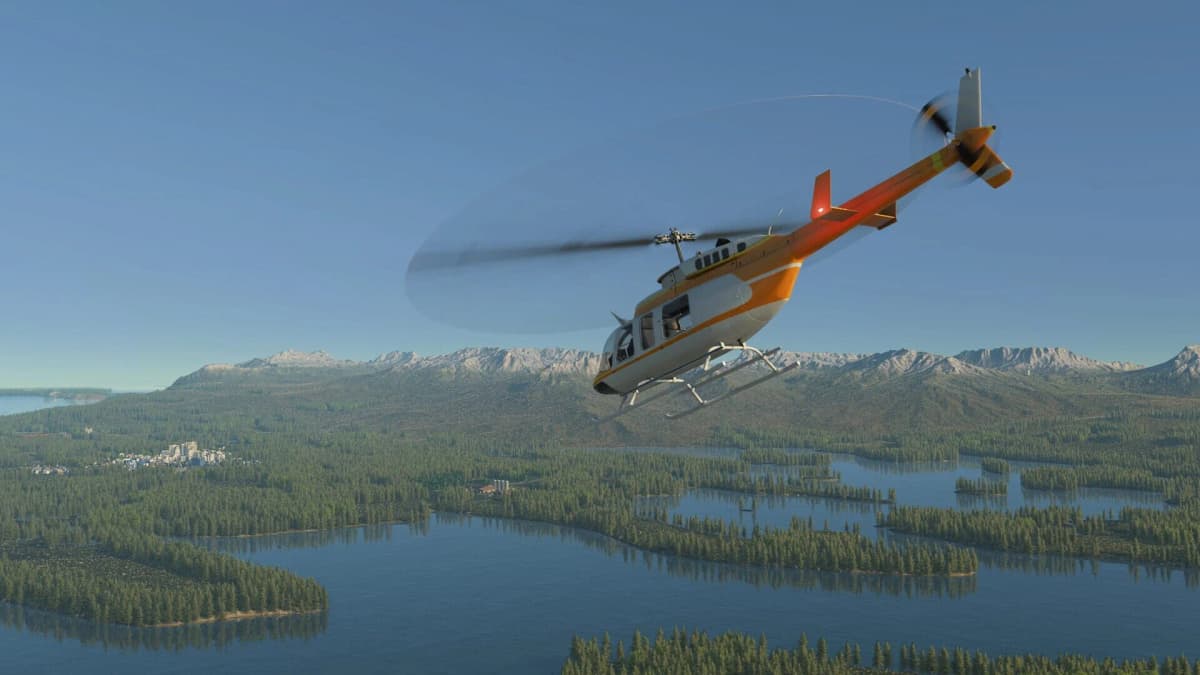
Two additions jump off the page: helicopters and cargo trams. Helicopters are a practical game-changer for industries tucked in brutal terrain or spread across islands. In TF2, you either brute-forced rail or accepted inefficient trucking; choppers introduce a viable high-cost, high-speed alternative for time‑sensitive goods or mail. Cargo trams solve the eternal “last 500 meters” problem in dense cities. Instead of clogging streets with dozens of delivery vans, you can weave freight through urban cores on fixed tracks, keeping traffic tolerable and schedules tight.
On the systems side, station specialization and warehouses sound like the overdue tools TF2 modders tried to jury‑rig. Specialization implies you can designate platforms or terminals by cargo class or service type, trimming the spaghetti of mixed flows that caused endless delays. Warehouses — if they truly buffer and decouple lines — let you run long‑haul trunk routes at optimal cadence while feeders smooth out demand spikes. That’s textbook logistics, and it’s exactly what the series needed.
Highway construction getting love matters more than it sounds. Road building in TF2 was the weakest part of the toolset: imprecise snapping, awkward ramps, and lane behavior that never felt predictable. If TF3’s “improved highway construction” means cleaner grade separation and fewer pathfinding edge cases, we’ll spend less time fighting the UI and more time optimizing networks.
The tech rebuild: Pretty rain is nice — stability is priceless
Urban Games is talking about improved lighting, dynamic rain, more realistic animations, and enhanced audio. Visual upgrades are welcome, but simulation players will judge TF3 on two things: late‑game performance and AI behavior. TF2 could bog down once your save hit megacity scale, and traffic AI sometimes acted like it wanted your timetable dead. A “rebuilt technical foundation” sounds promising; the real test is whether 1,000‑vehicle networks still run smoothly in year 2050 with storms rolling in and freight nodes humming.
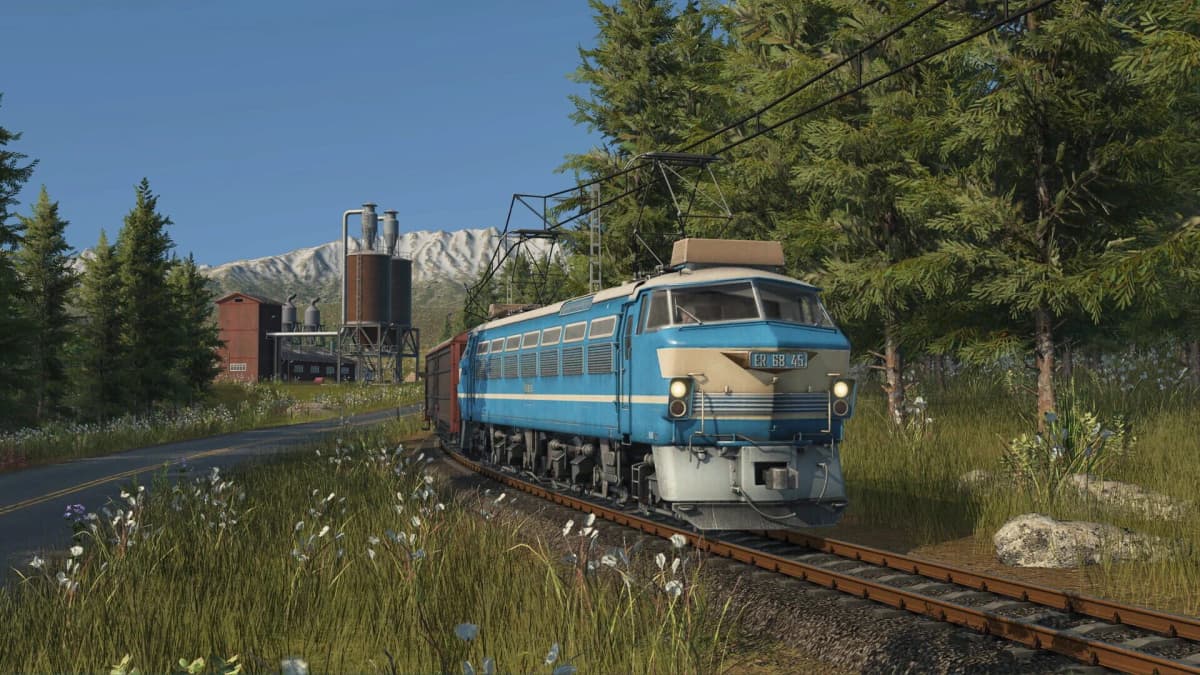
Dynamic weather could be more than mood lighting. If rain and storms influence traction, braking, or flight reliability, that adds meaningful planning trade‑offs (winter tires in subarctic maps, storm‑safe flight schedules, etc.). If it’s purely cosmetic, it’s a missed opportunity. Urban Games hasn’t spelled out the gameplay impact yet — that’s a key detail I’ll be watching.
Modding and consoles: The best feature is still community content
“Fully mod‑friendly” is the most important line in the announcement. TF2’s longevity came from mods: real-world vehicle packs, smarter stations, better UIs. If TF3 launches with robust tools and avoids breaking mods every patch, the community will fill gaps faster than official updates ever could. The big open question is console mod support. If consoles get curated mod packs or at least creator content channels, that could make TF3 the most accessible transport sim on living room hardware. If not, the PC version remains the definitive way to play.
Console itself is a brave move. Transport sims are notoriously CPU-bound and UI-intensive. Cities-scale management on a controller is doable (see Two Point and Tropico), but pathfinding heavyweights have struggled. If Urban Games nails radial menus, fast building snaps, and performant simulations on current-gen consoles, that’s a huge win for the genre — and a first-class ticket for TF3’s mainstream appeal.
Want to Level Up Your Gaming?
Get access to exclusive strategies, hidden tips, and pro-level insights that we don't share publicly.
Ultimate Gaming Strategy Guide + Weekly Pro Tips
What this changes for your playstyle
- Use helicopters for high-value, remote routes (oil rigs, mountain mines, island towns). Think of them as express couriers, not bulk haulers.
- Deploy cargo trams to decongest city centers. A single high-capacity tram line can replace fleets of stop-and-go trucks.
- Design specialized mega-hubs: dedicate platforms by cargo type, buffer with warehouses, and run trunk rail at fixed intervals.
- If highway tools truly improve, build proper ring roads early to keep freight out of downtown traffic — fewer bottlenecks, cleaner timetables.
Open questions that will make or break it
- Performance and scalability: Does the “rebuilt foundation” hold up in late-game saves with thousands of agents?
- AI behavior: Have lane selection, merging, and platform assignment logic gotten smarter, or just prettier?
- Weather impact: Is dynamic rain cosmetic, or does it change traction, visibility, and scheduling?
- Console parity: Will consoles get mod support and feature parity, or a pared-back port?
TL;DR
Transport Fever 3 promises real substance: helicopters, cargo trams, specialized stations, warehouses, and a tech rebuild aimed at performance and polish. If Urban Games sticks the landing — especially on late-game stability and console UI — this could be the most approachable, most powerful transport sim to date. Until we see hands-on proof, stay excited, stay skeptical, and keep your spreadsheets warm.