
Table of Contents (6)
Transport decisions, not passive profit, are the new endgame in Transport Fever 3
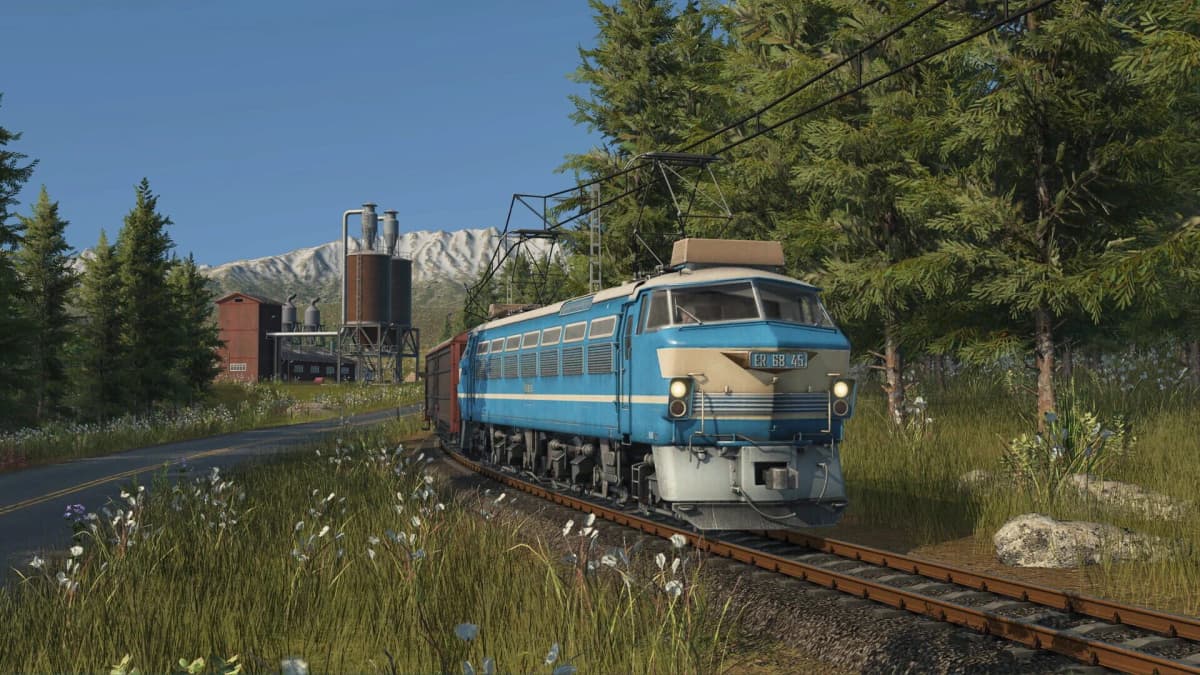
Urban Games is asking players to stop treating profitable lines like perpetual ATMs. Transport Fever 3’s latest First Look (and a simultaneous confirmation of day‑one Mac and Linux support) makes the studio’s goal explicit: routes should shape towns, not just bankroll them. The franchise’s familiar “build, profit, rinse” loop has been recast as a linked urban‑economic ecosystem where individual citizens, trip distance and the complexity of goods actively steer growth and specialization.
- Key takeaway: Profitable lines are no longer self‑sustaining cash cows; they require ongoing optimization as cities evolve (GamesPress).
- Key takeaway: Citizens are simulated individually – their routines, transport choices and frustrations create traffic, pollution and reputation effects that feed back into city growth (GameStar, Areajugones).
- Key takeaway: The game layers in regional bonuses, a customizable HQ and granular difficulty sliders so players can tune economic pressure and complexity to taste (GamesPress).
What Urban Games actually changed
The fourth First Look episode and accompanying press material make two related changes obvious: deeper simulation of people and a rebalanced financial model. GameStar’s write‑up paints the citizen side in practical terms: every NPC follows daily routines, chooses whether to walk, drive or take your bus, and those choices scale into real problems – congestion, noise and lost revenue if you don’t provide options. Areajugones highlights that passengers contribute more when moved farther, and freight value now depends on product complexity and punctuality. GamesPress frames the financial side bluntly: “money‑printing” lines from earlier games are intentionally harder to maintain, forcing you to revisit and retune networks.
Mechanically that means cities pass through discrete growth levels – from hamlet to metropolis — and what you deliver changes the city’s specialization and skyline. Supply a lot of industrial parts and a town becomes an industrial hub; feed it trade goods and it tilts commercial. Combined with regional bonuses and a HQ you can customize for long‑term perks, the map is meant to feel like a chain of interdependent economies rather than a set of isolated errands.

Why this matters — and why it’s a risky bet
This is the franchise taking a hard left from “profit first” to systems simulation. That matters because it changes player priorities: you can’t just slap a high‑speed freight corridor down, collect rent forever, and ignore local effects. The result should be richer late‑game decisions and more interesting tradeoffs between reputation, environment and margins — exactly what veteran players said they wanted after two sequels of grindable cash routes.
But it’s a risk. The uncomfortable observation — one the PR pushes away with buzzwords like “living ecosystem” — is that more interlocking systems can become busywork if the tools for managing them aren’t elegant. If managing pollution, rerouting commuters and recalibrating freight priorities requires hundreds of tiny adjustments without satisfying payoff, the “depth” could feel like tedium. That’s the question GameStar’s Dieter example implicitly asks: do I feel rewarded when dozens of simulated citizens stop buying my goods, or am I punished with fiddly micro‑maintenance?
The question nobody’s asking (but I am)
Urban Games confirmed day‑one Mac and Linux builds, which is welcome — but can those platforms handle the CPU cost of per‑citizen simulation and dense late‑game megacities? Performance, UI clarity for managing systemic feedback, and the quality of automation tools will determine whether this shift elevates the series or just makes it busier. Also watch how the difficulty sliders balance: are they meaningful toggles or veneer that masks the same core loop?
What to watch next
- Release timing and performance notes on Mac/Linux — day‑one support is confirmed; watch tech reviews for CPU/memory load in big saves.
- Post‑launch patches and mod tools — whether Urban Games leans on community mods to smooth UI/automation will say a lot.
- Evidence that “money‑printing” lines are truly nerfed — look for long‑term save reports showing required maintenance and route decay.
- How regional bonuses and HQ progression feel in late game — do they create interesting strategies or just add another grind layer?
If you want the question I’d ask in an interview: “How do you plan to prevent the new city dynamics from becoming an endless loop of small fixes that punish player creativity?” A straight answer on automation, analytics and performance would be the clearest signal this redesign was player‑first instead of feature‑first.
TL;DR
Transport Fever 3 reframes its tycoon core so transport choices actively shape city growth and specialization, not just bank accounts. That adds strategic heft to late‑game play, but it raises the stakes for performance, UI and automation. Watch launch reviews, Mac/Linux performance, and whether post‑launch tuning turns the new systems into meaningful depth or boring busywork.
FinalBoss // Gear
Level up your setup
01Top-rated gaming headsetson Amazon→02High-refresh gaming monitorson Amazon→03Gaming chairson Amazon→04Discounted game keyson Kinguin→Affiliate links · As an Amazon Associate, FinalBoss earns from qualifying purchases.
Want to Level Up Your Gaming?
Get access to exclusive strategies, hidden tips, and pro-level insights that we don't share publicly.
Ultimate Gaming Strategy Guide + Weekly Pro Tips