
Transport Fever 3’s traffic teaser promises lane-level control — but can it deliver?
Game intel
Transport Fever 3
Transport Fever 3, the ultimate transport tycoon returns, bigger, deeper, and more dynamic than ever. Build the routes that transform the world across land, se…
Transport Fever 3’s teaser matters because it hands players control where competitors won’t
This caught my attention because city-builders have been screaming for lane-level traffic tools for years, and Transport Fever 3 just put them on-screen. The latest teaser isn’t about shiny trailers or celebrity endorsements – it’s about the nuts-and-bolts systems that actually make or break long-term transport sims: full lane controls, modular stations, distinct track types with trade-offs, and a proper vehicle maintenance model. If Urban Games pulls this off, it could be the game people turn to when they’ve had enough of Cities: Skylines 2’s wonky traffic behavior.
- Full lane controls let you force-turns and direct traffic with click-and-drag arrows.
- Modular stations let you scale capacity and tweak passenger comfort.
- Three track types bring strategic trade-offs: speed vs. pollution vs. upkeep.
- Maintenance model now affects speed, comfort, and emissions for neglected vehicles.
Why this matters now
We’re at a moment where marginal improvements in UI and simulation fidelity separate entertaining sandboxes from enduring classics. Cities: Skylines 2 proved that great visuals and a big name don’t excuse poor traffic systems; players immediately turned to mods to patch missing features. Urban Games has quietly built a reputation for transport-focused depth with the Transport Fever series, and this teaser suggests they’re leaning into that niche rather than trying to be everything to everyone. That focus could give them real leverage: better lane controls and realistic maintenance make transport planning feel meaningful rather than fiddly.
Breaking down the new systems
Roads and lane controls are the headline. The teaser shows click-and-drag arrows for lane assignment, which sounds small until you realize it replaces the usual “hope the AI behaves” approach. Want a dedicated bus lane, a right-turn-only lane, or a freeway exit that funnels heavy trucks away from residential streets? Transport Fever 3 promises that level of agency.
Public transport gets a sensible upgrade with modular stations. Instead of single monolithic terminals, you’ll be able to expand capacity or add amenities to influence passenger happiness. That’s a practical QoL improvement for mid- and late-game planning, where bottlenecks often force awkward redesigns.
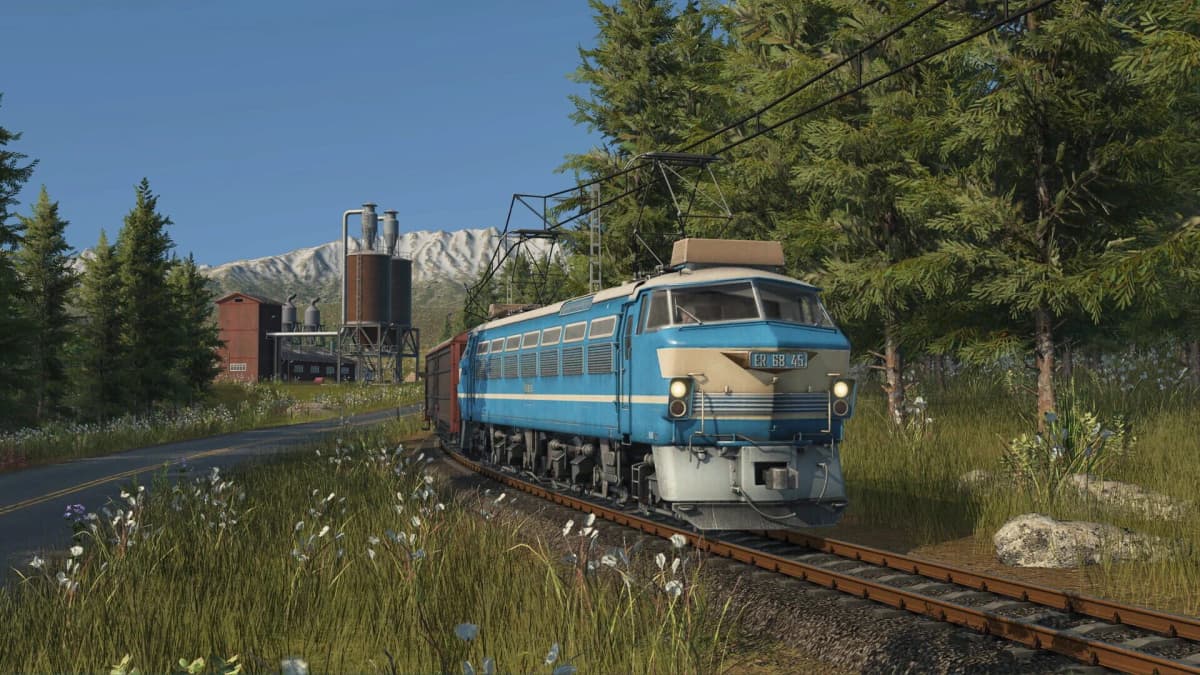
The three-track system introduces real design trade-offs: faster rails that cost more and pollute more, versus cheaper, slower options. This isn’t just cosmetic – it forces long-term strategy. Couple that with the revamped maintenance system (vehicles degrade into slower, dirtier shells when neglected) and suddenly you have a living economy that punishes short-sighted optimization.
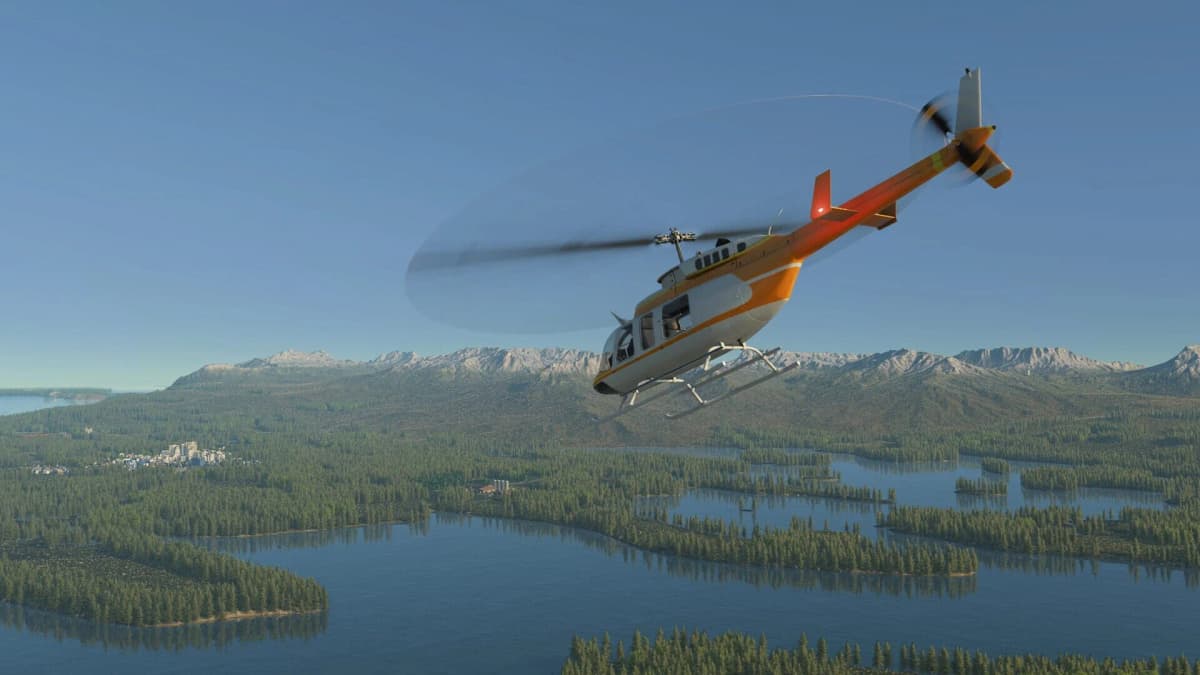
Finally, improved waypointing for ships and aircraft addresses two annoyances that make logistical puzzles tedious in other games. Routing ships into complex harbors and keeping aircraft away from neighborhoods without turning your airspace into a mess is the kind of polish transport nerds will notice immediately.
Developer context and realistic concerns
Urban Games isn’t a new studio – Transport Fever 1 and 2 carved a patient, detail-oriented niche for themselves — but depth comes with costs. Complexity can alienate casual players and demands a strong UI. Performance will be a concern: detailed lane AI and vehicle degradation are simulation-heavy features. And there’s always the risk of these options being half-baked at launch, leaving the community to fill gaps with mods.
There’s also balance to watch for. Realism is great until it makes the game punishing rather than strategic. Faster tracks producing more pollution sounds like an interesting tension, but only if the UI and feedback systems let you plan around it without spreadsheets.
Want to Level Up Your Gaming?
Get access to exclusive strategies, hidden tips, and pro-level insights that we don't share publicly.
Ultimate Gaming Strategy Guide + Weekly Pro Tips
What gamers should expect
- More granular planning tools that reward careful design — if the UI holds up.
- An emphasis on long-term strategy: maintenance and pollution are meaningful trade-offs.
- Possible steep learning curve and performance questions at launch.
- Potential for strong mod support if Urban Games leans into the community like last time.
Transport Fever 3 is slated for release in 2026. For now we have enticing in-engine footage and promises of depth. The big question isn’t whether these features are cool on paper — they are — it’s whether Urban Games can ship them in a usable, performant way that doesn’t put you back at square one with a dozen mods.
TL;DR
Transport Fever 3’s teaser shows the right priorities: lane controls, modular stations, strategic track choices, and a maintenance model that makes operations feel alive. If Urban Games executes well, this could be the go-to transport sim for builders frustrated by shallow traffic systems — but launch polish and performance will be the deciding factors.