
Table of Contents (11)
How this age-based list works
Here’s the useful version right away: the best Switch games for kids are usually not the loudest or biggest ones. The safest picks are the games that explain themselves clearly, forgive mistakes fast, and still feel fun when a child only plays for 20 minutes at a time. In 2026, that still makes Nintendo Switch unusually strong for families, especially because Nintendo’s own storefront continues to group “Kids games” for both the original Switch and Switch 2 instead of treating the older system like a dead end.
I’ve sorted this list by the kind of child each game actually suits, not just by box-age labels. The real dividing line is usually controller skill, reading comfort, and whether a kid wants structure or freedom. A six-year-old who already understands camera movement can handle more than a nine-year-old who mainly wants cozy routines and zero pressure.
- Ages 5-7: low punishment, obvious goals, simple controls, short sessions.
- Ages 7-10: some camera control, light reading, and a bit more patience.
- Ages 10+: slower-burn games, self-directed play, and more text-heavy systems.
1. Yoshi’s Crafted World
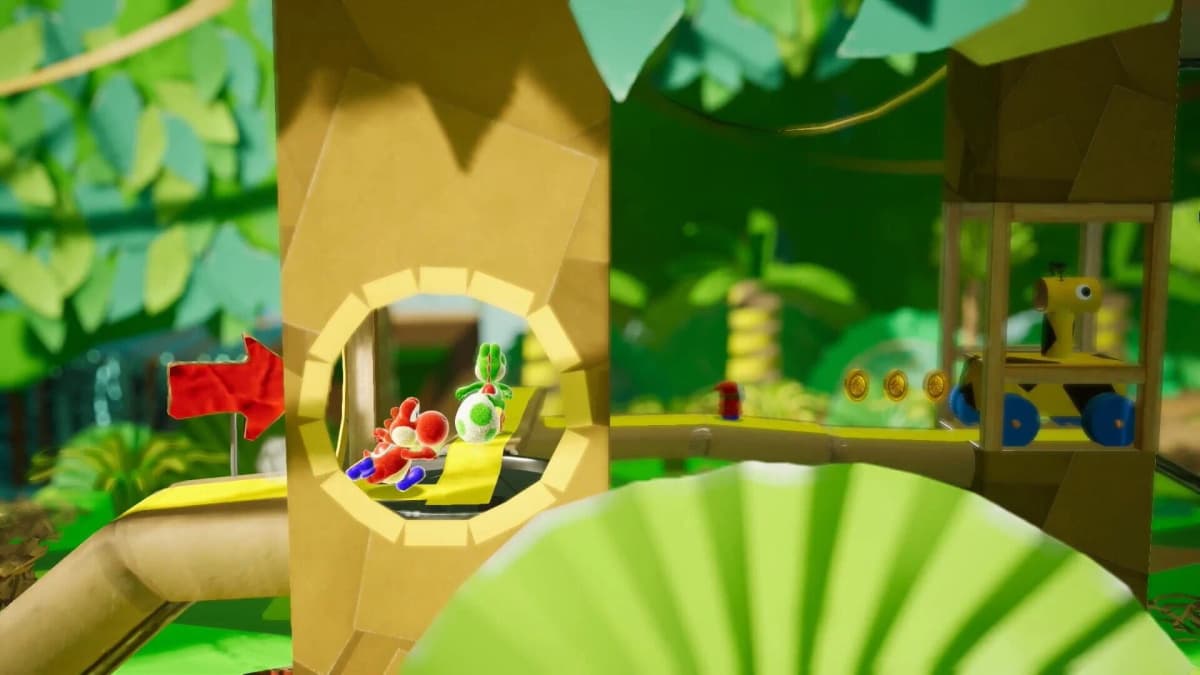
If you’re buying for a younger kid and only want one pick, Yoshi’s Crafted World is still one of the safest answers on the system. It earns that spot because almost every part of it is built to reduce panic. The stages are bright and readable, the hazards are gentle by platformer standards, and the whole cardboard-and-craft aesthetic makes each level feel like a toy box instead of a threat. Kids can understand what they’re meant to do without wrestling with a messy camera or a screen full of systems.
What really makes it work for ages 5-7 is the pace. This is a platformer that rarely feels like it’s trying to embarrass the player. Missing a jump usually doesn’t lead to a brutal restart, and the collectible structure turns each level into a friendly scavenger hunt. That matters because a lot of kids don’t want “hard but rewarding.” They want “I can do this, and also that flower over there looks cool.” Co-op helps too, especially when a parent or older sibling needs to nudge a child through a trickier section without completely taking over the experience.
The only real caveat is that advanced kids may outgrow it faster than the rest of this list. If a child already tears through faster platformers, they may find it a little too soft. But as a first proper side-scrolling adventure, it gets the fundamentals right: movement, curiosity, collectibles, and confidence. That’s exactly why it belongs near the top.
2. Kirby Star Allies
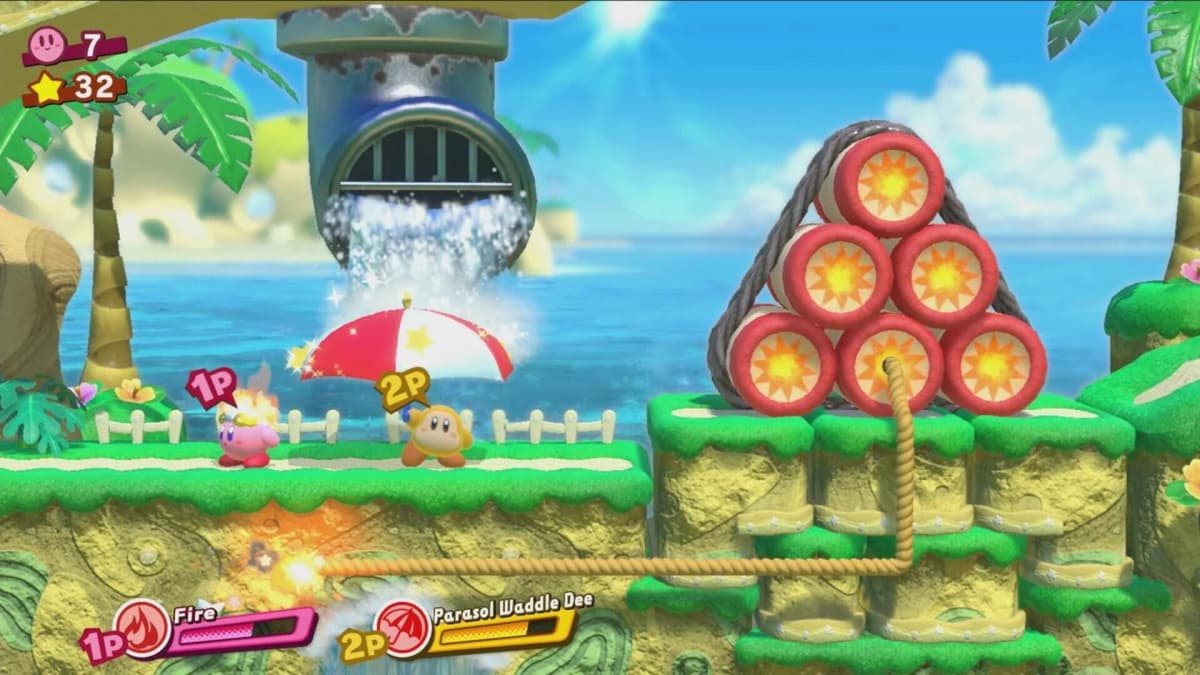
Kirby Star Allies is the pick for kids who want action right away without the usual platformer stress. Its biggest advantage is how little friction it puts between a child and the fun part. Kirby’s copy abilities are simple to understand, attacks are forgiving, and the game keeps momentum high without demanding precision every few seconds. A younger player can mash a bit, experiment with powers, and still feel like they’re making progress.
This is also one of the better co-play games on Switch for families because the “friends” system keeps the screen busy in a helpful way. Whether those allies are computer-controlled or handled by other players, the game creates a sense that the child is part of a team instead of alone against a level. That sounds small, but it changes how kids react to failure. A rough section feels less punishing when there are helpers on-screen and the game keeps moving. For children around 5–7 who are still learning buttons, spacing, and enemy patterns, that softness matters a lot.
The downside is that adults and older kids often call it too easy, and honestly, they’re not wrong. It’s not trying to be a skill wall. It’s trying to be a welcoming first action-platformer, and on that front it succeeds. If the child you’re buying for gets discouraged fast or mainly wants cheerful chaos with recognizable powers, Kirby Star Allies is a better fit than many technically “greater” games.
3. Kirby and the Forgotten Land
For a kid ready to move from side-scrollers to full 3D spaces, Kirby and the Forgotten Land is the standout. It is probably the cleanest “first 3D action game” on Switch because it teaches depth, movement, and camera awareness without throwing the player into the deep end. The levels are roomy, enemy behavior is readable, and Kirby’s attacks feel generous enough that a child can learn by doing instead of being punished for every small mistake.
That balance is why this game keeps coming up in family recommendations. A lot of 3D platformers are joyful for adults but weirdly awkward for beginners because they expect instant comfort with camera control. Forgotten Land avoids most of that friction. The game gently funnels attention toward the right target, and the stages are structured so kids can explore without constantly losing the path. Mouthful Mode helps too: it turns ordinary objects into playful set pieces that are easy to understand even before a child fully grasps the game’s deeper rhythm. The co-op option is useful as well, especially for families where an adult wants to support rather than dominate.
The limitation is that the second player role is more supportive than equal, so it is not the best pure co-op game here. Still, for ages 6–8 and even older kids who are new to 3D games, this is one of the smartest starting points on the system. It feels like a step up without feeling like a test.
4. Mario Kart 8 Deluxe
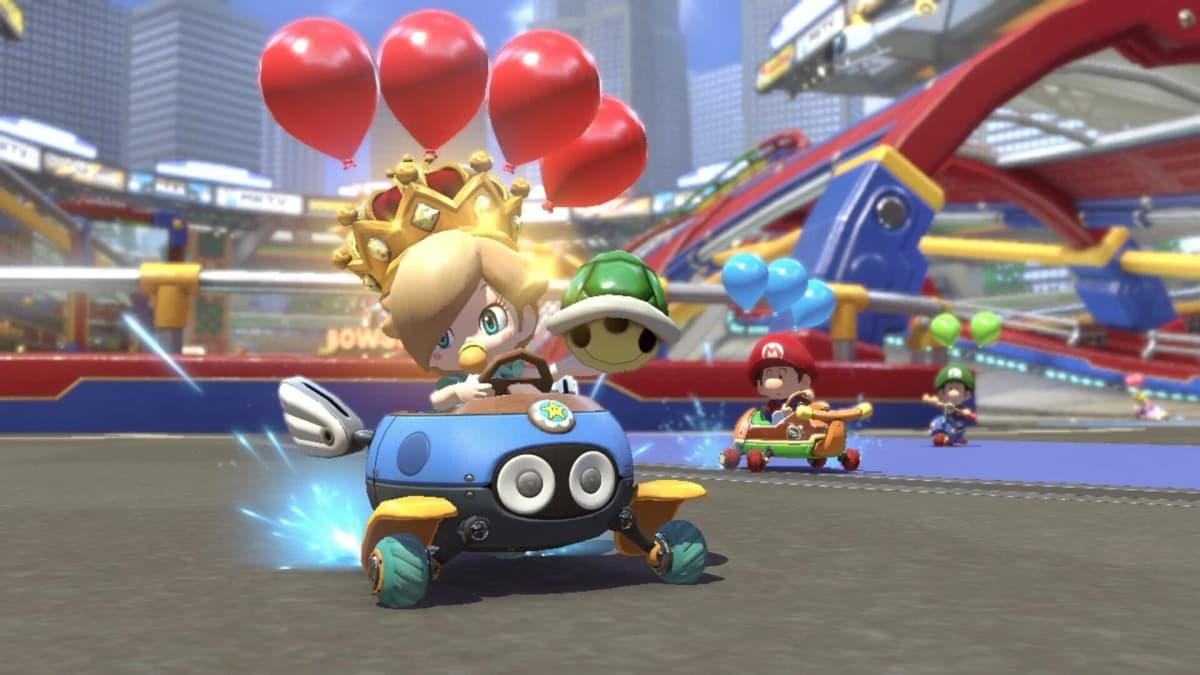
Mario Kart 8 Deluxe is the easiest universal recommendation on this whole list. It works for six-year-olds, older siblings, and parents in the same room because it has the rare skill-scaling that actually works in practice. The driving assists and auto-acceleration options are not just accessibility extras buried in a menu. They genuinely let a child stay on the track, keep up with the group, and enjoy the race instead of spending three minutes pinballing into walls.
That is why it remains such a safe family buy in 2026. A lot of games are “good for kids” only if everyone playing is at a similar level. Mario Kart 8 Deluxe handles mixed-age play better than almost anything on Switch. A beginner can use assists, an older player can turn them off, and everybody still gets the same basic thrill of shortcuts, boosts, and item chaos. It is also perfect for short sessions. One race is enough to feel like something happened, which makes it ideal for kids who bounce between activities or get frustrated by long tutorials and slow starts.
The main caution is that some very young kids still dislike the pressure of “winning,” even in a forgiving kart racer. But if you want one game that can survive birthday parties, family evenings, and wide skill gaps without becoming homework, this is probably still the king. Plenty of Switch games are kid-friendly. Very few are this flexible.
5. Captain Toad: Treasure Tracker
Captain Toad: Treasure Tracker belongs on any serious age-based kids list because it solves a common problem: not every child enjoys reflex-heavy games. Some kids freeze when asked to jump across moving platforms on a timer, but light up the moment a game becomes a toy puzzle they can examine. That is exactly what Captain Toad does. Its small diorama-like stages are built around rotation, observation, and spotting hidden paths rather than sprinting through danger.
This makes it especially strong for ages 6–8, or for slightly older kids who get discouraged by twitchier platformers. The absence of a jump button is a bigger deal than it sounds. It instantly simplifies what the child has to think about. Instead of juggling camera, timing, distance, and enemy placement all at once, they can focus on space. Where does this path lead? What happens if I turn the level? Can I reach that gem from the back? It feels playful and brainy at the same time without ever becoming dry.
The caveat is that it is not a game for kids who want nonstop chaos or flashy combat. It is slower, tidier, and much more about noticing details than blasting through enemies. But that is also what makes it valuable. If a child likes LEGO sets, mazes, or poking around for secrets, Captain Toad can be a better first fit than a “bigger” Mario game. It quietly teaches problem-solving without announcing itself as educational.
6. Super Mario Bros. Wonder
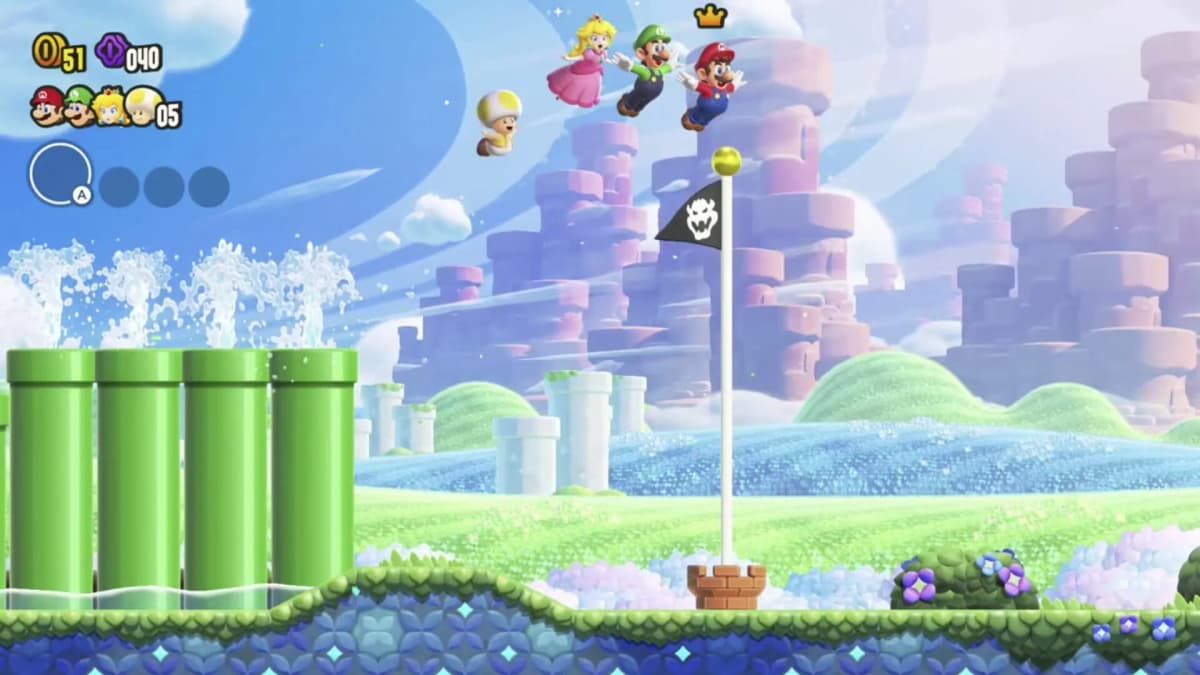
Super Mario Bros. Wonder is one of the best games on Switch for kids who already have a little controller confidence. I would not put it ahead of Yoshi or Kirby for absolute beginners, but once a child understands basic movement, jumps, and the rhythm of a platformer, this becomes a fantastic next step. It looks inviting, it constantly surprises the player, and the Wonder effects keep levels feeling magical in a way that younger players instantly understand.
The reason it lands slightly later in this ranking is simple: some of its platforming asks for quicker reactions than the gentlest beginner games. The charm can fool adults into thinking it is effortless, but parts of it still demand timing, awareness, and a bit of composure when the stage suddenly changes rules. That makes it best for around 7+ rather than being the first thing you hand to a child who has never really used a controller. The upside is huge, though. Few games on Switch are better at making kids feel like they are seeing something new every ten minutes, whether that is a weird musical transformation, a badge-powered trick, or a stage twist that changes the whole mood.
Multiplayer helps, and the lighter fail states compared with older Mario games make it much more welcoming than the series used to be. If a child already likes platformers and you want the game that can stretch them a little without becoming a brick wall, this is the one. It is joyful, but not brainless-and that is exactly why it lasts.
7. Pokémon: Let’s Go, Pikachu! / Let’s Go, Eevee!
Pokémon: Let’s Go, Pikachu! and Let’s Go, Eevee! sit in the middle of the age chart for a reason. They are more approachable than the mainline Pokémon games, but they are still not as frictionless as Kirby or Yoshi. The simplified catching system lowers the barrier nicely, and seeing Pokémon in the overworld removes some of the confusion younger players can feel in older entries where random battles constantly interrupt movement. That alone makes these games much easier to recommend to kids around 7–10.
The other strength is motivation. Even kids who are shaky with menus often lock in the moment collecting creatures becomes the goal. Pokémon has always understood the power of “just one more catch,” and these versions keep that loop clean and readable. A child can build attachment to a favorite partner, recognize progress quickly, and enjoy the world without needing to understand a giant web of stats. There is also enough structure that a kid rarely wonders what the game wants from them next, which matters more than many adults realize.
The big caveat is reading. This is where age labels start to matter less than actual reading comfort. If the child can handle dialogue boxes and basic menu navigation, Let’s Go is a great bridge between beginner games and more system-heavy adventures. If not, it may become a stop-start experience where an adult has to translate every other screen. For kids who love collecting and can manage the text, though, this is one of the best first RPG-flavored games on Switch.
8. Luigi’s Mansion 3
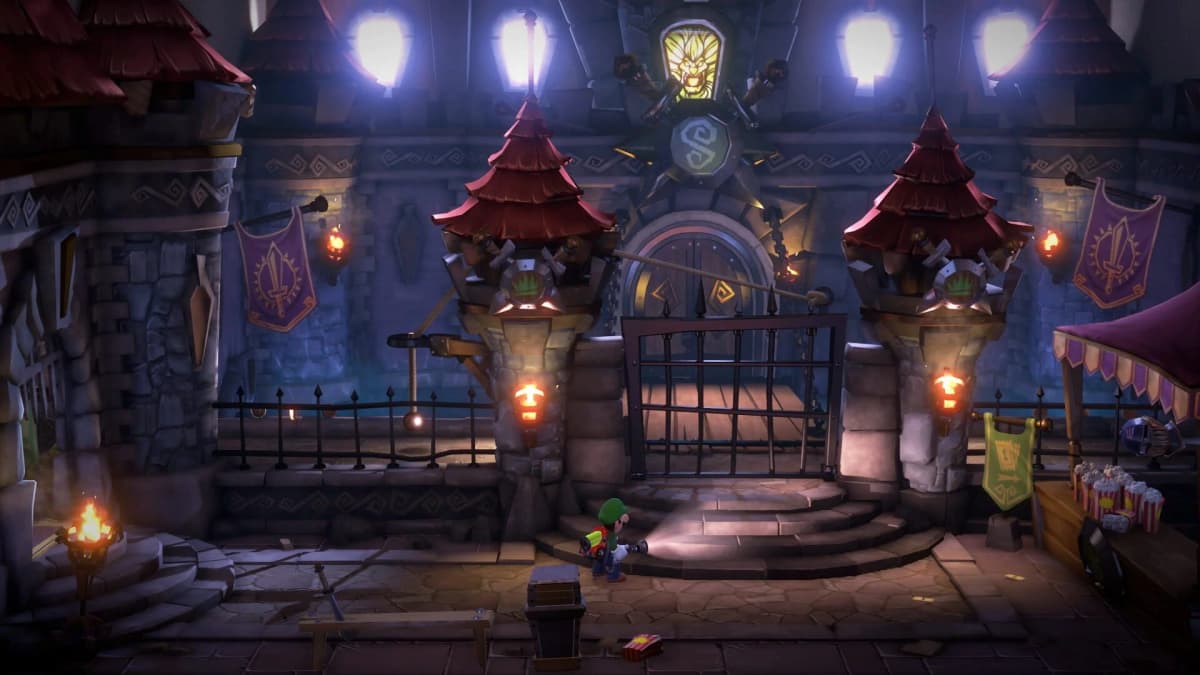
Luigi’s Mansion 3 is one of the smartest “play together” picks for families with kids roughly 8 and up. It works because it blends exploration, puzzles, and light spooky comedy without crossing into genuinely harsh territory. The hotel setting gives each floor a strong identity, which helps children orient themselves, and the vacuum-based interactions are tactile in a very kid-friendly way. Sucking up ghosts, tugging objects, and smashing scenery just feels immediately understandable.
Where it really earns its place is co-play. Once the second-player option opens up, an adult or older sibling can do exactly the kind of support role younger players need: guiding through puzzles, helping during boss fights, or simply taking some pressure off without turning the experience into a spectator sport. That is different from a lot of family games where “co-op” really means one person carries and the child follows. Luigi’s Mansion 3 has enough puzzle-solving and interaction that both players can stay involved.
It does come with more friction than the earlier entries here. Some boss encounters ask for observation and patience, and younger kids may need help parsing what the game wants from them. The tone is also spooky enough that very sensitive players might prefer Kirby first. But for kids who like haunted-house vibes without real horror, it is one of the most memorable co-op adventures on the platform. It feels richer than a pure beginner game without becoming inaccessible.
9. Minecraft
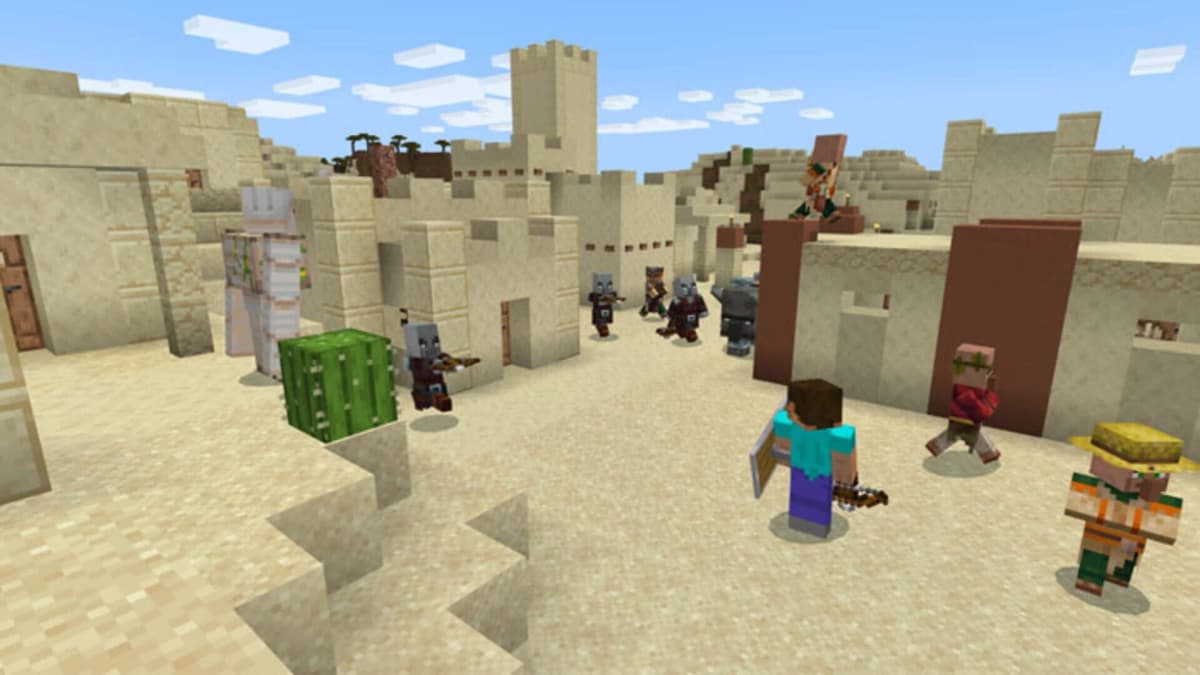
Minecraft is still a must-include, but it needs a more careful age recommendation than people sometimes give it. It is not automatically a great first video game just because kids love it. In fact, for some younger players it can be overwhelming: open-ended goals, busy menus, crafting logic, camera management, and a world that never really tells you what to do next. That is why I like it better for 8+ unless the child already has strong game literacy or an adult is actively helping.
Once it clicks, though, it clicks hard. Creative Mode is basically digital LEGO with infinite materials, and Survival Mode introduces just enough tension to make building and planning feel meaningful. Few Switch games are better for kids who want ownership over what they make. This is where personality starts to matter more than age. A child who loves free play, construction toys, and making their own rules may adore Minecraft earlier than expected. A child who wants clear missions and quick rewards may bounce off it completely.
That difference is exactly why it earns a place on this list but not near the top. It is one of the most powerful games for imagination on the system, yet it can be a bad match if you mistake freedom for accessibility. Buy it for kids who want a sandbox, not for kids who need steady hand-holding. Get that distinction right, and it can last for years instead of weeks.
10. Animal Crossing: New Horizons
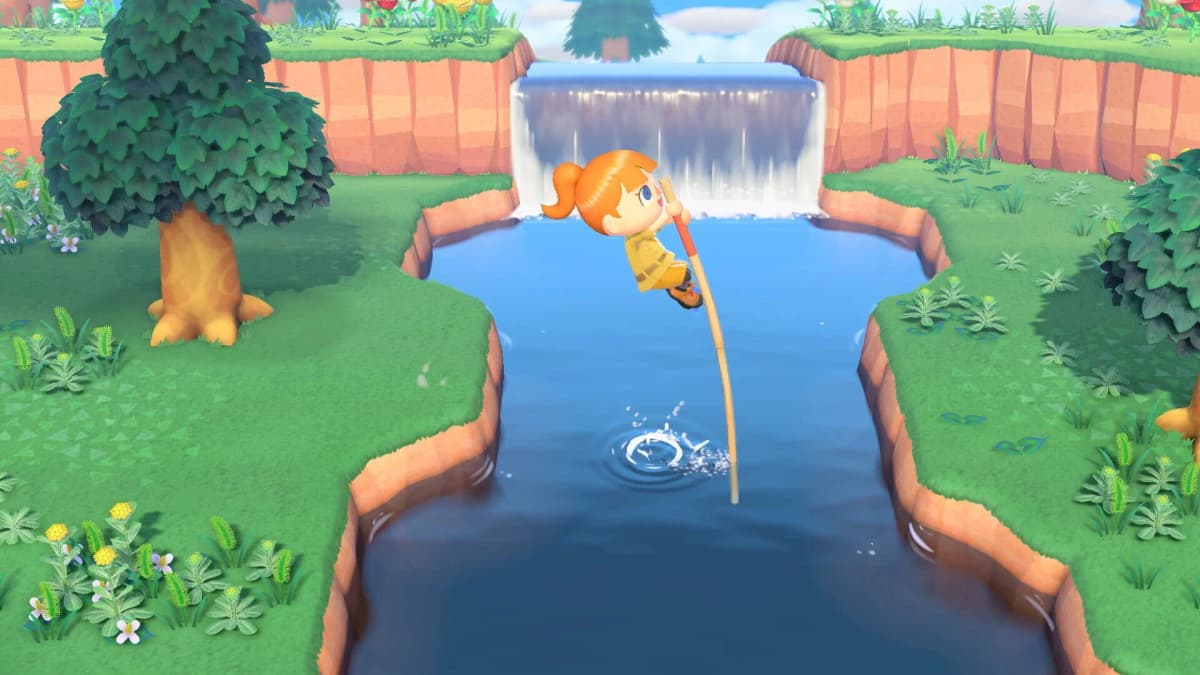
Animal Crossing: New Horizons is the clearest example of why “for kids” is not the same thing as “for young kids.” It is absolutely one of the best Switch games for kids, but mostly for the 10+ crowd or for younger players who already love self-directed routine. There is very little punishment, almost no traditional failure, and plenty of wholesome charm. On paper that sounds perfect for six-year-olds. In practice, the game asks for patience, reading, and a willingness to make your own fun.
That is why it works so well for the right child. Kids who enjoy collecting, decorating, customizing spaces, and checking in daily can disappear into it for months. The real-time structure makes small actions feel meaningful: plant something, move furniture, earn bells, tweak an outfit, slowly turn an island into a personal project. It is less a game you “beat” than one you inhabit. For some children, that is magic. For others, especially those who want immediate goals and constant feedback, it feels confusingly slow.
So this is the recommendation for the patient kid, the routine kid, the kid who likes arranging rooms more than defeating bosses. It is not the first game I would hand to an average six-year-old. It is, however, one of the longest-lasting family-friendly games on Switch once a child is ready for that slower rhythm. Age matters here, but temperament matters even more.
FinalBoss // Gear
Level up your setup
01Best-selling Switch 2 gameson Amazon→02Switch 2 accessorieson Amazon→038BitDo controllerson Amazon→04Discounted game keyson Kinguin→
Affiliate links · As an Amazon Associate, FinalBoss earns from qualifying purchases.
Want to Level Up Your Gaming?
Get access to exclusive strategies, hidden tips, and pro-level insights that we don't share publicly.
Ultimate Top Strategy Guide + Weekly Pro Tips