
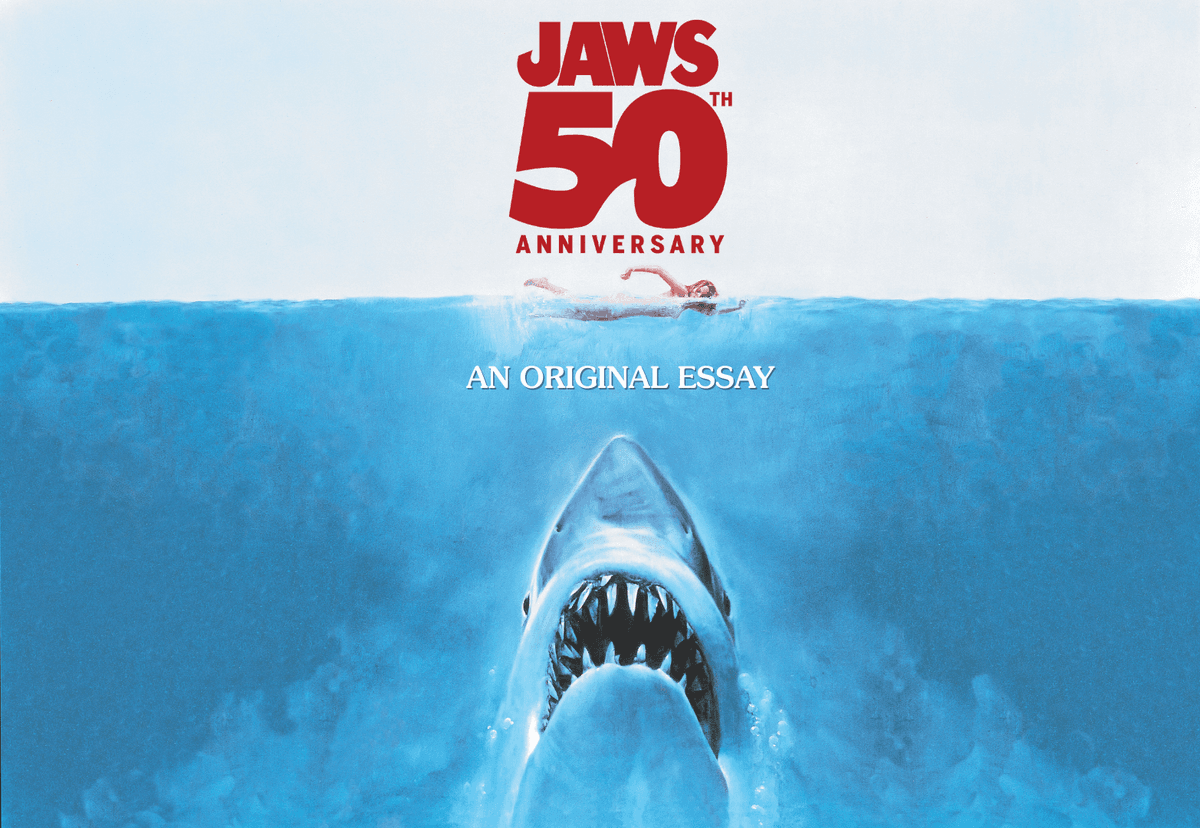
This caught my attention because it’s a perfect example of how less can do way, way more-something game audio still forgets in the chase for “cinematic.” Half a century ago, Steven Spielberg heard John Williams play the now-legendary Jaws theme, just two notes, and thought the composer was trolling him. As recalled via Espinof, Spielberg admitted, “I expected something incredibly complex, but he was only using two fingers,” and, “I thought he was messing around.” Then he kept listening, and the genius clicked. That tiny motif became one of the most recognizable sounds in entertainment. For games drowning in 120-piece orchestras and muddy mixes, this story is a blueprint: clarity over clutter, intention over volume.
The Jaws theme is stark: two notes, spaced out at first, then faster, then fully orchestrated as the shark “arrives.” That escalating structure is what sells fear—not harmonic complexity, but pacing and expectation. Spielberg initially pictured a lush orchestral statement and reportedly thought, “Oh my God. We’re not going to use an orchestra; we’re going to use a piano, and John is just going to play a few pieces.” After repeated listens, he realized Williams had nailed the film’s heartbeat. The Academy did too—Williams won the Oscar in 1976. The lesson isn’t “always do less,” it’s “do what’s legible.” In a medium where players are juggling inputs and systems, legibility is king.
Think about the Metal Gear Solid alert sting. The Resident Evil safe-room theme. The low-health beeps in Zelda. These aren’t just vibes; they’re interface. A few notes teach you what the world means faster than any tooltip. Horror games especially lean on this: Dead Space weapon hums and necromorph shrieks, Alien: Isolation’s motion tracker ping, Phasmophobia’s breathy mic distortions. Each is a tight sonic “verb” the brain can parse instantly. Jaws showed how a motif can embody a threat before you even see it. That’s the gold standard for encounter design: sound that shapes behavior. Hear the cue, change your plan—no pop-up required.
Games call it adaptive or vertical remixing: layers fade in as tension rises. Jaws practically drew the flowchart—tempo and density climb as danger closes in. Doom (2016) weaponizes this, snapping in extra layers the moment you “unlock” aggression. The Last of Us Part II ramps sparse pulses into scraping tension when stealth breaks. Monster Hunter uses swelling horns and choir to mark a monster enraging. The technique works because players don’t need to “know music”; they feel the gradient. If your track can’t communicate threat level the way two notes did in 1975, you don’t need more instruments—you need better signaling.

I love a huge score as much as anyone. From Final Fantasy’s character leitmotifs to Elden Ring’s choral boss bangers, scale can elevate. But too many modern games pad every corridor with constant strings, sub-bass, and braams until nothing means anything. If every moment is “epic,” none is. Jaws proves that contrast—silence vs. sound, sparse vs. dense—creates stakes. Horror indies like Dredge and Signalis get this; they leave space for your brain to haunt itself. AAA could stand to relearn it. Not to save money (though hey, budgets), but to make choices readable.
Spielberg’s initial skepticism—“I thought he was messing around”—is the same instinct that leads teams to over-score. Complexity feels like value. But value for players is comprehension in motion. Williams’ two notes gave the audience perfect information: something’s coming, it’s closer, now it’s here. That’s exactly what players need in combat sandboxes, stealth, and survival horror. Somewhere between the orchestra pit and the mix bus, game audio can forget that. Jaws is your reminder: build meaning first, then decoration.
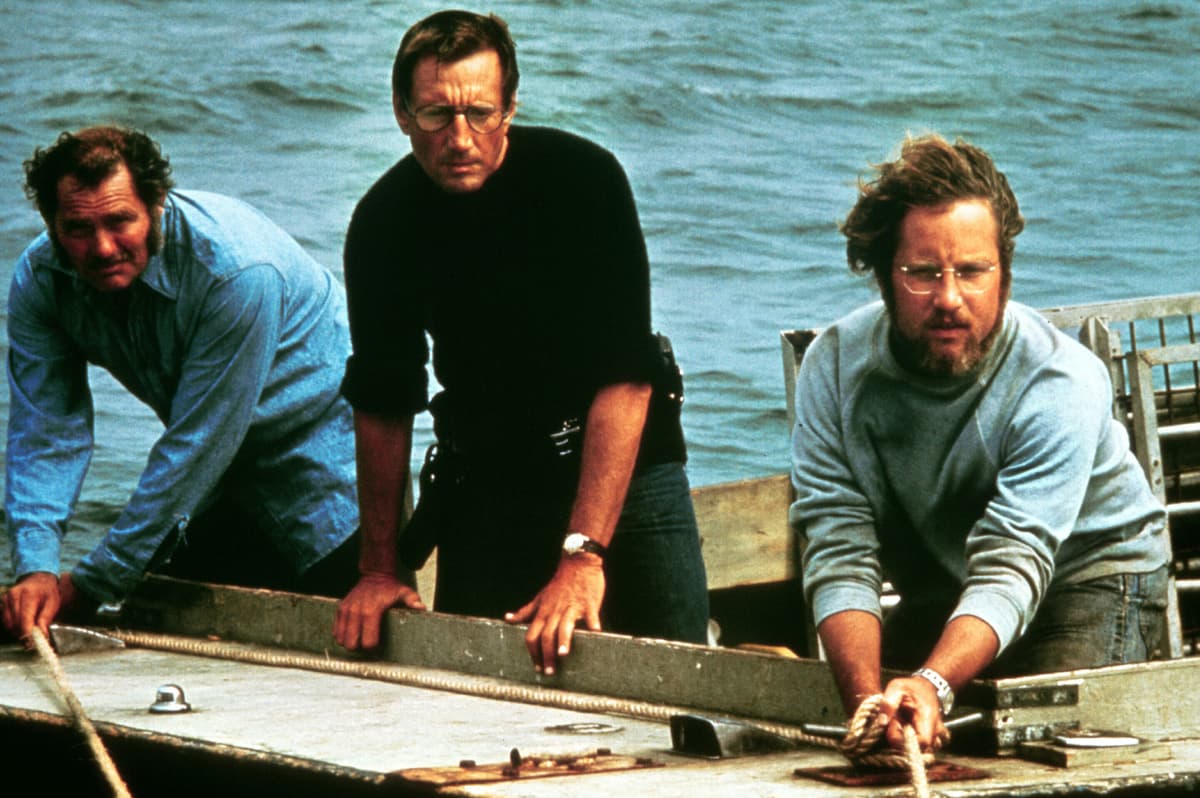
Spielberg once doubted John Williams’ two-note Jaws theme. Then he realized it was genius—and the Academy agreed. For games, the lesson is simple: clear, minimal motifs plus smart escalation beat constant orchestral wallpaper. If your soundtrack can’t change player behavior in two seconds, it’s not helping you win.
Get access to exclusive strategies, hidden tips, and pro-level insights that we don't share publicly.
Ultimate Gaming Strategy Guide + Weekly Pro Tips