
Table of Contents (6)
Why this deal matters right now
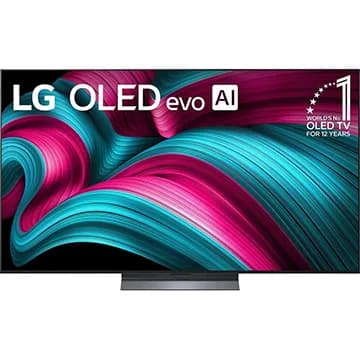
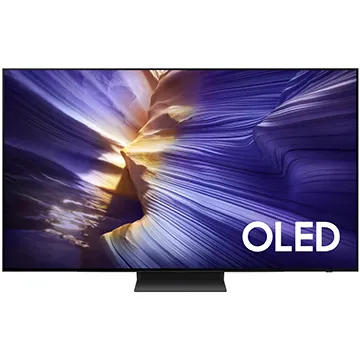
This caught my attention because discounts on current‑generation OLED sets don’t come around often, and these are the two models gamers actually care about: LG’s C5 with an Evo panel and Samsung’s 2025 S90F QD‑OLED. IGN’s Deals coverage flagged both as cheaper than usual, and Samsung’s 65‑inch S90F is listed at $1,299.99 – a rare price for a QD‑OLED this size. If you’ve been waiting for a real OLED to sit on your console shelf, today’s offers are worth a hard look.
- High‑contrast OLED picture (true blacks + HDR pop) without the usual “wallet panic”
- Both TVs have native 120Hz (boostable to 144Hz), four HDMI 2.1 ports, VRR and ALLM – features consoles actually use
- Switch 2 still caps at 4K/60 (or 1080p/120), so only PS5/Xbox Series X get the 4K/120 benefit
Breaking down the two sets
Both the LG C5 and Samsung S90F deliver the OLED fundamentals-near‑infinite contrast, instant pixel response, and excellent off‑axis color—so the choice comes down to how each manufacturer pushes brightness, color and processing. LG’s C5 uses an Evo panel, which is their brighter, wider‑gamut take on W‑OLED. Samsung’s S90F uses QD‑OLED, which married quantum dots to OLED emitters to squeeze more brightness and color saturation out of the same form factor.
In plain gamer terms: HDR highlights will pop harder on both than older W‑OLEDs, and QD‑OLED tends to be the punchiest for HDR highlights and color volume. The C5 is LG’s mainstream favorite for a reason—excellent upscaling, low input lag and a mature gaming feature set. The S90F is the 2025 QD‑OLED entry that most closely rivals the C5 and, at $1,299.99 for a 65‑inch, represents a surprisingly aggressive price point for Samsung’s current‑gen QD‑OLED tech.
What actually matters for console players
If you play primarily on PS5 or Xbox Series X, these TVs are exactly the kind of purchase that upgrades your experience: native 4K panels, four HDMI 2.1 inputs (so you can plug multiple consoles without switching adapters), variable refresh rate to cut tearing, and auto low latency mode to minimize input lag. Games that target 4K/120 will finally feel fluid and responsive on a 65‑inch screen.
For Nintendo Switch 2 owners: temper expectations. Switch 2 currently outputs up to 4K at 60fps from docked mode, or 1080p at 120fps if developers choose that route. That means you won’t get 4K/120 from Switch 2, so the 120Hz headroom is more future‑proofing or useful for PC/streaming devices than for the Switch library right now. Still, the improved color and contrast make Switch games look nicer on OLED than on LCDs—just don’t buy these sets solely for Switch 2 4K/120.
Where the hype meets reality
Marketing loves phrases like “Evo” and “QD‑OLED” as shorthand for bigger numbers on spec sheets, but what gamers should care about is practical impact: HDR peak clipping, how the TV handles motion during 120Hz gameplay, build quality, and real input lag under game mode. From IGN’s run‑down, both TVs tick these boxes. The bigger question: do you need this now? If your current TV can’t keep up with 4K/120-capable consoles, yes — this is a meaningful upgrade at a rare discount.
Also worth noting: OLED prices across categories are softening. We’re seeing similar temporary discounts on monitors and laptops with OLED panels, so this feels like part of a broader market shift toward more affordable high‑contrast displays.
Quick buying checklist
- PlayStation 5 / Xbox Series X owners: big win—these sets let you take advantage of 4K/120 where games support it.
- Switch 2 owners: you’ll see superior color and blacks, but don’t expect 4K/120 from the console.
- PC gamers: if you want 144Hz or high‑refresh desktop use, these TVs are usable but consider an OLED gaming monitor for UI clarity and text rendering.
And if you want someone to keep an eye on deals: IGN’s Deals team (they note 30+ years of combined experience) is doing the legwork here—useful if you want price tracking rather than impulse‑buying.
TL;DR
LG’s C5 Evo and Samsung’s 2025 S90F QD‑OLED are both compelling 65‑inch picks for gamers, and the current discounts make upgrading less painful. If you play on PS5 or Xbox Series X and want true 4K/120, either TV will serve you well; Switch 2 owners get better image quality but not higher 4K frame rates. If you’re in the market for a high‑end OLED, this is a solid moment to buy—just check real‑world reviews for input lag and HDR handling before pulling the trigger.
FinalBoss // Gear
Level up your setup
01Top-rated gaming headsetson Amazon→02High-refresh gaming monitorson Amazon→03Gaming chairson Amazon→04Discounted game keyson Kinguin→Affiliate links · As an Amazon Associate, FinalBoss earns from qualifying purchases.
Want to Level Up Your Gaming?
Get access to exclusive strategies, hidden tips, and pro-level insights that we don't share publicly.
Ultimate Gaming Strategy Guide + Weekly Pro Tips