
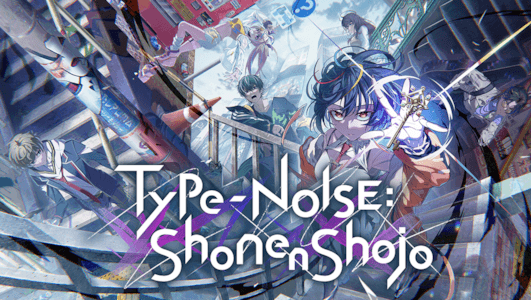
Type-NOISE: Shonen Shojo Turns Trauma Into Puzzles — Here’s What Actually Matters
Game intel
Type-NOISE: Shonen Shojo
Traumatized youth trapped in 'Noise Scramble City', a labyrinth of their own fears. Amnesiac teens solve puzzles in a multi-ending escape adventure.
Why This One Caught My Eye
Type-NOISE: Shonen Shojo just landed on Steam for PC, and it immediately pinged my radar for two reasons: the “courtroom-style” confrontations (hello, Ace Attorney/Zero Escape brain) and that fragmented-puppetry art direction that looks like someone spliced a stop-motion stage with a fever dream. The premise is familiar-six teenagers wake in a surreal city with no memories-but the twist is this metropolis, Noise Scramble City, seems stitched from their traumas. If the puzzles really reflect those emotions, we might be looking at an indie mystery that actually earns its psychological label rather than just cosplaying it.
Key Takeaways
- Over 40 puzzles spanning logic, exploration, and debate/courtroom-style showdowns.
- Six playable teens, branching routes, and multiple endings aimed at replay value.
- Distinctive “fragmented puppetry” visuals; surreal city built from memory and trauma.
- PC-only on Steam at launch; single-player; priced around $19.99.
- Localized with voice/text in English, Japanese, Simplified and Traditional Chinese.
Breaking Down the Announcement
Publisher WhisperGames and developer DankHearts have released Type-NOISE: Shonen Shojo on Steam. You’re jumping between six amnesiac protagonists, each carrying their own emotional baggage, while a Tokyo-adjacent dreamscape-Noise Scramble City—morphs around those memories. This isn’t just a vibe piece; the team promises 40+ puzzles that blend logic grid-style thinking, clue-gathering, and “confrontation” set-pieces where you pick apart testimonies. If you’ve played Danganronpa’s class trials or AI: The Somnium Files’ psych dives, you know the drill: the writing has to carry these segments or they collapse under their own melodrama.
On the feature front, the price sits around $19.99—fair for a mid-length narrative puzzler—and it’s single-player only, as it should be. What surprised me is the breadth of localization: voice and text across English, Japanese, and both flavors of Chinese. That’s not throwaway support; it signals confidence in cross-regional appeal. There’s also a design works artbook planned alongside launch, which makes sense given how much the aesthetic does the heavy lifting here. Expect the structure to hinge on route decisions and replays to unlock the full picture, with estimated playtime clocking roughly 10-15 hours if you chase multiple endings.
Context: Between Ace Attorney and Golden Idol
We’re in a good moment for narrative puzzle weirdness. The Case of the Golden Idol revived deduction-first design, Lorelei and the Laser Eyes went full art-house brain-bender, and AI: The Somnium Files showed that surreal logic can work if the script commits. Type-NOISE seems to plant its flag somewhere in the middle: less pure deduction than Golden Idol, more directed than Somnium’s dream logic, with debate segments that invite Ace Attorney comparisons. That’s a high bar—debate puzzles need tight pacing, readable logic, and punchy sound design to avoid feeling like clicking through a flowchart. If Type-NOISE nails the rhythm of contradictions and “gotcha” reveals, it’ll live in people’s heads; if not, it risks becoming stylish noise.
The art is the differentiator. The “fragmented puppetry” look—faces and limbs sliced into collage-like panels under shifting light—shouldn’t just be aesthetic garnish. If the world visually fractures when a character’s memory cracks, or the staging of a confrontation literally rearranges the set like a theater, that synergy sells the theme. Indie teams that lean into coherent visual language tend to punch above their weight; see how Ghost Trick’s animation sold every twist. Director/illustrator MYU’s background in VTuber music and animation tracks with the game’s stylized staging, and WhisperGames has a track record with global-facing indies like ASTLIBRA Revision and CrossCode. That combo gives me cautious optimism.
Want to Level Up Your Gaming?
Get access to exclusive strategies, hidden tips, and pro-level insights that we don't share publicly.
Ultimate Gaming Strategy Guide + Weekly Pro Tips
The Gamer’s Perspective: Hopes, Red Flags, and Value
Multi-ending teen mysteries live or die on pacing. Route-based structures can force repeat content, so I’m hoping for sensible chapter select, scene-skip, and a recap log that respects your time on replays. Forty-plus puzzles sounds great, but variety matters; if half are “click every hotspot” fetch loops, that number shrinks fast. A scalable hint system (tiers, not binary skip) would be ideal so players don’t bounce off a single roadblock—or trivialize the challenge by accident.
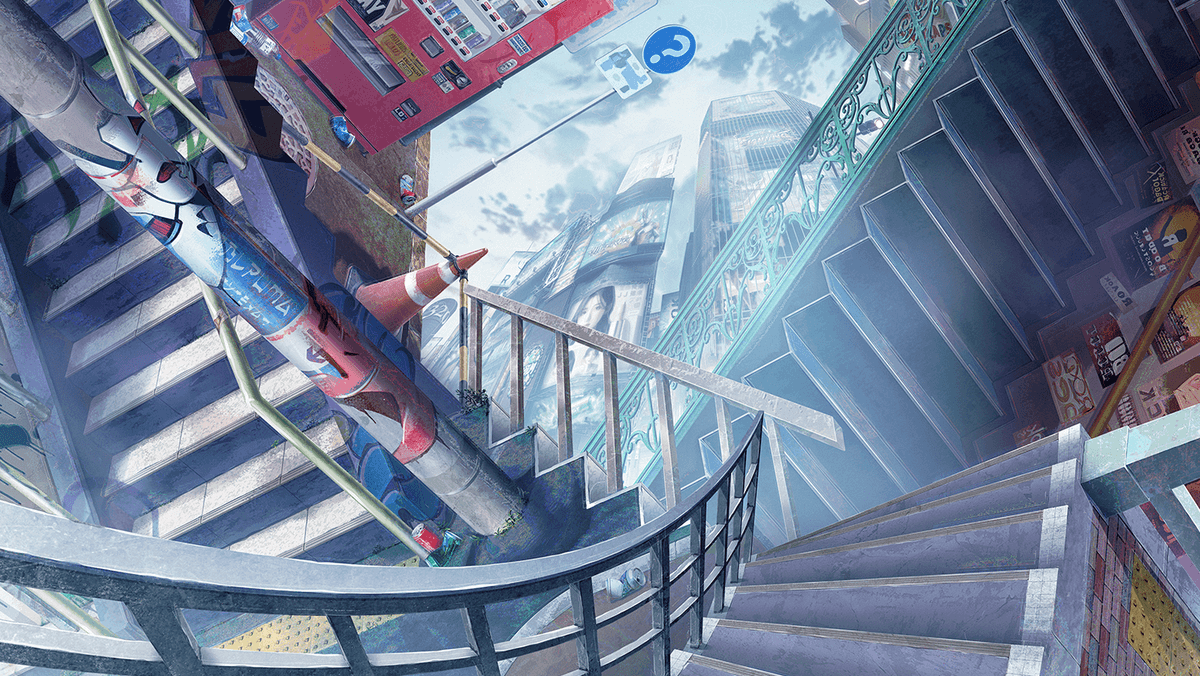
On PC, this should run on a toaster given its 2D presentation, which is perfect for Steam Deck and low-spec laptops. Quality-of-life I’ll be checking for: remappable controls, subtitle size options, color contrast clarity for puzzle elements, autosaves before major choices, and the ability to replay confrontation segments without grinding back through exploration. None of this is flashy, but it’s the difference between “cool idea” and “easy recommend.”
At ~$19.99, the value pitch is solid if the writing sticks the landing and the debate mechanics produce real “aha” moments. The broad localization slate is a genuine plus—more voices in the conversation, more theorycrafting, more longevity. The only real bummer is platform scope: it’s PC-only on Steam right now. This feels like a natural fit for Switch or PlayStation later, but today, it’s a PC play.

What This Changes (or Doesn’t)
Type-NOISE isn’t reinventing the narrative puzzle wheel, but it does bring a cohesive identity: collage-theater aesthetics, debate-centric puzzles, and trauma-laced city design. If DankHearts backs that vision with sharp writing and respectful replay tools, it’ll sit comfortably alongside the genre’s modern standouts. If not, it’ll be remembered as stylish but scattershot. Either way, for fans of Danganronpa, Zero Escape, AI: The Somnium Files, or Golden Idol, this launch is worth your curiosity—and your wishlist.
TL;DR
Type-NOISE: Shonen Shojo brings 40+ puzzles, multi-route teen drama, and a striking puppet-collage look to Steam at a fair price. The courtroom-style confrontations could elevate it—if the writing and QoL keep replays snappy. Consider it a must-watch for narrative puzzle fans, with cautious optimism from me.