
Table of Contents (8)
Rayman’s comeback attempt starts with a remaster – and a lot left unsaid
Ubisoft just handed fans a nostalgia bundle and a talking point. CEO Yves Guillemot told Variety that Rayman: 30th Anniversary Edition is “the first step in the brand’s comeback.” That line matters more than the remaster itself: it frames the release as a deliberate probe, not a one-off cash-in. Trouble is, Ubisoft keeps ad-libbing the comeback without giving us dates, budgets or the sort of visible development signals that turn a tease into a credible plan.
Key takeaways
- Ubisoft is positioning the 30th Anniversary remaster as a strategic opening move – a test of demand and goodwill.
- Behind the scenes, an HD remake codenamed “Iceman” (Ubisoft Montpellier) and exploration work at Milan are reportedly in play – but no public timetable yet.
- The remaster launched with bugs and a controversial reimagined soundtrack, which weakens its role as a comeback signal unless fixed quickly.
- All of this happens against a backdrop of cancellations, delays and restructuring at Ubisoft, which makes promises cheap and delivery risky.
This is a calculated toe-dip, not a full reboot
Calling a remaster the “first step” is textbook corporate-stagecraft: low-cost, low-risk, easy to announce. Remasters can monetize existing assets, spin up brand conversation, and give execs a palpable milestone to show investors and fans. Ubisoft is doing all of that — while quietly keeping the real heavy lifting behind closed doors. According to internal reporting, Michel Ancel has been linked back to an HD remake of the original 1995 Rayman (codename “Iceman”) at Ubisoft Montpellier, and Ubisoft Milan has been involved in early exploration for a new entry. Those are the projects you’d actually want to see if the company means “comeback.”
The uncomfortable observation: lots of words, few dates
Guillemot’s quotes are encouraging in tone — Rayman matters to Ubisoft and they’re “looking forward to talking more” — but that’s not the same as a roadmap. Ubisoft has recently canceled ambitious projects and restructured multiple studios; investors and players remember the Prince of Persia remake and other high-profile cancellations. In that context, a promise of more Rayman content is meaningful only if followed by visible commitments: studio head appointments, release windows, or even a pedigree of demos. Until Ubisoft does that, “first step” reads more like a press-ops line than a program plan.
Why the quality of the remaster matters more than you’d think
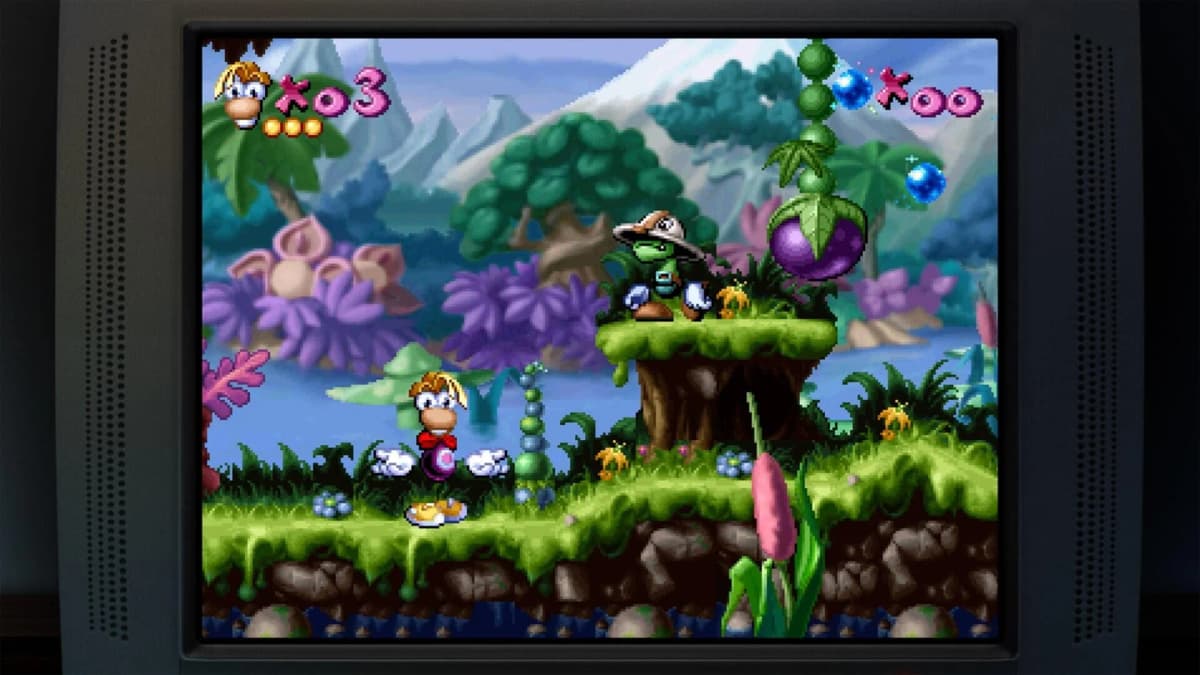
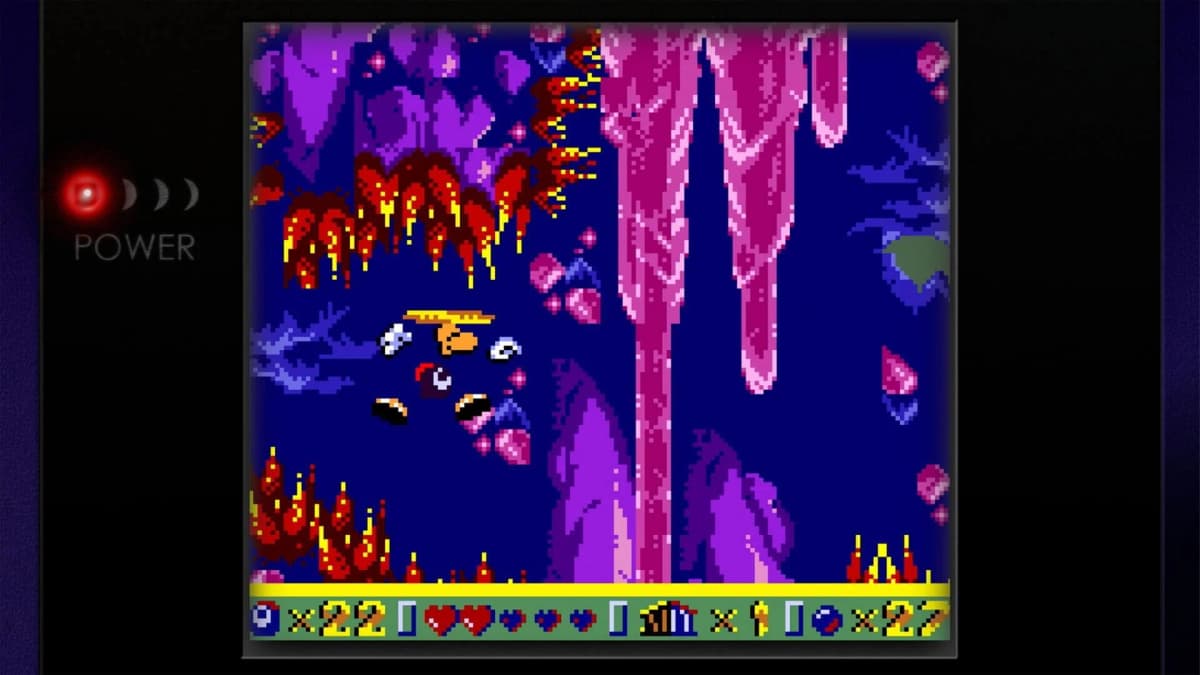
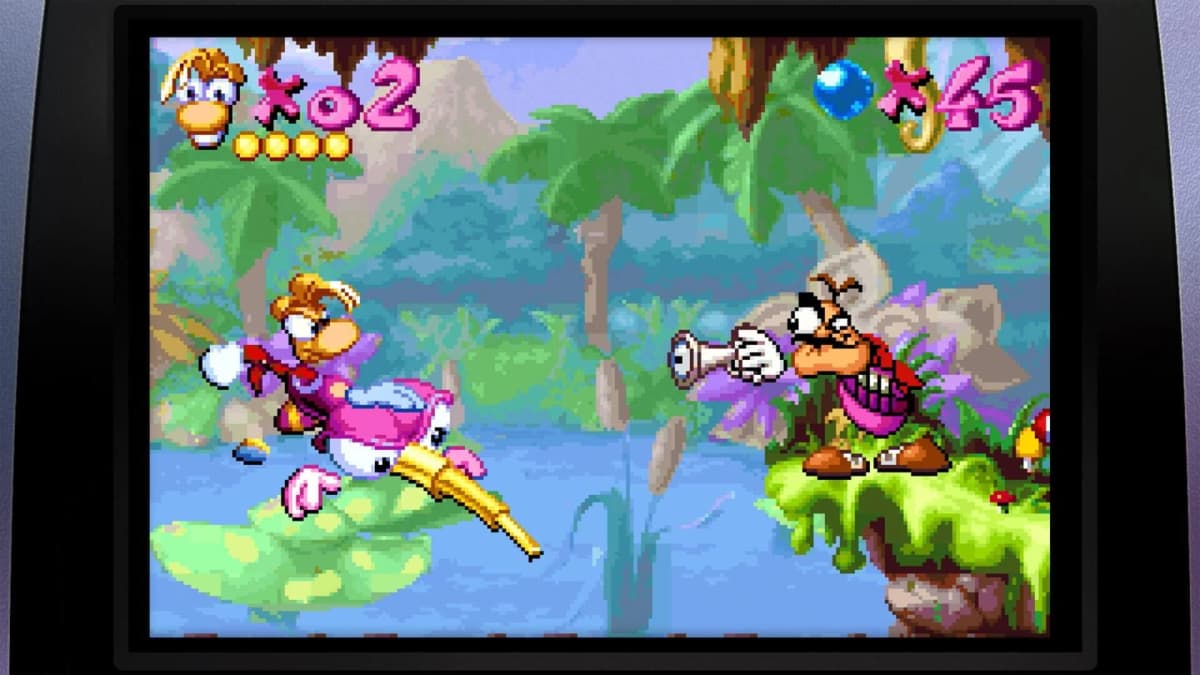
A comeback depends on early goodwill. Rayman: 30th Anniversary Edition includes original console and handheld releases, bonus levels and a cancelled SNES prototype — all the right toys for fans. But the launch has been marred by bugs and a reimagined soundtrack players dislike compared to the classic PS1 sound. Ubisoft reportedly may add a toggle for the original music, but that’s a reactive fix. If this “first step” feels sloppy, it undermines appetite for further investment and hands cynics proof that Ubisoft is trading on goodwill while cutting corners.
And there’s another practical reason quality matters: remasters are visible benchmarks. A polished collection suggests a studio capable of shepherding a sequel or HD remake to a solid release. A buggy one raises the question: should we trust these teams with a AAA Rayman again? Given Ubisoft’s internal turbulence — layoffs, canceled projects and a five-house reshuffle — trust is the hard currency here.
The question I’d put to Ubisoft’s PR person
If I had Yves on the line I’d ask for specifics: what’s the public timeline for “talking more,” which studio will lead a full reboot, and will the so-called Iceman HD remake be shown in any playable form before a funding decision is finalized? Words of intent are easy; public milestones are what signal seriousness.
What to watch next
- Any Ubisoft announcements or footage labeled “Iceman” or an HD remake — a reveal or a playable alpha would be a real commitment.
- Patches and updates for Rayman: 30th Anniversary Edition addressing bugs and the soundtrack toggle — watch the Steam/console patch notes and timing.
- Job postings or studio leadership changes at Ubisoft Montpellier, Milan, or Vantage studios that explicitly reference Rayman or platformers.
- Sales momentum and community sentiment on Steam and Reddit — a sustained spike in engagement will make it harder for Ubisoft to walk back promises.
Specific dates matter here: Guillemot said “soon” on February 20, 2026. If nothing substantive appears in the next three to six months, treat the comeback language as PR theater rather than a programmatic shift.
TL;DR
Ubisoft is using Rayman: 30th Anniversary Edition as a deliberate opening move for a wider revival. That’s smart — as long as they follow up with visible commitments. Fixes for the remaster’s bugs and a clear timeline for the rumored HD remake or new Rayman entry are the two concrete signals that will separate marketing from actual revival.
FinalBoss // Gear
Level up your setup
01Retro consoleson Amazon→028BitDo controllerson Amazon→03Capture cards (Elgato & more)on Amazon→04Discounted game keyson Kinguin→Affiliate links · As an Amazon Associate, FinalBoss earns from qualifying purchases.
Want to Level Up Your Gaming?
Get access to exclusive strategies, hidden tips, and pro-level insights that we don't share publicly.
Ultimate Gaming Strategy Guide + Weekly Pro Tips