
Ubisoft insists there’s no Rainbow Six Siege 2—then rolls out “Siege X.” What’s really going on?
Game intel
Tom Clancy's Rainbow Six Siege
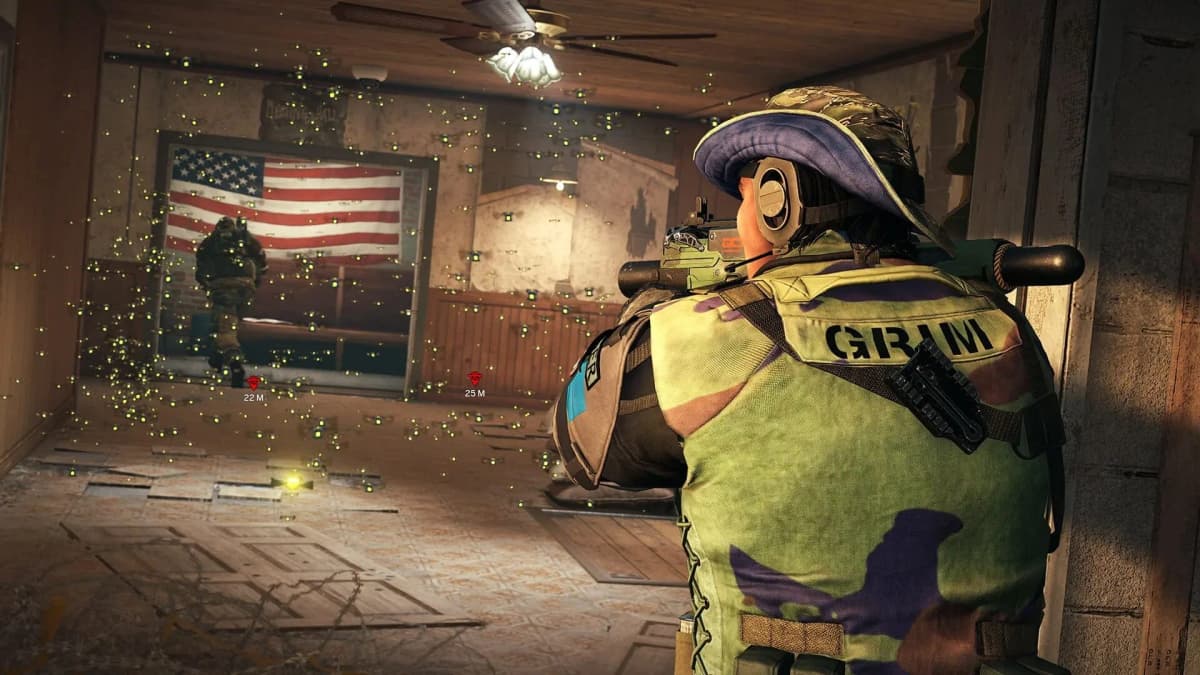
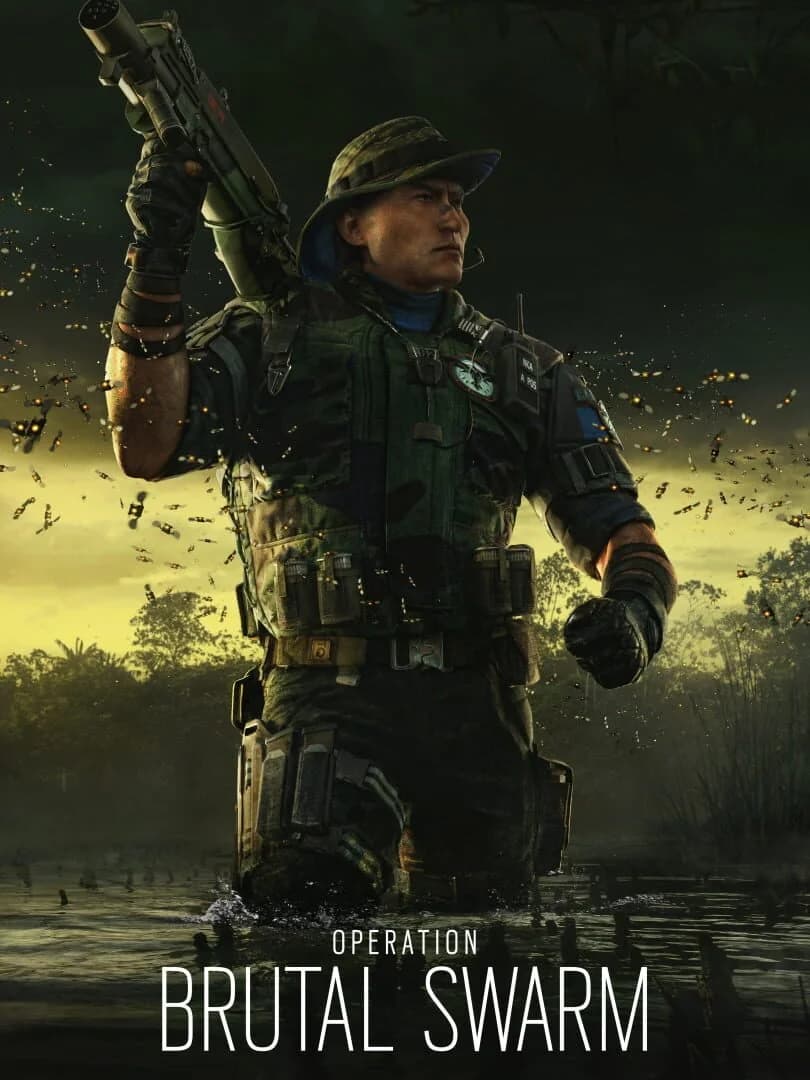
Operation Brutal Swarm clears the way for our new Singaporean Attacker: Grim. Discover his gadget, the Kawan Hive Launcher: with no reload and a low fire rate,…
Why Ubisoft’s “No Siege 2” Line Actually Matters-and Why Siege X Changes the Conversation
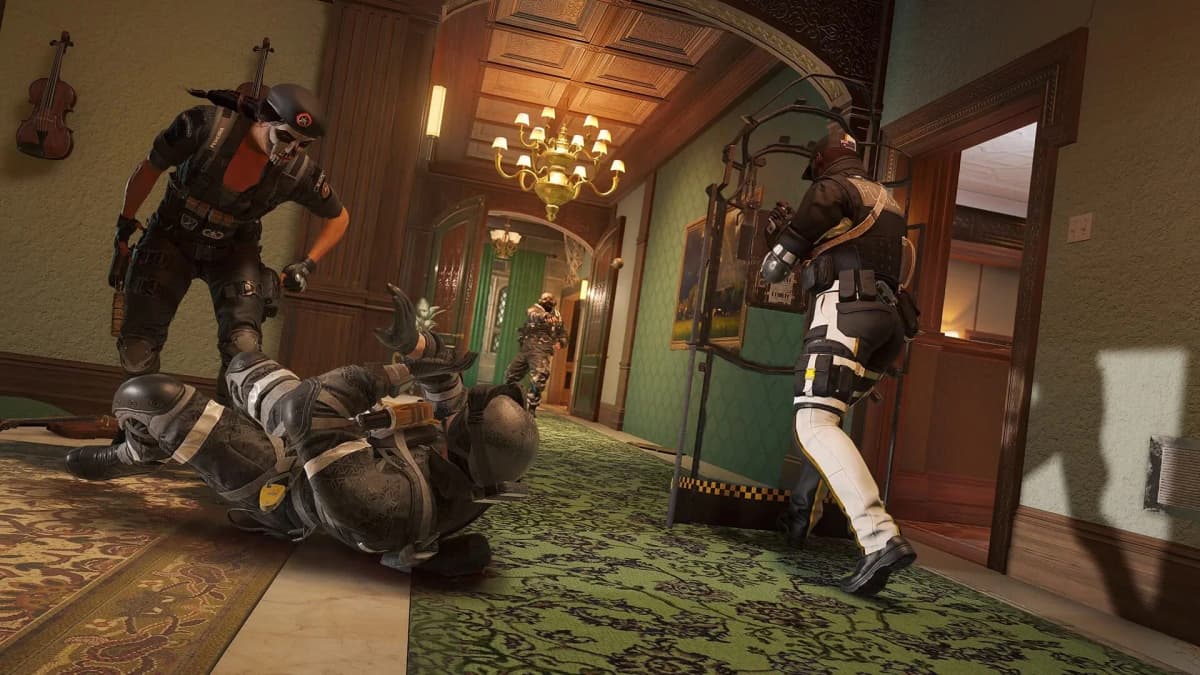
This caught my attention because Ubisoft just celebrated Rainbow Six Siege’s 10th anniversary and simultaneously pushed a major evolution they’re not willing to call a sequel. On paper the company insists “no Siege 2” – Creative Director Alexander Karpazis told GameSpot Ubisoft wants to preserve players’ long-term progression and investments. In practice, the new Siege X update (graphical overhauls, onboarding improvements, modern map work and a 6v6 “Dual Front” mode) looks like the kind of reboot that usually comes with a new number in the title.
- Key takeaway: Ubisoft is choosing continuity over a hard reboot to avoid fracturing the player base and to protect cosmetics/progression.
- Siege X is a technical and content pivot that behaves like a sequel without the sequel label.
- That tension-modernizing the engine while promising “no lost progression”—is the real story for players and esports.
Key Takeaways
- Siege’s decade-long live service model is getting an engine-and-content refresh called Siege X, not “Siege 2.”
- Ubisoft publicly claims it wants to preserve player progression and investments, but technical overhauls complicate full continuity.
- Expect significant visual upgrades and gameplay adjustments—plus a major test for esports and cross-platform parity.
Breaking Down Ubisoft’s Position—and the Real Stakes for Players
Ubisoft’s argument is blunt and familiar: players invested time and money into Siege. A hard sequel can fracture a community, force players to repurchase or lose cosmetics, and kill momentum. That’s fair. We’ve seen the backlash when live-service games are split or monetized poorly in transitions—Overwatch 2’s early monetization stumbles are a cautionary tale.
But there’s a practical problem. Modernizing a ten-year-old live service—new engine, upgraded models and textures, modern lighting, revamped maps—often requires rebuilding systems. A true technical reboot can break compatibility for old items, animations and events. The creative director’s claim that a sequel isn’t “necessary” smells like responsible stewardship, but the move to Siege X demonstrates Ubisoft quietly admitting the old engine’s limits while trying to avoid the political and financial fallout of calling something “2.”
Level Up Your Setup
- → Top-rated gaming headsets on Amazon
- → High-refresh gaming monitors on Amazon
- → Gaming chairs on Amazon
- → Gaming desks on Amazon
As an Amazon Associate, FinalBoss earns from qualifying purchases.
Why “Why Now?” Matters
Competitors changed the script. Counter-Strike 2 and Overwatch 2 proved you can overhaul a flagship shooter and keep people on board—if you handle progression and community expectations well. Siege’s esports scene also needed certainty: teams, leagues and broadcasters require stable tech and a clear roadmap. The 10th anniversary is a sensible marketing and technical inflection point to ship a big change without alienating long-term fans.
Want to Level Up Your Gaming?
Get access to exclusive strategies, hidden tips, and pro-level insights that we don't share publicly.
Ultimate Gaming Strategy Guide + Weekly Pro Tips
What Gamers Should Expect
Practically, expect better visuals, smoother onboarding for new players, reworked maps that use the upgraded tech, and the new 6v6 “Dual Front” mode that changes match pacing. Ubisoft’s explicit aim to preserve progression means core operator unlocks and accounts will likely carry forward, but don’t assume every limited-time event or cosmetic will make the jump. That’s where the friction will be: emotional value versus technical feasibility.
For competitive players, the biggest questions are latency parity, hit registration changes from a new engine, and how quickly pros can adapt. For casuals, it’s whether your favorite skins survive the move or whether you’re nudged into buying new ones tuned for the new visuals.
My Take — Optimistic, But Watch the Fine Print
I’m tentatively excited. Siege has earned its place as a tactical staple; a careful modernization that keeps progression intact is the ideal outcome. But Ubisoft’s rhetorical “no sequel” stance is partly PR: they’re avoiding the mess that numbering can create. The real test will be the launch window and the transparency around what transfers and what doesn’t. If Ubisoft protects players’ investments while delivering the technical leap Siege needs, this could be a model for other live-service shooters. If not, fans will rightly be angry.
TL;DR
Ubisoft says there’s no Rainbow Six Siege 2 because it wants to preserve player progression—but Siege X is effectively a major sequel in disguise. Expect real technical and visual upgrades, careful handling of accounts, and a tense transition period where the company’s promises will be tested.