
Table of Contents (8)
Assassin’s Creed handed to familiar hands – and that’s the point
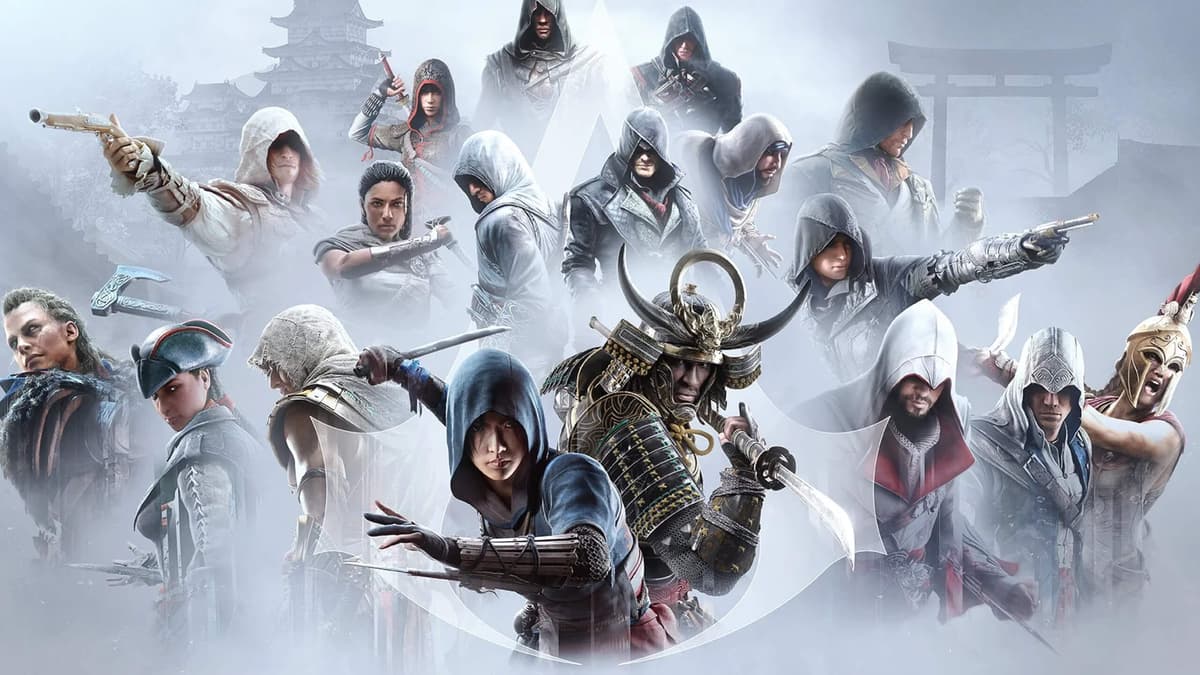
Ubisoft has handed the Assassin’s Creed franchise to a three-person team made up of veterans who have been building the series since its early years. Martin Schelling will run the brand, Jean Guesdon takes content, and François de Billy will oversee production excellence. On paper it’s reassuring: experienced people who know the DNA. In practice it’s also Ubisoft signaling that, after legal headaches and a company-wide reshuffle, the safest bet is to consolidate control under people who already proved they can ship big AC games.
Key takeaways
- Three longtime AC leads – Schelling, Guesdon, de Billy – are now Head of Brand, Head of Content, and Head of Production Excellence respectively (announcement surfaced Feb 23, 2026 via Vantage Studios/Ubisoft reporting by IGN).
- The move follows the departure and lawsuit by former franchise boss Marc-Alexis Côté and Ubisoft’s January restructuring that cancelled projects and cut staff. This is damage-control as much as strategy.
- Ubisoft is consolidating franchise oversight under Vantage Studios — a unit now shepherding its biggest IPs — which points to centralization of creative and production decisions.
- Industry-wide pattern: other big players are also reorganizing or pivoting (Meta’s Horizon refocus, Roblox legal risk), so Ubisoft’s change fits a broader era of retrenchment and reorgs.
Why this matters now
This isn’t a routine shuffle. Ubisoft installed the trio after Marc-Alexis Côté left the company and subsequently filed a lawsuit — a rare, public rupture around a franchise lead. Combine that with the January restructuring that cancelled projects and trimmed teams, and you get a company that wants to reduce risk and narrative friction around its marquee franchise.
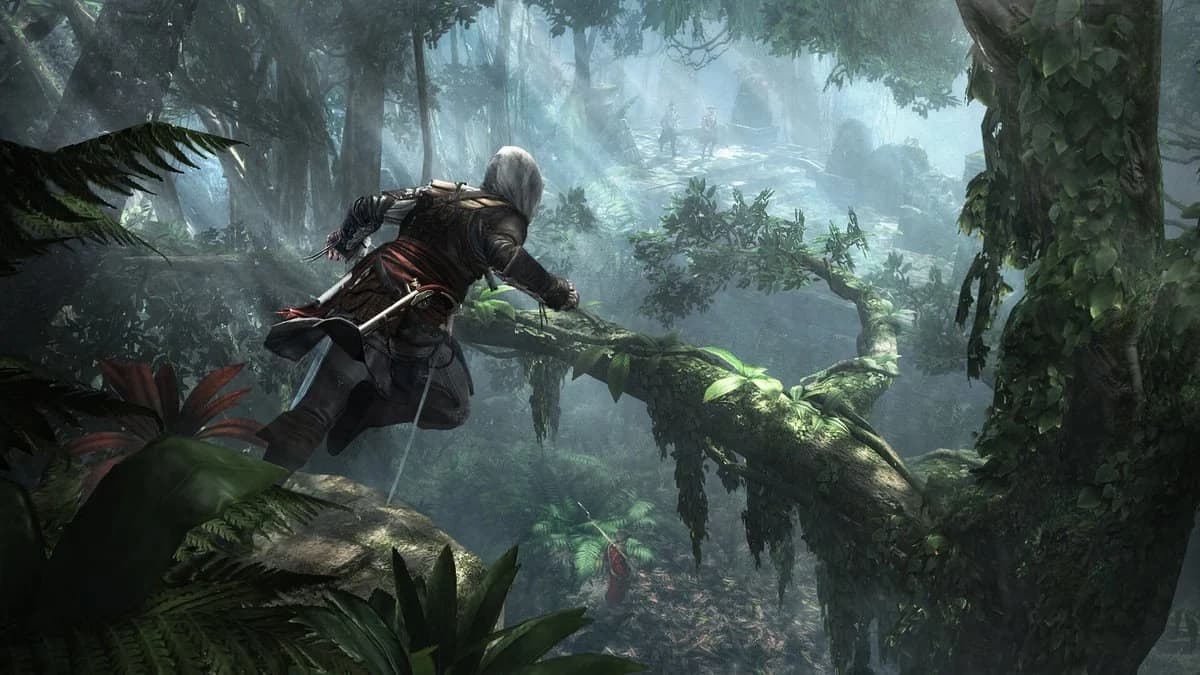
Martin Schelling is not an unknown: producer credits stretching from Revelations to Valhalla and a stint as Ubisoft’s Chief Production Officer make him the practical choice to steer strategy and keep multiple projects aligned. Jean Guesdon is the emotional anchor — the creative hand behind classics like Black Flag and Origins — and François de Billy is the operations guy who makes big, sprawling productions less chaotic. That triad covers brand, content and delivery in a tidy corporate sandwich.
The uncomfortable observation
PR will sell this as “returning the franchise to its roots.” Fair. The uncomfortable truth is the company is also narrowing the tent. Centralizing control under a Vantage-led leadership team reduces creative variance across projects — which is good for predictability and fiscal oversight, but bad for experimental or radical entries. If you liked the franchise getting weird, this is probably not the signal you want.
Context: not just Ubisoft
Look around the industry and you see similar impulses. Meta recently shifted Horizon Worlds toward mobile after losses and studio cuts, explicitly separating brand and platform priorities. Roblox is fighting legal scrutiny over safety and moderation. Both examples (reported by GamesIndustry) show big companies responding to financial pressure or legal risks by retrenching, repackaging, or centralizing — exactly what Ubisoft is doing for Assassin’s Creed.
The question nobody’s asking (but should)
How much creative freedom will the AC teams retain inside this centralized Vantage structure? It’s one thing to put veterans in charge; it’s another to let them take risks. If Vantage’s job is to smooth and standardize high-value IP, we should expect fewer experiments and more safe, scalable pipelines designed to serve multiple simultaneous projects.
If I had two minutes with the PR rep: which of the current, in-dev Assassin’s Creed projects will be preserved exactly as planned, and which are being retooled to fit a single “brand vision”? Ask for names or working titles — that’s where the real signal is.
What to watch next
- Vantage Studios updates and roadmap reveals — any confirmation of in-development AC titles and their scopes (watch for announcements or teasers in the next 3-6 months).
- Community reaction and staffing chatter on Reddit and developer forums — spikes in morale or departures will indicate how much control the new team wields.
- Legal filings and outcomes in the Marc-Alexis Côté case — settlements or rulings could shape public perception and internal morale.
- Quarterly investor letters or Ubisoft internal memos referencing Vantage’s mandate — they’ll reveal whether this is a cultural reset or a cost-focused consolidation.
TL;DR
Ubisoft put three seasoned Assassin’s Creed veterans in newly named franchise roles to steady the brand after departures, layoffs and a public lawsuit. It brings production stability and familiar creative leadership — but also centralizes control under Vantage, which raises the odds of safer, less experimental future entries. Watch Vantage’s roadmap and any project-level confirmations to see if this is stabilizing stewardship or creative consolidation.
FinalBoss // Gear
Level up your setup
01Top-rated gaming headsetson Amazon→02High-refresh gaming monitorson Amazon→03Gaming chairson Amazon→04Discounted game keyson Kinguin→Affiliate links · As an Amazon Associate, FinalBoss earns from qualifying purchases.
Want to Level Up Your Gaming?
Get access to exclusive strategies, hidden tips, and pro-level insights that we don't share publicly.
Ultimate Gaming Strategy Guide + Weekly Pro Tips