
This caught my attention because Ubisoft isn’t just any publisher – it’s a bellwether for how big-studio management handles franchises, workplace culture, and risk. When union reps publicly call for a CEO to step down, it’s a rare escalation that signals deep, systemic problems, not a single bad quarter.
Table of Contents (8)
Ubisoft CEO Yves Guillemot Should Resign: Leadership, Layoffs, and the Risk to Franchises
- Union reps publicly demanded Yves Guillemot’s resignation after 2026 layoffs, project cancellations, and a controversial restructuring into five “creative houses.”
- The move follows historical harassment scandals, nepotism concerns, a return-to-office push without evidence, and falling employee trust – increasing strike risk and investor anxiety.
- Practically, gamers face unfinished or under-supported titles and possible delays; investors face short-term downside ahead of Q1 results.
{{INFO_TABLE_START}}
Publisher|Game Developer / Union Statements
Release Date|February 3, 2026
Category|Industry news – Corporate/Workplace
Platform|Ubisoft (Multi-platform game publisher)
{{INFO_TABLE_END}}
What happened, in plain terms
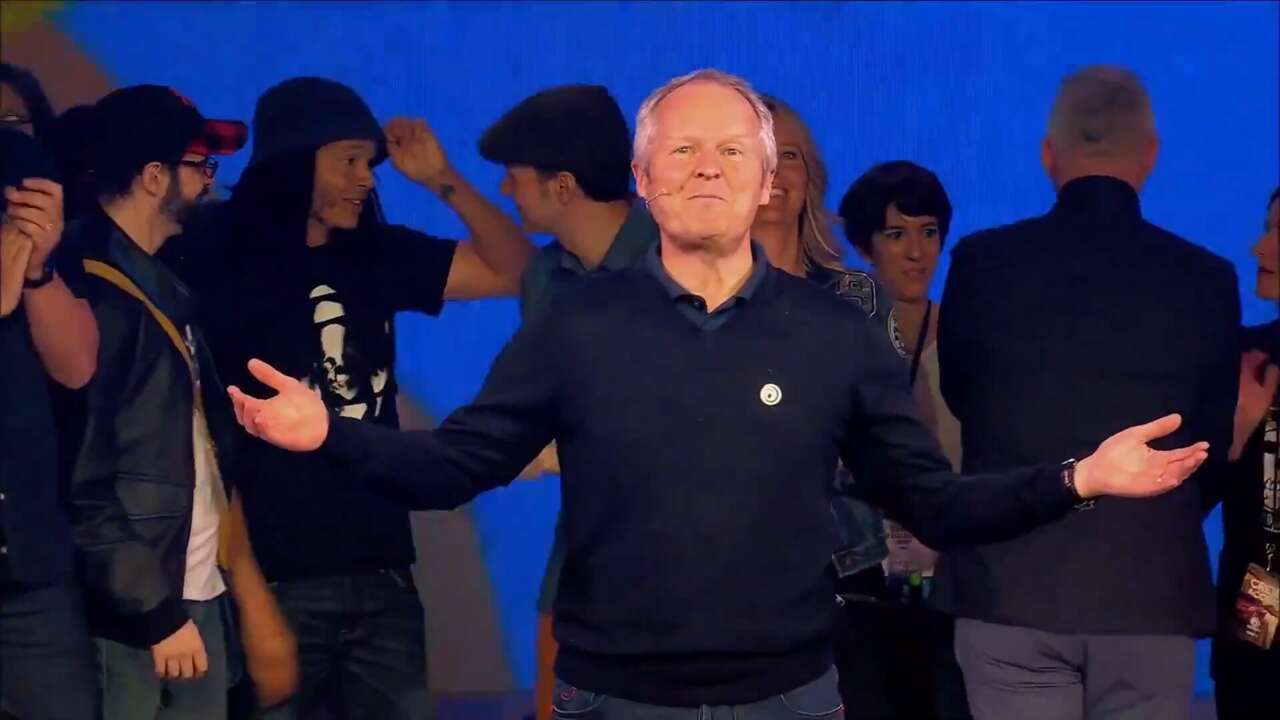
Union representatives Marc Rutschlé and Chakib Mataoui publicly urged CEO Yves Guillemot to resign after a string of decisions and events: a €500M cost-cutting plan through 2028, about 200 recent layoffs, the cancellation of notable projects (including a Prince of Persia remake), and a reorganization into five franchise-dedicated “creative houses.” Those moves coincided with a return-to-office mandate and an erosion of trust stemming from earlier harassment scandals and perceived nepotism at the executive level.
Why the union call matters beyond headlines
This isn’t just internal drama. When senior staff publicly demand a CEO leave, it amplifies three real risks:
- Production disruption: Layoffs + restructuring during active development increase the odds of cancellations, delays, and quality problems on live-service and AAA titles.
- Labor action: With trust low and remote-work agreements broken, an international strike is plausible — that would materially slow updates and launches and dent launch revenues.
- Investor risk: Shares already fell meaningfully after the restructuring announcement; continued turmoil could pressure revenue forecasts and licensing deals tied to big franchises.
Context and skepticism: What “creative houses” actually mean
“Creative houses” sounds like a franchise-first efficiency move — centralize teams around brands to scale content. In theory that helps consistency and IP reuse. In practice, when implemented alongside layoffs, it looks like a blunt cost-cutting tool that risks homogenizing design, hollowing out studio autonomy, and burning out remaining staff. Without clear guardrails (how IP stewardship, staffing, and quality are protected), this is a playbook that can save margins while destroying the very creative cultures that made those franchises successful.
What this means for gamers and buyers
Expect more conservative franchise choices, longer gaps between major releases, and uneven post-launch support on riskier titles. If you own recent Ubisoft releases that still show high bug counts or light content, consider monitoring refund windows and patch roadmaps. Also, keep an eye on competing studios that are absorbing frustrated talent and filling the content void.
What this means for investors
Short term: volatility. The company’s cost plan and restructuring aim to improve margins, but execution risk is high. If a strike or additional cancellations hit, revenue visibility will drop. Watch Q1 earnings and management’s messaging on hiring, IP roadmaps, and productivity metrics. Longer term: leadership change could be constructive if it restores trust and stabilizes studios, but it’s not guaranteed.
Probable outcomes and practical next steps
- If Guillemot resigns: expect a short-term PR reset and possible leadership hires focused on operational discipline and studio relations. Franchise roadmaps may be re-evaluated but not immediately improved.
- If he stays: higher strike risk and continued talent flight, which increases the chance of more cancellations or long-term creative decline.
- For gamers: track official patch notes, refund policies, and alternatives from other studios. For investors: reassess exposure before Q1 earnings and prioritize names with healthier labor relations.
TL;DR
Union reps asking for Yves Guillemot’s resignation is a significant escalation that flags real operational and cultural problems at Ubisoft. The restructuring and layoffs may stabilize margins but threaten creativity and delivery. Gamers should be cautious about purchases without clear patch roadmaps; investors should expect volatility and monitor the company’s next public disclosures closely.
FinalBoss // Gear
Level up your setup
01Top-rated gaming headsetson Amazon→02High-refresh gaming monitorson Amazon→03Gaming chairson Amazon→04Discounted game keyson Kinguin→Affiliate links · As an Amazon Associate, FinalBoss earns from qualifying purchases.