
Table of Contents (8)
GTA Goes to College – And It Actually Makes Sense
This caught my attention because “video game class” headlines usually read like clickbait, then dissolve into “watch YouTube and vibe.” This one feels different. The University of Tennessee has greenlit “Grand Theft America: U.S. History Since 1980 through the GTA Video Games,” a course by historian Tore Olsson that uses Rockstar’s long-running satire as a lens on modern America. Not to teach you how to five-star a police chase, but to interrogate inequality, media polarization, mass incarceration and immigration using in-game scenes as cultural texts.
Key Takeaways
- This isn’t a “how to play GTA” class; it’s structured historical analysis using Rockstar’s satire as source material.
- Olsson previously taught U.S. history with Red Dead Redemption, so this isn’t a one-off publicity stunt.
- Smart picks: GTA V’s container port for deindustrialization/offshoring; radio parodies for media polarization; San Andreas’ 1992 riots for policing and justice.
- The course explicitly avoids glorifying violence and focuses on real-world context-expect lectures, clips, and critical discussion, not free roam.
Breaking Down the Course
Olsson frames 1980 to the present as a coherent era: widening inequality, exploding prison populations, hardening political tribes, and big demographic shifts. Through that frame, Grand Theft Auto becomes a funhouse mirror that still shows a true outline of the face. GTA V’s Los Santos docks (remember those stiff, miserable shifts with Floyd?) are an easy springboard into globalization and the hollowing out of American industry. The series’ relentlessly snarky radio stations parody talk radio, pundit culture and conspiracy grifters-perfect for dissecting how media helps calcify our bubbles. And San Andreas explicitly riffs on Los Angeles in 1992: an acquittal of corrupt cops, a city erupting, and a story that forces discussion about policing, institutional rot, and why communities snap.
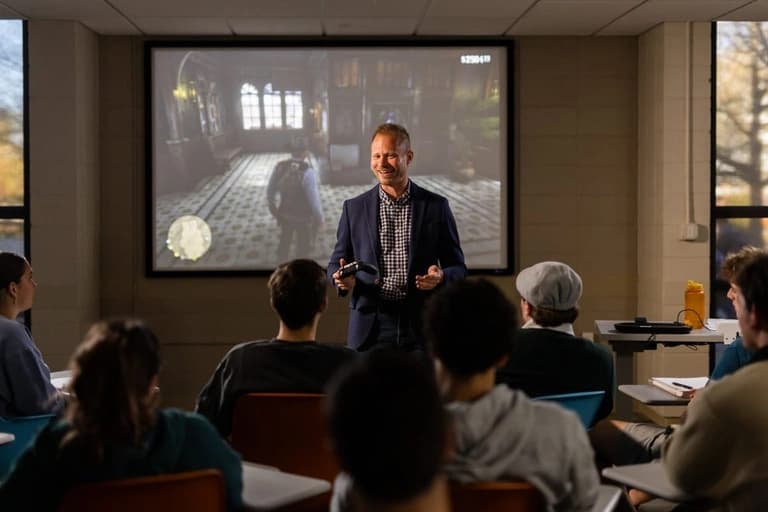
Crucially, students aren’t required to play. Simply booting up GTA doesn’t count as scholarship. Olsson uses curated clips and screenshots inside a traditional lecture format. Exams won’t ask, “What would Trevor do?” They’ll ask why a particular satirical beat lands, what real policy it references, and where the satire exaggerates—or misses the point. The course is explicit about avoiding the series’ worst excesses to keep the classroom grounded in respect and real history.
Why This Matters Now
We’re on the doorstep of GTA 6 discourse swallowing the internet whole. In that context, a university treating GTA not as a moral panic to be policed but as a cultural artifact to be decoded is refreshing—and overdue. Gamers have been saying for years that games are texts. Academia’s been dabbling (Assassin’s Creed in history seminars, The Last of Us in ethics and pandemic studies, Minecraft in education), but a flagship series like GTA carries a different cultural weight. Its satire touches everything: housing, finance, policing, celebrity worship, the gig economy, and the nihilism of “brand me or be invisible.”
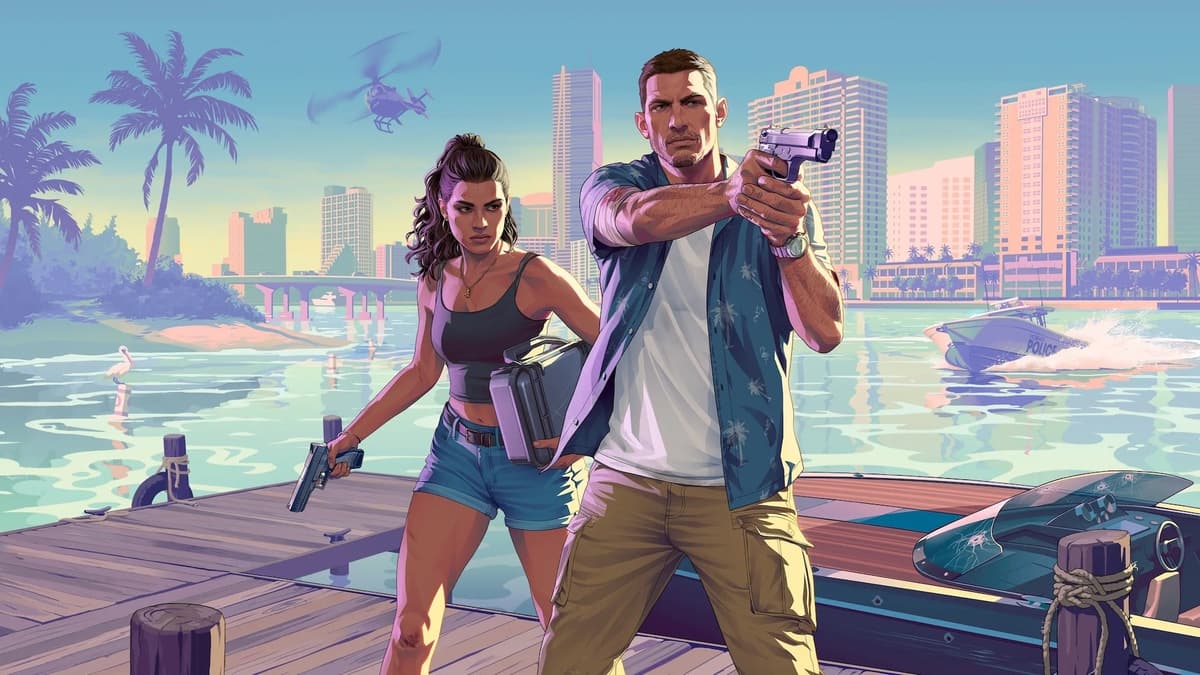
Olsson’s earlier Red Dead Redemption course in 2021 proved this can work beyond headlines. Late-19th-century America clicked for students because they could see the steel, blood, and contradictions inside Rockstar’s fiction. Translating that approach to the late 20th and early 21st centuries feels even more natural—GTA practically begs you to talk about Reaganomics, broken windows policing, and infotainment.
The Opportunities—and the Pitfalls
Here’s the honest bit: GTA’s satire is broad, often brilliant, and sometimes dated or messy. The series can punch in all directions, and not every joke ages well. That’s exactly why it belongs in a classroom. Good analysis doesn’t just applaud the bullseyes (Weazel News, Lifeinvader, Ponzi finance) but interrogates where the tone slides into stereotype or shrugs at systemic harm. If the course tackles both the accuracy and the blind spots, students will leave with a sharper lens—not just on games, but on the news cycle and their social feeds.
The other potential trap is mistaking vibes for evidence. Rockstar builds worlds to entertain, not footnote legislative histories. The best version of this course triangulates: game scene, real-world data, and primary sources. Based on Olsson’s framing—clips anchored to historical scholarship—that seems to be the plan.
What Gamers Need to Know
If you’re picturing a semester of chaos with the professor yelling “WASTED!” at late assignments, dial it back. This is a conventional, critical history class that uses GTA for engagement and structure. It deliberately avoids gratuitous violence, foregrounds the dignity of real people affected by the systems GTA satirizes, and treats students like adults. And no, your 600-hour GTA Online grind won’t earn extra credit.
Still, it’s a quiet win for players. Every time a university treats games as legitimate cultural artifacts, it chips away at the tired stereotype that games are just toys or time-wasters. With GTA 6 set to dominate living rooms and op-eds alike, having more people equipped to separate satire from endorsement—and to trace the real policies under the jokes—can only help the conversation.
Looking Ahead
I’m curious whether the syllabus will evolve once GTA 6 lands. Rockstar’s next take on America will arrive in a very different media climate than 2013’s. Will its satire feel sharper, or safer? Will it take bigger swings at tech monopolies, climate anxiety, housing crises, and post-truth politics? If Olsson keeps iterating—like he did moving from Red Dead to GTA—this could become a living course that charts how games and the country change in tandem.
TL;DR
The University of Tennessee’s GTA history course isn’t a gimmick; it’s a smart use of satire to unpack real American history since 1980. It avoids edgelord posturing, anchors clips to scholarship, and asks hard questions—even about GTA itself. As GTA 6 approaches, this is the kind of nuance the broader conversation needs.
FinalBoss // Gear
Level up your setup
01Top-rated gaming headsetson Amazon→02High-refresh gaming monitorson Amazon→03Gaming chairson Amazon→04Discounted game keyson Kinguin→Affiliate links · As an Amazon Associate, FinalBoss earns from qualifying purchases.
Want to Level Up Your Gaming?
Get access to exclusive strategies, hidden tips, and pro-level insights that we don't share publicly.
Ultimate Gaming Strategy Guide + Weekly Pro Tips