
When a studio wipes almost a million accounts from a live game in one day, it usually means one thing: they’re defending their business model. Valve’s massive Counter-Strike 2 ban wave wasn’t just about “fair play” – it was about taking back control of a cosmetics economy that bots were quietly turning into an industrial-scale cash machine.
Table of Contents (9)
Key takeaways
- Valve banned around 960,000 CS2 accounts on March 25, almost all tied to automated farming of cases and cosmetics – not classic aimbot cheating.
- Sources across Vandal, Eurogamer Portugal, and Japanese outlet Automaton agree: bots were flooding casual modes, sitting AFK to grind loot drops for resale on Steam and third-party sites.
- Project lead Ido Magal confirmed the ban wave and credited community reports, even giving players a dedicated “Farming Bot Report” contact to keep feeding Valve data.
- The wipe helps legit players now, but it also exposes how CS2’s free-to-play, loot-box-driven design invited this problem – and why it will be back unless that design changes.
A million bans in a day is an economy move, not just an anti-cheat flex
Valve didn’t just quietly tweak some detection thresholds here. According to multiple reports, including Eurogamer Portugal and Spanish outlet Vandal, more than 960,000 Counter-Strike 2 accounts were banned on March 25 alone. CS2 project lead Ido Magal later jumped on Reddit to confirm the number – roughly 960k, reportedly exactly that internally – and to stress these weren’t regular players caught in a glitch, but bot accounts identified through investigation and reports.
The key word across every source isn’t “cheat”, it’s “farm”. These bots weren’t walling you on Mirage; they were grinding the casino.
CS2, like CS:GO before it, hands out cases and cosmetic drops simply for playing. Those items can be sold on the Steam Market for wallet balance, or offloaded on third-party sites for real cash, betting skins, or tournament “prizes”. That loop is the foundation of a billion-dollar micro-economy – and exactly the kind of loop that script writers love to automate.
Automaton’s reporting lines up with what players have been seeing on community trackers: big spikes in account activity, weirdly synchronized play patterns, and lobbies packed with motionless “teammates” that somehow never disconnect. Valve’s anti-cheat systems (and likely broader behavior analysis, not just VAC) flagged a huge slice of these and hit the red button.
This isn’t just housecleaning. It’s Valve telling anyone farming CS2 like a crypto miner: you’re messing with the mint.
Bot lobbies were making CS2 miserable – and very profitable for the wrong people
Vandal’s breakdown hits the player-side pain clearly: these bot accounts were queuing into matches and then doing literally nothing. They’d sit AFK for the entire game, soaking up XP and post-match rewards, while their human teammates effectively played 4v5 in what’s supposed to be one of the tightest competitive shooters on PC.
Multiply that by thousands of accounts and you get what a lot of CS2 players have been complaining about for months: casual modes, deathmatch, and some armory-style servers flooded with useless bodies, breaking the basic social contract of a matchmade game. The lobby fills, the round starts, half your side walks into a wall.
Eurogamer PT connects the other half of the story: why people bother. Bots can keep accounts online 24/7, nudging the system to hand out crates and cosmetic drops that can be sold. Rare knives and skins end up on external marketplaces or as gambling chips. More mundane items still add up as long as you’re running dozens, hundreds, or thousands of accounts.
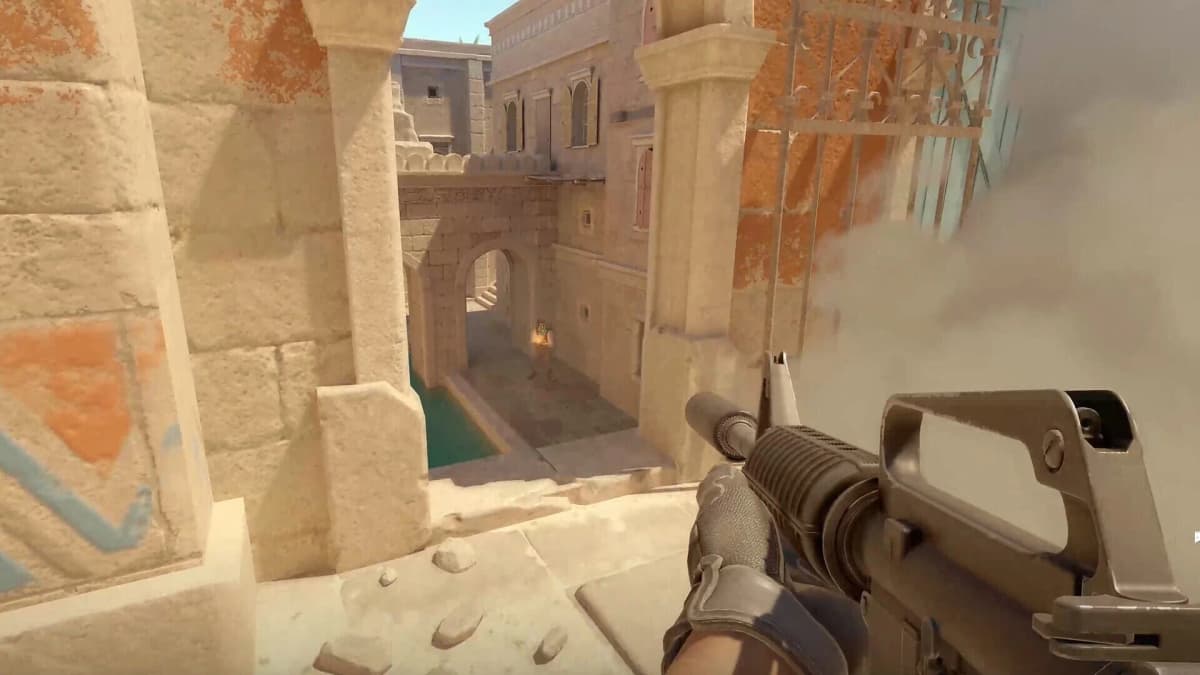
Put bluntly, CS2’s “play and maybe get a lottery ticket” system was being strip-mined by farm operators. Players got wrecked match quality. Botters got inventory. Valve got engagement metrics and marketplace fees… until the imbalance became too obvious to ignore.
Valve moved fast once the marketplace looked at risk
Here’s the uncomfortable bit Valve PR will never spell out: this level of decisive action is not how the company usually handles cheating in CS. Wallhacks, rage spinbots, obvious scripting – those have been a slow-burn background radiation in the series for years, even with VAC and Trusted mode.
What’s different this time is the target. These bots weren’t simply breaking fairness; they were distorting the economy that underpins CS2’s long-term revenue. When the flood of botted items starts to threaten scarcity, price stability, or even just player trust in the skin ecosystem, Valve has a financial incentive to nuke first and answer questions later.
To Magal’s credit, he didn’t frame this as “mystical new AI catching hackers” either. Across reports, he repeatedly pointed to community help as crucial. Players have been flagging suspicious lobbies, weird name patterns, copy-paste movement, and other tells. Valve even published a dedicated channel – csgoteamfeedback@valvesoftware.com with “Farming Bot Report” in the subject line – to funnel this data straight to the team.
So yes, this is partially a victory lap for game security. But the scale and speed send a second message: Valve absolutely can rip out massive botnets when they intersect with something it really cares about. That invites the obvious follow-up question: why doesn’t this kind of decisive action hit other long-standing problems as often?
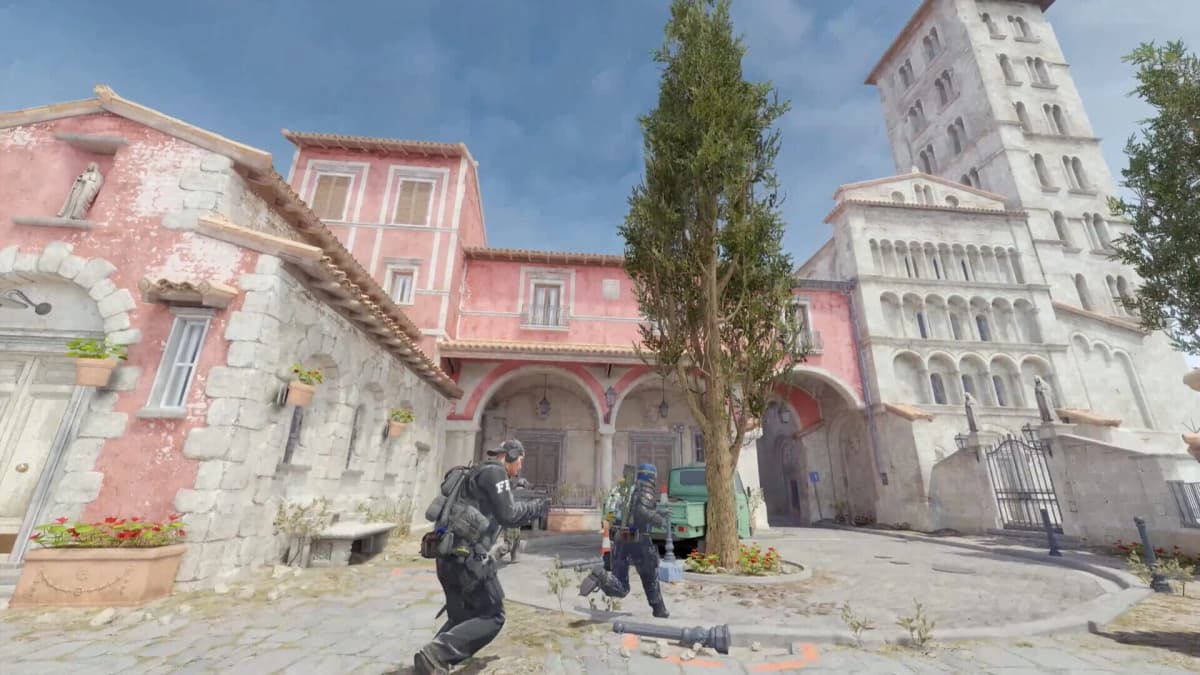
Free-to-play Counter-Strike is always going to be a bot magnet
CS2 went free-to-play, and we all understood the trade. Lower barrier to entry, bigger player pool, and all the usual headaches: smurfs, throwaway cheaters, boosted accounts – and yes, industrial bots. When spinning up a new account costs nothing but an email address and a few clicks, the main constraint on bot farming is how much you can automate.
This ban wave proves that Valve can slam the door on one generation of bot farms. What it doesn’t solve is the incentive structure that created them. As long as:
- drops are tied directly to playtime or match completion, and
- those drops can be liquidated into real value (Steam wallet or third-party cash), and
- accounts are effectively disposable at scale,
someone will find it worth the effort to script the whole thing.
The real structural fix would be to make the reward logic harder to game: more behavior-based drop systems, stronger per-device or per-ID rate limits, or deeper integration of phone/ID verification for accounts participating in the economy. None of that is free. All of it adds friction to a game that sells itself on “click play and you’re in.”
If I had one question for Valve’s PR team, it’d be this: is the strategy here to change CS2 so it’s less bottable, or to accept that you’ll have to swing a million-account hammer every few months?
Good for legit players – but don’t expect zero collateral damage
For regular players, the short-term impact should be noticeable: fewer zombie teammates in casual queues, less chance of joining those surreal “all bots, no humans” lobbies, and a general reduction in noise around case drops.
But whenever you ban at this scale, the margin of error matters. Valve says these were clearly identified bot accounts, and the way Magal talked about internal investigations suggests they weren’t just flipping a single switch on raw playtime. Still, some edge cases are inevitable:
- Internet cafés and shared PCs where multiple legit accounts look like a small bot farm.
- Players who macro idle on community servers thinking it’s “harmless” AFK grinding.
- People buying cheap accounts from shady resellers, inheriting the farm flag with them.
We’ve already seen the usual Reddit threads pop up from players claiming wrongful bans. Some are surely lying. A few probably aren’t. The bigger the net, the more those false positives matter.
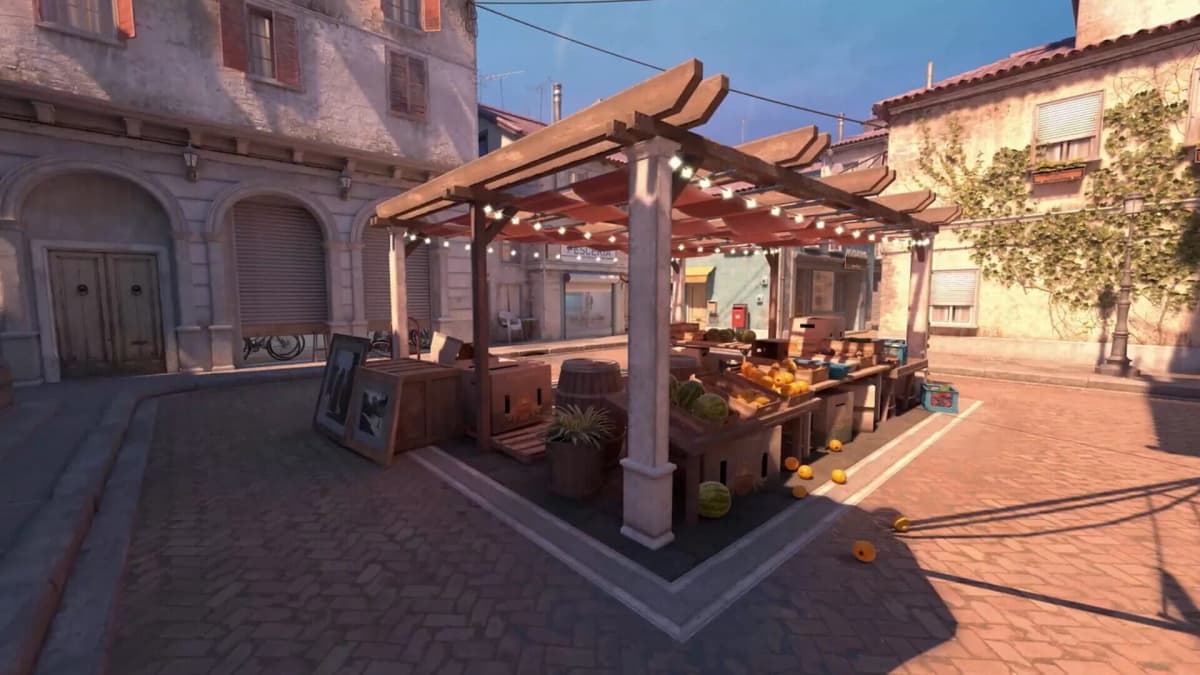
The other guaranteed outcome: bot operators adapt. Account creation pipelines will get slightly smarter. They’ll randomize patterns more, spread activity thinner, maybe even script “fake” human behavior. The arms race doesn’t end; it just moves into the next round.
Skins, gambling sites, and the esports angle
So what does this actually change beyond your next casual Dust2?
On the marketplace side, losing hundreds of thousands of farm accounts means fewer free-flowing low-tier drops entering the system. That could have a few knock-on effects:
- Slightly tighter supply of certain cases and skins that were being massively farmed.
- Pressure on third-party sites that leaned on cheap botted inventory for giveaways, low-stakes betting, or “bonus” balances.
- More value per drop for legitimate players who actually play the game instead of scripting it.
This doesn’t mean your inventory just doubled in price overnight. The CS economy is absurdly large and resilient. But in a game where everyone knows skins are half the culture, anything that reasserts Valve’s control over supply matters.
There’s also the competitive ecosystem sitting on top of all this. HLTV’s coverage of events like FERJEE In House and DraculaN Season 6 – where teams like 9z and FaZe are fighting for Cologne Major relevance – shows how CS2’s esports calendar is heating up again. Those matches aren’t directly affected by casual-mode bots, but the scene relies on players believing CS2 is a game worth grinding. If your average ranked player keeps running into four AFK bots and a spin cheater, that pipeline dries up.
In that light, the ban wave is also a message to the broader scene: Valve is at least willing to act when the health of the ecosystem is on the line, even if the catalyst is the skin economy rather than a particular tournament.
What to watch next
- Match quality over the next month: if casual and deathmatch queues stay mostly human, the ban wave landed. If bot lobbies creep back fast, detection needs another pass.
- Valve’s communication: Magal’s Reddit post and the public email channel are more open than usual for Valve. If those go quiet, it’s back to black-box enforcement.
- Any tweaks to drop logic: subtle changes to how and when cases drop would be the clearest sign Valve wants to reduce farmability, not just punish farmers.
- Marketplace trends: sharp price moves in high-volume cases or low-tier skins could signal just how much supply bots were injecting.
- Future ban waves: another six-figure wipe in a few weeks would mean the bot operators rebuilt fast – and that this is going to be a recurring cycle, not a one-off purge.
TL;DR
Valve banned around 960,000 Counter-Strike 2 accounts in a single day, targeting botnets farming cases and cosmetics for profit rather than traditional aimbot cheaters. The move cleans up casual modes and reasserts Valve’s control over a lucrative skin economy that was being distorted by industrial farming. The real test now is whether Valve changes CS2’s reward systems to be less bottable, or just keeps swinging the million-account hammer whenever the marketplace starts to wobble.
FinalBoss // Gear
Level up your setup
01Graphics cardson Amazon→02Gaming laptopson Amazon→03High-refresh gaming monitorson Amazon→04Discounted game keyson Kinguin→
Affiliate links · As an Amazon Associate, FinalBoss earns from qualifying purchases.
Want to Level Up Your Gaming?
Get access to exclusive strategies, hidden tips, and pro-level insights that we don't share publicly.
Ultimate Gaming Strategy Guide + Weekly Pro Tips