
For the first time in 25 years of Counter-Strike, hitting reload is no longer free. Valve has quietly turned one of the game’s most mindless habits into a real tactical gamble – and a lot of players absolutely hate it.
Table of Contents (7)
Key takeaways
- Reloading now discards the entire current magazine, wasting any remaining bullets instead of pooling them back into reserves.
- Most guns have been converted to a “magazine count” system (usually three spare mags), with some weapons gaining or losing total ammo.
- Valve says the change is about realism and resource management; critics say it trashes decades of muscle memory and slows the game’s flow.
- How tournament organizers and pro teams react will decide whether this sticks or becomes the next big rollback in CS history.
Reloads finally have teeth – and a price tag
The core change, pushed live via Steam around March 18-19, is brutally simple: if you reload a magazine-fed weapon in Counter-Strike 2 before it’s empty, you lose every bullet still in that mag. No invisible ammo pool, no magic refills. The game pulls in a fresh, full magazine from a limited reserve and the old one just vanishes.
Shotguns that load shell-by-shell (Nova, XM1014, MAG-7) are the exception – their behavior hasn’t changed. Everything else now treats magazines as actual objects instead of abstract numbers.
On top of that, Valve has rebuilt how reserves work. Most rifles and SMGs now carry around three spare magazines, but the exact count is tuned per weapon. Reports point to tweaks like the M4A1-S losing a magazine and the M4A4 gaining one, reflecting Valve’s idea of which guns should be about precision and which can sustain more spray.
The HUD has been reworked to match: instead of one big reserve number, you see your current mag, a bar showing how full it is, and a clear count of how many spare magazines you’ve got left. Snipers, pistols, and shotguns present the info differently, but the message is the same — you’re supposed to think before you tap R.
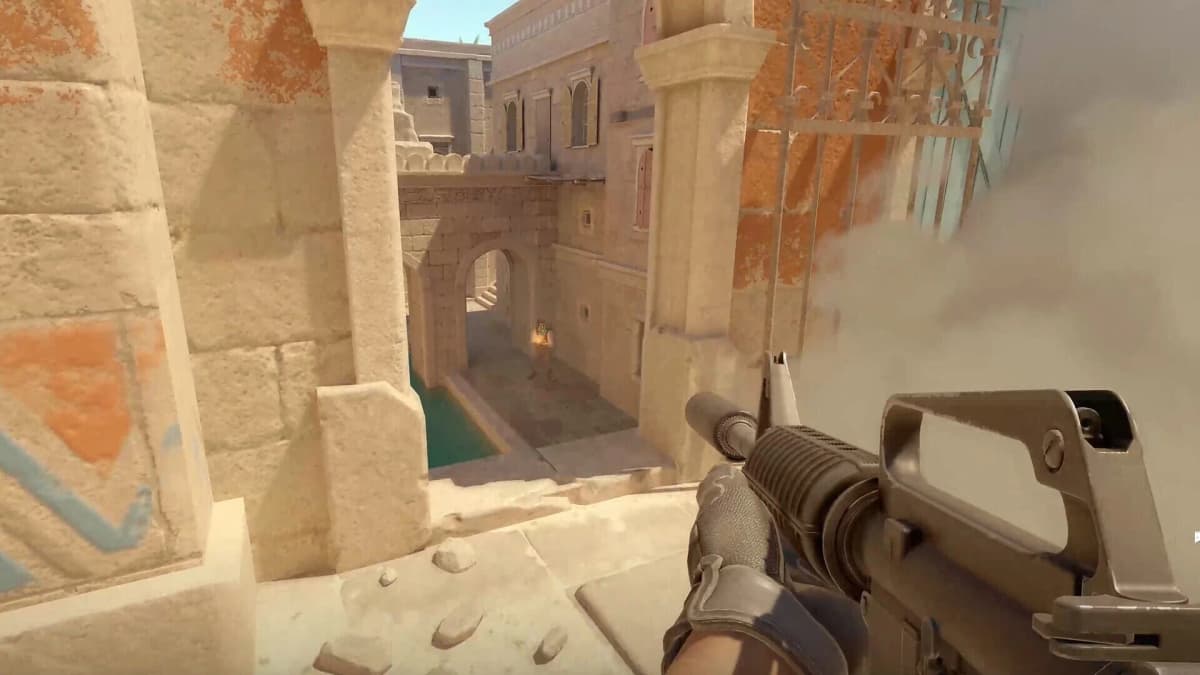
This isn’t just a “feel” change, either. Ammo still costs money. Every wasted bullet you throw on the ground is CT or T-side budget burned for nothing. Over a half, that adds up.
Valve wants realism and discipline. Players want their game back.
Valve’s stated logic, echoed across multiple regional reports, is straightforward: reloads should have consequences, and ammo management should be a real skill. For decades, Counter-Strike has let you spam a few shots, reload instinctively, and never pay for that habit. The new system is meant to kill that muscle memory and reward players who stay calm and count their bullets.
If you’ve spent time in more hardcore shooters like Escape From Tarkov or Insurgency, this design will feel familiar. Magazine management is part of the tension. Counter-Strike, though, has always lived in a sweet spot between arcade simplicity and tactical depth. This update shoves it a noticeable step toward the sim side of that line.
If you’ve spent time in more hardcore shooters like Escape From Tarkov or Insurgency, this design will feel familiar. Magazine management is part of the tension. Counter-Strike, though, has always lived in a sweet spot between arcade simplicity and tactical depth. This update shoves it a noticeable step toward the sim side of that line.
🎮 Get This Game at the Best Price
Compare prices instantly and save up to 80% on Steam keys with Kinguin — trusted by 15+ million gamers worldwide.
*Affiliate link — supports our independent coverage at no extra cost to you
That’s exactly why the backlash was instant and loud. Reddit threads and regional coverage are full of some version of the same sentiment: Valve just broke 25 years of habits overnight, in live ranked and competitive queues, without a test branch or opt-in mode. German coverage captured the tone with a blunt fan quote: “Make this undone immediately!”
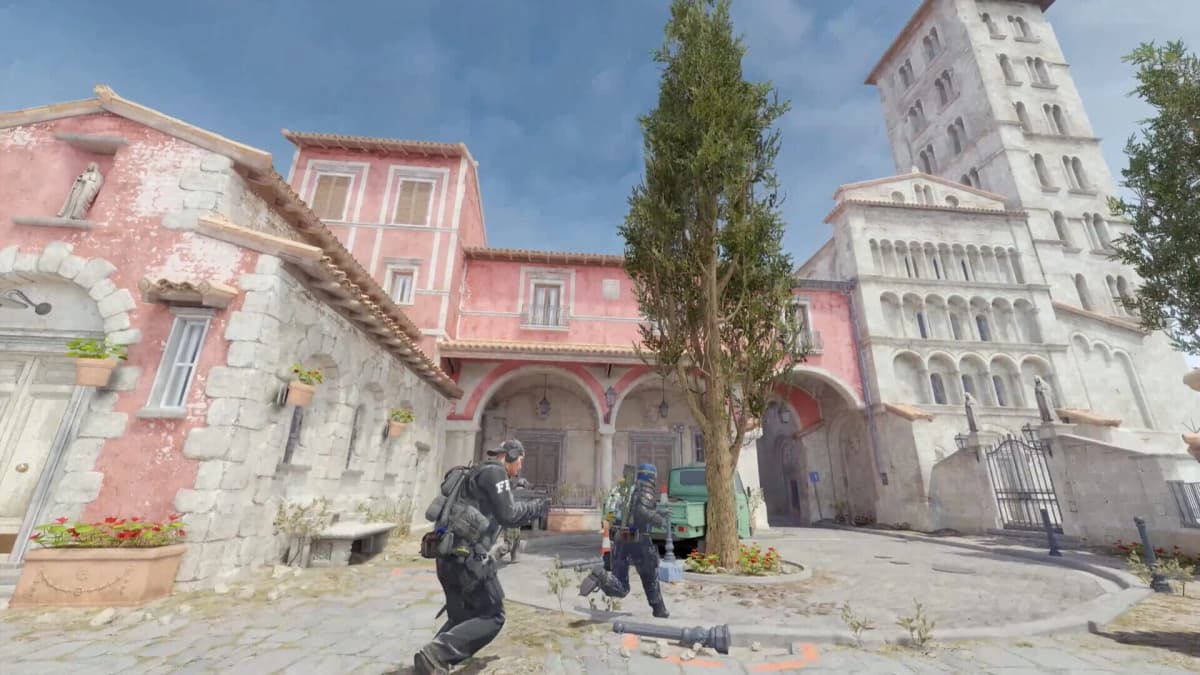
Critics argue that the change doesn’t just add depth — it adds friction. Instead of focusing purely on positioning, utility, and aim, you’re now mentally bookkeeping magazine states every round. For players who love CS because of its clean, readable loop, that feels like realism for realism’s sake.
Supporters push back that this is the first truly new mechanical wrinkle CS2 has introduced that isn’t just a re-skin of CS:GO. If you master spray control, timing, and reload discipline, your edge over panic-reloaders just got bigger. The skill ceiling goes up; the comfort floor goes down.
The uncomfortable question: why ship this straight to live?
The real issue isn’t just what Valve changed, it’s how they changed it. A fundamental reload overhaul dropped as a standard Steam update, instantly affecting live matches. No experimental playlist, no “beta ruleset” for feedback. Just: new CS, good luck.
For a casual match, that’s jarring. For an esport, it’s dangerous. BLAST Open Rotterdam qualifiers are underway, and while different tournament organizers have their own patch adoption policies, any mid-season change that rewires core gunplay is a nightmare for teams who practice thousands of hours on muscle memory that suddenly betrays them.
If I had Valve’s PR on the line, the first question would be simple: was this change playtested with pros and high-level players for weeks, or is the live player base the test bed? Because this isn’t a small balance tweak — this is a rules change for how Counter-Strike works at a fundamental level.
CS has a long history here. Remember the R8 Revolver fiasco, or the wild early M4A1-S and Tec-9 metas? When Valve pushes too far, too fast, the community eventually drags the game back to center. The question now is which category this falls into: a controversial change that becomes the new normal, or another overcorrection that gets walked back after a few weeks of heat.
What to watch next
- Valve’s first follow-up patch or blog: If they quietly tweak magazine counts, add a toggle for casual, or soften the discard rules, that’s a sign they’re feeling the pressure.
- Tournament rulesets: See whether BLAST, ESL, and others lock to a pre-patch build for current events or fully embrace the new reload system.
- Pro player reactions: When tier-one riflers and AWPers start posting clips and stats, we’ll find out if this rewards the best or just makes everyone worse.
- Meta shifts in ranked: Expect early overreactions — more tap-heavy weapons, fewer spray-and-pray SMGs, and players hoarding ammo late round to avoid eco pain.
TL;DR
Valve has overhauled Counter-Strike 2’s reloads so that any bullets left in your magazine are now lost when you reload, with most guns limited to a small number of full spare mags. It’s a realism-driven change that makes reload timing and ammo discipline real tactical skills, but it also shreds 25 years of player muscle memory and has triggered heavy backlash. The big thing to watch is whether tournament organizers and pro teams embrace this as the new standard or force Valve to dial it back.
FinalBoss // Gear
Level up your setup
01Graphics cardson Amazon→02Gaming laptopson Amazon→03High-refresh gaming monitorson Amazon→04Discounted game keyson Kinguin→Affiliate links · As an Amazon Associate, FinalBoss earns from qualifying purchases.
Want to Level Up Your Gaming?
Get access to exclusive strategies, hidden tips, and pro-level insights that we don't share publicly.
Ultimate Gaming Strategy Guide + Weekly Pro Tips