
Valve is trying to kill New York’s loot box case before it gets anywhere dangerous, and that matters because this fight is bigger than Counter-Strike 2 cosmetics. The real legal pressure point is simple: if a court decides CS2 cases are gambling, it does not just hit one old monetization trick. It puts a spotlight on the entire business of randomized digital items with resale value, especially when that economy lives inside one of the biggest PC platforms on the planet.
According to public reporting on Valve’s latest filing, the company wants the New York Attorney General’s lawsuit dismissed on the grounds that opening a CS2 case is not legally “betting” or “wagering.” Valve’s basic argument is that players always receive something: a virtual item. In that framing, cases are closer to baseball cards, surprise toys, or other collectible products than to a slot machine. New York, unsurprisingly, sees it very differently. The state argues that users pay real money for a chance at scarce skins with real-world market value, and that the entire presentation looks and functions a lot like gambling dressed up as game design.
Table of Contents (5)
This is really a fight over what “value” means online
The core legal question is not whether CS2 cases feel like gambling. A lot of players already settled that one in their heads years ago. The real question is whether the law treats the prize as “something of value” when the prize is digital.
Valve’s dismissal push reportedly leans hard on the idea that users are buying entertainment and guaranteed in-game property, not risking money on a win-or-lose outcome. That is the cleanest version of the defense, and from a courtroom strategy standpoint it makes sense. If every randomized digital item with any aftermarket potential becomes gambling, the blast radius gets messy fast.
But this is also where Valve’s case starts to sound a little too tidy. CS2 skins are not some purely decorative abstraction locked in a vacuum. They exist in a marketplace culture that players understand perfectly well. Rare skins command meaningful prices. The Steam ecosystem gives those items liquidity, even if not always in the direct cash-out form regulators would prefer to isolate. Third-party markets do the rest. Pretending that economic reality is irrelevant because the initial transaction spits out some item every time is clever lawyering, but it is also the exact point the state is challenging.
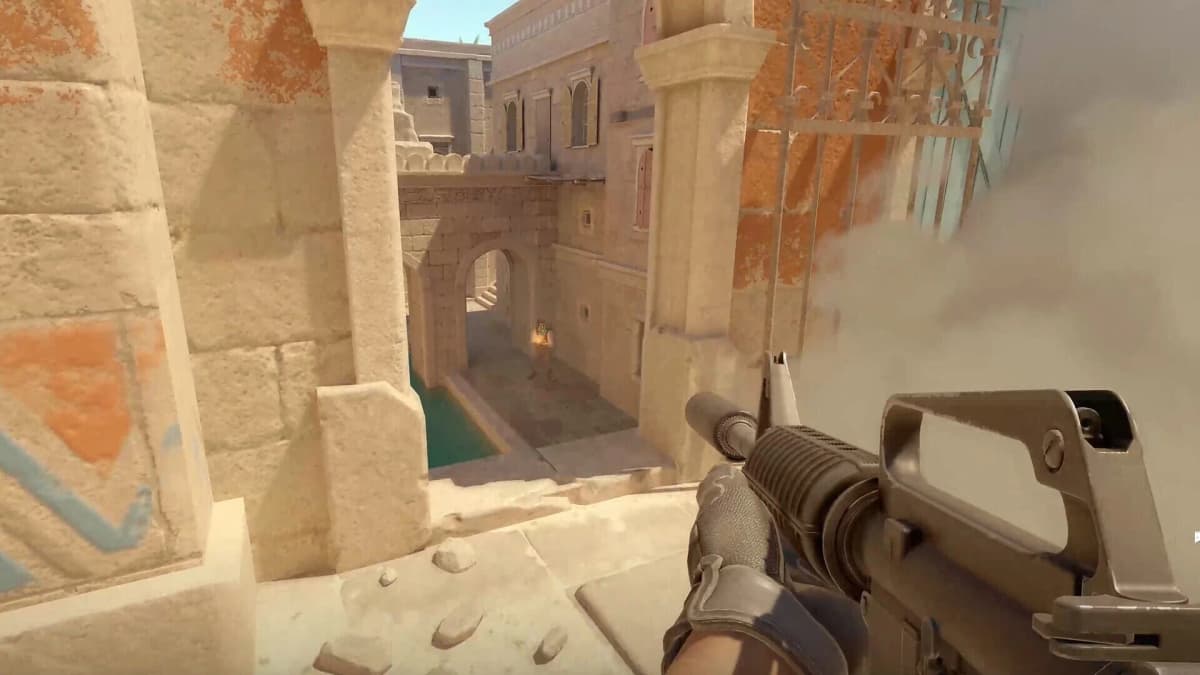
Valve’s best argument is also the one gamers should trust least
The line getting the most attention is Valve’s apparent “people enjoy surprises” defense. On its face, that sounds absurdly casual for a case about alleged gambling mechanics and youth exposure. But the broader strategy underneath it is more serious than the quote makes it seem. Valve is warning that if New York stretches gambling law too far, it could drag in all kinds of legitimate surprise-based products: trading cards, blind boxes, cereal pack-ins, arcade redemption systems, the whole lot.
That argument is not frivolous. Courts do worry about overbroad interpretations. If lawmakers want loot boxes regulated, judges generally prefer clear statutory language rather than an everything-bagel reading of existing gambling rules.
Still, this is where the comparison starts doing PR work more than analytical work. A CS2 case is not just a baseball card pack with nicer lighting. The uncomfortable observation here is that Valve’s system pairs randomized rewards with a polished reveal animation, rarity tiers, and a player base that absolutely knows which outcomes are worth real money. That combination is why this has become a regulatory target in the first place. The “surprise collectible” comparison leaves out the most controversial part: digital scarcity backed by an enormous trading ecosystem.
If I were in the room with Valve’s lawyers or PR team, the question would be blunt: if cases are merely harmless collectibles, why build them to mirror the psychology of chance-based reward systems so closely, and why defend the surrounding market value as irrelevant when everyone using the system knows it is the point?
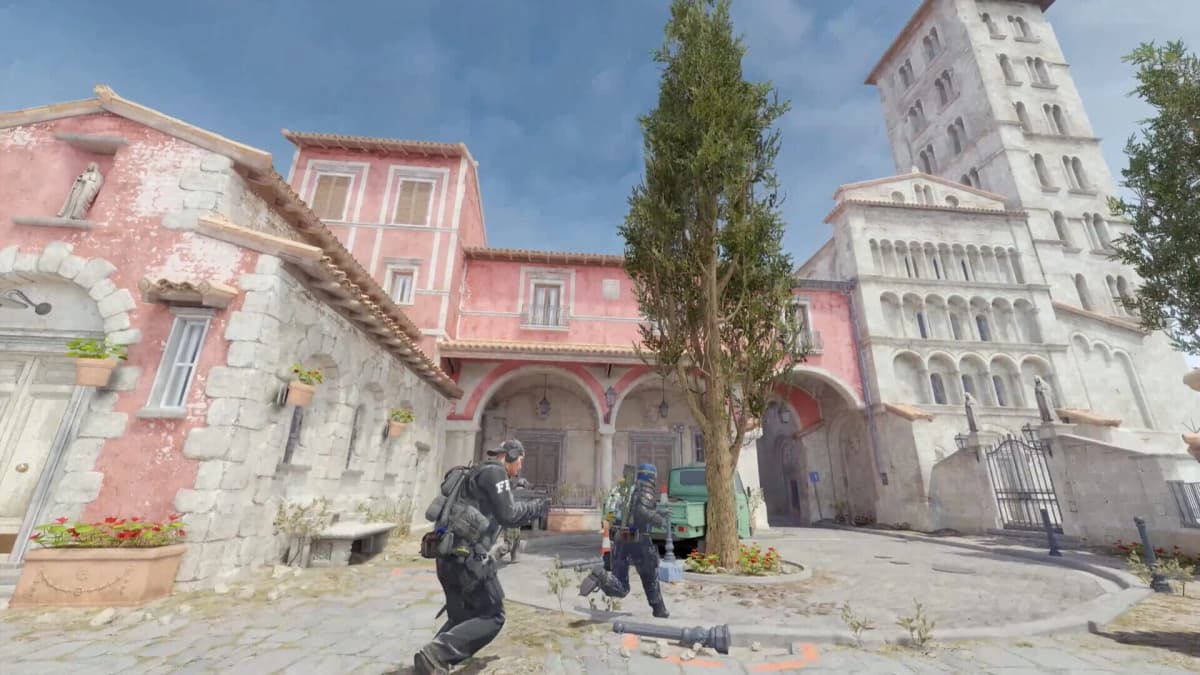
Why Counter-Strike is the cleanest test case New York could have picked
The lawsuit reportedly also touches Team Fortress 2 and Dota 2, but Counter-Strike 2 is the easiest title for the state to explain to a court. The item economy is old, visible, and culturally understood. Nobody needs a conspiracy board to see why a rare knife skin is different from a generic unlock in some forgotten live-service shooter.
That matters because loot box regulation has spent years getting tangled in edge cases. Publishers have long relied on a familiar defense loop: the rewards are optional, the items are cosmetic, players always get something, and any secondary market is separate from the publisher’s intent. Regulators, meanwhile, keep circling back to function over form. If users spend money on chance-based rewards that carry practical economic value, calling them “surprises” does not magically make the gambling question disappear.
We have seen versions of this fight before across multiple territories, but Steam’s economy gives this one extra weight. Valve is not just defending a monetization mechanic. It is defending the legal distinction that helps keep platform-linked virtual economies from being treated like regulated wagering systems. That is why this dismissal bid matters right now. If the court lets the case proceed, discovery and deeper factual scrutiny could get very uncomfortable very quickly.
The industry risk is not a loot box ban tomorrow – it is a worse kind of clarity
Some of the louder coverage frames this like a binary choice: either Valve wins and everything continues as normal, or New York wins and surprise mechanics everywhere are suddenly illegal. Real life is usually more annoying than that.
The bigger risk for publishers and platform holders is a ruling that starts drawing more specific lines. Not all randomized purchases would be treated the same. Systems tied to robust resale markets, scarcity signaling, and money-like exchange behavior could get separated from harmless blind-box collectibles. That kind of legal clarity would be far more dangerous to companies than a broad moral panic, because it would target the exact mechanics that generate the most scrutiny.
And yes, that would be deserved. The industry has hidden behind “optional cosmetics” for years while carefully engineering the exact conditions that make those cosmetics behave like speculative assets. Gamers noticed. Regulators eventually did too.
What to watch next
- First, watch whether the court grants dismissal outright or allows the case to move forward. That is the immediate fork in the road.
- Second, pay attention to how the judge addresses “something of value.” That language will matter more than any headline about loot boxes being “like gambling.”
- Third, look for whether the opinion treats Steam Marketplace activity and third-party skin markets as economically relevant or legally too remote. That distinction could decide the whole tone of the case.
- Finally, watch whether other states or consumer protection offices start echoing New York’s framing. One aggressive case is interesting. Copycats are when executives start sweating.
The practical takeaway is straightforward. Valve’s motion is not proof that the case is weak; it is proof that the company knows exactly where the danger is. If you care about how games monetize chance, ignore the “people enjoy surprises” noise and watch the court’s language around digital value, resale, and marketplace design. That is where the future of CS2 cases – and a lot of adjacent monetization systems – will actually be decided.
FinalBoss // Gear
Level up your setup
01Graphics cardson Amazon→02Gaming laptopson Amazon→03High-refresh gaming monitorson Amazon→04Discounted game keyson Kinguin→Affiliate links · As an Amazon Associate, FinalBoss earns from qualifying purchases.
Want to Level Up Your Gaming?
Get access to exclusive strategies, hidden tips, and pro-level insights that we don't share publicly.
Ultimate Gaming Strategy Guide + Weekly Pro Tips