
Buried in a recent Steam update, Valve looks like it’s wiring an in-house AI directly into how it supports players and how Counter-Strike 2 decides who to trust. That’s not just a tech upgrade – it’s Valve quietly preparing to let a model help decide which tickets get read, which reports get believed, and which CS2 lobbies you’re allowed to sit in.
- Datamined references to “SteamGPT” point to an internal AI used for Steam Support triage and account evaluation, not a public ChatGPT clone.
- The same system appears to plug into CS2’s hidden Trust Factor, with code strings like Trust_GetTrustScoreInternal, player_evaluation and CSbot.
- Best case, this makes Steam Support actually responsive and helps catch cheaters and smurfs faster; worst case, it’s a new, opaque layer judging players with no clear appeal process.
- Valve hasn’t announced SteamGPT, a rollout date, or how transparent it’ll be about AI-driven trust scores and anti-cheat decisions.
Table of Contents (8)
SteamGPT is about scale, not novelty
The leak isn’t a “Valve made a chatbot” story. It’s a “Steam is now so big Valve needs an AI buffer between you and a human” story.
In early April, known Valve dataminer Gabe Follower pulled new strings from Steam client updates and posted them on social media. Buried in the code: references to SteamGPT, SteamGPTRenderFarm, and functions for handling support tickets, account summaries, and “inference results.” Multiple outlets, including Dexerto and Eurogamer’s Portuguese edition, cross-checked the findings. None of this is announced, but the pattern is hard to miss.
Steam’s support reputation has never kept pace with its revenue. Backlogs around big sales, duplicate tickets from account theft, region-lock confusion, refund debates – it’s all the boring, ugly side of running the biggest PC storefront on Earth. The leaked code strongly suggests SteamGPT is designed first as an internal tool to summarize account history, classify incoming requests, and suggest responses or actions to human agents.
Think less “type to a bot” and more “AI pre-chews a 10-year account history so the support staffer doesn’t trawl logs for twenty minutes.” The RenderFarm naming points to Valve spinning up dedicated inference capacity for this – an internal AI cluster built to churn through metadata at scale.
Given how many support requests boil down to the same patterns — “my account is locked,” “I didn’t cheat,” “refund this DLC” — there’s a logical case for this. The uncomfortable bit arrives when you see where else SteamGPT’s tentacles reach.
Where CS2 comes in: an AI brain for Trust Factor
Alongside the support-related code, dataminers found hooks straight into Counter-Strike 2: strings like Trust_GetTrustScoreInternal, player_evaluation, inference_results, and references to CSbot. Put together, they strongly suggest SteamGPT doesn’t just help support — it also evaluates players.
We already know Valve runs a hidden “Trust Factor” for CS matchmaking — a numeric score that decides who you get queued with. Historically it’s been influenced by things like:
- VAC and game ban history
- Whether you’ve linked a phone number and have Steam Guard enabled
- Hours played, game ownership, and how “normal” your account looks
- Reports from other players and your behavior in matches
Eurogamer PT reports that internal values appear to sit on a 1-10 scale, with SteamGPT reading and aggregating those signals as part of a player evaluation flow. Dexerto’s breakdown points to the same thing: an AI layer that helps digest trust data, not just a dumb “if ban == yes then trust = 0” rule set.
This isn’t out of nowhere. Valve has been using machine learning in Counter-Strike for years: VACNet was already analyzing demos and behavioral patterns to assist Overwatch-style review systems in CS:GO. What’s new here is the suggestion that a general-purpose, GPT-style system is now in the loop, reading account metadata and spitting out trust inferences that can feed into matchmaking and anti-cheat workflows.

On paper, that’s powerful. Cheaters and paid griefers leave patterns in their wake — throwaway accounts, weird playtime spikes, report clusters, hardware changes. An AI that can cross-reference all that faster than a script could help quarantine bad actors sooner and keep fresh players out of obvious smurf lobbies.
But when you put a generalist AI on top of an already opaque trust system, you don’t just get “better detection.” You also get a fresh pile of questions Valve really doesn’t like answering.
Black-box AI on top of a black-box trust system is a problem
CS2 already lives and dies on hidden numbers: your MMR, your Trust Factor, even how likely the system thinks you are to abandon a match. Now add “inference_results” from an AI model into that stew, and the gap between what the system believes and what you can see gets wider.
The basic issues aren’t new:
- You rarely know why your Trust Factor is low.
- You almost never get clear evidence with a cheat ban.
- Appeals are slow, and communication is minimal.
Now imagine an extra hidden value: a model’s confidence that you’re suspicious based on patterns you’ll never see. Did you group with a known cheater too often? Did your hardware profile look like a farm of throwaway PCs? Did a pile of false reports in one bad week nudge your inferred trust score down?
From a PR perspective, this is exactly why you build SteamGPT as an internal tool, not a shiny public feature. Internal systems don’t have changelogs. They don’t need patch notes. They don’t have to tell you when they’ve started making bigger calls about your account rights.
If I had Valve’s PR rep on the line, the first question would be blunt: will players ever see, audit, or meaningfully appeal AI-driven trust decisions? Right now there’s no sign the answer is yes.
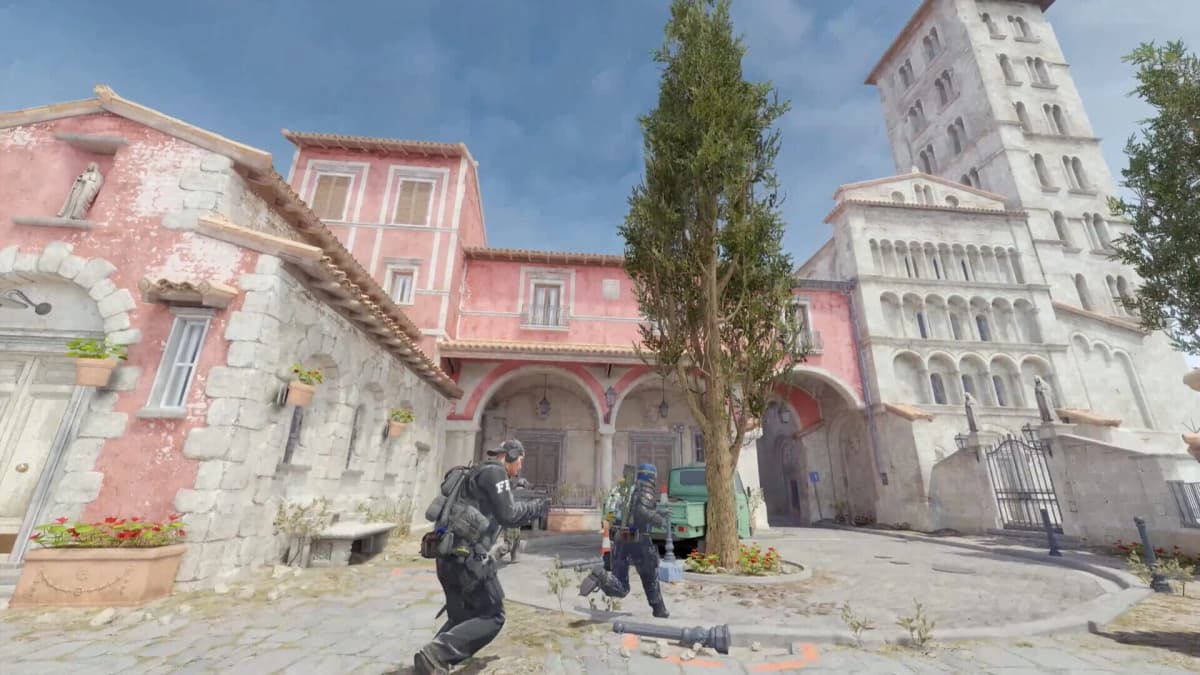
That opacity matters more when the stakes are high. For a casual indie game, “AI helped prioritize your refund ticket” is annoying at worst. For CS2, where banned accounts can be worth thousands in skins and years of progress, “AI helped decide your trust score and flagged your behavior” is a different weight class.
Best case, Steam support finally becomes usable
None of this means SteamGPT is inherently bad news. There’s a best-case scenario here that’s genuinely good for players.
Valve’s platform has exploded faster than its headcount. External analysis last year showed more games hitting six-figure revenues on Steam than ever, but also highlighted discoverability and localization bottlenecks. Support is caught in that same squeeze: more users, more edge cases, same famously small company at the top.
An AI that can skim an account’s entire history, pull in purchase records, hardware changes, ban logs, and session data, then summarize it in a readable paragraph for a human agent? That’s a huge time saver. The human can spend their three minutes of attention actually deciding, not hunting for which of 50 logs are relevant.
During peak chaos — massive sales, new CS2 operations, or after a big ban wave — SteamGPT could be the difference between waiting days and waiting hours for a response. It could also help surface genuinely urgent stuff (ongoing account theft, payment fraud) ahead of low-impact noise.
If that’s where Valve draws the line — AI as high-speed assistant, with humans still owning real decisions — most players will never notice SteamGPT, which is exactly how a good back-end upgrade should feel.
What SteamGPT likely isn’t (yet): a fully automated ban machine
It’s easy to jump straight to “AI will start insta-banning CS2 players.” The leak doesn’t actually support that worst-case leap, at least not directly.
Eurogamer PT’s reporting emphasizes SteamGPT as a triage and evaluation tool, not an autonomous ban hammer. The naming around “inference results” and “player_evaluation” fits that vibe: the model scores, summarizes, maybe even suggests actions, but some other system — automated or human — still does the final enforcement.

Valve has historically been cautious about explicit “the AI banned you” features. VACNet in CS:GO, for example, was designed to feed into Overwatch (community review) and assist VAC, not stand alone as a raw ML ban system. That doesn’t mean AI wasn’t involved; it means Valve prefers to keep a slim layer between the model and the red button.
Also absent from the leak: any sign of a new kernel-level driver or invasive client-side component. This looks more like back-end inference over existing telemetry, not Riot Vanguard-style deep hooks into your OS. CS2 still relies on VAC, server-side logic, and Trust Factor; SteamGPT just looks like it’s sliding into the “figure out who’s dodgy” phase of that stack.
The risk isn’t some sci-fi AI overlord. It’s a slow creep where more and more of Valve’s judgment calls — support, trust, matchmaking, fraud — quietly get mediated by a system you can’t see or challenge.
This fits a bigger trend: platforms automating judgment
Valve isn’t alone here. Riot leans on machine learning for everything from voice moderation to smurf detection. Activision uses AI to flag suspicious patterns in Warzone. Console networks auto-moderate messages, party chat, and content shares with language models.
The pattern is always the same:
- Volume outpaces what humans can ever manually review.
- Companies train models on past ban/appeal history and trust metrics.
- Those models increasingly shape who gets surfaced, hidden, banned, or trusted — usually with minimal disclosure.
SteamGPT is Valve’s version of that shift. The stakes are higher than usual because Steam isn’t just a game launcher. For a lot of people it’s their entire PC library, with thousands of dollars in purchases and tradable items tied to a single account. When an AI-assisted system touches support, anti-cheat, and trust all at once, it’s effectively sitting upstream of your ability to access your own collection and play in good lobbies.
Regulators are starting to care about this kind of automated decision-making, especially in Europe, where profiling and algorithmic decisions that materially affect users can fall under stricter rules. If Valve wants to avoid legal and community headaches, it will eventually need a story for how SteamGPT decisions can be explained and challenged — even if it never uses those exact words in public.
What to watch next
- Any official mention of “SteamGPT” or AI in support pages: If Valve updates its support or privacy docs to mention automated decision-making or AI summaries, that’s your first hard confirmation.
- CS2 anti-cheat and Trust Factor comms: A blog post about “improved Trust Factor” or “enhanced AI anti-cheat” will tell us how confident Valve is in putting this front-facing.
- Support experience shifts: Faster responses, more templated replies referencing “automated analysis,” or new wording about “our systems detected” will be the player-facing signs SteamGPT is live.
- Appeal and transparency tools: Any way to see your Trust Factor, a breakdown of ban reasons, or richer appeal portals would be a strong sign Valve knows it can’t keep this completely in the dark.
- Regional differences: If Europe gets clearer disclosures or extra options around automated review, that’ll be a direct result of legal pressure intersecting with SteamGPT.
TL;DR
Dataminers have uncovered “SteamGPT,” an internal Valve AI that looks set to triage Steam Support tickets and feed into CS2’s Trust Factor and anti-cheat systems. Used well, it could finally make Steam Support bearable and help quarantine cheaters and smurfs more effectively. Used badly — and opaquely — it becomes one more invisible system deciding what kind of player you are, with very few ways to argue back.
FinalBoss // Gear
Level up your setup
01Graphics cardson Amazon→02Gaming laptopson Amazon→03High-refresh gaming monitorson Amazon→04Discounted game keyson Kinguin→Affiliate links · As an Amazon Associate, FinalBoss earns from qualifying purchases.
Want to Level Up Your Gaming?
Get access to exclusive strategies, hidden tips, and pro-level insights that we don't share publicly.
Ultimate Gaming Strategy Guide + Weekly Pro Tips