
What caught my attention here isn’t that Vampire Crawlers: The Turbo Wildcard from Vampire Survivors is out now. It’s that poncle chose to follow one of the most copied hits of the decade by doing something riskier than a lazy sequel. Instead of shipping “more Vampire Survivors, but bigger,” it shoved that whole power-fantasy loop into a first-person, turn-based deckbuilding roguelite and put it on Game Pass day one. That’s either confidence or a very stylish identity crisis. Maybe both.
The basics are straightforward enough: Vampire Crawlers launched on April 21, 2026 across Xbox Series X|S, Xbox on PC, PlayStation, Nintendo Switch, and PC storefronts, with day-one availability on Xbox Game Pass Ultimate and PC Game Pass. It also supports Xbox Play Anywhere. The pitch is a genre remix of Vampire Survivors: familiar weapons, enemies, and that same escalating sense of “I should not be this overpowered, and yet here we are,” except now the action runs through cards, dungeon crawling, and a “Turbo Turn” system that rewards playing cards in ascending mana cost to stack multipliers and turn ordinary turns into screen-clearing nonsense.
Table of Contents (7)
Key takeaways
- This is not a throwaway brand extension. Poncle is testing whether Vampire Survivors is a transferable design philosophy, not just one brilliant accident.
- Game Pass matters because it removes the biggest barrier for skeptical players: genre friction. Plenty of Survivors fans would never blind-buy a first-person deckbuilder.
- The Turbo Turn hook is the whole bet. If chaining ascending mana costs feels as good as evolved weapon snowballing did in Survivors, poncle has something real.
- The early consensus from reviews and hands-on coverage looks solid rather than flawless: smart systems, familiar addiction loop, and some bugs or UI rough edges depending on platform.
This is poncle proving it’s more than the studio behind one miracle hit
Most outlets are going to frame this as “Vampire Survivors, but now it’s a deckbuilder.” True, but too shallow. The real story is that poncle is trying to answer the question every breakout indie studio eventually faces: was the first hit a format, or was it lightning in a bottle?
Vampire Survivors exploded because it looked simple and played like compulsion engineering in the least sinister sense of the term. Tiny decisions. Constant escalation. A loop that made ten minutes disappear without asking permission. The danger for any spinoff is obvious: keep too much, and it feels like reheated leftovers; change too much, and the original audience checks out. Vampire Crawlers is interesting because it tries to preserve the emotional rhythm rather than the mechanical shell.
That’s the part I’d press a PR rep on: was the goal to make a deckbuilder wearing Vampire Survivors clothes, or to rebuild the same dopamine curve inside a completely different genre? Because that answer matters. One is branding. The other is actual design ambition.
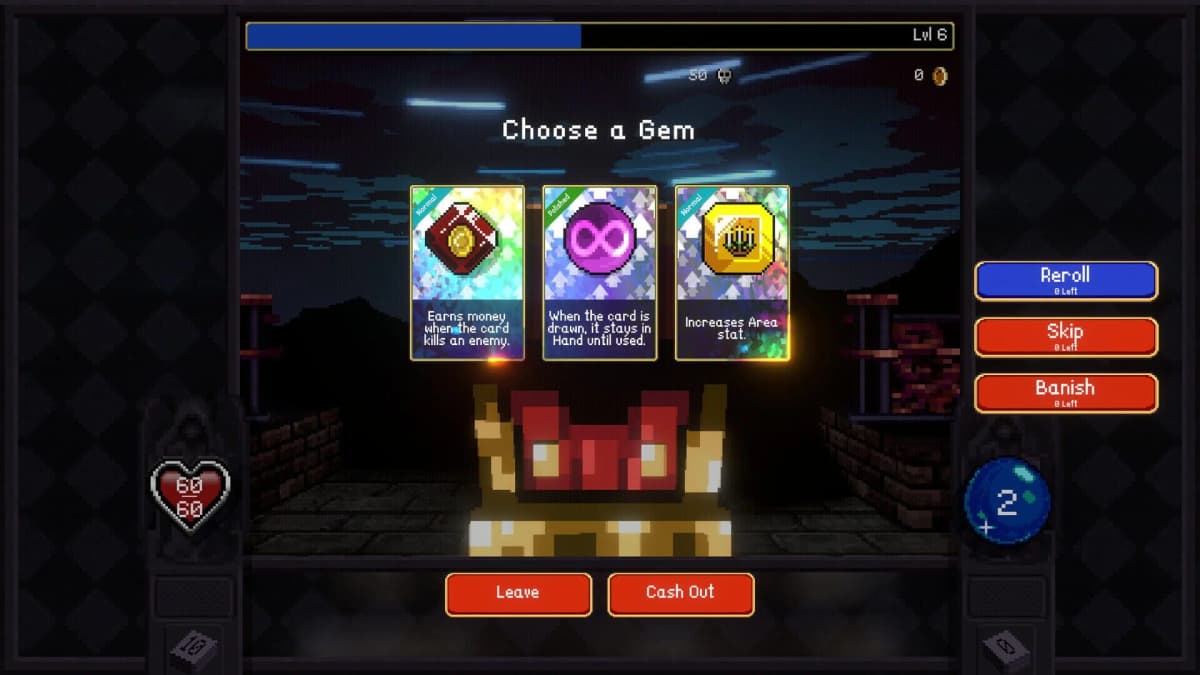
Turbo Turn is the part that will decide whether this sticks
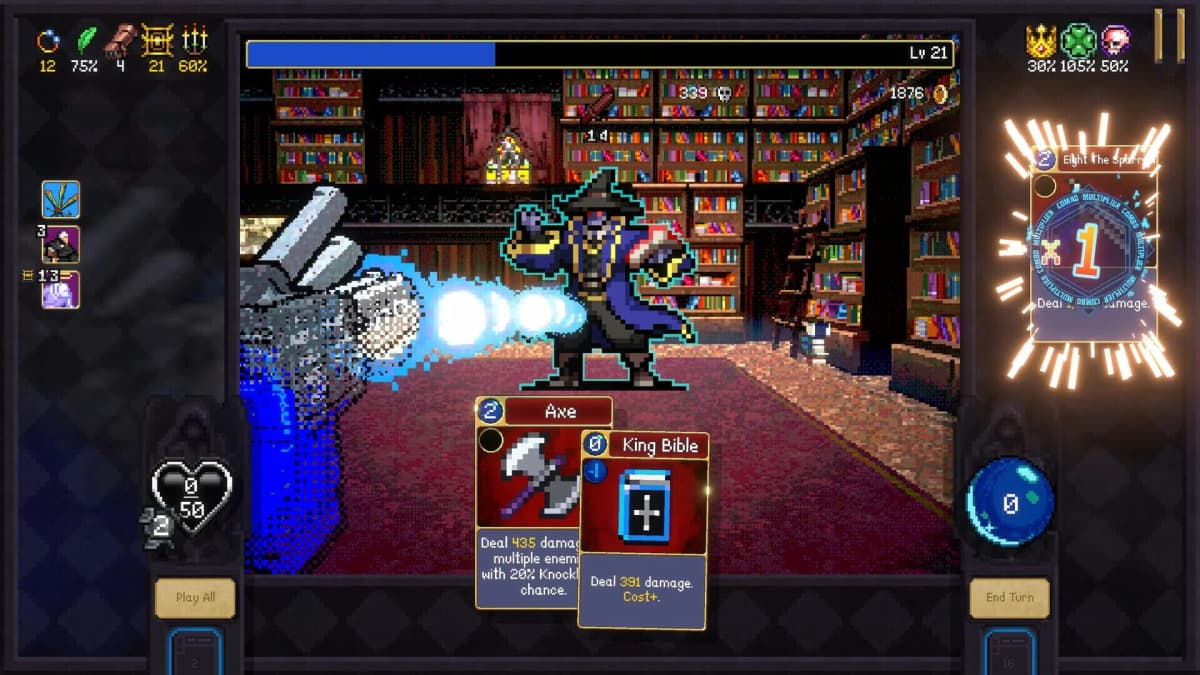
The headline mechanic is clean: play cards in ascending mana order and your effects get juiced by a multiplier. On paper, that sounds almost suspiciously tidy, like the sort of system you can explain in one sentence and then spend twenty hours breaking in half. Which, to be fair, is very much in character for anything orbiting Vampire Survivors.
That mechanic matters because it solves a basic spinoff problem. Traditional turn-based deckbuilders often live or die on restraint, efficiency, and defensive math. Vampire Survivors lives on excess. Turbo Turn looks like poncle’s answer to that mismatch: build order becomes momentum, momentum becomes multiplier, multiplier becomes the kind of absurd chain reaction the brand is built on. Background coverage has also pointed to card fusion, run-specific upgrades, relics, multiple Crawlers, and permanent progression through a hub structure, which suggests the team understood one crucial thing: the audience is here to break systems, not politely engage with them.
The concern is equally specific. If the best strategy calcifies into one obvious ascending-cost autopilot route, the whole thing could flatten fast. Some early impressions suggest that after enough progression, players can assemble builds that practically play themselves. That’s not automatically a flaw; Vampire Survivors has always flirted with glorious automation. But there’s a fine line between “I earned this broken run” and “the game solved itself.”
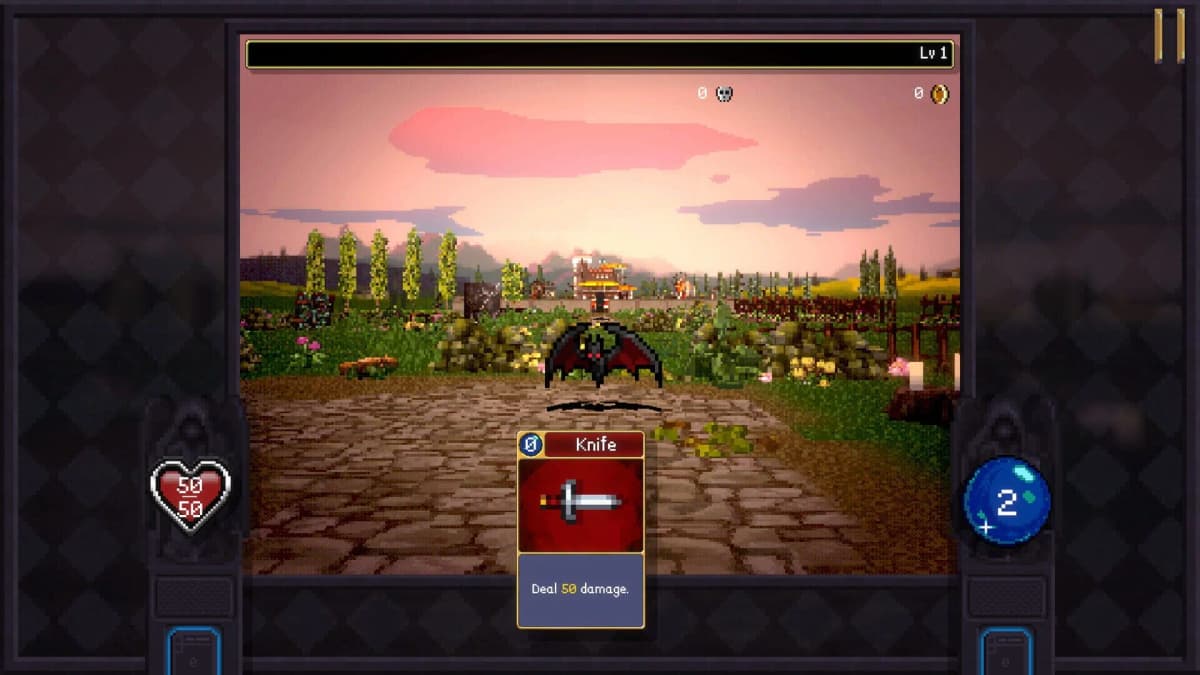
Game Pass is doing exactly what Game Pass is supposed to do here
Day-one Game Pass launches get tossed around so often now that the phrase barely registers, but this is a textbook good use of the model. A known name is attached to a genre pivot that would absolutely scare off part of its built-in audience at retail. Subscription access removes that hesitation immediately.
And that’s important because this kind of game lives or dies on discovery. Deckbuilder fans may have ignored it as a mascot spinoff. Vampire Survivors fans may have ignored it because “first-person turn-based roguelite deckbuilder” sounds like someone lost a bet in a genre generator. Game Pass gives it a cleaner shot at finding both audiences before store-page shorthand kills the pitch.
It also gives Microsoft a tidy little win: a recognizable indie brand with genuine hooks, available across console and PC, without the budget bloat of a prestige exclusive. Not every Game Pass get needs to be a giant acquisition-shaped headline. Sometimes the smartest addition is the weird one players try on a whim and accidentally main for two weeks.
The uncomfortable observation: this works because poncle didn’t worship its own hit
There’s a pattern in games where a breakout success immediately gets embalmed. Same systems. Same structure. Slightly shinier trailer. A “bigger and better” sequel that feels weirdly smaller because it’s terrified of betraying the formula. Vampire Crawlers goes the other way. It risks annoying people who just wanted more garlic circles and larger enemy swarms in order to prove the brand has range.
That doesn’t mean it’s beyond criticism. Reports have mentioned some bugs and UI annoyances, especially on handheld-friendly platforms where the game otherwise seems to fit nicely. And because this is a full genre translation, some original fans will bounce off it on principle. Fair enough. But I’d rather watch a studio swing like this than spend three years manufacturing a safer version of its own past.
What to watch next
- Whether poncle starts talking about post-launch balance or quality-of-life patches within the next few weeks. That will tell you how messy the current rough edges really are.
- Player sentiment around Turbo Turn specifically, not just review scores. If people are posting busted combo clips and weird build stories, the core mechanic landed.
- How the Game Pass conversation develops on Xbox and PC. If this starts showing up as a “one more run” obsession rather than a curiosity download, the launch strategy worked.
- Whether poncle treats this as a one-off experiment or the first sign that Vampire Survivors is becoming a broader playable universe instead of a single game.
TL;DR
Vampire Crawlers: The Turbo Wildcard from Vampire Survivors launched April 21 across Xbox, PC, PlayStation, and Switch, with day-one access on Xbox Game Pass Ultimate and PC Game Pass. The important part isn’t the release itself; it’s that poncle is trying to prove Vampire Survivors can survive a hard genre shift without losing its addictive escalation loop. Watch player reaction to Turbo Turn and the first round of patches, because that’s where we’ll find out whether this is a clever experiment or the start of something bigger.
FinalBoss // Gear
Level up your setup
01Best-selling Xbox Series X|S gameson Amazon→02Xbox controllerson Amazon→03Top-rated gaming headsetson Amazon→04Discounted game keyson Kinguin→Affiliate links · As an Amazon Associate, FinalBoss earns from qualifying purchases.
Want to Level Up Your Gaming?
Get access to exclusive strategies, hidden tips, and pro-level insights that we don't share publicly.
Ultimate Editor's Pick Strategy Guide + Weekly Pro Tips