
This grabbed my attention because Videocult, the studio behind Rain World’s bleak, solitary platforming, has built something almost the opposite: a bright, loud, mash-together of hoverbike racing and Smash-like arena brawls that prioritizes getting players into a match fast – and keeping the systems interesting enough that you want to keep learning them.
- Demo now playable: Airframe Ultra’s multiplayer demo is live in Steam Next Fest so you can try the race-and-brawl loop yourself.
- No grind hooks: Videocult and Akupara pitch buy-once monetization – no battle passes, no ranked pay-gates – which is rare in a multiplayer-first title.
- Design over flash: The game’s core is advanced movement and satisfying melee while on foot or mounted, not loot-locked progression or manipulative retention loops.
- Big unknowns: With no ranked play and no announced roadmap, longevity depends on matchmaking, post-launch support, and whether the community sticks around.
Table of Contents (6)
Why this pivot from Rain World actually matters
Videocult could have stayed in the ‘mopey sad’ lane. Instead they built something “loud and dumb and fast” — and then refused the usual revenue tricks that let developers tune for addictiveness rather than play. That’s not just tone; it’s a strategic choice. A buy-once multiplayer game forces the team to make every match matter, with mechanical depth and low friction from menu to match. If Airframe Ultra’s demo is any indication, the studio understands that friction kills small-to-mid-size multiplayer projects faster than a bad hitbox ever will.
What’s actually under the hood
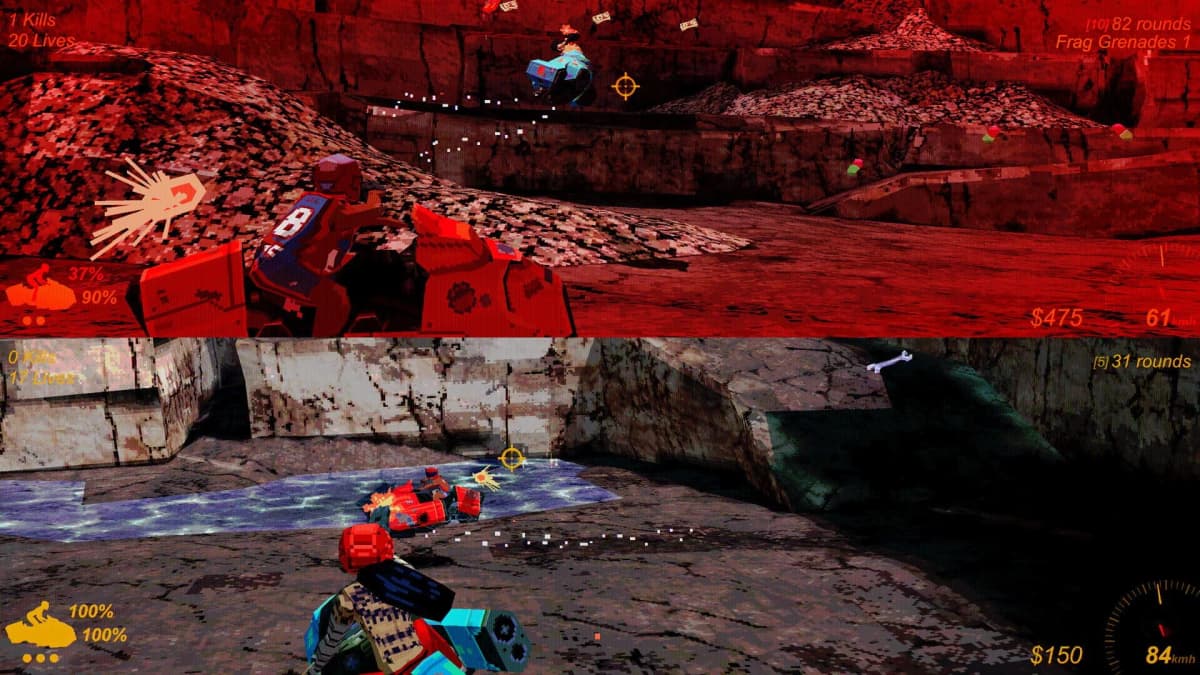
The demo sells itself on a clever hook: you race fast hoverbikes, but every track includes wide arenas where everyone dismounts and fights for points. Races are scored by knockout and by legs won, so being good at both vehicle and on-foot combat matters. The dismount mechanic is more than a novelty — it fundamentally shifts how you approach a course. Bikes handle with surprising finesse (they feel slower than top speed suggests but very precise), and on-foot play is intentionally weighty, which makes melee hits feel crunchy and meaningful.
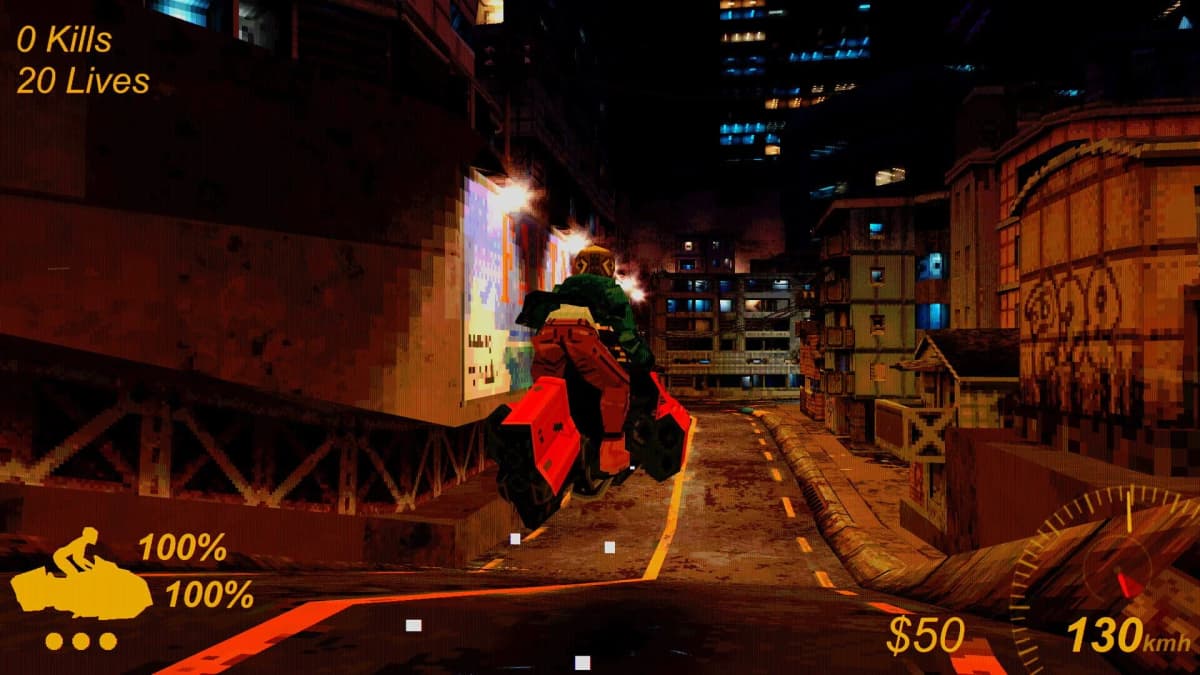
There are weapon pickups — guns exist but the melee toolkit steals the show. My personal highlight: a traffic sign used as a jousting lance that works both on foot and from your bike. The maps invite exploration; you can wander off the main route and actually enjoy the scenery before being nudged back into the action. That map design confidence is an indie luxury; it tells you the levels were built for both spectacle and repeatable play patterns.
The uncomfortable question the PR won’t lead with
Buy-once sounds noble. It’s also risky. Without recurring monetization, the game’s post-launch budget is limited — which matters for a multiplayer title. No ranked play eases expectations for an e-sports scene, but it also raises the question: how will Videocult support matchmaking quality, anti-cheat, servers, and seasonal content long-term? The PR line about zero battle passes is attractive, but I want to know the math. My question for the team: how do you fund ongoing server and content work without leaning on cosmetics or subscription hooks?
Where this fits in the current indie multiplayer moment
There’s a small trend bubbling up: indie teams leaning into pay-once multiplayer that prizes fairness over addiction mechanics — remember the veteran devs who’ve publicly walked away from the churn of big-budget shooters and built small, sustainable multiplayer concepts. Airframe Ultra isn’t a niche experiment; it feels like a smart next step for teams that want meaningful competitive play without turning players into product. The Steam Next Fest demo also positions it alongside other high-energy indie demos this cycle, like the movement-focused arena games that have been getting buzz.
What to watch next
- Player feedback during Steam Next Fest — particularly server stability, input feel, and whether arena skirmishes land as fun rather than chaotic.
- A release date and roadmap that details matchmaking, dedicated servers, and update cadence. Wishlist numbers will be telling.
- Monetization specifics post-launch — will cosmetics exist? Will they be one-time purchases? That will reveal whether buy-once truly means buy-once.
- Whether rank or formal competitive modes ever appear; their absence now could be temporary or baked in.
Videocult’s demo shows they can make fast, approachable matches that hide real mechanical depth. That’s the sweet spot for multiplayer indies: easy to jump into, hard to master. The cynical read is that the game will need a committed player base fast — but the optimistic read is it could become the sort of low-friction competitive game we wish more indies would build.
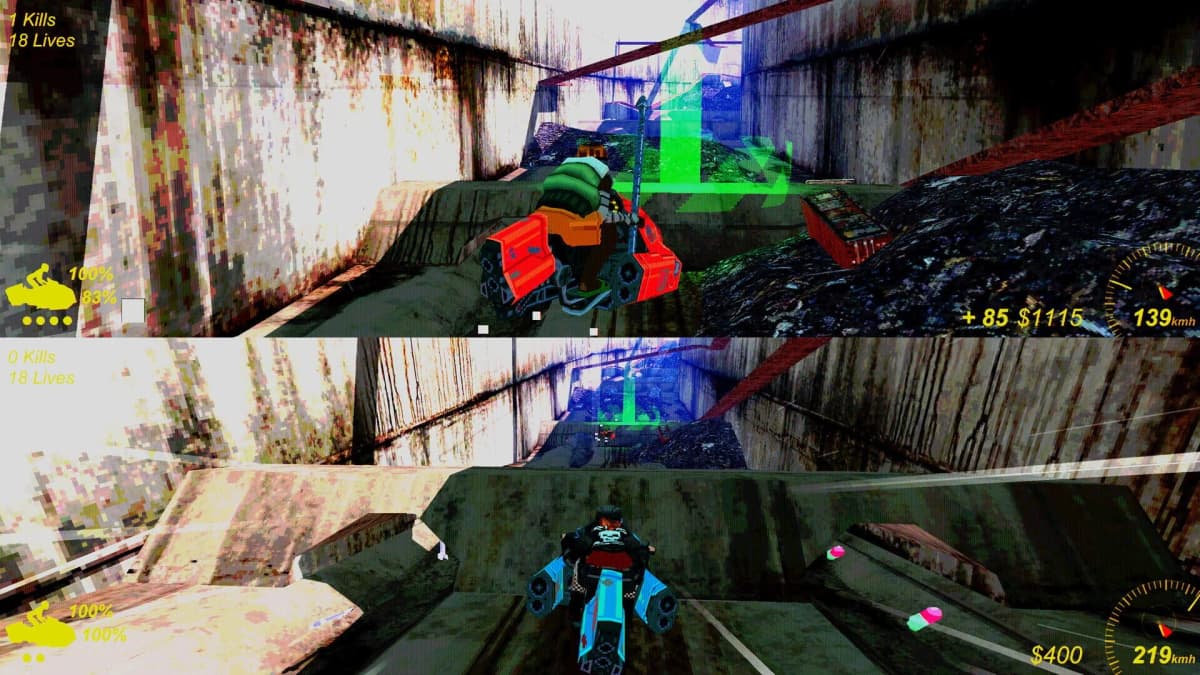
Try the demo in Steam Next Fest. If it clicks, bookmark the wishlist and watch the studio’s roadmap closely; the next announcements will tell you whether this is a polished weekend toy or a sustainable, player-first multiplayer.
TL;DR
Airframe Ultra turns Videocult’s gloom into loud hoverbike races with on-foot brawls — a buy-once multiplayer that favors movement tech and melee over grind. The Steam Next Fest demo shows solid mechanics and smart map design, but longevity hinges on matchmaking, servers, and how the studio funds future content. Watch wishlist trends, demo feedback, and the post-launch roadmap — those will decide if this is a neat indie demo or a lasting multiplayer success.
FinalBoss // Gear
Level up your setup
01Top-rated gaming headsetson Amazon→02High-refresh gaming monitorson Amazon→03Gaming chairson Amazon→04Discounted game keyson Kinguin→Affiliate links · As an Amazon Associate, FinalBoss earns from qualifying purchases.
Want to Level Up Your Gaming?
Get access to exclusive strategies, hidden tips, and pro-level insights that we don't share publicly.
Ultimate Gaming Strategy Guide + Weekly Pro Tips