
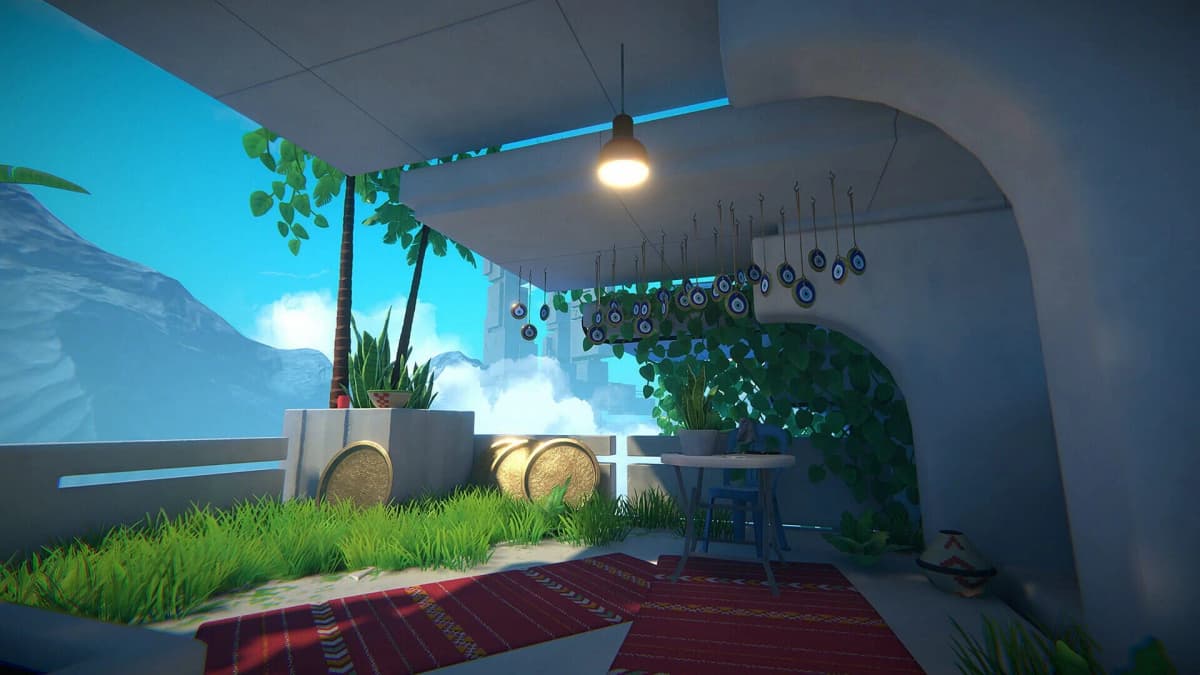
Viewfinder Warps Onto Switch December 3 — Brilliant Reality-Bender Meets Portable Play
Game intel
Viewfinder
Viewfinder is a puzzle game where you can reshape the world around you by taking photos with an instant camera.
Why This Switch Launch Actually Matters
Viewfinder is one of those rare puzzle games that makes your brain feel a size too small in the best possible way. The hook-drop a photo, painting, or sketch into the world and it becomes physical reality-never stopped impressing me on PC and PS5. So when Sad Owl Studios confirmed a Nintendo Switch release for December 3, my ears perked up. This is exactly the kind of “play a level on the bus, have an epiphany later” game that suits handheld sessions. The question is whether Switch’s aging hardware can do justice to a perception-bending trick that relies on crisp edges, clean anti-aliasing, and quick resets.
Key Takeaways
- Viewfinder arrives on Switch December 3, bringing its acclaimed reality-warping puzzles to the last big platform holdout.
- It’s not hype without receipts: BAFTA recognition and a shelf full of nominations back up the buzz.
- Portability is a real win here; the game’s short, self-contained puzzles fit perfectly into handheld play.
- Open questions remain: frame rate targets, image clarity for precision placement, and whether Switch gets gyro/touch options.
Breaking Down the Announcement
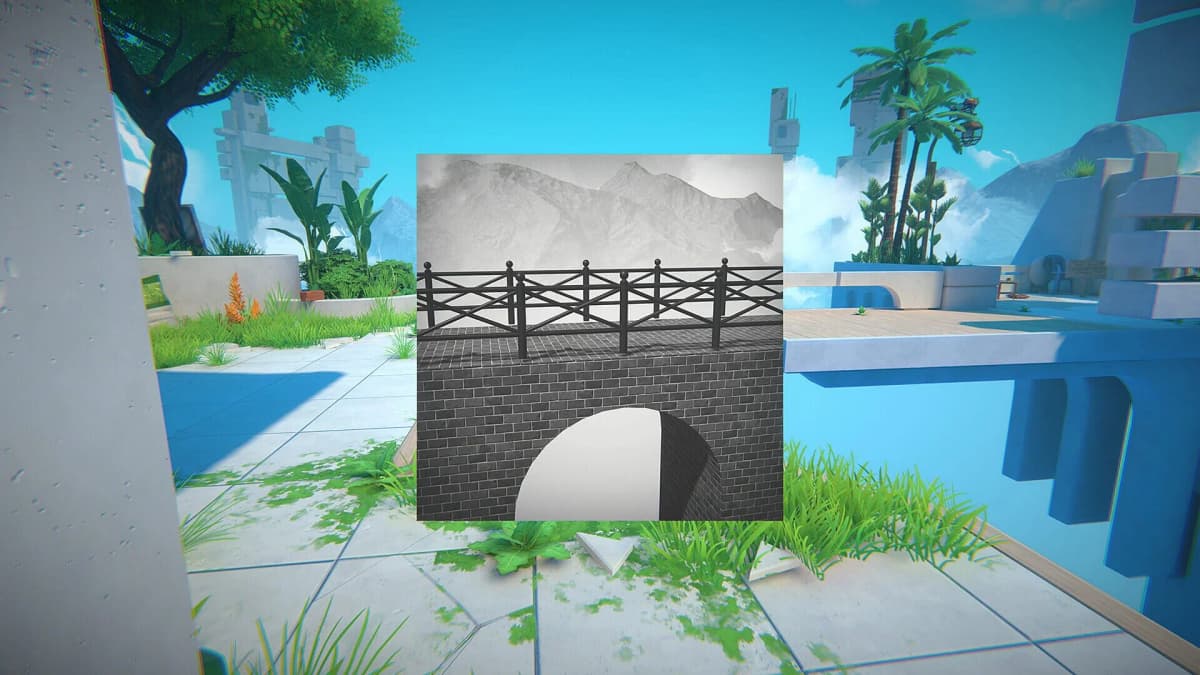
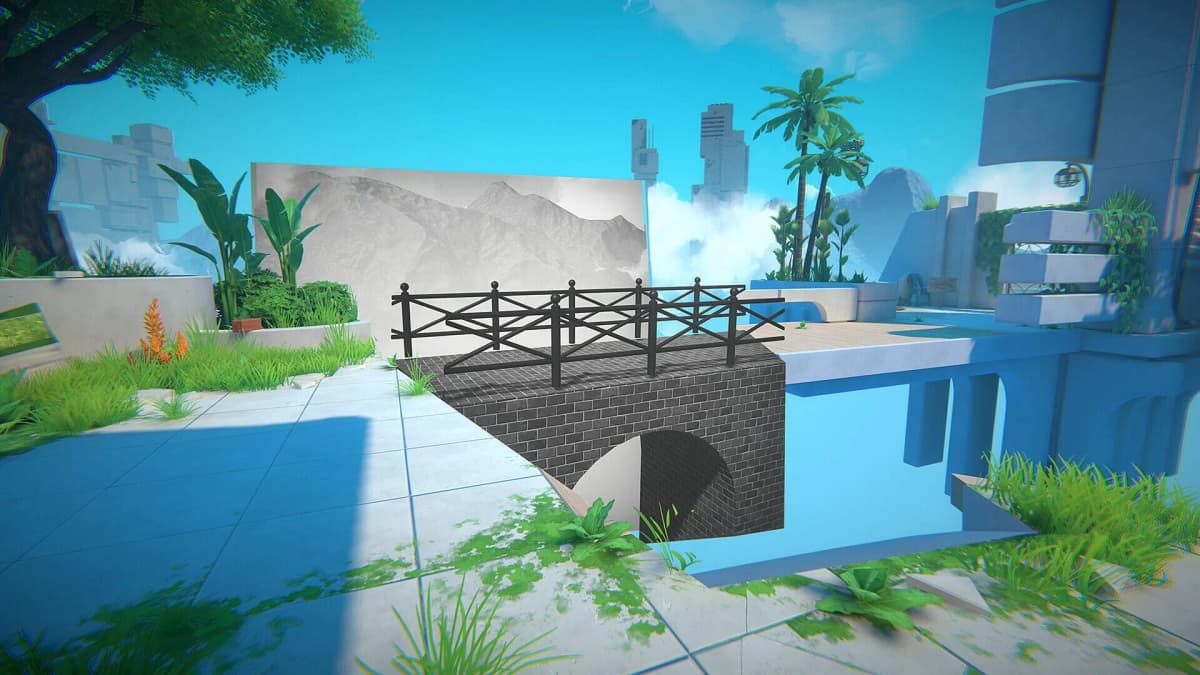
Developed by Sad Owl Studios and published by Thunderful, Viewfinder launched in 2023 and quickly carved out space alongside the greats of perception puzzling-think Portal’s lateral-thinking joy crossed with Gorogoa’s art-into-reality elegance. You use an instant camera and found artwork to literally rewrite the environment: place a snapshot of a bridge and it becomes a bridge; set down a sketch of a doorway and step through it. It’s playful, surprising, and often deviously layered.
The Switch version lands December 3. No pricing was shared in the announcement, but the important bit is content parity. On other platforms, Viewfinder pairs brainy puzzles with a reflective narrative about change and loss—lightly delivered via exploration rather than exposition dumps—and that tone is part of why it stuck with me. The game’s already earned BAFTA recognition and other nods, which isn’t just trophy-chasing; it signals this isn’t a one-note gimmick.
Can Switch Handle The Illusion?
This is the big one. Viewfinder’s trick works by projecting 2D images into 3D space, remapping geometry on the fly. It isn’t a typical shader upscale; it’s perspective math that demands clean edges and stable performance so your brain accepts the magic. On PC and PS5, that felt seamless. On Switch, I’m expecting a 30fps target with pared-back resolution and anti-aliasing, especially in handheld where 720p is common. That’s not a dealbreaker for a puzzle game, but it matters because many solutions hinge on precise alignment—lining up a photo so a platform “clicks” into place can get frustrating if the image shimmers or the edges crawl.
There’s precedent for smart ports of perception-heavy puzzlers on Switch. Superliminal runs acceptably, and the Portal Collection proves older hardware can still sell an illusion with tight optimization. If Sad Owl keeps loading times short and resets snappy, the magic holds. What I’m watching for: camera sensitivity options, a strong grid snap or alignment aid, and if they add gyro aiming to reduce stick wobble when you’re nudging a photo into position. Touchscreen support for placing images would be a chef’s kiss for handheld play—great if it’s in, not a dealbreaker if it’s not.
Why Portable Viewfinder Could Be Special
Viewfinder’s best moments are the “ohhh”s that arrive five minutes after you put the controller down. That’s perfect for Switch’s pick-up-and-pause rhythm. The levels are bite-sized, the experiments are low-friction, and you’re encouraged to try weird ideas without penalty. Commuter-friendly design isn’t a bullet point on a store page, but it’s a real quality-of-life win: suspend mid-puzzle, come back after your shift, and suddenly that rotated postcard becomes a staircase to the exit.
The narrative—soft-spoken reflections on change, loss, and what we leave behind—benefits from this pacing too. You’re not blasted with cutscenes; you discover notes, recordings, and spaces that say as much by how they’re built as by what they say. It’s an easy recommendation for players who enjoyed the quiet contemplation of The Witness or the layered storytelling of Return of the Obra Dinn, even though the mechanics are different. It respects your curiosity.
Want to Level Up Your Gaming?
Get access to exclusive strategies, hidden tips, and pro-level insights that we don't share publicly.
Ultimate Gaming Strategy Guide + Weekly Pro Tips
Value Check: What Players Should Look For
Expect roughly 6-10 hours for a first run depending on how quickly you click with the perspective shifts, plus optional challenges for the stubbornly determined. The big asks ahead of launch: confirm performance targets, confirm control options (gyro and robust sensitivity sliders would be ideal), and confirm content parity with patches and QoL updates from other platforms. If the Switch version ships with the full suite of improvements that have rolled out over the last year, that’s the version I’d want on a holiday trip.
Price will steer the recommendation for double-dippers. If you’ve beaten it elsewhere, Switch is about convenience. If you’ve waited, this is a great entry point—as long as the port preserves the clarity that makes its illusions sing.
The Gamer’s Perspective
This caught my attention because Viewfinder is one of the few modern puzzlers that made me feel like I was learning a new language while I played. It rewards playfulness, not perfection. That’s catnip on a handheld. I’m excited, with caveats: if the visuals get too soft or the controls too twitchy, some late-game setups could tip from “clever” to “fiddly.” But if Sad Owl threads the needle—as many boutique teams have on Switch—this could be the definitive “show a non-gamer why games are cool” cartridge of the season.
TL;DR
Viewfinder hits Switch on December 3, bringing its BAFTA-recognized, reality-warping puzzles to the perfect portable home. If the port nails clarity, snappy resets, and smart control options, this becomes an easy buy; if not, it’s still a thoughtful, memorable puzzler best enjoyed with patience—and a steady hand.