
Buying a high‑end gaming laptop right now means choosing between raw performance and a screen that actually looks worth the price. That tradeoff is about to disappear – Dell told CES 2026 it will ship Alienware 16 Area‑51 and 16X Aurora configurations with anti‑glare OLED panels in Q1 2026. If display quality is the reason you hesitated on Alienware before, wait three months.
- Short version: OLED has gone mainstream across PC gaming hardware; Alienware finally follows suit – but the devil is in pricing and the anti‑glare treatment.
- Why it matters: Alienware’s best laptops were undercut by dim IPS panels while competitors shipped OLED – that gap is the main reason to hold off.
- If you need a laptop now: Buy an OLED competitor (Lenovo, Razer, HP, or Acer’s discounted Helios Neo) rather than a current‑gen Alienware.
Table of Contents (6)
OLED stopped being optional in 2025 — the market proved it
You don’t need industry theory to see the point: 2025 was the year manufacturers stopped treating OLED as a flagship quirk and started shipping it across price tiers. IGN’s recent coverage shows that both desktop and laptop OLED hardware are not only available but discounted — LG’s 45″ UltraGear OLED monitor and Acer’s Predator Helios Neo 16 with a 2.5K 240Hz OLED popped up as strong deals. Those stories aren’t about hype; they’re about products you can actually buy that prove OLED’s technical benefits (true blacks, near‑instant response, high color volume) are now part of the mainstream buying calculus.
What Dell changing the panel on Area‑51 and 16X actually fixes
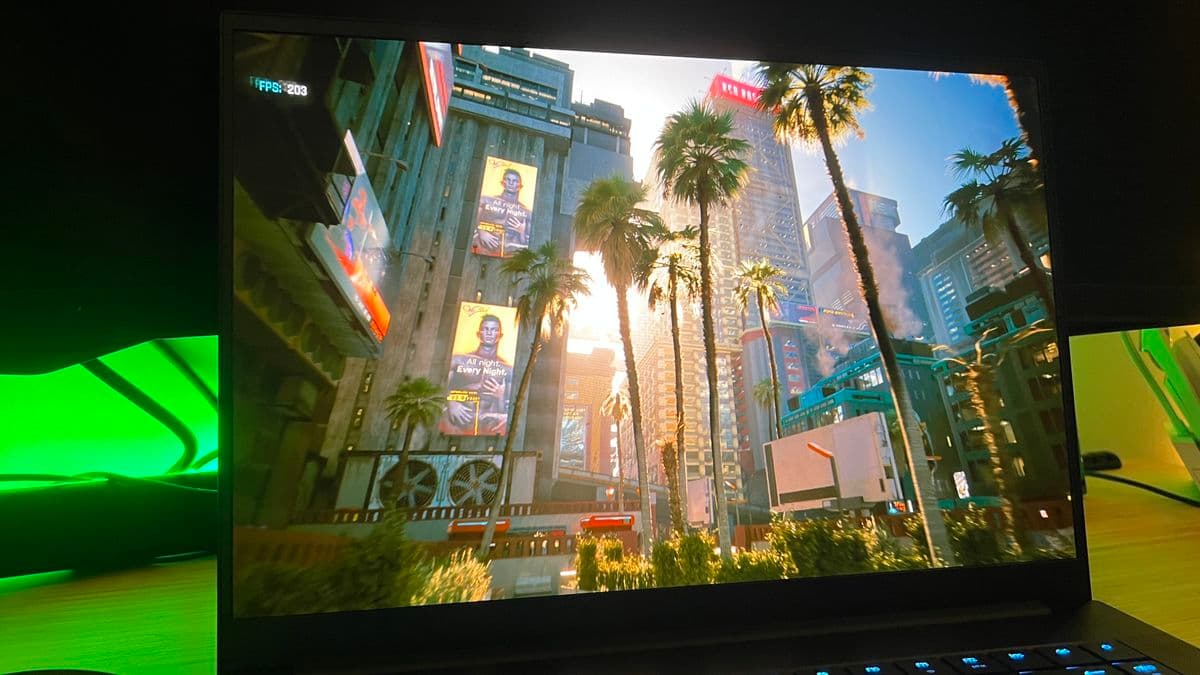
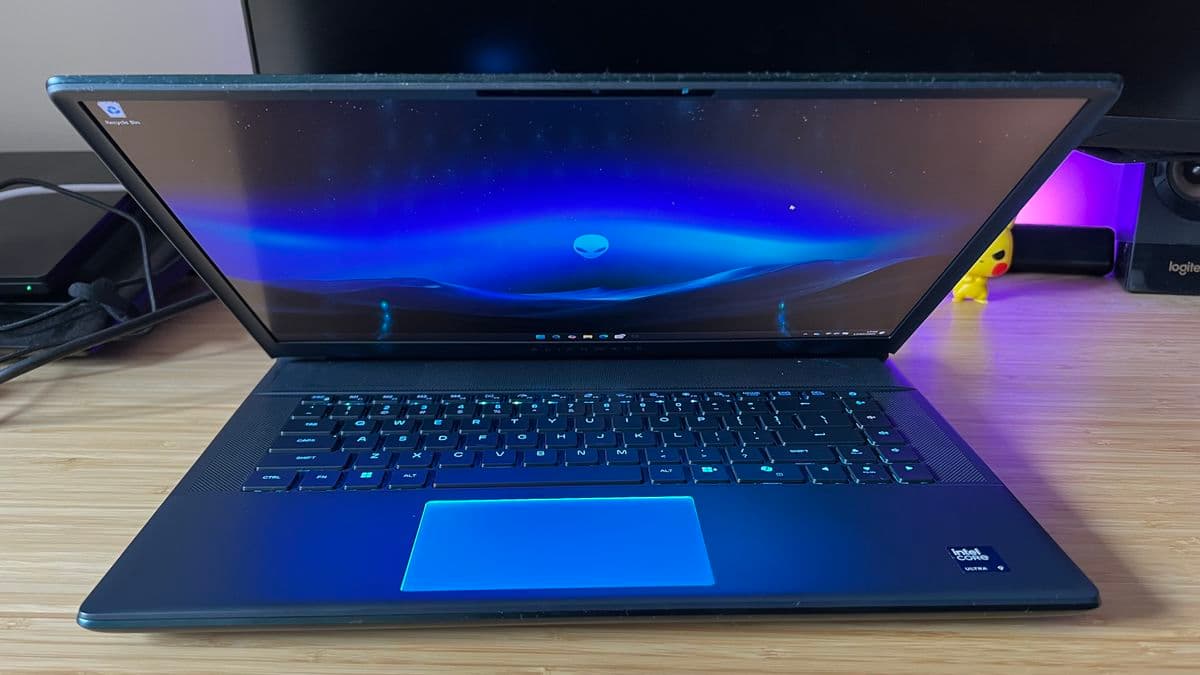
Alienware has long traded on thermal headroom and desktop‑class components in a portable chassis. That worked — until you spent $2,000-$3,000 and discovered a dim, low‑contrast IPS screen while rivals shipped OLEDs. The new CES 2026 configurations promise to fix the single biggest complaint: display quality. If Dell delivers an OLED that matches the contrast, color gamut and HDR feel of what competitors have been shipping, Alienware goes from a performance‑first compromise to a full package.
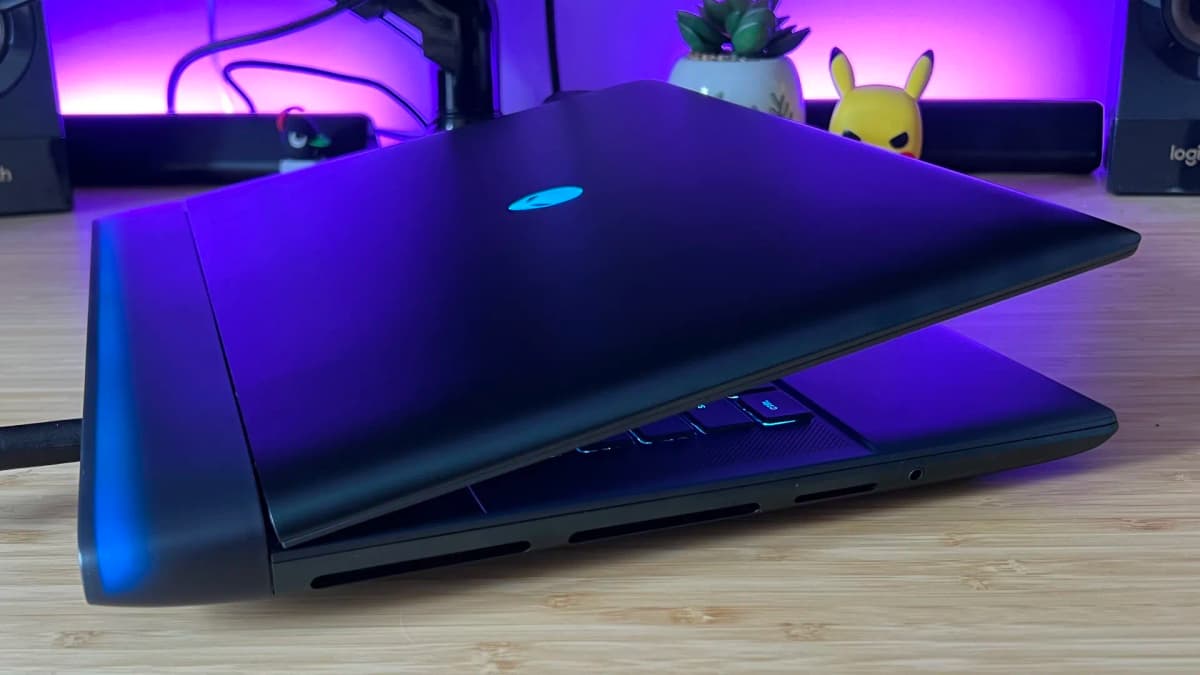
But this is where the PR gloss deserves some skepticism. Dell says “anti‑glare OLED.” Anti‑glare (matte) coatings can tame reflections but also reduce perceived contrast and punch — the very reasons people want OLED. The right balance matters. I want to see measured brightness, HDR certifications (HDR 500/True Black or better), and a burn‑in warranty before calling this a complete win.
The uncomfortable observation Dell hoped you wouldn’t make
For a while, Alienware charged premium prices while lagging in the single most visible part of the product. That’s an awkward position for a brand that trades largely on perceived engineering superiority. Dell’s CES timeline suggests it knows that and is fixing it — but it also means current Alienware models are potentially poor value if you care about the screen.
If you can’t wait: practical alternatives
If you need a laptop this week, go buy the display you want, not the badge you want. Lenovo’s OLED Legion line, the Razer Blade 16 OLED configs, HP’s OLED Omen/OMEN Max variants, and even Acer’s discounted Predator Helios Neo (IGN noted a $1,550 deal on a 2.5K 240Hz OLED model) are better bets for image quality right now. They already ship the panels Dell is only promising, and some come with HDR/True Black certifications and modern I/O.
What to watch next (and what’ll prove Dell didn’t half‑measure this)
- Official pricing for the OLED Area‑51 and 16X Aurora (if Dell charges a big premium, the waiting advice changes).
- Third‑party reviews measuring peak brightness, color volume, HDR certification, and any burn‑in coverage.
- Whether the anti‑glare coating noticeably reduces contrast in real games and HDR content.
- Availability in your region and exact Q1 ship dates — CES windows are often optimistic.
If Dell nails the implementation and prices sensibly, Alienware stops being the performance pick with a screen compromise. If the anti‑glare treatment dulls the panel or Dell asks a steep premium, the smart play remains to buy an OLED from a competitor or snag one of the current discounts (hello, Helios Neo and LG UltraGear deals) while they last.
TL;DR
Dell’s Q1 2026 promise of anti‑glare OLED in the Alienware 16 Area‑51 and 16X Aurora removes the single biggest drawback of recent Alienware laptops. If display quality matters, wait for the new configs — or buy a current OLED from Lenovo, Razer, HP, or the discounted Acer offerings. The thing to watch: price and measured panel performance once reviews arrive.
FinalBoss // Gear
Level up your setup
01Top-rated gaming headsetson Amazon→02High-refresh gaming monitorson Amazon→03Gaming chairson Amazon→04Discounted game keyson Kinguin→Affiliate links · As an Amazon Associate, FinalBoss earns from qualifying purchases.
Want to Level Up Your Gaming?
Get access to exclusive strategies, hidden tips, and pro-level insights that we don't share publicly.
Ultimate Gaming Strategy Guide + Weekly Pro Tips