
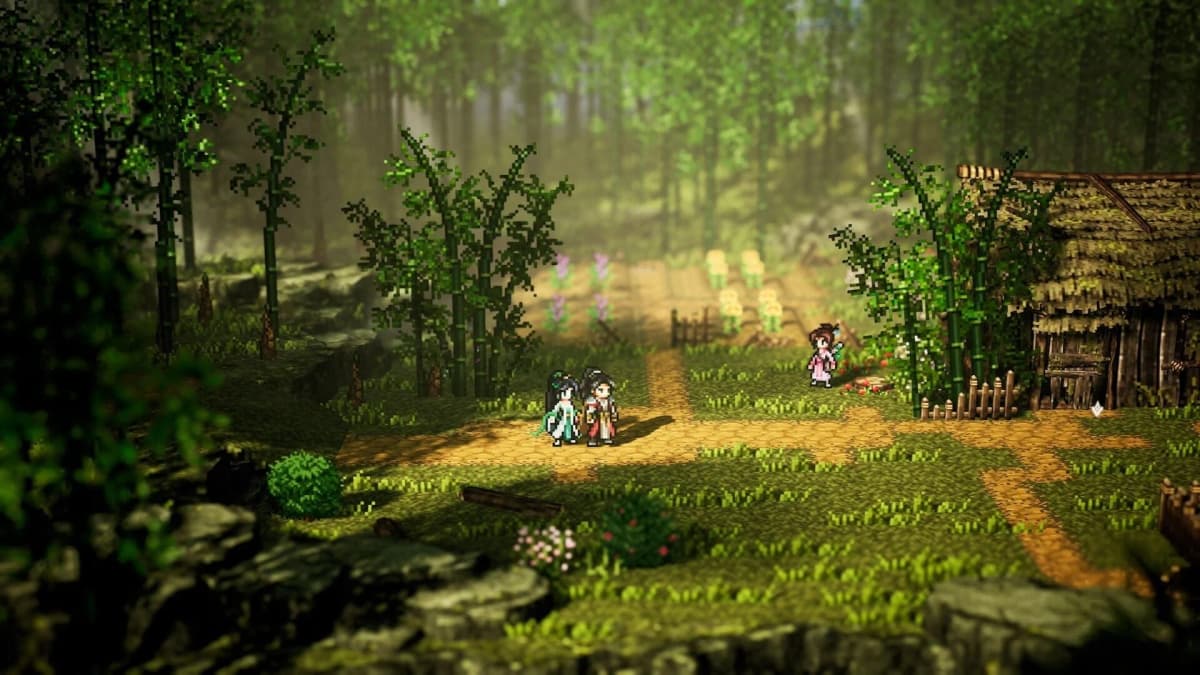
Clouded Leopard Entertainment has decided that console players needed an eight-month masterclass in patience. The PS5 version of Wandering Sword, the open-world wuxia RPG from The Swordman Studio that PC players have explored since September 15, 2023, was supposed to arrive on May 28, 2026. It is now scheduled for January 21, 2027. The reason is not a broken combat system, missing localization, or a last-minute rewrite of the ending. The delay exists because the publisher needed its physical release schedule and multi-platform optics to line up neatly across PS5, Xbox Series X|S, Nintendo Switch, and Nintendo Switch 2. If you had cleared your spring calendar for one of the better Eastern RPGs to hit Steam in years, congratulations: you are now waiting for a logistics spreadsheet to resolve itself.
Table of Contents (4)
A Good Game Does Not Deserve This Release Strategy
Let us get the fairness out of the way first. Wandering Sword is legitimately worth your time. The Swordman Studio built a sprawling martial-arts sandbox that lets you swap between turn-based grid combat and a real-time action mode on the fly, chase multiple narrative endings, and navigate faction politics across a detailed world. It is the kind of mid-budget RPG that Steam audiences embraced for good reason: it respects your intelligence, offers meaningful build variety, and does not hold your hand. Console players absolutely deserve a crack at it.
Which is exactly why this delay feels like a gut punch. The game is not a work-in-progress. It has been commercially available for nearly three years. The PS5 port was close enough to finished that Clouded Leopard was willing to pin a May 2026 date to it, complete with marketing beats and retail coordination. Moving that target to January 2027 – eight months later – because of cardboard box logistics and a desire to launch every console version simultaneously is a publisher-first decision dressed up in the language of a “coordinated rollout.” You do not coordinate a rollout for a game that has been out since 2023; you release it when it is ready and let the audience find it.
There is a polite fiction in this industry that every delay is an act of devotion to quality. Sometimes that is true. When a studio finds a progression-breaking bug or a save-corruption issue that threatens the endgame, you thank them for the extra quarter. This is not one of those times. The moment a publisher admits the slip is tied to physical scheduling, they are confessing that the software was ready and the supply chain was not. Players are not benefiting from more polish; they are absorbing the cost of inventory management and SKU consolidation. It is the kind of move that treats your audience like captive inventory rather than paying customers.
The “Deluxe” Edition Is Mostly a PC Complete Collection
When Wandering Sword finally hits shelves on January 21, 2027, the console versions will bundle two major DLC packs that PC players bought separately at launch: Mount Pack: The Supreme Steed and Immortal Trails Across the Blue Sea. The builds also include additional localization content that was not in the original 2023 release. The PS5 will get a Deluxe edition wrapping all of this together, and the Switch and Switch 2 versions are expected to carry the same bundled content.
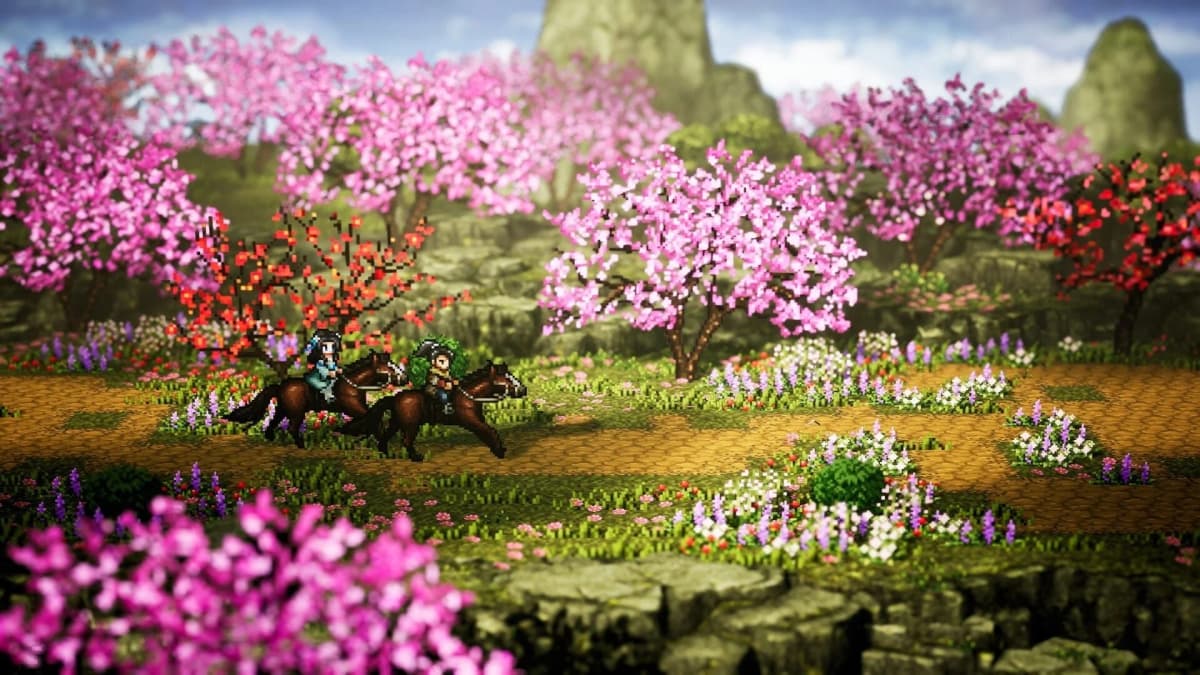
Let us call this what it is: a complete edition. For PC players who purchased the base game at launch and then added the DLC separately, this is not new value. It is the same content they have owned for years, now repackaged for a new audience with a premium-sounding label slapped on the box. There is nothing inherently wrong with a complete edition – the practice is standard, even welcome — but framing it as a deluxe console perk ignores the fundamental timeline. Console players are not being rewarded with bonus content; they are being sold a three-year-old game with its post-launch support included, which is the absolute baseline a 2027 port should offer.
The real calculus is financial, and it is where Clouded Leopard’s strategy gets slippery. On PC, you can currently pick up the base game during a routine Steam sale and add both DLCs for a fraction of what a new physical console SKU will likely command. If Clouded Leopard prices the PS5 Deluxe edition at $39.99 or below, it is a reasonable entry point that acknowledges the game’s age. If it hits standard new-release pricing — or worse, asks for a premium because of the bundled packs — then the “value” evaporates and the complete edition becomes a way to inflate the price of old content. Publishers count on platform loyalists not cross-shopping Steam. Do not make that mistake.
Four Platforms, One Unnecessary Street Date
The January 21, 2027 date is now shared across PS5, Xbox Series X|S, Switch, and Switch 2. That is an aggressive spread for a title that has been out since 2023, and the inclusion of Switch 2 is particularly revealing. Clouded Leopard is clearly angling to position Wandering Sword as an early-window third-party offering on Nintendo’s new hardware, hoping to catch the cross-generation buzz while Switch 2 adoption is still fresh and the eShop is not yet overcrowded with competing RPGs.
But here is the uncomfortable observation: a synchronized global launch makes sense for a day-one blockbuster or a new IP trying to maximize cultural momentum across every possible screen. For a ported RPG that has already built its reputation, found its audience, and aged into Steam discount territory, it is theatrical overkill. The game does not need a unified street date. It needs a stable framerate, readable text in its localization, and a price that reflects its 2023 origin. By holding the PS5 version hostage until the Xbox and Switch SKUs are ready — and until the physical cases are printed in the right quantities for every territory — Clouded Leopard is manufacturing an event out of what should have been a staggered, sensible rollout.
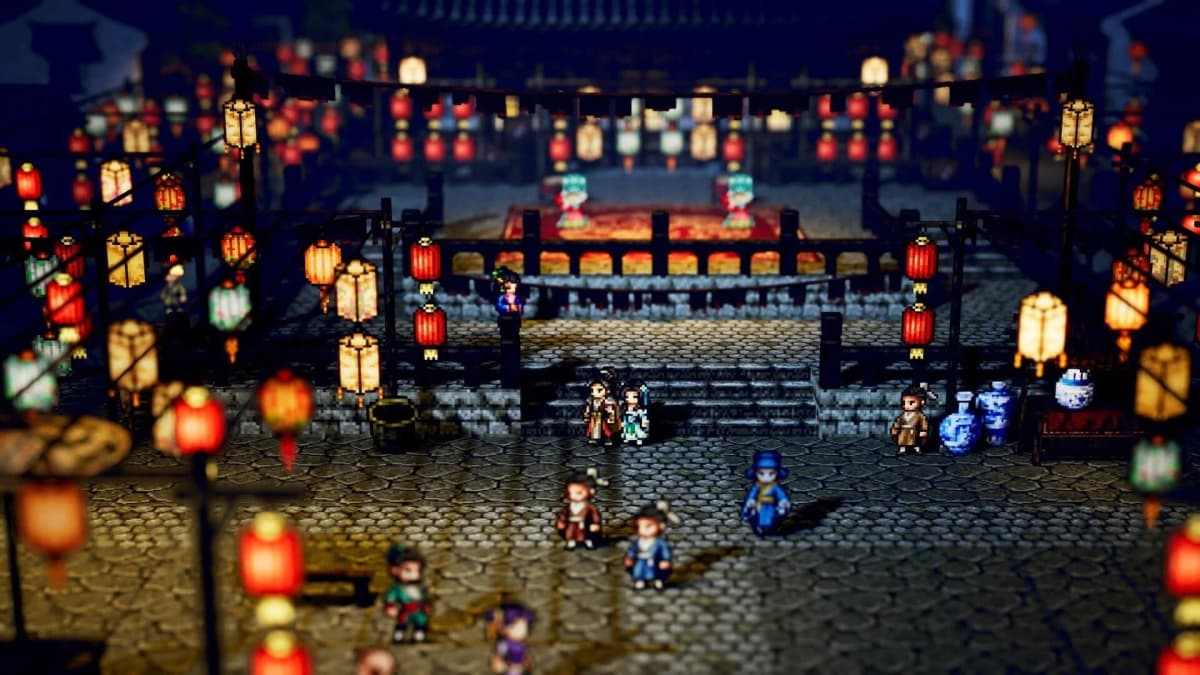
There is also the Switch 2 variable. Nintendo’s new hardware will still be finding its legs in early 2027, and third-party ports during that window have a spotty history of being either excellent showcases or rushed afterthoughts that get buried under first-party Nintendo releases. If the Switch 2 version of Wandering Sword is simply the Switch 1 build with a modest resolution bump and faster load times, the coordinated launch starts to look like box-checking for shareholder slides rather than a player-focused release strategy. You have to ask who actually benefits from this alignment. It is not the PS5 player who was ready to buy in May. It is not the Xbox player who was already eyeing the game. It is the publisher’s bottom line, plain and simple.
What to Watch Before You Spend a Dollar
If the core design of Wandering Sword has you intrigued — and it should, because underneath this mess of a marketing plan is a genuinely engaging RPG with real combat depth — there are four specific signals to monitor before January 2027 arrives.
- Deluxe edition pricing. The PS5 Deluxe edition needs to land at $39.99 or less to be competitive with the PC complete experience. Anything higher is asking console players to pay a “delayed port tax” for the privilege of waiting eight extra months.
- Switch 2 technical upgrades. Watch whether the Switch 2 build gets meaningful enhancements — higher resolution in handheld, stable performance in real-time combat, faster asset loading — or if it is a straight port of the Switch 1 version. If there is no substantial upgrade, the dual-platform launch looks even more like a checklist exercise designed to pad out a press release.
- Post-launch DLC roadmap. The console versions bundle the first two major DLCs, but The Swordman Studio has not signaled they are done building content. If a third expansion drops on PC before January 2027, console buyers could face a season-pass purchase immediately after buying the “complete” edition, effectively rendering the Deluxe bundle incomplete.
- Physical edition quality. Since the delay is explicitly tied to physical scheduling, the boxed product needs to justify the wait. A flimsy case with a download code and no extras does not scream “logistics-justified delay.” If they are making you wait for cardboard, the cardboard had better be worth it.
FinalBoss // Gear
Level up your setup
01Best-selling PS5 gameson Amazon→02DualSense controllerson Amazon→03PS5 SSD upgrades (M.2 NVMe)on Amazon→04Discounted game keyson Kinguin→
Affiliate links · As an Amazon Associate, FinalBoss earns from qualifying purchases.
Want to Level Up Your Gaming?
Get access to exclusive strategies, hidden tips, and pro-level insights that we don't share publicly.
Ultimate Gaming Strategy Guide + Weekly Pro Tips