
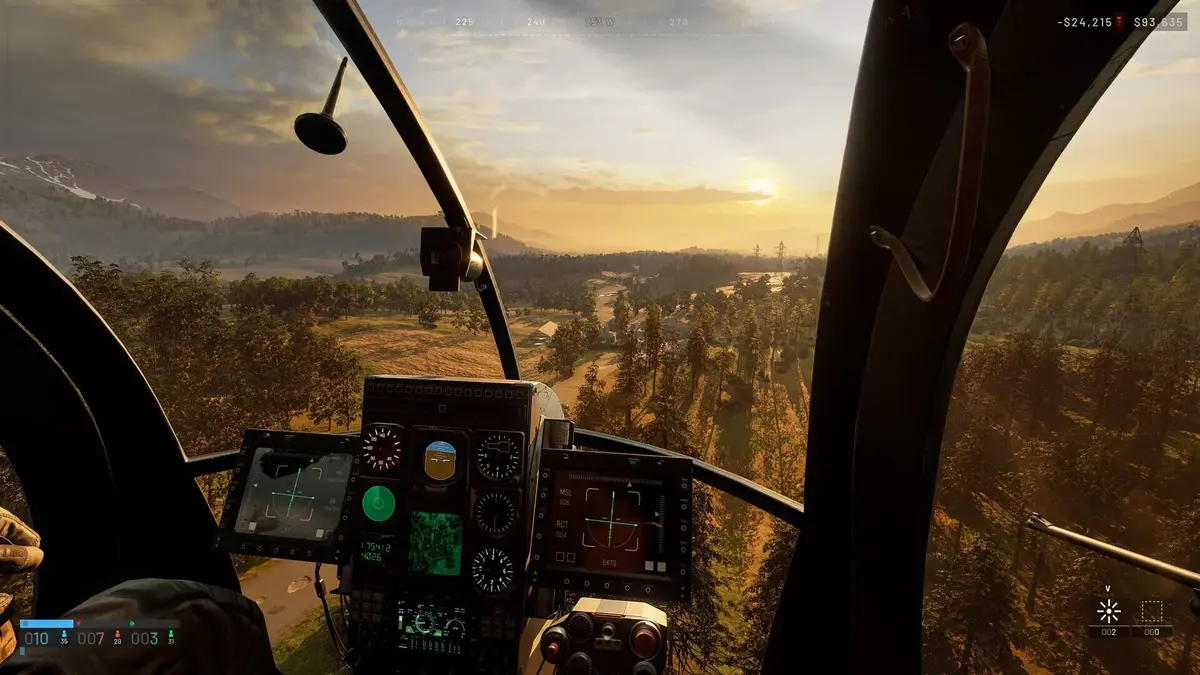
Calling Wardogs’ overtime harmless because it lasted four weeks is how studios train themselves to ignore the warning lights.
Joe Brammer has supplied useful context after the backlash around Bulkhead’s attitude to crunch. The Wardogs team had a four-day work week for part of development. The extra work followed a missed beta build in June 2026. Staff were asked to add two hours a day, Monday through Thursday, for four weeks: 16 working days, 32 additional hours. Four employees opted out and faced no punishment.
That is materially different from the ugliest crunch stories gaming has produced: months of mandatory late nights, shattered weekends, and exhausted staff expected to treat personal time as a company emergency fund. Brammer also gave a sensible technical explanation for the two-hour figure. It let the team produce one extra build per day, review it, send it through QA, and receive feedback before the next morning instead of waiting on the nightly-build cycle.
Fine. That is the strongest possible version of Bulkhead’s case. It deserves to be stated clearly because “crunch” is too often used as a catch-all word that erases meaningful differences in severity and duration.
It still does not get Brammer off the hook. His explanation clarifies the calendar. It does far less to address the culture that made saying no feel costly.
Table of Contents (5)
Optional overtime carries a giant asterisk
Brammer acknowledged that social pressure may have made staff who opted out feel “less than great.” That concession is the whole story. A manager can make overtime voluntary on paper and still create a workplace where declining it feels like abandoning the people trying to save a milestone.
Game development teams are built around interdependence. Artists wait on implementation. Designers wait on builds. QA waits on fixes. Engineers carry the technical burden when something collapses near a deadline. In that environment, an “optional” late shift lands very differently when the rest of the room is staying late to make the build happen.
That pressure becomes sharper when the chief executive has publicly said he expects people to crunch and has no faith in remote work as a way to make games. Add the stated policy of checking applicants’ public social-media posts and avoiding people who constantly post anti-crunch views because they may not suit Bulkhead, and the message stops being subtle.
Brammer has clarified that Bulkhead does not access private accounts or conduct covert checks. Public information is a different thing. The problem is not whether a company reads a public post. The problem is treating a worker’s hostility toward crunch as evidence that they are culturally incompatible with the studio.
That is a hiring litmus test built around compliance with an expectation the company insists is exceptional. Bulkhead cannot credibly sell “hard work” as a healthy value while signaling that people who object loudly to crunch may be unwelcome. Those two positions collide the second a deadline slips.
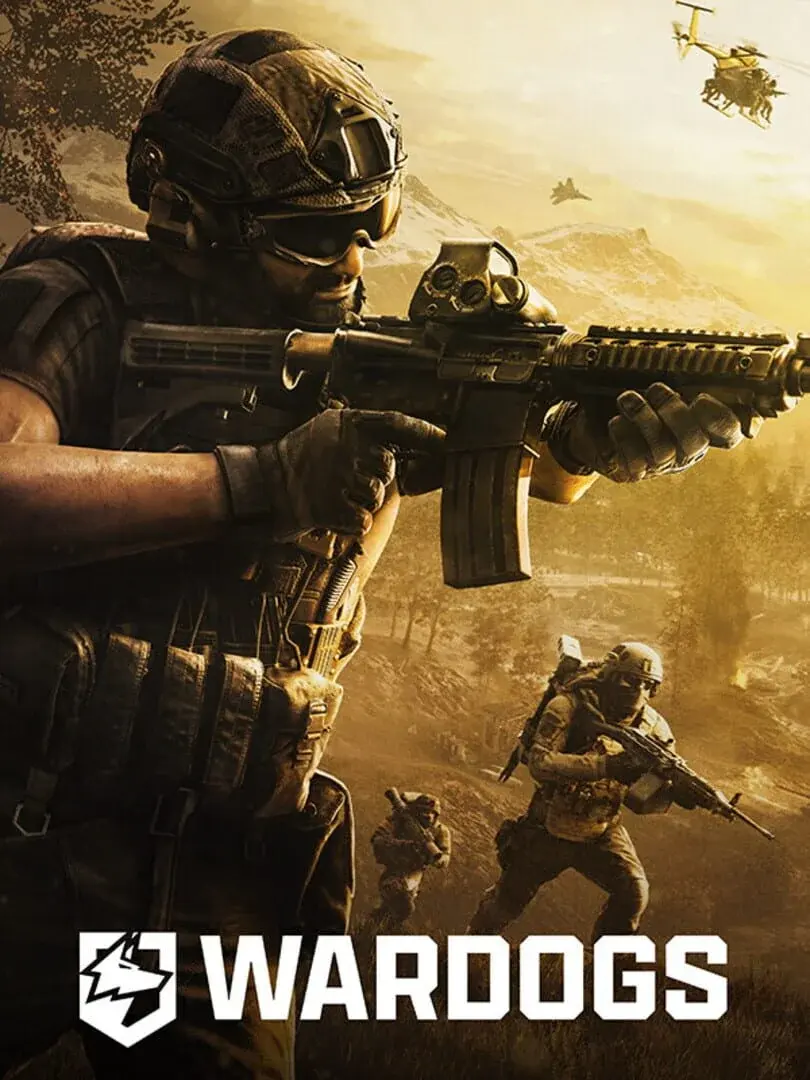
The forced holiday exposed the real strain
The crunch argument would be easier to compartmentalize if Wardogs had then settled into a stable post-launch rhythm. Instead, Bulkhead described itself as overwhelmed by the game’s response. Wardogs sold more than two million copies in its first weekend and exceeded three million sales in its first 18 days after entering early access on PC and Steam on 10 September.
Success is supposed to be the good problem. For Wardogs, it arrived with cheaters, constant DDoS attacks, security work, support demands, and a team already running hot enough that Bulkhead forced a good chunk of staff to take holiday to reset. The cruelly revealing detail is that many of those people still worked a fair bit while they were meant to be off.
That is not a reset. That is a studio attempting to lower the temperature while leaving the stove on.
“We were overwhelmed” explains why the June overtime happened. It explains why launch support became chaotic. It explains why leadership reached for forced time away. It cannot also serve as proof that the workload was being handled sustainably. Being overwhelmed is evidence of a capacity problem, not an exemption from having one.
- Wardogs missed a beta milestone and required a four-week catch-up push.
- Wardogs then launched into major demand, cheating, DDoS attacks, and security work.
- Bulkhead responded by making a large portion of staff take holiday, even though work continued for many of them.
That is a pattern. It does not describe permanent, year-round crunch, and pretending it does would be lazy. It describes a studio whose margins vanished the moment a successful live game became harder to operate than expected. For players, that distinction matters because a team can be acting in good faith and still be too stretched to deliver reliably.
Brammer’s better facts are being buried by his worse instincts
Bulkhead has some real worker-friendly facts in its favor. The studio ran a four-day work week for two years. It takes a full month off in December. Brammer says overtime should be paid. About half of the staff own roughly 80% of Bulkhead’s shares, giving a substantial portion of the team a direct stake in the company’s outcome.
Those are meaningful choices. They are also precisely why Brammer’s combative language is so frustrating. Bulkhead had a defensible explanation for the specific Wardogs overtime period: a missed beta target, a contained four-week schedule, a practical build-and-QA reason for the two-hour extension, and an opt-out that four staff members used.
Instead of leading with that, Brammer made the debate uglier by treating outspoken anti-crunch workers as suspect and by trying to separate “pro hard work” from “pro crunch” as though staff experience changes when leadership chooses a nicer label.
Labels are cheap. The lived standard is simple: can someone decline extra work without risking their standing, resenting the team, or becoming the person everyone remembers when a build fails? Bulkhead’s own admission about social pressure says that standard was not fully met.
The paternity-leave history makes the trust issue harder to dismiss. Brammer first offered 10 weeks, cut that to two weeks, then moved to a system offering three weeks that employees could use as paternity leave across the first year. Each policy can be discussed on its own terms. Together with the crunch comments and the hiring stance, they create a clear picture of leadership that talks constantly about commitment while asking workers to accept narrower boundaries around their time.
Wardogs players should expect a reactive roadmap
This argument matters beyond workplace discourse because a tired development team produces a different game. Security issues, cheating, DDoS mitigation, emergency support, and recovery time all compete with new modes, maps, balance work, quality-of-life fixes, and long-term content planning.
Wardogs players should read the immediate future accordingly. The team has already shown it can force a milestone through when it has to. That is useful in a crisis. It is a bad foundation for a live-service rhythm. Expect security and stability demands to dictate the cadence whenever attacks or cheating flare up, because those problems consume the same people and hours needed for planned updates.
Console versions are expected in 2028, when Bulkhead decides Wardogs is ready. That timeline makes sense if the studio is serious about avoiding another emergency cycle. It also means players should be wary of treating every ambitious promise as a date carved in stone. A team that has already needed a crunch push and a forced reset needs room to stabilize before expanding its obligations across more platforms.
The defense works only if Bulkhead changes the conditions behind it
Brammer’s account has changed the crunch story in one important way: Wardogs did not rely on an endless, secretive campaign of compulsory overtime. The disputed period was defined, limited, technically motivated, and compensated. That matters.
But “limited” is not the same as healthy, and “optional” is not the same as pressure-free. The post-launch forced holiday, the continuing work during that supposed break, the openly overwhelmed team, and the anti-crunch hiring rhetoric all point in the same direction: Bulkhead has a workload problem that language alone will not solve.
Wardogs has the kind of early success most multiplayer games would kill for. The real test is whether Bulkhead can turn that success into staffing, scope discipline, and protected recovery time before the next emergency becomes another lesson in what “hard work” is allowed to mean.
Can a studio call overtime optional when its culture makes opting out feel like standing apart from the team trying to keep Wardogs alive?
FinalBoss // Gear
Level up your setup
01Top-rated gaming headsetson Amazon→02High-refresh gaming monitorson Amazon→03Gaming chairson Amazon→04Discounted game keyson Kinguin→
Affiliate links · As an Amazon Associate, FinalBoss earns from qualifying purchases.
Want to Level Up Your Gaming?
Get access to exclusive strategies, hidden tips, and pro-level insights that we don't share publicly.
Ultimate Gaming Strategy Guide + Weekly Pro Tips