

A Humvee in WARDOGS does not need to be destroyed immediately to be removed from a fight. Put focused fire into one visible tire and its maximum speed drops by more than half; destroy a second tire and it is reduced to a crawl. The driver can still move, and the minigun can still fire, but the vehicle loses its ability to reposition, chase, or retreat cleanly.
Table of Contents (9)
The Tire Rule: One Wheel Slows It, Two Wheels Contain It
The Humvee’s body is a poor rifle target when the immediate objective is stopping a push. Its tires are separate, damageable mobility components. Under tested conditions, a 5.56 starter rifle needs eight rounds to pop one tire, giving standard infantry a cheap way to force a vehicle out of favorable terrain.
| Damage State | Immediate Effect | Best Use Case | What the Humvee Can Still Do |
|---|---|---|---|
| All tires intact | Normal speed and handling | Do not trade rifle fire into the body unless no tire is visible | Drive, turn, retreat, and use the minigun normally |
| One tire popped | Maximum speed falls by more than 50% | Deny a retreat, blunt a fast objective push, or force a repair stop | Continue driving slowly and keep the gunner active |
| Two tires popped | Humvee moves at a crawl and becomes hard to steer | Contain a trapped vehicle and set up engine or crew pressure | Fight from the gunner seat, attempt repairs, and move only with severe limits |
| Engine disabled or vehicle finished | Mobility is removed entirely | Convert the tire disable into a kill or forced abandonment | Depends on the surviving crew and remaining repair options |
The distinction matters because tire damage is temporary counterplay, not a vehicle kill. Do not keep firing an already-disabled wheel while the Humvee is stuck. Once it has lost the ability to escape, rifle rounds are more valuable on the engine, the exposed repairer, the gunner, or a second vehicle entering the area.
Use This Target Sequence Against a Humvee
The efficient order is tire first, engine second, then finish with whatever anti-vehicle damage and squad pressure is available. This sequence attacks the Humvee’s practical weakness: its crew needs mobility to choose favorable fights and to leave bad ones.
- Acquire a side or rear angle. Avoid opening from directly in front of a live minigun if a wheel is visible from cover. A tire is easier to track when the Humvee pauses, turns, climbs, or drives past an obstacle.
- Concentrate on one visible tire. Eight rounds from the free 5.56 starter rifle are sufficient to pop a tested Humvee tire. Do not split those shots over multiple wheels or the chassis.
- Assess the vehicle’s route after the first tire breaks. A Humvee with one destroyed tire has already lost more than half its top speed. If it turns away or cannot reach the objective, preserve ammunition and take a safer angle.
- Add a second popped tire if the crew keeps pushing. Two disabled tires reduce the Humvee to crawl speed. This is where it becomes much easier for a squad to maintain sightlines and block its exit.
- Move fire to the engine. The engine is the vehicle-disabling target. Tire damage creates the time and positioning needed to hit it without chasing a full-speed Humvee.
- Cover repair attempts. A damaged wheel can be restored. Watch the side of the vehicle where the crew must expose itself rather than assuming the vehicle is permanently crippled.
Why Tire Fire Is More Efficient Than Shooting the Chassis
Rifle ammunition is not an efficient way to brute-force a Humvee’s durable body. Tire shots instead produce an immediate tactical penalty with a small, known investment: eight 5.56 rounds for one wheel under the tested conditions. The base rifle is available from the vendor for free, leaving ammunition as the direct cost of this counterplay.
A single disabled tire can be enough because the driver now has an unfavorable decision. Continuing toward the fight means operating at less than half normal maximum speed. Retreating exposes the Humvee to longer sightlines. Stopping to repair creates an opening for infantry to pressure the crew. The second tire is best reserved for cases where the vehicle remains committed, has cover close by, or must be held in place for an engine attack.
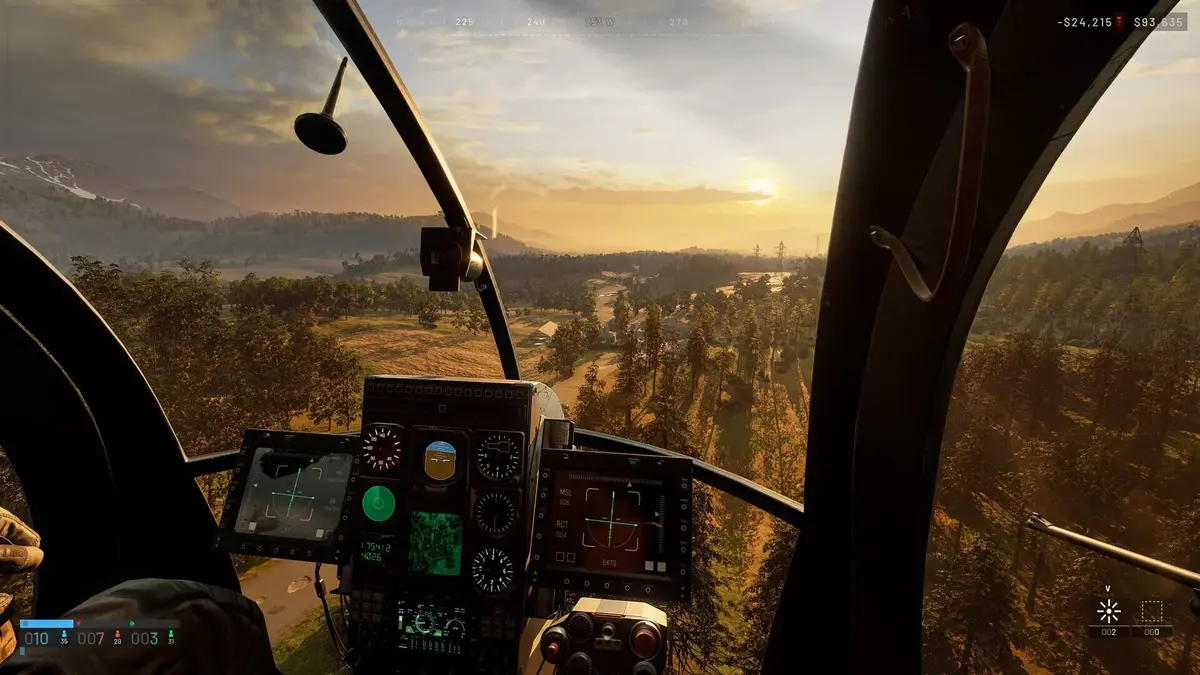
Do Not Treat a Blown Tire as a Gunner Disable
The main trap is assuming mobility damage makes the Humvee harmless. It does not interrupt the minigun, remove the gunner, or destroy the vehicle. A disabled Humvee can still dominate an open lane if infantry stand in its firing arc trying to finish a wheel.
- Use hard cover before committing to the tire shot.
- Change angles after popping a wheel instead of continuing to expose the same position.
- Assign one player to watch the gunner while another shoots the tire or engine.
- Pressure the repair side rather than standing in front of the vehicle.
- Do not chase a crawling Humvee through open ground; force it to turn, collide with terrain, or attempt a repair under cover.
Damaged tires also make steering substantially worse. Trees, rocks, structures, and narrow approaches become more useful because the driver has less control over turns. This is particularly valuable near a defended objective: a Humvee that cannot cleanly swing around cover is easier to flank and easier to isolate from supporting infantry.
How to Split Fire in a Squad
Squad fire works best when each player has a separate job. Multiple players spraying the chassis creates noise without guaranteeing a mobility penalty. Call the first tire, confirm it is popped, then decide whether the vehicle needs a second disabled tire or an immediate engine focus.
| Role | Primary Target | Priority | Reason |
|---|---|---|---|
| Mobility shooter | One visible tire, then a second if needed | Start the disable | Reduces escape speed and makes the vehicle easier to track |
| Repair watcher | Side of the Humvee where a crew member exits | After the first tire breaks | Prevents a quick repair from restoring mobility |
| Finisher | Engine or available anti-vehicle target | After the Humvee is slow or trapped | Converts the temporary tire window into a full disable or kill |
| Gunner pressure | Minigun operator and firing angles | Throughout the engagement | Limits the vehicle’s ability to punish the tire shooters |
Two shooters can pop separate tires when containment matters more than ammunition conservation. That approach is strongest against a Humvee attempting to force an objective, crossing a narrow road, or sitting in an area where it has no clean cover. Against a vehicle already leaving the fight, one popped tire normally provides enough value; preserve the second player’s shots for the crew or engine.
Repairs Are the Counter to Tire Fire
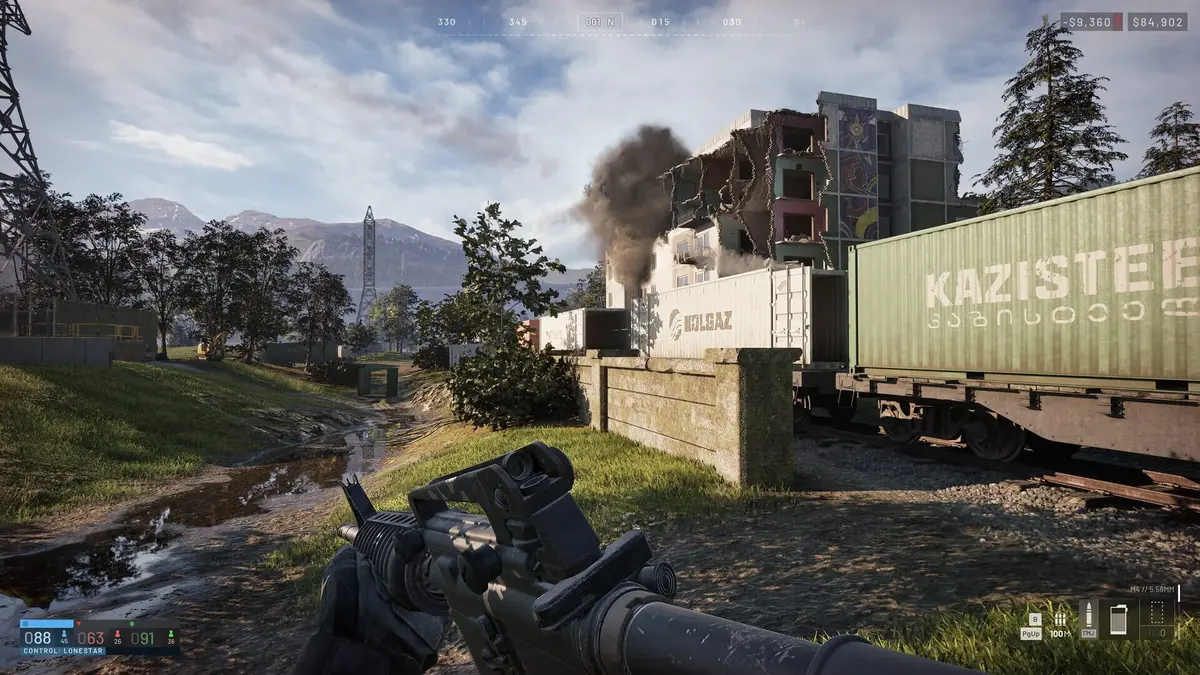
Humvee components are repaired separately. The hull, engine, fuel tank, and each tire have their own repair points, so a crew can restore a blown tire rather than abandoning the vehicle. The relevant repair items are the Repair Tool, Light Drill, and Heavy Drill.
| Repair Item | Price | Requirement | Practical Meaning for Tire Counterplay |
|---|---|---|---|
| Repair Tool | $150 | No listed unlock requirement | Even early crews may be able to repair tire damage, so maintain pressure after the first disable |
| Light Drill | $600 | Support level 1; $10,000 progression cost | Support players can bring stronger repair options early in progression |
| Heavy Drill | $1,300 | Support level 28; $25,000 progression cost | Higher-level Support crews have a more expensive repair option available |
Repair tools use batteries, so a prepared vehicle crew may carry a spare. Exact repair time, battery capacity, and the difference in repair speed between components are not published. The practical answer is to treat the repair window as an exposed moment, not a fixed countdown. Keep a sightline on the vehicle’s side, deny the repairer space, and force the crew to choose between fixing the tire and surviving incoming fire.
Frag Grenades Can Help, but Do Not Build the Plan Around Them
Frag grenades can damage Humvee tires while dealing relatively low chassis damage. They are useful when a vehicle parks beside cover, when a wheel is concealed from rifle fire, or when a squad needs to add pressure before switching to engine damage. Their exact tire-damage threshold, blast radius requirement, and grenade count are not established, so rifle fire remains the reliable method for planned tire disables.
What the Current Humvee Context Changes
The Humvee with Minigun sits in the Driver progression track. Its Season 1 unlock moved from Driver level 35 to level 30 on September 10, 2026, making the vehicle more relevant in ordinary matches as more drivers reach it. The listed vehicle price is $150,000, although the exact purchase-currency convention is not established in the available material.
Vehicle turrets also have a maximum operator rotation speed. The cap has no published value, but the limitation supports the same counterplay: do not remain in the gunner’s preferred frontal lane. A slowed Humvee forced to turn around cover has a harder time keeping its weapon aligned with several infantry angles at once.
Limits of the Tire-First Method
- The confirmed eight-round figure applies to a tested 5.56 starter rifle and one tire. Other weapons, ranges, and hit locations do not have a verified shot-count table.
- There is no published evidence that front tires and rear tires have different health values or different handling penalties.
- No exact speed values are available for an undamaged Humvee, a one-tire Humvee, or a two-tire Humvee. The confirmed effects are more than half maximum speed lost after one tire and crawl speed after two.
- Tire fire reduces mobility and steering; it does not automatically stop the engine, destroy the vehicle, or remove occupants.
- A repaired tire restores the lost mobility component, so a team that stops at tire damage can lose its advantage.
Use the first tire to take away speed, the second to deny movement when the situation demands it, and the engine or exposed crew to end the engagement. That preserves ammunition and turns a dangerous mobile minigun platform into a slow target with limited choices.
FinalBoss // Gear
Level up your setup
01Top-rated gaming headsetson Amazon→02High-refresh gaming monitorson Amazon→03Gaming chairson Amazon→04Discounted game keyson Kinguin→Affiliate links · As an Amazon Associate, FinalBoss earns from qualifying purchases.
Want to Level Up Your Gaming?
Get access to exclusive strategies, hidden tips, and pro-level insights that we don't share publicly.
Ultimate Guide Strategy Guide + Weekly Pro Tips