
Table of Contents (7)
The Two Timelines That Don’t Sync
I woke up to two timelines that felt like they were from different dimensions. In one, Destiny 2 was being eulogized by Bungie itself-still breathing, still full of players, but officially cut off from the major content pipeline that had defined its last decade. In the other, Warframe fans were treating it like a recruiting bonanza. “Come to the real looter-shooter,” they typed, circling a carcass that wasn’t even cold yet, as if another studio’s funeral was a marketing opportunity. But then I read what the actual people building Warframe had to say. Megan Everett, Digital Extremes’ community director, didn’t issue a victory statement. She called the news “earth-shattering” and “heartbreaking.” Rebecca Ford and the creative leads openly grieved. And I sat there with my coffee wondering: are we watching a competitive triumph, or a structural collapse? Because right now, it can’t be both. Except it is. And that contradiction is exactly what’s going to define live-service sustainability for the next year.
Why Your “Enemy” Keeps You Honest
For ten years, Destiny 2 and Warframe occupied this strange, uncomfortable symbiosis. They weren’t direct competitors in the way Call of Duty competes with Battlefield. Destiny is a gun-feel religion where a hand cannon headshot crack can ruin you for every other shooter. Warframe is a systems-hoarding nightmare where you’re calculating critical chance spreadsheets at 2 AM while bullet-jumping across a Sentient battleship. But they absolutely competed for the same clock. The same Tuesday-night ritual. The same “what am I grinding this season?” mental real estate.
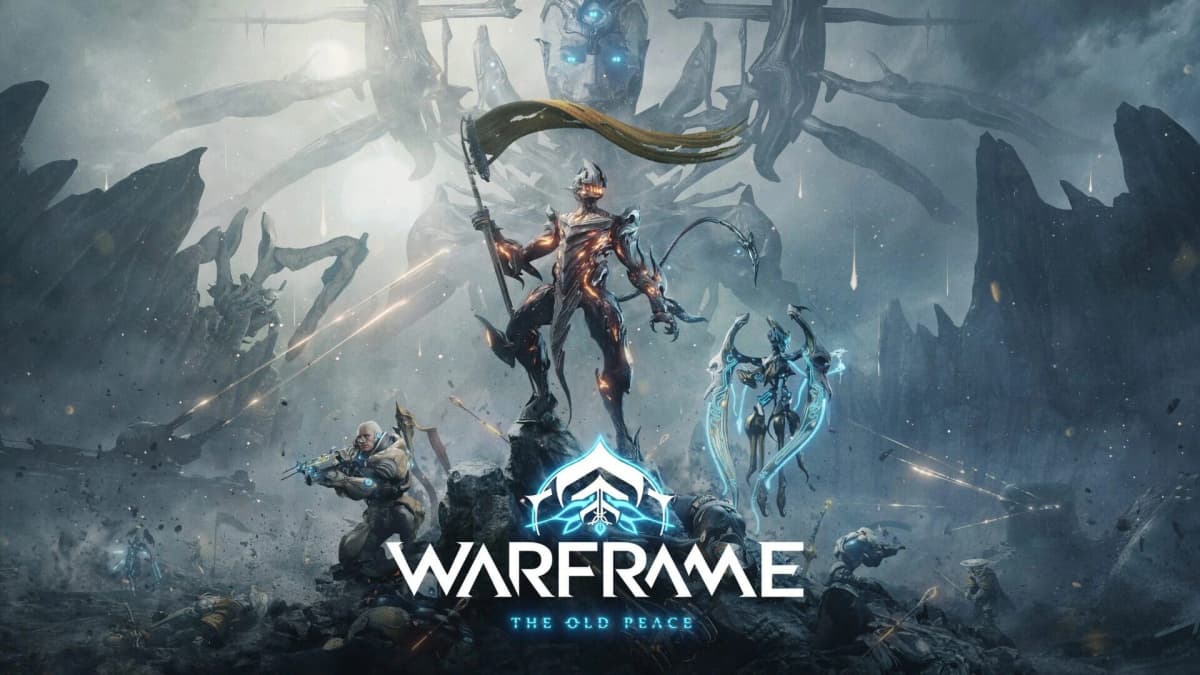
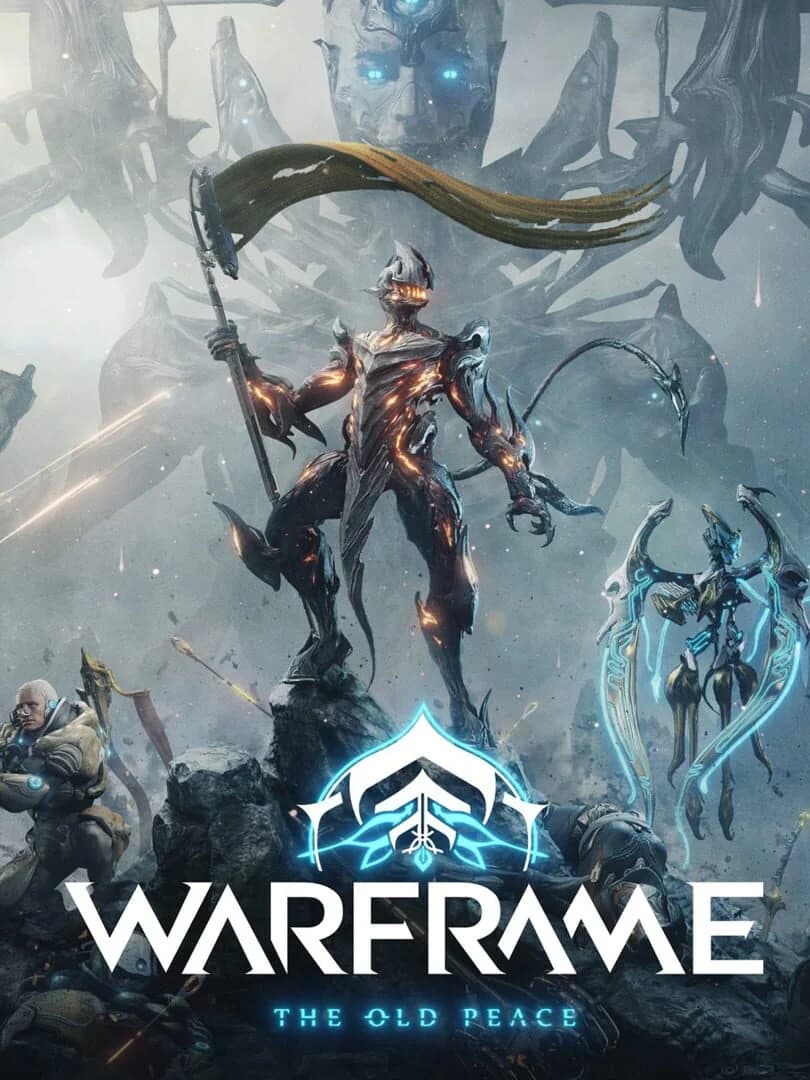
Warframe’s leadership gets something that Twitter warrior-psychologists keep missing: when Destiny 2 was healthy, it kept the entire live-service ecosystem honest. Burnout is mathematical. No one can stay monogamous with a single loot treadmill forever. Players need to rotate. They need to compare value. They need to see Bungie lock cosmetics behind aggressive silver packs and realize that Warframe’s Prime Access or a Styanax Prime farm isn’t that abusive. They need to see Destiny’s seasonal model go lean and remember that Digital Extremes just dropped Jade Shadows Constellations with actual questlines, or that The Old Peace and As Orion represent a cadence that doesn’t treat its audience like an ATM. Competition isn’t rivalry. It’s calibration. Without Destiny 2 sitting there as a forcing function, what pressure exists to keep the monetization team in check? What benchmark proves that your free-to-play model actually outvalues a sixty-dollar seasonal entry fee? A monoculture doesn’t breed excellence. It breeds complacency gated behind executive-mandated engagement metrics.
This Wasn’t a Sunset, It Was a Spreadsheet Execution
But let’s strip the sentimentality away. Everett and Ford aren’t just being nice. They’re terrified, and they have every right to be. Destiny 2 didn’t die because its player base evaporated. It died because the business side did the math. That’s the part that should make every Tenno lose sleep. When a game with that installed base, that cultural footprint, and that many active guardians can get its major content pipeline severed not by lack of interest but by balance-sheet theology, what does that say about the structural integrity of live services as a whole?
This wasn’t a sunset. It was a corporate execution. And Warframe, for all its indie-spirit cred and its community that treats Digital Extremes like a quirky aunt rather than a faceless publisher, lives in the same economy. They have Sony in their orbit. They have to justify server costs and development payroll against projections that have nothing to do with whether As Orion is fun or whether the As Sirius reveal at Summer Game Fest generated genuine hype. The player support surge that hit Warframe after Bungie’s announcement probably felt validating-a flood of refugees looking for a permanent home. But validation isn’t viability. Prior negativity around Warframe’s own content droughts, systems bloat, and the endless new-player cliff didn’t magically evaporate because Bungie tripped. A surge is just a surge. Then the refugees get bored, or overwhelmed, or realize that Digital Extremes has its own skeletons, and the numbers settle back to whatever the organic ceiling actually is.
The Player’s Survival Checklist for Live-Service Limbo
So what do we actually watch over the next six to twelve months? Because cosmic doom-saying about “the industry” doesn’t help someone sitting on a thousand-hour save file who just wants to know if their hobby will survive the next earnings call.

First, staffing transparency. Not HR blog posts about “exciting new chapters.” Actual signals. Are lead designers and creative directors leaving in clusters? Is there a brain drain toward other projects, or are they hiring specifically for long-term live-service support? Institutional knowledge is everything in a game this layered. You can’t replace the people who understand the spaghetti code behind Warframe’s damage formulas with contractors and expect the same magic that made Jade Shadows Constellations work.
Second, roadmap specificity. Vague manifestos about “the future of the Origin System” are worthless. I want named updates with actual quarters attached. If Digital Extremes can commit to Styanax Prime arriving in a specific window, or The Old Peace shipping with defined content beats, that means they have corporate permission to spend the money. When roadmaps get fuzzy, it’s usually because the business side hasn’t approved the resources yet. Uncertainty in public almost always masks uncertainty in boardrooms.
Third, voice hierarchy. When Rebecca Ford or Megan Everett stand in front of a camera, whose words are they speaking? Are they articulating a creative vision, or are they translating shareholder pressure into community palatability? The studios built to survive drastic moves are the ones where the development voice is measurably louder than the finance voice. Not equal. Louder. And players can hear the difference. When a community director is allowed to publicly call a competitor’s shutdown “heartbreaking” without getting slapped with a PR correction, that’s a signal.
The Ugly Truth About Infinite Games
And yet. I keep circling back to this ugly thought that maybe the live-service model was always a slow con. Maybe sustainability was the marketing word, not the design reality. These games ask for infinite time and sometimes infinite money, but they can only exist at the pleasure of quarterly reports. Warframe has survived by being weird, by iterating in public, by having a community that modded the game into cultural longevity. But Digital Extremes isn’t a cooperative. They have margins. They have platform-holder relationships. They have to ship.
The contradiction is vicious: players want boundless content, publishers want boundless growth, and physics doesn’t allow both. Something always snaps. Destiny 2 just happened to be the biggest bone to break first. The fact that Warframe’s team can look at that break and say, honestly, this hurts us too-that’s rare integrity. But integrity doesn’t bulletproof you against a spreadsheet. No amount of community goodwill stops a server from getting decommissioned when operating costs exceed the projection.
When the Refugees Arrive
There’s also the refugee psychology to consider. Destiny 2’s matchmaking pools will congeal without fresh oxygen. That’s thousands of players who might migrate, but migration isn’t growth. Warframe’s matchmaking health, its clan economies, its trade-chat circulatory system—these rely on stable populations with predictable inflows. A massive shock creates whiplash. Veterans get annoyed when a flood of new players don’t know how to mod. New players get overwhelmed by the sheer density of a decade-old game and bounce.
Monetization tolerance shifts too. When players arrive feeling like evacuees rather than explorers, they spend defensively. They buy Prime Access not because they want the frame, but because “who knows how long this lasts?” That paranoia spend pads a quarterly report nicely, but it builds a player base that’s one disappointing devstream away from a full revolt. The health of a live service isn’t measured by how many refugees it can absorb; it’s measured by how many choose to stay when the novelty of the alternative wears off.
Can Any Studio Truly Promise Forever?
I want to believe Digital Extremes is building something that respects the time we put in. I want to believe that when Megan Everett calls a competitor’s death heartbreaking, it signals a studio that understands we’re all in the same fragile boat. But I’ve watched too many “player-first” banners get swapped for “player-pays” strategies overnight. The same business-side decision-making that just strangled Destiny 2 operates in every live-service office. It doesn’t matter how ambitious the next open zone is, or how sleek As Sirius looks in the promotional art, if the final signature belongs to someone who has never logged two thousand hours and never plans to.
So I’m left with two truths I can’t glue together. One: Warframe genuinely needs a diverse ecosystem to stay honest and healthy. Two: every live service we love exists on a leash held by people who see our hobby as a line item. Digital Extremes is saying all the right things about cadence, roadmaps, and community. But if the calculus changes tomorrow—if the business side decides that Warframe’s margin is too thin, that its development is too expensive—will Rebecca Ford’s broken heart stop the knives? Will our checklist matter? Or will we just be the next community posting grief-quotes while the servers tick down to a final maintenance window?
FinalBoss // Gear
Level up your setup
01Top-rated gaming headsetson Amazon→02High-refresh gaming monitorson Amazon→03Gaming chairson Amazon→04Discounted game keyson Kinguin→
Affiliate links · As an Amazon Associate, FinalBoss earns from qualifying purchases.
Want to Level Up Your Gaming?
Get access to exclusive strategies, hidden tips, and pro-level insights that we don't share publicly.
Ultimate Gaming Strategy Guide + Weekly Pro Tips