
Game intel
Warframe
Those glory days, long since reduced to ashes, are now preserved in the purest of resins. This exhibit commemorates our glorious landing on Tau: that deep and…
This update changes the tonal thermostat of Warframe. After the audacious, neon-soaked experiment that was Warframe 1999, The Old Peace yanks the franchise back toward classic “war” themes, while still trying to fold in the new toys DE unlocked last season. That matters because it’s Digital Extremes consciously choosing to give both camps – the folks who loved 1999’s risk-taking and those who wanted “core Warframe” – something real to play with, not just a tone-shift press release.
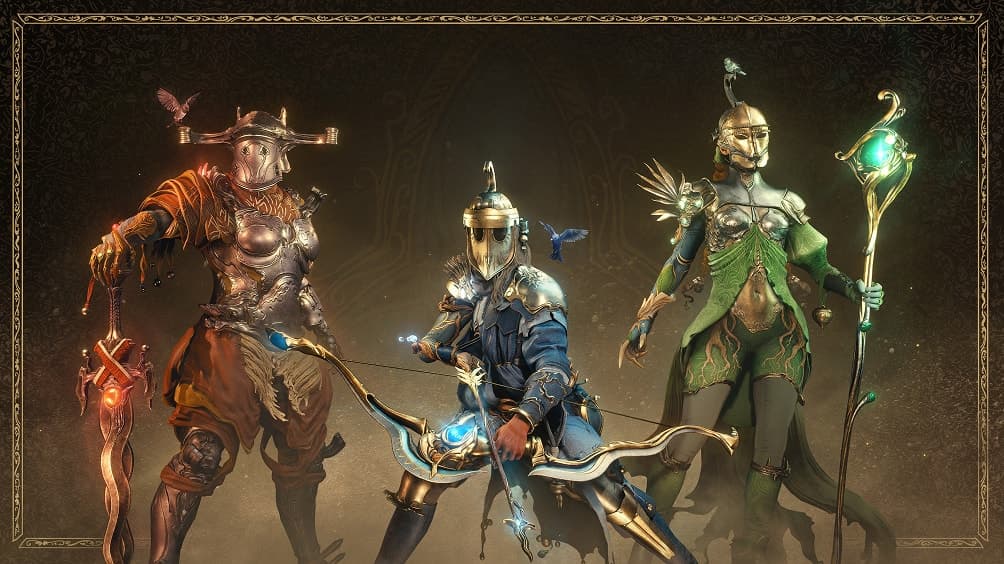
The centerpiece is The Devil’s Triad: a story quest that folds in protoframes — think human/Orokin versions of your favorite Frames — with Harrow, Wisp and the new devilframe, Uriel. Yes, you can flirt with them. No, I won’t judge you for wanting to smooch Marie. What’s more interesting than the cheeky romance angle is how protoframe arcs are being used to dissect three different subject matters and then force them to collide. Rebecca Ford calls the resulting sequence “the most soulslike thing we’ve done where players don’t even know that it has happened.” That’s a provocative comparison in a shooter-looter — expect tough narrative choices or hidden fail states that ripple into the ending.
Perita Rebellion and Descendia function as memory-level set pieces: three escalating encounters named Hunhullus, Dactolyst, and Vanguard. They’re explicitly meant to show key moments from Warframe’s history and to plug holes in the “core” timeline. Mechanically, they sound like curated, cinematic gauntlets rather than open-world skirmishes — a move toward tighter design after 1999’s sprawling experiments.
Ford’s rubber-band metaphor is the clearest explanation I’ve heard for DE’s oscillating design. 1999 was “the furthest stretch of the rubber band”: bold, genre-mashing, and inevitably divisive. Pulling back toward The Old Peace isn’t capitulation — it’s deliberate reset. The team says 1999 was essential groundwork for this pivot: protoframe systems, tone experimentation and new mechanics are all being repurposed into a more traditionally Warframe-y arc that focuses on Tau and Operator motivation.
That raises a valid question though: will players who loved 1999 feel shortchanged? Possibly. But DE is hedging that risk by keeping protoframe DNA alive inside the Devil’s Triad and by giving players streamlined ways to try modes without finishing The Lotus Eaters requirement first. It’s a safety valve: you can sample Descendia and Perita Rebellion without spoiling the campaign, but those “try” versions may lose a bit of narrative punch.
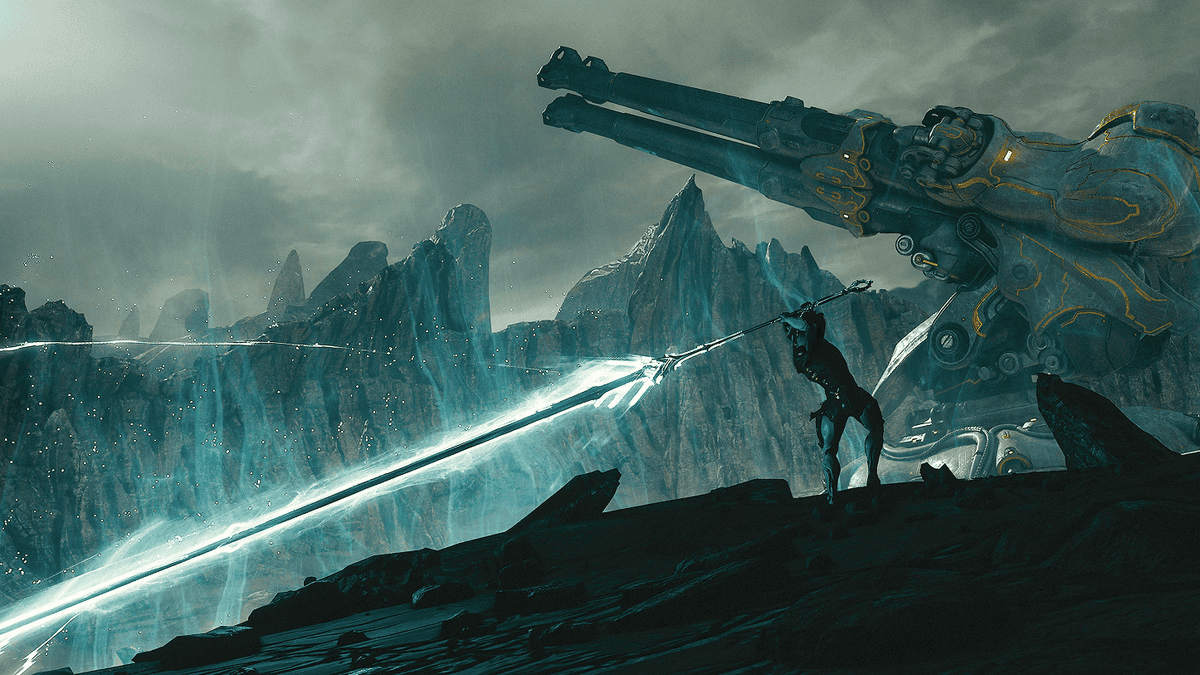
Gameplay-wise, expect a push toward Tau-focused abilities and new Focus School updates that will shape Operator play. If you’re invested in Operator arcs (Drifter vs. The Man in the Wall, Entrati entanglements), this is the chapter where those threads move forward in earnest. For players who chased 1999 for its novelty, The Old Peace is a reminder that Warframe’s core loop — modular, combat-first, loot-driven — still runs the show.
Also, a note of skepticism: marketing calls something “streamlined” as if that’s pure virtue. Streamlined can mean faster access, but it can also mean diluted storytelling. If you care about the full drama of Uriel and the protoframes, lock in The Lotus Eaters prerequisite and play the whole thing.
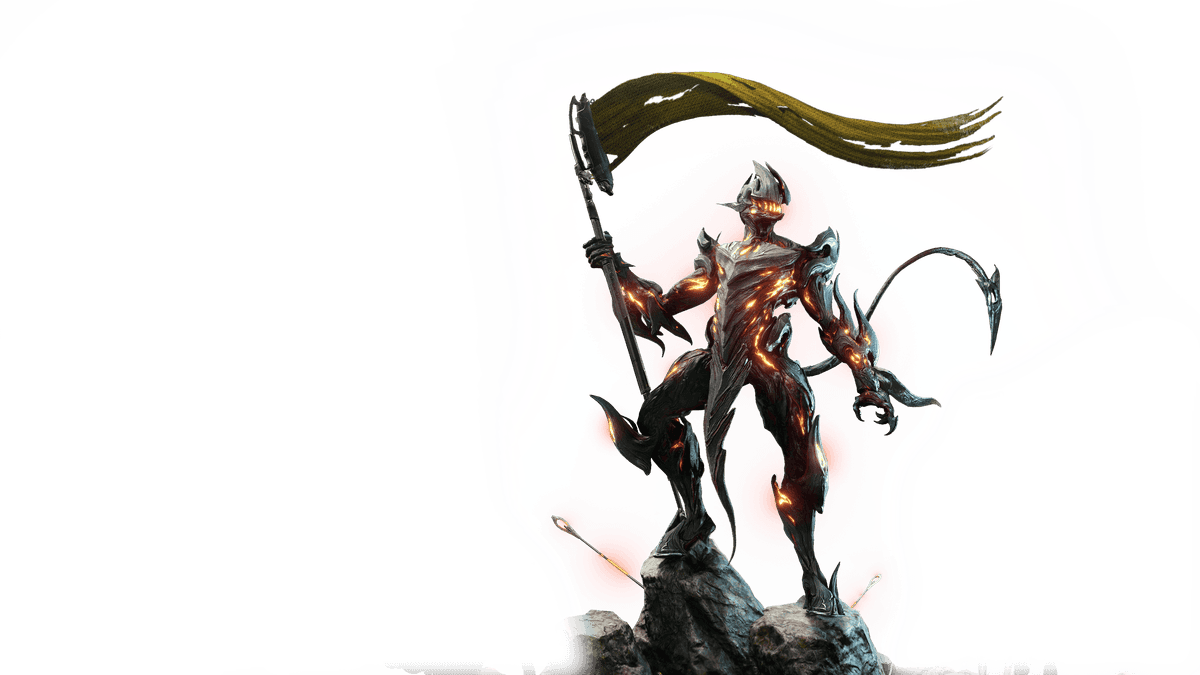
DE isn’t flipping a switch and pretending 1999 never happened. Instead, The Old Peace repurposes the experimental systems of that season into something that nudges Warframe’s central narrative forward — especially toward Tau. If successful, this approach gives the studio a template: take risks in one season, harvest the best systems, then bring them back into the mainline saga. That’s smart stewardship of player goodwill and design investment.
The Old Peace (out Dec. 10, requires The Lotus Eaters) dials Warframe back toward its warcore roots while keeping the interesting mechanics 1999 introduced. Expect devilframe Uriel, protoframe romances, Tau-focused story beats, and memory-mode gauntlets. It’s both a comfort play for core fans and a strategic move by DE to fold experimental systems into the mainline story — though streamlined trial modes may spoil the surprise for some.
Get access to exclusive strategies, hidden tips, and pro-level insights that we don't share publicly.
Ultimate Gaming Strategy Guide + Weekly Pro Tips