
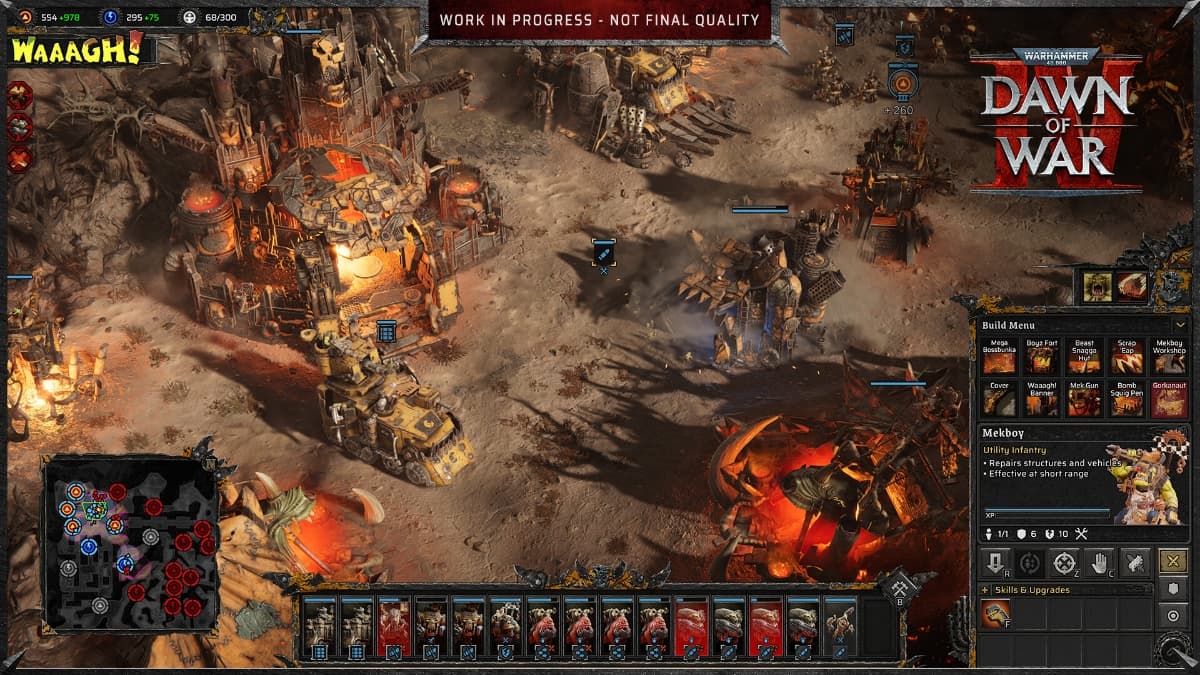
Warhammer 40,000: Dawn of War 4 – King Art Bets Big on RTS Comeback
Game intel
Warhammer 40,000: Dawn of War 4
Return to the RTS series’ roots with deeply satisfying strategy gameplay. Take command of four unique Warhammer 40,000 factions, including the Adeptus Mechanic…
The RTS Resurrection We Didn’t See Coming
As someone who grew up micromanaging squads in the grimdark future of the original Dawn of War, hearing about a new entry always gets my heart racing-especially after the divide over Dawn of War III and Relic’s departure. Now, King Art Games (of Iron Harvest fame) is taking the wheel for Dawn of War 4, due 2026 on PC. And honestly? This might be exactly what the Warhammer RTS scene needs-if King Art can stick the landing.
- Relic is out; King Art Games steps in with real RTS pedigree.
- Four distinct factions, each with their own unique playstyles and campaigns, at launch.
- Return to community-loved classic modes like Skirmish and The Last Stand.
- Ambitious animation syncing system promising visceral, cinematic battles.
Key Takeaways: What Matters Most for RTS Fans
- The devs aim to return to the roots-think Dawn of War 1’s spirit, not the MOBA-flavored direction that split the fanbase in 3.
- Content-rich from the start: four factions (Space Marines, Orks, Adeptus Mechanicus, Necrons), each getting their own campaign—a rarity these days.
- King Art’s “outsider” reputation might just be what this famously stubborn genre needs. Their work on Iron Harvest proved they care about deep, satisfying gameplay, but can they scale that up for the notoriously demanding Warhammer audience?
Why King Art’s Taking the Helm Is a Double-Edged Chainsword
Let’s get real: Relic’s been the heart and soul of Dawn of War, but after DoW III tanked with its confused design, maybe fresh blood is what this IP (and genre) needs. King Art may not be a household name, but if you played Iron Harvest in 2020, you know they get classic RTS: base building, cover, and satisfying unit management—stuff Dawn of War fans still crave. Based on early coverage, their philosophy sounds old-school in the best way: big, chunky factions, actual campaign variety, and a focus on both single-player and properly supported multiplayer/co-op from day one.
Gamer’s Perspective: What Sets Dawn of War 4 Apart
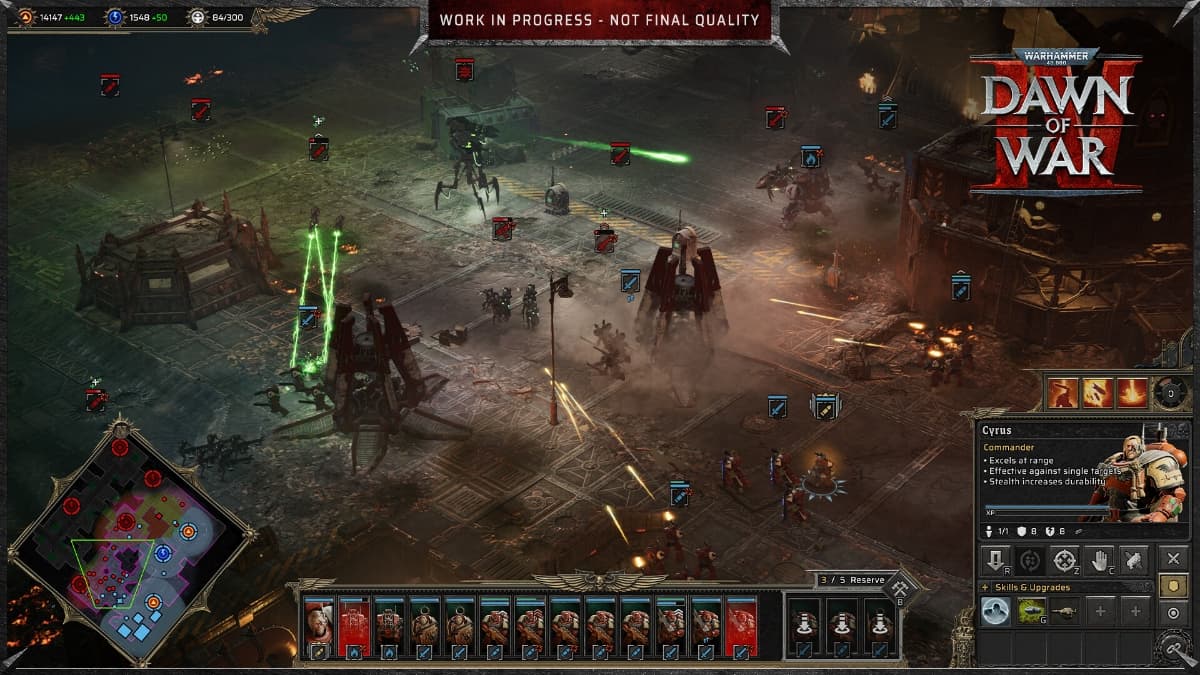
The big hook for me—and any jaded RTS player—is that King Art wants every faction to play genuinely differently, not just with a new skin and a gimmick tacked on. Example: Space Marines are elite-heavy, meaning you field fewer, but beefier, customizable units. Orks flip that completely, spamming cheap bodies and buildings for full-map swarms and glorious chaos. Adeptus Mechanicus lets you manipulate the fog of war with heat-signature detection, and Necrons lumber on the field, auto-repairing and teleporting like it’s nobody’s business. If these differences are more than surface deep, we could finally get that “StarCraft-level” asymmetry that other RTSes have promised but rarely delivered.
Let’s Talk Animations—Does This Really Matter?
The biggest unexpected flex: King Art’s system for synchronizing combat animations across any two melee units. Not just kill-cams or fancy fatalities, but a whole new layer designed to make every engagement feel punchier and more tactile. I’ll admit, in most RTSes, combat looks like messy pixels colliding, and it’s the one place even genre classics falter in “selling the fantasy.” If King Art can make every encounter feel like an actual 40K conflict—without making the game a slideshow—that’s something genuinely new for RTS. Of course, it also risks being style over substance if it slows gameplay down or makes micro unwieldy. Consider me cautiously hyped.
Want to Level Up Your Gaming?
Get access to exclusive strategies, hidden tips, and pro-level insights that we don't share publicly.
Ultimate Gaming Strategy Guide + Weekly Pro Tips
Industry Context: The RTS Genre Could Really Use a Win
I think what’s getting old-guard fans so invested is simple: big-budget RTS releases have been almost extinct for a decade. Other than the Command & Conquer remasters and Age of Empires IV, it’s been indie studios (and the occasional remaster) keeping this genre alive. With Warhammer’s built-in fanbase and nostalgia for DAWN OF WAR at its peak, King Art could hit gold… or just remind us why the genre faded out, if they fumble.
It’s also a gutsy move not to launch with “live service” baggage or half-baked modes: four full factions, unique campaigns, co-op, and PvP at launch shows they’re not nickel-and-diming players, at least for now. In 2026, that’s going to stand out, if only because most big games are still flailing with piecemeal content strategies.
TL;DR: Why I’m (Cautiously) Excited
Dawn of War 4 looks like a proper return to form, not just a cash-in. Four distinct factions, combo-heavy, cinematic combat, and a studio that actually understands the niche. Skepticism is justified—this genre is tough to get right—but for once, RTS and 40K fans might have real reasons to be hopeful (and a little hyped) for 2026.