
Table of Contents (16)
Why I Came Back to Warhammer 40,000 (and Why 2026 Is the Moment to Jump In)
After more than 25 years away from Warhammer 40,000, I decided in 2025 to dive back in. I expected the same old problems: expensive books, intimidating painting, and veterans speaking in rules jargon I didn’t understand. Instead, I found something very different – a hobby that’s actually more accessible than when I left, and way easier to get into on a budget if you’re smart about it.
The big surprise was how much of the “hard stuff” is now solved for you: beginner painting tutorials everywhere, streamlined starter boxes, and a push toward more accessible rules (with 11th edition on the horizon promising even more digital support). Add to that a wave of PC games carrying the Warhammer 40,000 brand, and 2026 is honestly one of the best times I’ve seen to start – or come back like I did.
This guide is exactly what I wish someone had handed me when I came back: concrete shopping lists, a simple painting workflow, how to avoid overspending, and how to use PC games and free resources to get comfortable with the universe before you drop serious money.
Step 1 – Decide How You Want to Experience Warhammer 40,000
The breakthrough for me was realizing that “getting into 40K” doesn’t mean instantly buying a 2,000-point army and every rulebook. In 2026, you can approach the setting in three overlapping ways, and you don’t have to commit to all of them on day one.
Option A: The Full Tabletop Miniatures Game
This is the classic route: building and painting an army, then playing games on a tabletop with terrain, dice, and friends. It’s the most involved (and the easiest way to lose money if you rush), but also the most rewarding if you like physical hobby work.
If this is your goal, don’t panic. You can start tiny in 2026 thanks to Combat Patrol–style forces and beginner sets. We’ll get to that in Step 2.
Option B: PC Games First, Minis Later
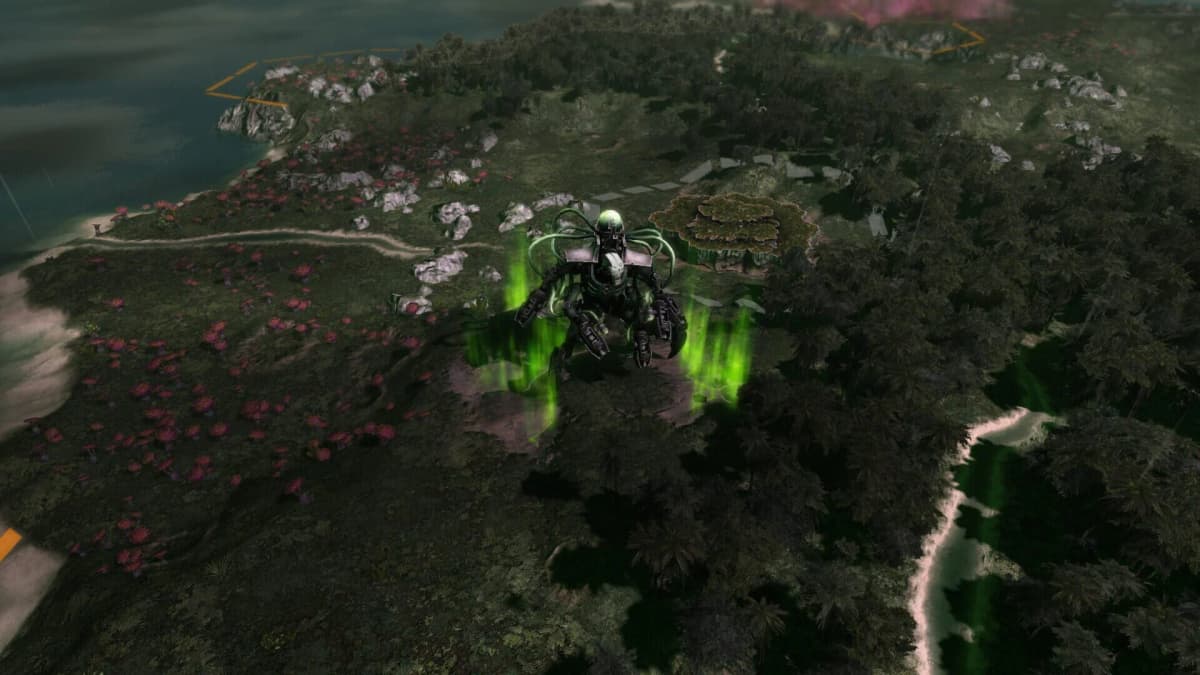
I actually re-entered 40K through the digital side. Games like the Space Marine series, the older Dawn of War titles, and the upcoming galaxy-scale Total War: Warhammer 40K are fantastic for understanding factions, units, and the tone of the setting before you buy your first box of plastic.
When I was batch-painting my first squad in decades, having just come off a session of a 40K PC game kept me motivated. Seeing the same units in action on screen helped the lore click, and made painting feel less abstract.
Option C: Lore and Painting Without Playing (Yet)
Some people just want to paint cool sci-fi soldiers and read grimdark stories. That’s completely valid, and in 2026 there are more painting tutorials and novels than ever. You can spend months happily assembling and painting small forces without playing a single rules-heavy game.
Whichever path you pick, the rest of this guide will help you keep it affordable and manageable.
Step 2 – Dodge the “Army Trap”: Start With a Small, Self-Contained Force
Back in the day, my biggest mistake was buying random units because they looked cool: a tank here, a character there, none of it adding up to a legal or coherent army. I spent money and time, but rarely actually played.
In 2026, the smart move is to start with a small, self-contained force. Look for:
- Starter sets that include two small forces, basic rules, and dice
- Combat Patrol–style boxes (or similar) that give you a ready-to-play force in one purchase
- Skirmish formats like Kill Team (fewer models, faster games)
Pick one of these, not all of them at once. The goal is to have:
- Enough models for small games (25–40 miniatures at most)
- Models from a single faction you actually like aesthetically
- A clear “finish line”: once this box is built and painted, you can play
When I came back, I forced myself to adopt this rule: no second box until the first one is fully assembled and at least roughly painted. It sounds strict, but it saved my wallet and kept the project from feeling endless.
Step 3 – Keep Your First Shopping List Brutally Short
Another lesson learned the hard way: you don’t need a pro studio’s worth of tools to get good results. For your first month in the hobby, this is all you truly need:
- One beginner or Combat Patrol–style box (your actual minis)
- Plastic clippers (for cutting pieces off the sprues)
- Hobby knife or file (for cleaning mold lines)
- One decent medium brush + one smaller detail brush
- Primer (black or grey spray, or brush-on if you can’t spray)
- 6–10 core paints (start with your armor color, metallic, skin tone, black, white/bone, and 1–2 accent colors)
- A shade wash (a dark, thin paint that flows into recesses)
- Basic glue (plastic cement for plastic kits)
You’ll see giant paint racks and specialized tools in tutorials, but don’t make my mistake of trying to buy “the full set.” A limited palette forces you to learn fundamentals and keeps the cost down. Brands like Citadel or Army Painter are designed specifically for miniatures and thin nicely with water.
Expect your total initial investment (one starter force + basic tools + a small paint set) to be significantly less than what a single new AAA game + DLC can cost if you’re careful and shop during sales or bundle deals.
Expect your total initial investment (one starter force + basic tools + a small paint set) to be significantly less than what a single new AAA game + DLC can cost if you’re careful and shop during sales or bundle deals.
🎮 Get This Game at the Best Price
Compare prices instantly and save up to 80% on Steam keys with Kinguin — trusted by 15+ million gamers worldwide.
*Affiliate link — supports our independent coverage at no extra cost to you
Step 4 – Use the Modern “Easy Mode” Painting Workflow
In the 90s, painting advice was basically “good luck, thin your paints.” Now, there’s a well-established beginner workflow that most tutorials agree on. Once I embraced this instead of trying to be a Golden Demon painter on day one, things clicked.
The 5-Step Beginner Process
- Step 1 – Primer: Spray or brush on a thin coat of primer (black or grey). This helps paint stick and gives you natural shadows.
- Step 2 – Basecoats: Apply your main colors in thin layers. Two or three thin coats are better than one thick coat that obscures details.
- Step 3 – Shade: Use a dark wash over the whole model or specific areas. It flows into the recesses and instantly adds depth.
- Step 4 – Simple Highlights: Using a lighter version of your base color, pick out edges and raised areas with the side of your brush or quick drybrushing.
- Step 5 – Details & Base: Pick out eyes, lenses, weapons, and then texture or paint the base (sand + paint + drybrush does wonders).
The key habit that changed everything for me: always test paint consistency on a palette (even a bit of plastic is fine). If the paint leaves brush strokes or clumps, add a drop of water. If it runs like a wash, it’s too thin.
How Long Does a First Mini Actually Take?
My first “return” mini, done with this method, took roughly:
- 15–20 minutes for assembly (including cleaning mold lines)
- 5 minutes to prime (plus drying time)
- 30–40 minutes for base colors
- 10 minutes for shading
- 20 minutes for highlights and basic details
So about 1.5–2 hours of active work for one model. You’ll be slower at first, but speed up quickly once you do a squad. The important part is to accept “tabletop quality” as your goal, not perfection. A finished, slightly messy squad looks far better on the table than a grey pile waiting for some mythical perfect day.
Step 5 – Play Small Games as Soon as Possible
Another trap I fell into the first time around was waiting until I had a “proper” big army to play. Don’t. The rules make far more sense once you’ve rolled a few dice.
In 2026, you can start with:
- Combat Patrol–scale games using just what’s in your box
- Store demo nights, where staff often provide armies and terrain
- Intro missions from your starter set, which gradually add rules
Practically, I recommend aiming for this milestone: one fully assembled and roughly painted squad + a leader. Once you have that, look for a small game-at a store, club, or with a friend. Seeing your painted models on the table in a real battle is what turned the hobby from “project” into “addiction” for me.
Step 6 – Cut Costs Without Killing the Fun
Warhammer 40,000 will never be the cheapest hobby on earth, but in 2026 there are more ways to keep it sane than ever. Here’s what helped me most:
- Second-hand models: Many players sell or trade forces. Stripping old paint is easier than it used to be, and you can get entire squads for a fraction of retail.
- Stay small, by design: Embrace smaller formats (Combat Patrol, skirmish games) for months before scaling up.
- Limited paint palette: Use the same core colors across your army. You don’t need 15 shades of red.
- Free learning resources: Lean heavily on free painting and rules-explanation videos instead of buying every book and guide.
- Wait-and-see on new rules: With 11th edition looming and a general trend toward more accessible digital rules, avoid buying every single codex the second it releases.
Don’t make my old mistake of equating “more stuff” with “more fun.” The best games I’ve had since coming back were with modestly sized forces on simple tables.
Step 7 – Use PC Games as Lore and Motivation Engines
One unexpected advantage of starting (or returning) in 2026 is how strong the digital side of Warhammer 40,000 has become.
Here’s how I used PC games to boost my tabletop hobby:
- Faction testing: Playing different factions digitally helped me decide what I actually enjoyed before committing to plastic.
- Lore immersion: Campaign cutscenes, unit barks, and missions gave me a feel for each army’s personality, which made painting their colors more fun.
- Painting soundtrack: I often paint with a 40K game’s soundtrack, trailers, or lore videos in the background. It keeps the vibe going and turns painting into a ritual.
If you’re still on the fence about buying minis, spending a few evenings with the digital adaptations is a low-risk way to see if the universe grabs you.
Common Beginner Mistakes (That I Made) to Avoid
To wrap up the “don’ts,” here are the big ones I personally crashed into:
- Buying too big, too fast: Multiple factions, huge tanks, and characters before a single basic troop is finished.
- Perfection paralysis: Stripping and repainting the same model because it isn’t “Instagram-worthy.” Your first squad is allowed to be rough.
- Ignoring preparation: Skipping mold line removal and dry-fitting parts leads to ugly seams you’ll regret later.
- Painting with paint straight from the pot: Thick paint ruins details. Always thin a little on a palette.
- Hobbying alone forever: Lurking online but never actually scheduling a game or visiting a local store. Games are where it all comes together.
If you sidestep even half of these, you’ll save yourself a ton of frustration and money.
Your First Month in Warhammer 40,000, Realistically
To give you a concrete roadmap, here’s roughly how my “return month” looked once I stopped flailing and got organized. You can follow something similar:
- Week 1: Explore factions via PC games and online galleries. Pick one starter box and buy only the essential tools and paints.
- Week 2: Assemble your first squad slowly and carefully. Watch a couple of beginner painting videos while you work.
- Week 3: Prime and paint that first squad to simple tabletop standard using the 5-step workflow. Don’t chase perfection.
- Week 4: Aim to play your first small game (store demo, friend, or intro mission at home). Use that experience to decide what you actually want to add next-if anything.
By the end of that month, you’ll know if Warhammer 40,000 is a passing curiosity or your new long-term hobby. And you’ll have learned that, in 2026, it really is possible to get started without drowning in rules, costs, or unpainted plastic-if you take it one small, deliberate step at a time.
If I could come back after 25 years, blow the dust off my dice, and build a painted force I’m proud to put on the table, you absolutely can start fresh this year.
FinalBoss // Gear
Level up your setup
01Top-rated gaming headsetson Amazon→02High-refresh gaming monitorson Amazon→03Gaming chairson Amazon→04Discounted game keyson Kinguin→Affiliate links · As an Amazon Associate, FinalBoss earns from qualifying purchases.
Want to Level Up Your Gaming?
Get access to exclusive strategies, hidden tips, and pro-level insights that we don't share publicly.
Ultimate Editor's Pick Strategy Guide + Weekly Pro Tips