
Table of Contents (20)
Start Here: The Two Books That Get You Up to Speed
11th Edition is out. Warhammer 40,000: Armageddon, the launch box, went to pre-order on 6 June 2026 and hit shelves on 20 June 2026 — 61 push-fit Blood Angels and Orks, a Core Rules booklet, the Operation Imperator campaign book, mission and narrative decks, datasheet cards and transfers, for around $295 / £185. If you are staring at that box (or at a friend’s half-painted Ork mob) with no idea why any of these people are fighting, two books fix it faster than any wiki binge:
- Warhammer 40,000: The Ultimate Guide (2023 hardcover) – a visual crash course on the entire setting. Games Workshop has not replaced it with an 11th Edition-branded lore compendium, so it is still the primer to buy.
- Horus Rising (Horus Heresy Book 1, Dan Abnett) – the novel that teaches the tone and stakes better than any rulebook.
I did it backwards the first time: bought a starter box, built a few models, then realised I barely understood the setting. Games dragged, rules felt abstract, and I kept second-guessing my army. Below is the roadmap I wish I’d had — and it works better now than it did pre-launch, because the 11th Edition rules are free, so you can read lore and rules side by side without spending another euro.
What Actually Shipped With 11th Edition (July 2026 Status)
Before the reading plan, the practical picture, because it changes what you should buy and when.
| Date | What landed |
|---|---|
| 6 June 2026 | Warhammer 40,000: Armageddon pre-orders open |
| Early–mid June 2026 | 11th Edition Core Rules free as a PDF on Warhammer Community and in the Warhammer 40,000 app |
| 20 June 2026 | Armageddon launch box releases (~$295 / £185) |
| 27 June 2026 | Standalone hardback Core Rulebook, Combat Patrol Companion, Terrain Area Set, Chapter Approved Mission Deck 2026–27, Dominatus Narrative Campaign Deck: Armageddon |
| 11 July 2026 | Battleforce / Battlegroup boxes and a Ciaphas Cain release wave |
Two things matter for a newcomer. First, the Core Rules cost nothing — download the PDF or open the app before you buy a single model. Second, 10th Edition codexes are still legal. Factions that have not received an 11th Edition codex keep using their 10th Edition rules in matched play, so a second-hand 10th codex for the army you fall in love with is not wasted money. That takes the urgency out of the purchase and gives you room to actually read.
Step 1 – Use Warhammer 40,000: The Ultimate Guide as Your Map
The Ultimate Guide is a 300+ page hardcover compendium published in 2023. Think of it as a tour bus through the 40K galaxy: factions, key characters, major wars, a broad 10,000-year timeline. It does not drown you in rules; it explains what this universe is. Nothing GW has published since 11th Edition launched supersedes it as a general primer.
I tried to read it cover to cover and burned out halfway. What worked was treating it as a reference book and attacking the parts that matter for Armageddon and for picking an army.
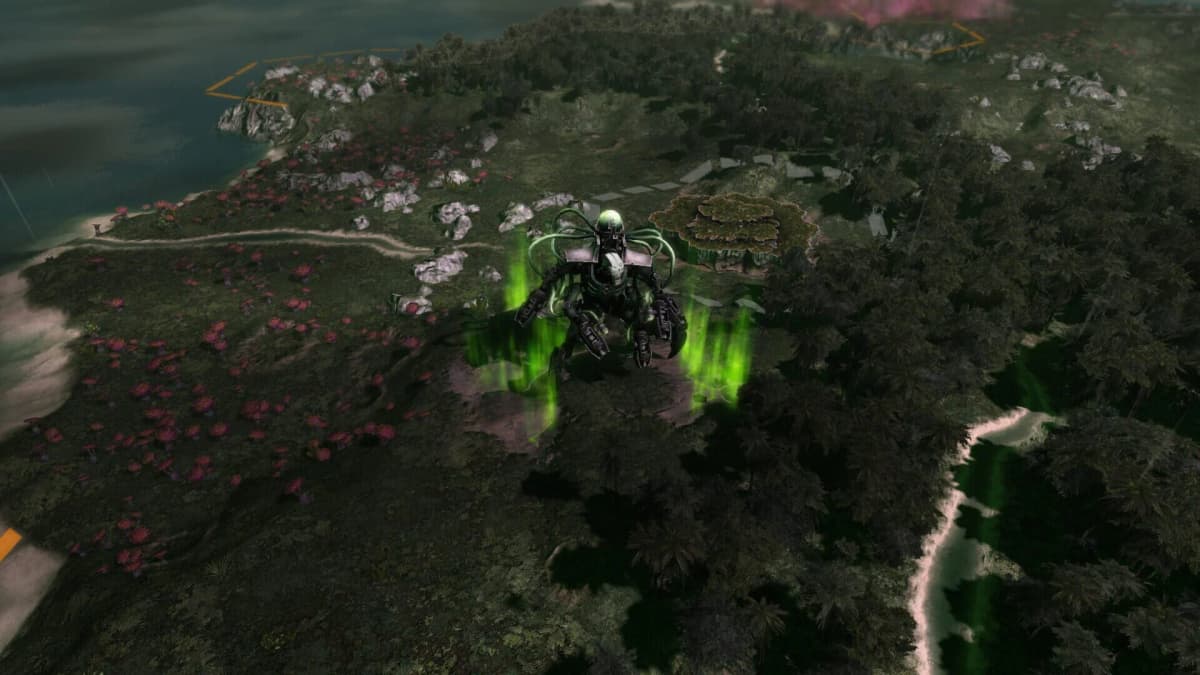
How to Read The Ultimate Guide Efficiently
- Session 1 (60–90 minutes): big picture and timeline. Start with the opening chapters on the Imperium, the Emperor, and the arc from the Great Crusade to the “present.” Don’t memorise dates — follow the rise, fall and slow collapse of humanity. Once I understood that 40K is a desperate holding action against extinction, everything else made sense.
- Session 2 (60 minutes): the Armageddon factions. The launch box is Blood Angels versus Orks, and the campaign material is Armageddon-flavoured, so read the spreads for Space Marines (Blood Angels in particular), Orks (their culture, WAAAGH! energy, why they love endless war) and Astra Militarum (the regular humans holding the hive factories). You’ll see immediately why Armageddon keeps getting revisited: it is the perfect clash of horde versus disciplined firepower.
- Session 3 (90 minutes): two or three factions you might actually collect. Use the faction chapters as a dating profile for your future army. The art, colour schemes and short lore blurbs tell you whether you’re more into fanatical zealots, sneaky xenos or hulking green brutes.
After those three sessions, stop reading linearly. Dip back in whenever something in a preview confuses you. When Operation Imperator name-drops Armageddon locations or Commissar Yarrick, flip to the Astra Militarum and Armageddon spreads. That quick visual reference is what stops you feeling lost.
Why It Still Matters Now That 11th Is Live
- It stops you buying an army because the models look cool. I wanted Necrons purely for the robots; reading their pages convinced me I’d enjoy Orks more because I like loud, aggressive playstyles.
- It anchors the Armageddon setting the whole edition is built on. The Third War for Armageddon is one of the iconic Imperium-versus-Ork conflicts. Knowing it turns the launch box from “red marines fight green aliens” into a story with weight.
- It is a visual shortcut. The colour plates communicate tone faster than text. When I painted my first Ork Boyz I wasn’t guessing at what “grimdark” meant.
Step 2 – Read Horus Rising to Learn 40K’s Tone
The Ultimate Guide explains the what. Horus Rising explains the feel. It is the first Horus Heresy novel, set 10,000 years before the current timeline, when the Imperium was still expanding instead of collapsing.
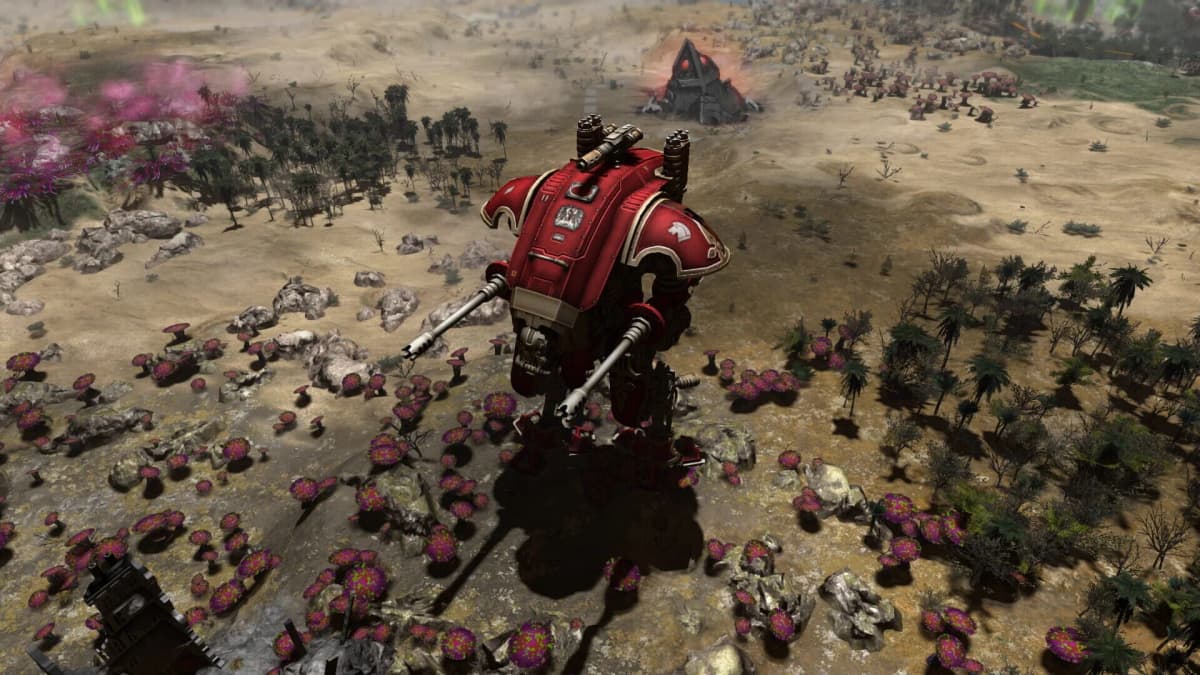
I bounced off 40K novels twice before this one. The breakthrough was realising I didn’t need to memorise every Legion or planet; I just needed to ride along with the Luna Wolves and watch how they reacted to war, xenos and each other. That emotional context is exactly what a datasheet cannot give you.
How to Approach It as a Newcomer
- Don’t chase continuity. “M31” and obscure Primarchs will show up. Treat them as flavour and focus on the main cast: Horus, Loken, Torgaddon, Abaddon, and the remembrancers.
- Read in 3–4 chapter chunks. Roughly an hour at a time made it far easier to keep track of who was who.
- Watch how the Imperium talks about truth, faith and censorship. A lot of the grimdark comes from the “good guys” already lying to themselves. That mindset is what produces the paranoid, religious Imperium of the tabletop.
What It Teaches That Rules Can’t
- How Space Marines actually behave. On datasheets they are statlines. In the novel you see how they treat mortals, how they think about sacrifice, and why betrayal hits so hard in 40K.
- Why Primarchs matter. Modern 40K keeps pulling Primarchs back into the timeline. Horus Rising shows what it meant when they were seen as near-gods, which makes “a Primarch has returned” feel like an event rather than marketing.
- How hopelessness and heroism coexist. Even victories plant the seeds of future disasters. That is the exact mood of an Armageddon campaign: you can win this battle, you will not save the galaxy.
Horus Rising still tops community “where do I start” threads on r/Warhammer40k for a reason — it explains why the factions are the way they are instead of asking you to accept it.
Step 3 – Read the Free Core Rules Alongside the Lore
This is the step that did not exist before June. Because Games Workshop put the 11th Edition Core Rules out as a free PDF and inside the Warhammer 40,000 app, you can pair each reading session with 20 minutes of rules and lose nothing but time.
- Download the Core Rules first, not a codex. They cover movement, shooting, charging, objectives — the shared language every faction uses.
- Then read one faction’s datasheets in the app. If you liked Orks in The Ultimate Guide, look at a Boyz mob and a Warboss and notice how the rules reflect the lore: cheap, numerous, terrifying in a pile-in.
- Ignore codex FOMO. Your 10th Edition codex stays legal until your faction gets an 11th Edition replacement, so there is no reason to panic-buy books.
Doing lore and rules together is what finally made the game click for me. Reading that Orks genuinely enjoy war, then seeing a rule that rewards you for throwing bodies forward, is a much stronger memory than either fact alone. If you want a lore-first tour of the Imperium’s poster boys before you commit, our breakdown of the strongest Space Marine chapters is a decent companion read.
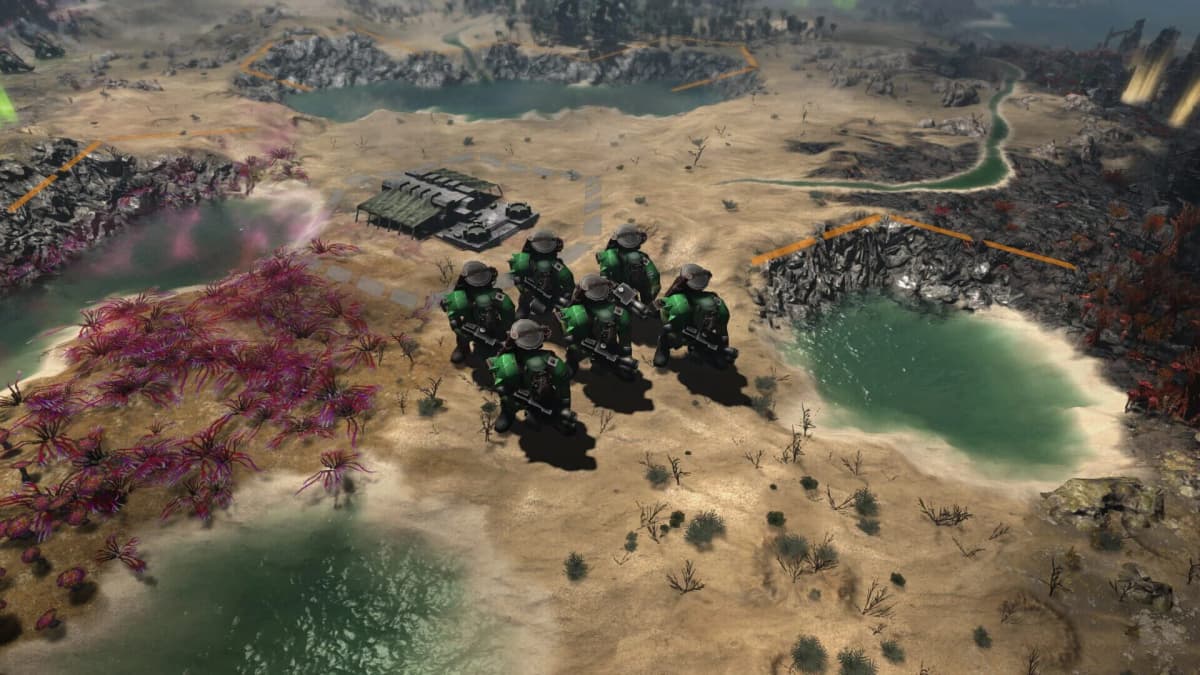
Step 4 – A Realistic 30–90 Day Plan
Days 1–14: Books and Free Rules, No Plastic
- Get The Ultimate Guide and Horus Rising. The guide is frequently discounted well below its ~$60 list price; check before paying full RRP.
- Follow the reading plan above: big-picture Imperium and Armageddon factions in week one, Horus Rising across both weeks.
- Download the free Core Rules PDF. Read the core phases once. Do not buy anything.
- Keep a note on your phone of factions whose art and themes pull at you.
Days 15–45: Tie Lore to Models
- Watch a couple of 11th Edition battle reports. Channels like Midwinter Minis explain faction feel clearly, and post-June content uses the current ruleset.
- Keep The Ultimate Guide open while you watch. Seeing the art next to the models in action links “cool lore” to how a faction actually plays.
- Narrow the shortlist to one primary and one “maybe later” faction.
Days 45–90: Buy Once, Buy Right
- Armageddon ($295 / £185) is the obvious entry if you liked both sides of the book — human stubbornness against Ork enthusiasm — and you want a ready-made two-player set with rules included.
- If one specific faction grabbed you instead, a Combat Patrol box plus the free Core Rules and the Combat Patrol Companion (27 June) is a cheaper, less wasteful start.
- Sketch a 500-point list from units whose art you recognised in the guide. Building around units you understand is far less abstract than picking whatever is efficient.
Common Mistakes (I Made Most of These)
- Buying models before understanding the setting. I grabbed kits on sale that didn’t fit the army or story I actually cared about.
- Paying for rules you can download free. The hardback Core Rulebook is a nice object; it is not required to play.
- Sprinting through all the lore. The goal is a foundation, not catching up on forty years of material.
- Treating Horus Rising as a reference book. Read it like any sci-fi novel and let unfamiliar names wash over you.
- Dismissing factions on sight. Orks became my favourite army and I initially wrote them off.
- Assuming your 10th Edition codex is dead. It isn’t, until your faction gets an 11th Edition book.
FAQ
Is 11th Edition out yet?
Yes. The Warhammer 40,000: Armageddon launch box released on 20 June 2026 after pre-orders on 6 June, with a wider product wave on 27 June and Battleforce/Battlegroup boxes on 11 July.
Do I need to buy the rules?
No. The 11th Edition Core Rules are free as a PDF on Warhammer Community and in the Warhammer 40,000 app. Paid books (the hardback rulebook, mission decks, codexes) add depth and matched-play content, not core access.
Is The Ultimate Guide out of date now?
Not as a lore primer. Games Workshop has not published an 11th Edition-branded replacement compendium, and 40K’s core history has not been rewritten — so the 2023 hardcover still does the job it was bought for.
Are my 10th Edition codexes still usable?
Yes. Factions without an 11th Edition codex keep using their 10th Edition codex rules in matched play until a replacement arrives.
Where to Go Next
If both books land for you, follow your faction. Use The Ultimate Guide to find which novels and campaign books tie to your army — if the Armageddon sections hooked you, look for material on the Third War for Armageddon and on Commissar Yarrick. Add rules knowledge in small pieces: core rules first, then your faction’s datasheets, then stratagems. And if you play digitally too, our Darktide Skitarii build guide is a good way to spend time in the setting between painting sessions — though be warned that the edition change had knock-on effects elsewhere in the hobby, as our piece on GW taking down the core 40K Tabletop Simulator mods covers.
Used this way, The Ultimate Guide and Horus Rising are not just reading recommendations. They are the on-ramp that lets you play 11th Edition as a story you already know, rather than a stack of acronyms to decode.
FinalBoss // Gear
Level up your setup
01Top-rated gaming headsetson Amazon→02High-refresh gaming monitorson Amazon→03Gaming chairson Amazon→04Discounted game keyson Kinguin→
Affiliate links · As an Amazon Associate, FinalBoss earns from qualifying purchases.
Want to Level Up Your Gaming?
Get access to exclusive strategies, hidden tips, and pro-level insights that we don't share publicly.
Ultimate Guide Strategy Guide + Weekly Pro Tips