
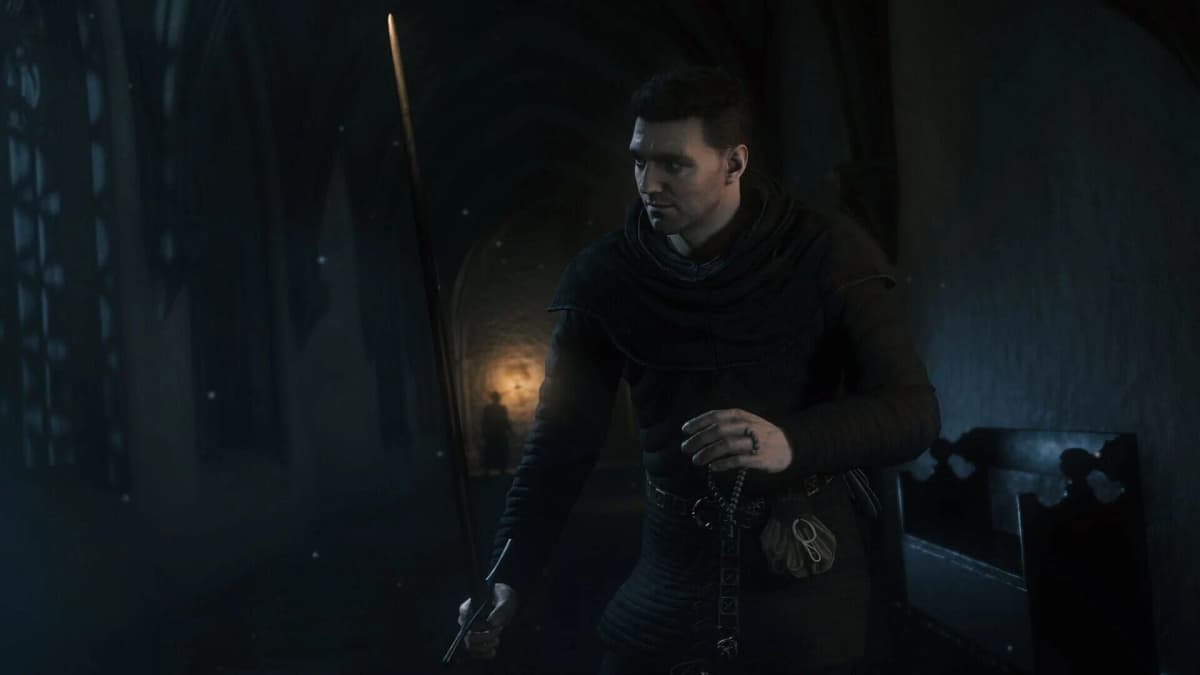
Warhorse co-founder Martin Klíma criticizes repetitive chosen-one RPGs. Kingdom Come: Deliverance II’s Mysteria Ecclesiae puts that argument to a useful test through a monastery investigation, earned competence and human-scale stakes.
“Games for teenagers” is the part of Martin Klíma’s argument that makes me wince. “Bored and tired” is the part that earns my sympathy. Warhorse’s co-founder has a legitimate complaint about role-playing games repeatedly handing players a special destiny and a universe to save. Attaching that complaint to the supposed tastes of 16- and 17-year-olds makes a sharp design criticism sound unnecessarily patronizing.
The repetition is the stronger target: satisfying competence, uncomfortable decisions and a world capable of resisting the player offer a better design challenge than another declaration of the protagonist’s unique importance. Age is a lousy explanation for preferring those things, and removing a prophecy does not automatically produce a more interesting game. Warhorse’s argument deserves a tougher test than that.
Table of Contents (5)
The exhausting part is guaranteed importance
Klíma says he is “bored and tired” of RPGs built around a chosen hero with a grand mission to save the universe. He also acknowledges that a good power fantasy has value. That distinction matters: his strongest argument concerns the repeated use of a familiar structure, rather than the mere existence of powerful protagonists.
The structure is easy to recognize. A special lineage, prophecy or unique ability establishes the protagonist’s importance. An enormous threat gives that importance a purpose. Abilities, allies and authority accumulate until the final confrontation feels inevitable. Optional quests feed the same ascent, supplying equipment, experience or another grateful supporter.
There is pleasure in that rhythm. The problem arrives when the player can predict the emotional reward before understanding the situation: complete the task, grow stronger, receive another reminder that everything depends on you. A complicated fictional world gradually becomes an applause machine.
That is the fatigue at the heart of the criticism. Progression gets dull when every system reinforces the same flattering conclusion. Combat can become harder while the protagonist’s place in the story remains completely secure. Bigger enemies do little to disturb the certainty that the world will ultimately validate you.
The teenage jab weakens a good argument
Klíma associates these fantasies with being 16 or 17 and describes many RPGs as still feeling like “games for teenagers.” I reject that framing. An adult can enjoy spectacular heroism without having underdeveloped taste. A teenager can want political ambiguity, limited authority and difficult consequences. Neither preference needs an age-based excuse.
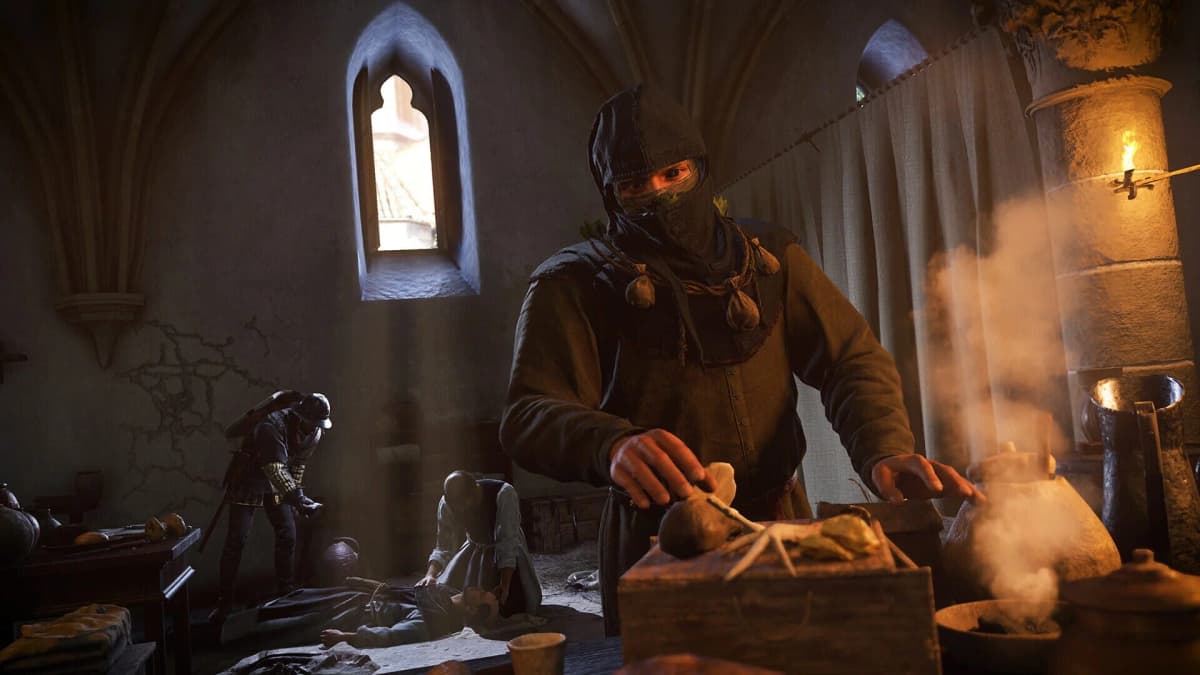
The distinction worth defending is between different kinds of satisfaction. Some players want the certainty of becoming formidable. Others want to negotiate a world that never becomes entirely manageable. Neither approach is inherently more mature. When an RPG promises meaningful choices, the useful question is how it treats the player’s decisions—not how old its imagined audience is.
There is also a serious objection to Warhorse’s position: a protagonist without a supernatural destiny can still follow a rigid path toward universal admiration. Removing the chosen-one label changes very little if every faction waits for the hero, every setback is temporary and every quest ultimately confirms their importance. Grounded presentation has to earn its distinction through play.
Mysteria Ecclesiae gives the argument a concrete setting
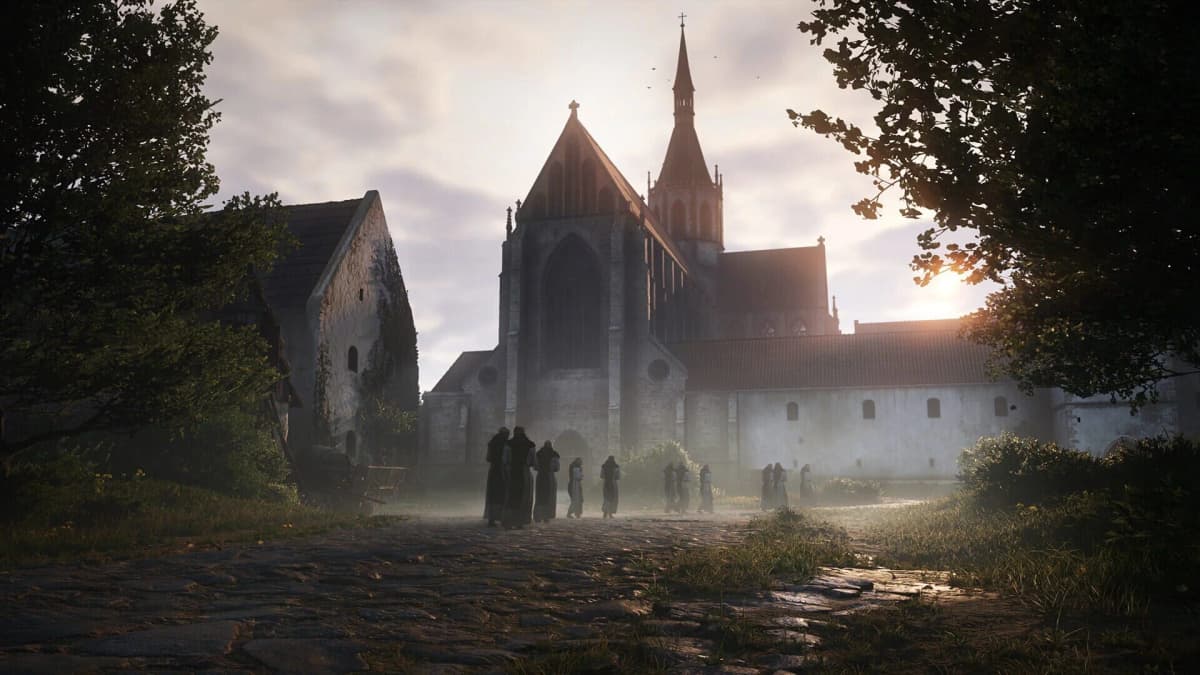
Kingdom Come: Deliverance II – Mysteria Ecclesiae, released on November 11, 2025, is the game’s third and final major expansion. Available on PC, PlayStation 5 and Xbox Series X|S, it sends Henry into Sedletz Monastery for a clandestine investigation involving a deadly disease. He assists the healer Sigismund Albicus inside a quarantined institution, encountering factions with competing motives as he works through the mystery.
That premise gives Klíma a better argument than the age jab does. A quarantine creates immediate danger within a bounded place. The investigation gives Henry work that depends on understanding people and circumstances. Competing agendas give those people reasons to act beyond rewarding his arrival. The expansion has room to create tension through proximity: illness, restricted access and incomplete knowledge can make a monastery matter without inflating the threat to universal destruction.
I find that scale appealing because the responsibility is concrete. “Save everyone” is an enormous instruction, but enormity alone supplies little texture. Helping a healer investigate a deadly illness gives the player a specific task among people with conflicting interests. A discovery can change how the player understands the place they already inhabit, without revealing yet another threat to the universe.
Investigation also offers a different progression rhythm. Gathering information, interpreting motives and opening further parts of the monastery move the mystery forward alongside improvements to Henry’s capabilities. Those are related but distinct rewards: learning what happened is not the same as gaining access to a location. The design question is where knowledge changes the player’s understanding and where it changes Henry’s practical options.
The expansion still includes familiar RPG rewards, including books, potions, equipment and weapons. That continuity is not a contradiction: earned competence can be a power fantasy too. The interesting design question is how those tools interact with the investigation, the quarantine and the monastery’s social rules. A smaller setting can support considerable complexity when its systems pull against one another.
The monastery sets a higher bar than “no prophecy”
A premise can promise freshness more easily than a quest can deliver it. For players assessing Mysteria Ecclesiae, these are the four standards I would apply to its setup—not a claim that each quest meets them:
- What discoveries change: Separate clues that add context from discoveries that alter objectives, access or available actions. Both can serve a mystery, but I would give greater weight to information that lets Henry act differently rather than simply advancing an objective marker.
- What competing motives demand: Look at whether serving a faction changes relationships, cooperation or opportunities. Dialogue that changes Henry’s tone still provides role-playing expression; my higher bar for consequential choice is whether it also changes the situation. A branching central plot is not required for a local decision to matter.
- What quarantine constrains: I would judge the deadly illness and restricted setting by how they influence Henry’s priorities and methods. Those pressures give the expansion its identity; their effect on play matters more than ominous scenery.
- What progression enables: Judge books, potions and equipment by the practical options they add within the mystery. For this kind of grounded progression, a reward’s usefulness matters more than the sheer quantity of rewards.
The distinction is between understanding a mystery and having agency within it—the ability to influence what happens. A revelation can enrich the story without opening a new route, and a conversation can express Henry’s character without redirecting the investigation. Both have value. The stronger answer to chosen-one fatigue is giving the player consequential judgment as well.
Publishers should demonstrate the difference in a quest
Klíma also blames publishers for repeating formulas that have already worked commercially. His criticism leaves room for respect: he praises Ubisoft’s models and animation while arguing that such craftsmanship deserves more inventive work. That distinction holds up. Excellent production can make familiar actions feel better without making the underlying decisions more interesting.
The useful response to RPG fatigue would be a demonstration of one quest under different conditions. With a setup like Mysteria Ecclesiae, show whether different information changes Henry’s route through the monastery. Show whether assisting one group affects another’s cooperation. Show what happens when a judgment goes wrong and whether the investigation can continue in altered circumstances.
That would give players something concrete to evaluate before committing to a game. A declaration of “meaningful choices” cannot explain whether a decision changes a conversation, closes an opportunity or creates a new problem. A carefully selected quest demonstration can. Publishers asking for credit for creative risk should be willing to expose the workings of that risk.
FinalBoss // Gear
Level up your setup
01Top-rated gaming headsetson Amazon→02High-refresh gaming monitorson Amazon→03Gaming chairson Amazon→04Discounted game keyson Kinguin→Affiliate links · As an Amazon Associate, FinalBoss earns from qualifying purchases.
Want to Level Up Your Gaming?
Get access to exclusive strategies, hidden tips, and pro-level insights that we don't share publicly.
Ultimate Gaming Strategy Guide + Weekly Pro Tips