
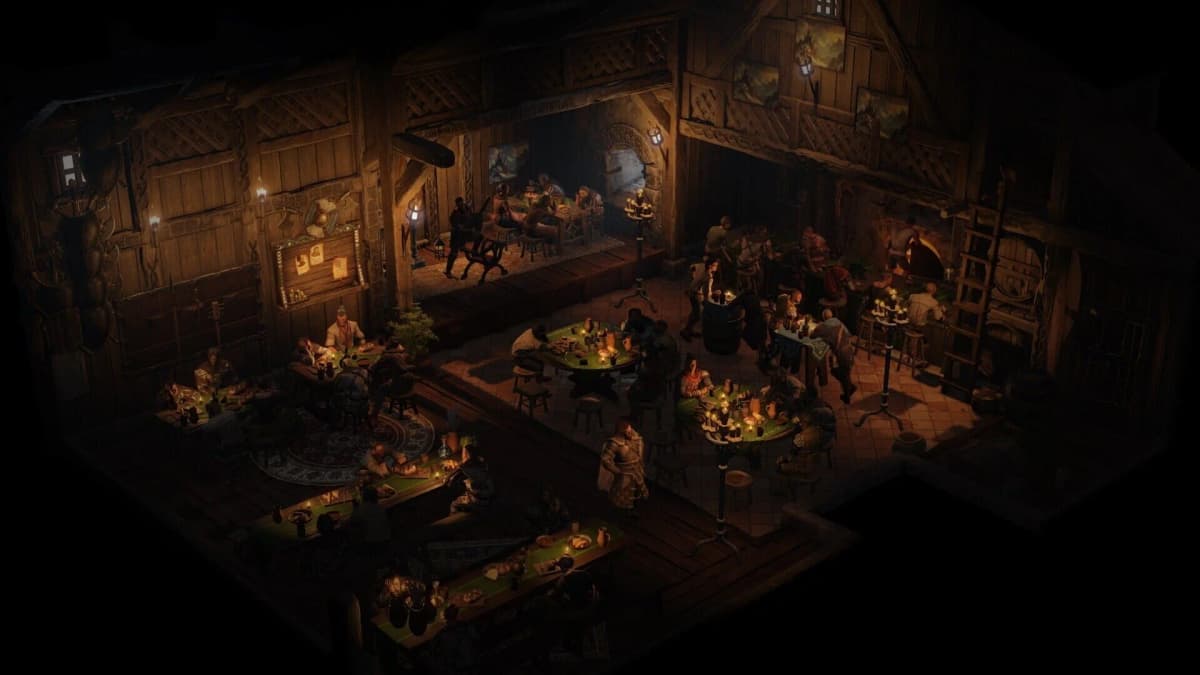
Wartales’ Contract: The Fief Turns Your Mercs Into Lords — Here’s the Real Deal
Game intel
Wartales
Wartales is an open world RPG in which you lead a group of mercenaries in their search for wealth across a massive medieval universe. Explore the world, recrui…
Why This Caught My Eye
Wartales has always been about the grind of mercenary life-contracts, injuries, overdue wages, and that one archer who eats all the jerky. Shiro Games just dropped Contract: The Fief on PC (Steam and GOG), a $12.99 DLC (10% off for the first two weeks) that flips the script: you’re not just passing through lands anymore-you’re managing one. As someone who’s bounced between Northgard, Dune: Spice Wars, and Wartales, this grabbed me because Shiro understands strategy loops, and Wartales was begging for a true long-term endgame layer.
Key Takeaways
- The DLC adds a persistent fiefdom management system inside the main campaign-no siloed side mode.
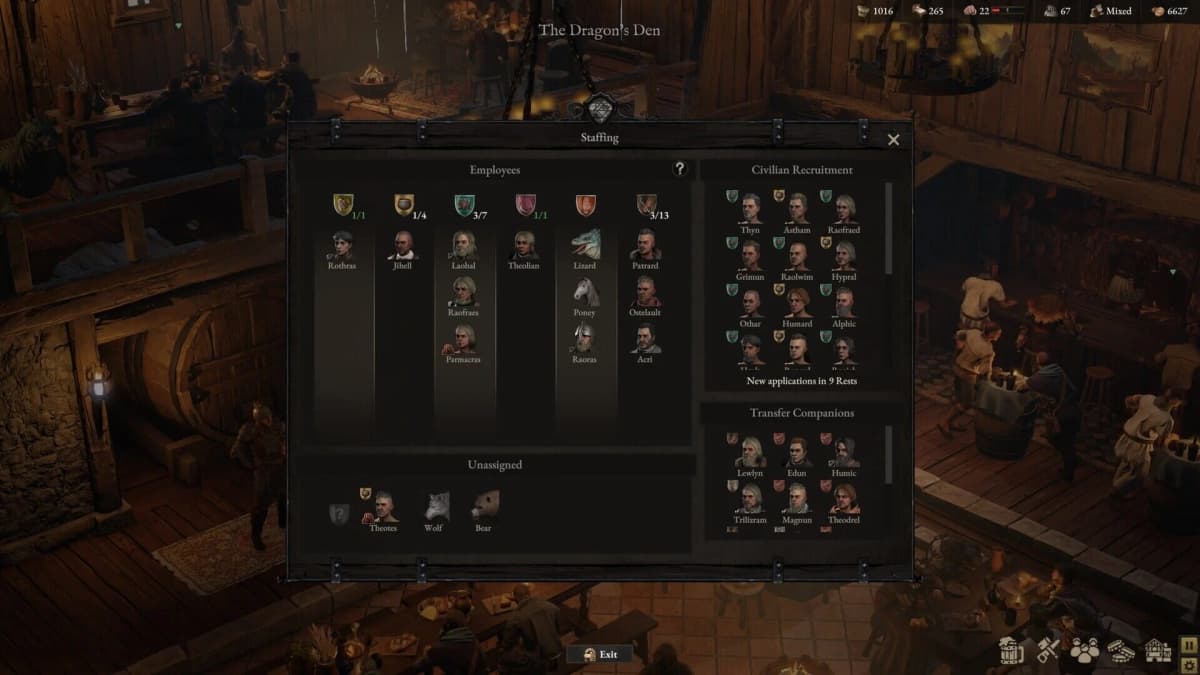
- You can pass policies, expand districts, and juggle food, defense, comfort, and education.
- Culture and political influence suggest tangible world-state shifts, not just passive buffs.
- Price is fair for systemic depth, but watch for extra grind and micromanagement.
Breaking Down the Announcement
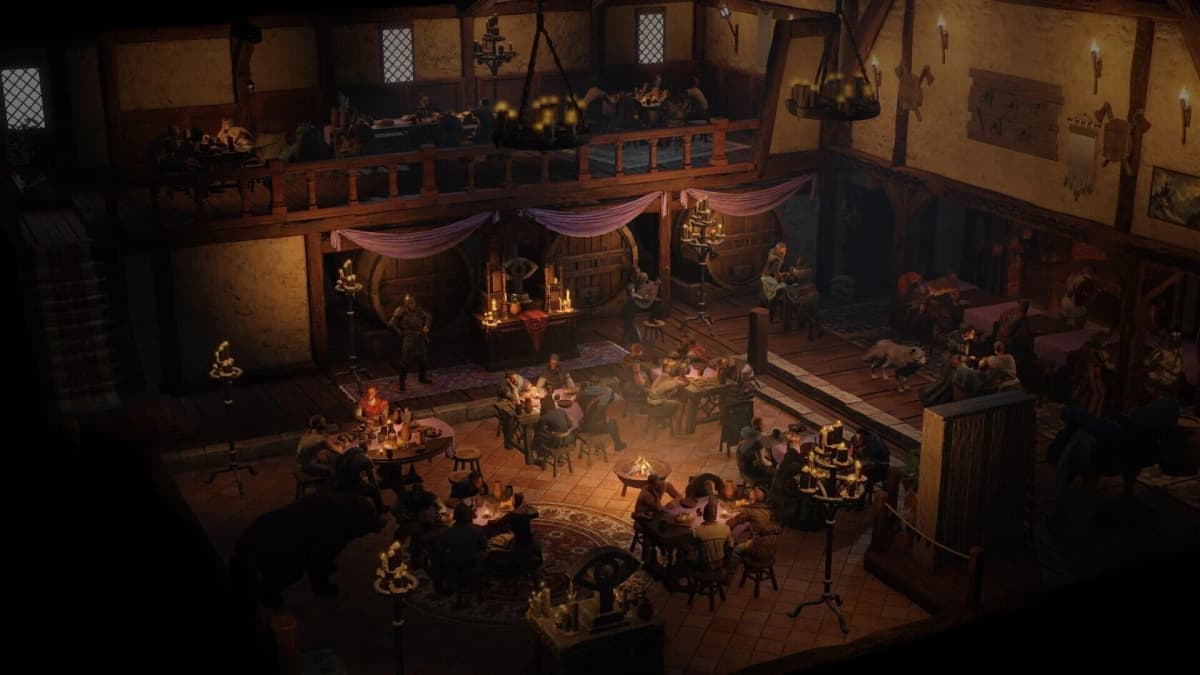
Contract: The Fief bolts a management layer onto your ongoing save. You’ll expand districts, set policies, and balance resources like food and defense while keeping your people comfortable and educated. On paper, this sounds like Mount & Blade’s fief system filtered through Wartales’ survival DNA. The key promise is persistence: your decisions stick, shaping the region’s culture and politics over time. That matters because Wartales’ core loop—contracts, crafting, exploration—has always needed more reasons to revisit and hold territory rather than just pass through it.
Importantly, this isn’t some detached mini-game. It integrates with your campaign, so your merc crew’s existing strengths and professions should matter. If Shiro ties things like cooking to food output, carpentry to buildings, and scholars to education boosts, that’s a classy bit of synergy. It also gives late-game parties—stacked with materials and coin—a new sink besides hoarding purple gear.
Why This Matters Now
Wartales is excellent at micro-level decision-making—who to stab, who to stabilize, what to steal—but it’s light on macro goals once you’ve cleared regions like Ludern and Drombach. Owning a fief and steering its policies is the kind of long-horizon objective the game has been missing. “Education” and “comfort” aren’t fluffy words in this context; if they translate into lower crime, better recruit quality, or faster skill growth, then suddenly your campfire stories have a destination.
Culture and political influence are the phrases that made me perk up. Wartales already plays with reputation and faction friction, so the idea that your fief could tilt a province toward order or opportunism is juicy. Imagine using strict ration policies to cut costs but tank approval—or investing in defense to stop raids at the expense of expansion. Those are the kinds of trade-offs that create memorable saves.
The Gamer’s Perspective: Hype vs. Headaches
There are obvious risks. Fief systems can devolve into timers and chores if they’re not tuned. Wartales already asks a lot—wages, food, repairs—so adding another set of meters (food, defense, comfort, education) could turn evenings into spreadsheet sessions. If policy changes are just +5% here and -5% there, players will sniff out the meta in a day and forget the rest.
What I want to see: meaningful, situational choices. A policy that reduces food consumption but raises desertion risk during winter. Education investments that unlock advanced profession perks or improve recruit baseline stats. District expansion that physically changes encounters—like patrols suppressing bandit ambushes near your land. If those systems bite, the DLC becomes a keeper. If not, it’s another buff tree you click through once and never touch.
Co-op is another open question. Wartales supports co-op, and managing a fief together could be brilliant or messy. Shiro hasn’t spelled out the details here; we’ll be testing whether policy control and building queues play nicely with multiple players poking at the same levers.
Want to Level Up Your Gaming?
Get access to exclusive strategies, hidden tips, and pro-level insights that we don't share publicly.
Ultimate Gaming Strategy Guide + Weekly Pro Tips
Value Check: Price, Support, and Who Should Buy
At $12.99 (with a 10% launch discount for 14 days), the pricing looks reasonable for a systemic expansion, not just new contracts. If you bounced off Wartales because the mid-to-late game felt directionless, this might pull you back in. If you’re mid-campaign and love min-maxing your camp, professions, and supply chains, the fief layer should slot in naturally and give you new levers to pull.
For pure combat fans who skip world-building, temper expectations. This DLC is about stewardship as much as skirmishes. The promise of “broad language support” is welcome—Wartales already does well on that front—so more players can tinker with policy text without guesswork. Given Shiro’s track record of steady patches across Northgard and Wartales, I expect balance passes if certain policies trivialize the economy or make comfort a dump stat.
Looking Ahead
If Contract: The Fief lands, it could reframe Wartales as a true mercenary-to-magnate journey, not just a loop of bounties and bruises. The best outcome is a living territory that reacts to your doctrine, workforce, and failures—where a bad harvest matters, a poorly defended district bites back, and a well-educated populace changes who you can recruit and how the region treats you. That’s the strategy sandbox I want to lose weekends to.
TL;DR
Contract: The Fief adds a persistent fief management layer to Wartales’ main campaign, letting you set policies, build districts, and shape politics. Priced fairly and full of promise—now it just needs real consequences to avoid becoming another checklist.